
What Is a Sconce? Everything You Need to Know About Wall Sconce
In this guide, we’ll break down everything you need to know about “what is a sconce” its purpose, types, key features, and how to incorporate them into your home.
Today, let Rowabi provide you with a comprehensive guide about scones.
What is a sconce?
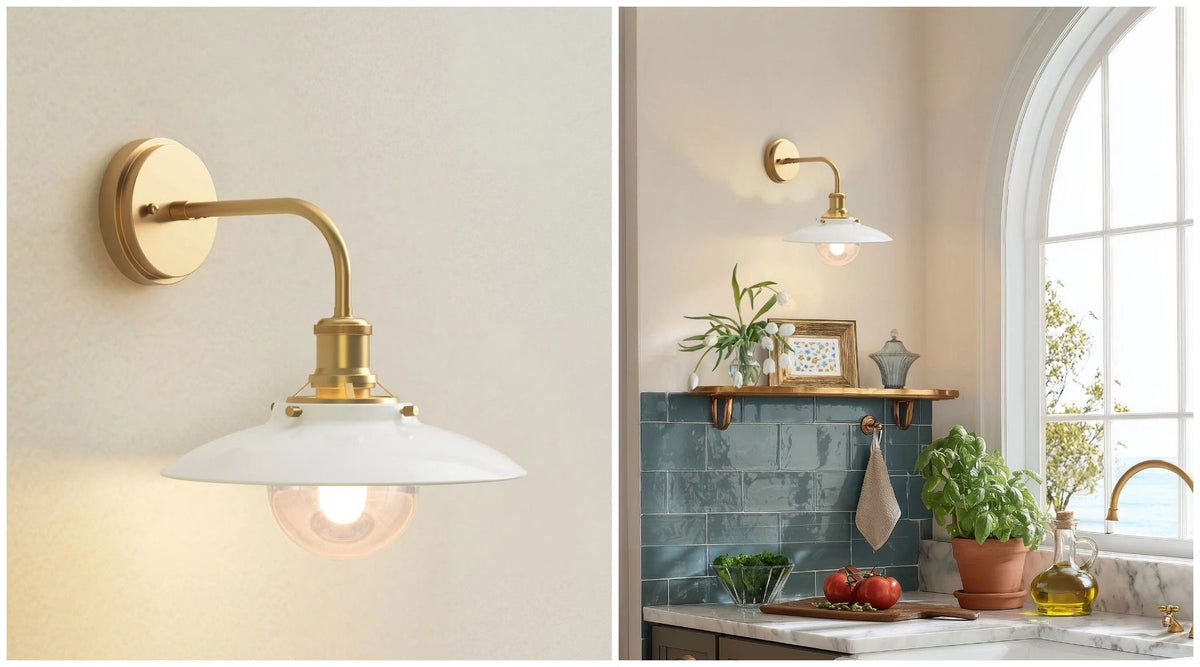
A sconce is a wall-mounted light fixture that adds both function and style to your space. Typically featuring a backplate, arms, and a shade, it provides focused lighting for tasks like reading or highlighting artwork.
Wall sconces are perfect for creating layered lighting in your home, adding warmth and character. They’re especially great in smaller rooms with limited space, giving your decor a stylish boost.
If you're curious how wall sconces can brighten and enhance your living areas, dive into our stunning wall sconce collection at Rowabi and discover the perfect fit for your style!
Ready to transform your home? Shop our stunning collection and see the difference.
How does sconce lighting work?
Sconce lighting is mounted on a wall and directs light up, down, or in multiple directions. The fixture typically includes a shade or cover that diffuses the light, softening its glow and preventing glare.
Sconces are often powered by bulbs and can be wired into your home's electrical system or powered by batteries, depending on the design. They're a great way to create ambient, task, or accent lighting in any room.
Where is sconce lighting used?
Sconce lighting is versatile and can be used in various spaces around the home. Common placements include hallways, bathrooms, living rooms, and bedrooms. They are often mounted beside mirrors for task lighting, over artwork for accent lighting, or in narrow spaces where ceiling lights might be too bulky.
Sconces construction
Their construction comprises three primary components: the backplate, arms, and shades. Understanding each element can help you choose the right sconce for your needs.
Sconce backplate
The backplate is the foundational component that attaches directly to the wall, serving as the anchor for the entire fixture. Backplates come in various shapes, ranging from rectangular to circular, and can be crafted from diverse materials such as metal, wood, or acrylic.

The backplate is the “anchor” of a wall sconce and its shape and finish can signal a specific era, material trend, or design influence. Source: @EyeEm via Freepik: https://www.freepik.com/author/EyeEm.
Many backplates feature reflective surfaces that help bounce light into the room, enhancing brightness and creating a more inviting atmosphere.
The arms of a sconce extend from the backplate and support the light source, allowing it to project light away from the wall. Sconce arms vary significantly in both style and functionality, with some purely decorative and others featuring adjustable mechanisms for repositioning the light.
The length and design of the arms can influence the fixture's aesthetic and ability to direct light effectively. For example, shorter arms may create a more subtle appearance, while longer, more elaborate arms can add drama and focus light where needed.
Sconce shades
Sconce shades are crucial in diffusing and spreading light, enhancing the space's ambiance. Available in various materials and designs, shades affect both the quality of light emitted and the fixture's decorative impact.
Sconce shades can be made from glass (clear, frosted, or seeded), fabric, metal, or resin, each offering different levels of light diffusion and aesthetic appeal.
The shape and design of the shades also contribute significantly to the overall look; they come in numerous styles, creating varied shadow patterns and enhancing the decorative effect of the light.
Discover the perfect lighting to elevate your home


Types of wall sconces
There are several wall sconces to choose from, each offering unique benefits depending on your needs and style. Some common types include:
- candle sconces for a soft, vintage feel,
- corner wall sconces perfect for tight spaces,
- floodlights for bright, wide illumination,
- flush-mounted or half-moon sconces for a sleek, low-profile look,
- lantern sconces that bring a rustic or outdoor charm.
- … and more
Want to learn more about which sconce is right for your space? Check out our full wall sconce buying guide for expert tips and recommendations.
Wall sconce placement
Proper placement of wall sconces is key to achieving both functional lighting and aesthetic appeal. The two main factors to consider are height and spacing.
Height
Wall sconces are generally mounted between 60 and 72 inches from the floor to the center of the fixture. This height ensures the light source is just above eye level, providing optimal illumination without being too high or low for most people.
For rooms with vaulted ceilings, you can place sconces a little higher, around 66 to 72 inches, to keep them in proportion with the space.
Spacing
When using multiple sconces in a room, space them at least 6 feet apart, or 8 to 10 feet in larger areas. This ensures balanced lighting and prevents overcrowding. Also, keep sconces at least 6 inches away from door and window frames to avoid clutter and allow for a clean, unobstructed look.

A quick sizing check helps prevent glare and shadows use a simple measurement guide to align height, spacing, and light spread. Cre: Rowabi
Consider the size of your sconces as well larger sconces may need higher placement to avoid overwhelming brightness, while smaller ones can be mounted lower for better visibility.
Wall sconce placement ideas: Room by room
By understanding how to strategically position these fixtures, you can enhance the lighting effect and the overall ambiance of your home or outdoor space.
General placement
The general rule for wall sconce placement is to install them at eye level, typically around 65 inches (5' 5") above the floor. This height ensures the light is neither too high nor too low, providing balanced illumination in most spaces. However, eye level can vary depending on the room’s function.
For more details on perfect placement strategies, explore our How to Properly Place Wall Sconces " guide.
Along staircases
Here, the sconces should be positioned approximately three-quarters of the way up the wall. This placement provides safety lighting while preventing direct glare from above.
- Positioning: Place sconces higher than usual, around 68-72 inches from the floor on each step landing. This counters the unusual viewing angles created by staircases and prevents people from looking directly into the light.
- Spacing: In stairwells or along extended staircases, place sconces about 8-10 feet apart for even illumination. This prevents dark spots and ensures safe passage.

For most homes, mounting sconces around 68–72 inches from the floor creates comfortable illumination without harsh glare especially on staircases and landings. Source: @cloud7days via Freepik: https://www.freepik.com/author/user6979941
In the hallway
Proper placement is essential to avoid overcrowding the space while ensuring adequate lighting for navigation.
- Height: Hallway sconces should be installed around 60 inches from the floor, with slight height adjustments for homes with tall ceilings (up to 65 inches). The sconces should not be visible from above when standing, maintaining a clean, polished look.
- Spacing: When placing sconces in succession, aim for a spacing of 8 to 10 feet apart, depending on the length of the hallway. This avoids overly bright sections and maintains consistent lighting throughout the corridor.
Choose slim-profile sconces that protrude less than 4 inches from the wall in narrow hallways. This prevents the hallway from feeling cramped and reduces the risk of accidents from brushing against the fixtures.
Living room
- Height: Position sconces 60–72 inches from the floor. This height provides ambient light above eye level, creating a warm atmosphere without harsh shadows.
- Spacing: Place sconces about 6 feet apart when using multiple fixtures. Use the higher end of the height range for rooms with high ceilings to maintain proportion.

Wall sconces add instant coziness: they soften shadows, build layered lighting, and make a living room feel more inviting day and night. Cre: Rowabi
Kitchen
Height: Install sconces around 60 inches from the floor or 24 inches above the countertops for general lighting. Place them about 6 inches above the window frame for task lighting over sinks.
Spacing: Position sconces thoughtfully to ensure even lighting in work areas, avoiding shadows while providing enough brightness for cooking tasks.
Need ideas tailored to specific rooms? Check out our blogs on kitchen wall sconce ideas and bedroom wall sconce ideas.
Don't let your favorite piece sell out. Secure yours now


Dining room
Height: Mount sconces 60–72 inches from the floor for soft, ambient light that enhances the dining experience without glare.
Spacing: Space multiple sconces about 6 feet apart, especially if they accent artwork, mirrors, or other decor elements.

In dining rooms, sconces enhance the mood think warm ambient glow that complements your overhead fixture and flatters the table setting. Cre: Rowabi.
Bedrooms
Height: Install bedside sconces around 60 inches from the floor, ensuring they’re at eye level when seated in bed perfect for reading or other tasks.
Spacing: For sconces on either side of the bed, maintain about 30 inches between them for balanced, functional lighting.

Bedside sconces free up nightstand space while keeping light exactly where you need it ideal for reading and winding down. Cre: Rowabi | Jade Armed Wall Sconce.
Bathrooms
Bathroom wall sconces are typically used to frame mirrors or provide task lighting near vanities. The goal is to offer flattering, shadow-free illumination for grooming tasks such as shaving or applying makeup.
- Placement near mirrors: The ideal height for bathroom sconces is around 60 inches from the floor or at least 4 inches from the edges of a bathroom mirror. This helps to reduce shadows and offers even lighting on the face.
- Spacing: Sconces on either side of a mirror should be 36 to 40 inches apart for optimal balance. This avoids uneven lighting and helps provide consistent light on both sides of the face.

For mirror lighting, mount sconces around eye level (often near 60 inches from the floor) to reduce shadows on the face and improve daily tasks. Source: Rowabi.
Outdoors
Outdoor wall sconces are essential for safety and aesthetic appeal around entryways, patios, and along pathways.
- Height: Outdoor sconces should be placed around 6 feet (72 inches) above the ground, generally at or slightly above eye level for most people. This height helps provide ample illumination for entrances or walkways while maintaining an inviting look.
- Spacing: For uniform lighting in outdoor areas, space sconces between 8 and 10 feet apart, depending on the area's size. Multiple sconces can create a beautiful ambient glow for larger, open spaces like patios or garden walls.
Types of power sources
When choosing wall sconces, understanding the various power sources is essential to ensure the right fit for your space and lifestyle.
Hardwired sconces
Hardwired sconces connect directly to your home’s electrical system. This installation requires professional assistance to ensure safety and compliance with electrical codes. One of the main benefits is the clean, wire-free appearance that enhances a room's overall design.
Additionally, hardwired sconces provide a stable power supply, enabling brighter lighting and more powerful bulbs. However, the cost of professional installation can make this option less budget-friendly, and once installed, these fixtures are permanent, limiting your ability to rearrange your space easily.
Plug-in sconces
Plug-in sconces provide a flexible lighting solution that can be mounted wherever an outlet is available. This makes them particularly suitable for renters or those who frequently change their room layout. One of the key benefits is the ease of installation; plug-in sconces require no professional help simply mount them and plug them into an outlet.
Their portability lets you move them easily between locations, making them ideal for temporary setups. However, visible cords can detract from the overall aesthetics if not managed properly, and the light output may be less than that of hardwired options, depending on the bulb used.
Power outlet
Plug-in wall sconces are designed to connect directly to a standard power outlet. They’re an excellent choice for flexible and easy installation without hardwiring.
These sconces come with a cord that plugs into the outlet, making them ideal for renters or anyone looking for a temporary or adjustable lighting solution. While the exposed cord adds a casual or industrial vibe, it can be hidden with cord covers for a cleaner look.

In kitchens, wall sconces work best as task lighting adding extra brightness near counters while keeping the space uncluttered. Source: Rowabi | Ariel Double Wall Sconce
Battery-operated sconces
Battery-operated sconces are the most versatile option, requiring no electrical connections. They run entirely on batteries, which simplifies installation and provides great flexibility in placement. A major benefit is that these sconces can be positioned anywhere without concern for proximity to outlets or wiring.
They also come in various styles and designs, allowing for unique decor options. However, battery-operated sconces typically produce less light than hardwired or plug-in sconces, making them better suited for ambient rather than task lighting. Regular battery replacement is necessary to maintain functionality, which can be inconvenient over time.
Key features of sconces
To find the perfect sconce, consider features that enhance convenience and adaptability. Let’s dive into some of the must-have features:
Dimmable functionality
Adjustable brightness is a game-changer for creating the perfect ambiance. Whether you’re reading, entertaining, or winding down, dimmable sconces let you set the mood with ease. Many modern designs are compatible with dimmer switches or built-in dimmable LED technology for smooth light transitions.
LED technology
LED sconces are energy-efficient and long-lasting, offering bright illumination using less power than traditional bulbs. Many models include built-in LEDs with adjustable color temperatures and memory settings so that you can enjoy the perfect light every time.
Adjustable designs
For ultimate versatility, look for adjustable sconces. These allow you to direct light exactly where it’s needed whether for task lighting by a reading chair or accent lighting to highlight the artwork. Features like movable arms or pivoting heads make these designs incredibly practical.
Damp location-rated
Choose damp location-rated fixtures if you need sconces for humid spaces like bathrooms or covered patios. These sconces are designed to resist moisture, ensuring safety and durability in high-humidity areas.
Wet location-rated
Wet-location-rated sconces are a must for areas directly exposed to water, such as outdoor patios or areas near showers. Built with water-resistant materials, they’re ideal for spaces where weather or water splashes are a concern.
Charging features
Charging sconces offer modern convenience with built-in rechargeable batteries or cordless operation.
They’re perfect for spaces where wiring isn’t an option, and some even feature detachable, rechargeable LED bulbs for easy use. To learn how to install sconces without wiring, check out our guide.
Remote-control convenience
For added convenience, consider sconces with remote control. These allow you to adjust brightness or turn lights on and off from across the room ideal for creating the perfect lighting setup without moving an inch.

Picture lights are a classic way to highlight artwork creating focused accent lighting that makes a gallery wall feel intentional. Source: Rowabi
More wall sconce tips
By keeping these tips in mind, you’ll ensure your sconces are stylish, practical, and suited to your space.
Pick your sconce first
Before planning your space or wiring, choose the wall sconces that suit your design style and functionality needs.
The size, shape, and type of sconce will influence placement, installation, and the overall vibe of your room. Selecting your fixtures first ensures they seamlessly integrate into your decor and lighting plan.
Consider outdoor vs. Indoor installation
When choosing sconces, think about where they’ll be installed:
- Indoor Sconces: Focus on aesthetics and functionality. Look for features like dimmable lights or adjustable arms to enhance the interior ambiance and usability.
- Outdoor Sconces: Opt for fixtures specifically rated for outdoor use. Look for damp-rated sconces for covered areas like porches and wet-rated options for exposed spaces like patios or entryways. Materials like metal and weather-resistant finishes ensure durability against the elements.
Discover more about the costs and benefits of different options in our cost to install wall sconces.
How to install a wall sconce
Installing a wall sconce is a simple way to upgrade your lighting.
Start by choosing the right placement for balanced illumination based on height and spacing.
Before beginning, turn off the power at the circuit breaker to ensure safety. Secure the sconce to the wall using the provided mounting bracket, then connect the fixture’s wires to the corresponding wires in your wall with wire connectors.
Once everything is connected, restore power, test the light, and attach any decorative elements like shades. For a detailed, step-by-step guide, visit our full article: how to install a wall sconce.
FAQs
What's the difference between a wall light and a sconce?
- Wall lights are flush-mounted fixtures providing general illumination, often with a modern aesthetic. On the other hand, Sconces are more decorative, mounted on brackets extending from the wall, and typically used for ambient lighting or highlighting features.
What is a sconce in the UK?
- In the UK, a sconce refers to a decorative wall-mounted light fixture, similar to its use elsewhere, with styles ranging from traditional to contemporary.
What does a sconce look like?
- Sconces typically have a decorative base mounted to the wall with one or more light sources projecting light upward or downward. Designs vary from ornate with glass shades to minimalist and sleek.
What does sconce lighting do?
- Sconce lighting creates ambient light, highlights specific areas, and adds a cozy atmosphere. It’s ideal for softer, more focused illumination compared to overhead lights.
What are the rules for sconces?
- Height: Install at 60–72 inches from the floor.
- Spacing: Place 6–10 feet apart in larger spaces.
- Functionality: Use for accent or ambient lighting, not as a primary light source in task-heavy areas.
What is a damp sconce?
- A damp sconce is designed for humid areas like bathrooms or covered patios, with materials that resist moisture while maintaining safety.
What do Americans call wall lights?
- In the U.S., "wall lights" refers to any wall-mounted lighting, including sconces, but "sconce" describes decorative wall fixtures.
Are wall sconces dated?
- No, wall sconces remain timeless. Modern designs with clean lines and innovative features keep them versatile and stylish.
When were wall sconces popular?
- Wall sconces date back to ancient times when they were used to hold candles. They gained popularity in the 18th and 19th centuries and remain a staple in today’s interiors.
How do you pick sconces?
- Style: Match the decor of your space.
- Functionality: Choose based on the need for ambient or task lighting.
- Size: Ensure proportionality to wall space and nearby furniture.
- Features: Consider options like dimmable settings or adjustable designs.
How do you hang sconces?
- Determine the height based on usage.
- Mark the wall for placement.
- Use wall anchors for stability.
- Connect wiring (if hardwired) or secure battery-operated models.
- Test before completing installation.
Conclusion
What is a sconce - A sconce is more than just a lighting fixture; it’s a design element that can elevate your space. With a wide range of styles, finishes, and functionalities available, there’s a sconce to suit every aesthetic and purpose.
Ready to explore the possibilities? Browse our collection and find the perfect sconce to brighten your home.
Refs:
- https://www.lightup.com/learn/best-height-and-placement-for-your-wall-sconce/
- https://stylebyemilyhenderson.com/blog/how-high-to-hang-your-sconce-in-every-room
- https://www.decolight.co.uk/blogs/news/wall-lights-vs-wall-sconce
- https://www.idealhome.co.uk/bedroom/bedroom-decor/bedroom-wall-sconce-vs-wall-light