CE Certification: What It Means for Electrical Products

But why is it so important? With the help of Noah Miller - Rowabi’s expert, let’s explore the CE certification process, its benefits, and how it applies to modern lighting fixtures, such as wall sconces and flush-mount ceiling lights.
What is CE certification?
CE marking is mandatory for European Union (EU) and European Economic Area (EEA) products. It shows that a product meets the EU’s essential health, safety, and environmental requirements. If your lighting products, including modern lights, wall sconces, or flush-mount fixtures, are CE marked, they comply with these EU regulations and are eligible to be sold in the EU market.
As a brand that prioritizes safety, Rowabi is committed to providing products with rigorously tested quality.
How do you get CE certification for modern lights, wall sconces, and flush-mounts?
To obtain CE certification for your lighting products, you must ensure that your products meet the necessary EU directives related to electrical safety, electromagnetic compatibility, and energy efficiency. Depending on the product and its complexity, you may need to conduct tests or provide documentation to demonstrate compliance.
Upgrade your lighting instantly. Click here to shop.
Why do products need CE certification?
CE certification is essential for products to meet the EU's stringent safety, performance, and environmental impact requirements. For manufacturers and importers, it's the key to ensuring their products can be sold legally within the EU market.
Why is CE certification necessary?
Without CE marking, your products won’t be allowed to enter the European market, and you could face penalties, bans, or delays in selling your products internationally. It’s a critical step for global expansion.
Difference between CE vs UL certification
While both CE and UL certification ensure product safety, CE certification focuses on European Union standards, while UL certification is an American standard. UL certification is essential for the US market, but CE certification is a must if you're aiming for the European market.
Comparison of CE vs. UL Certification
| Criteria | CE Certification | UL Certification |
| Mandatory | For products sold within the European Economic Area (EEA) | For products sold in the United States and Canada |
| Area of Application | European Union (EU) and European Economic Area (EEA) | United States and Canada |
| Quality Standards | Focuses on health, safety, and environmental protection as per EU directives. | Focuses on product safety standards, electrical safety, and fire risks in the U.S. and Canada. |
| Third-Party Involvement | Often requires third-party testing (Notified Body) for high-risk products | Third-party testing is required for most electrical products. |
| Test and Documentation | Requires proof of compliance, technical documentation, and possibly third-party testing. | Requires proof of compliance, including product samples and factory audits. |
| Scope of Certification | Applies to a wide range of products, including electrical equipment, toys, medical devices, machinery, etc. | Primarily for electrical and electronic products, appliances, and components. |
| Global Reach | Accepted by many non-EU countries, not only EU members. | Limited to the United States and Canada, though internationally recognized. |
Benefits of CE marking
CE certification provides several benefits to manufacturers and sellers. First, it opens up access to the European market, one of the largest consumer markets in the world. Second, it increases consumer confidence in the safety and quality of your products.
Third, it ensures that your products meet internationally recognized standards, making them more attractive to buyers and distributors. Plus, CE marking reduces the risk of legal issues or product recalls.

CE marking on the electrical equipment. Credit: High Tech Design Safety (1)
CE certification process for US manufacturers
For US manufacturers wanting to sell lighting products in Europe, here’s how the process generally works:
Step 1: Identify the Applicable EU Directives
The first step to obtaining CE certification is identifying which EU directives apply to your lighting products. The directives provide the essential safety and environmental requirements your product must meet. These typically include the Low Voltage Directive (LVD), Electromagnetic Compatibility (EMC), and Eco-design Requirements for lighting.
Each directive sets the standards for specific aspects of product safety.
Step 2: Product Testing and Evaluation
Once the applicable directives are identified, the next step is to evaluate your product's compliance with these standards. Some products may require testing by an accredited laboratory or a Notified Body—an organization designated by an EU member state to assess product conformity. Testing based on the directive includes electrical safety, material quality, and environmental impact.
This might involve testing for lighting products to ensure the product doesn’t cause electromagnetic interference (EMI), the electrical components are safe, and the product's energy consumption meets the EU's energy efficiency standards.
Step 3: Compile Technical Documentation
Manufacturers must compile and maintain a technical file for each product bearing the CE mark. This file includes:
- Design and Manufacturing Information: Documents detailing the product's design, manufacturing process, and the materials used.
- Test Reports: Results from any testing performed to prove compliance with the relevant directives.
- User Instructions: The user instructions should outline how the product is used safely and effectively.
- Declaration of Conformity: A declaration signed by the manufacturer stating that the product complies with the relevant EU directives.
If you are looking for lighting solutions that enhance your space while ensuring safety, don't hesitate to visit Rowabi to explore the latest collections and receive direct advice from our experienced team.
Step 4: Declaration of Conformity
Once all tests have been completed, the manufacturer must sign a Declaration of Conformity. This legally binding document confirms that the product meets all applicable EU safety, health, and environmental standards. It must be kept on file for up to 10 years after the product is placed on the market.
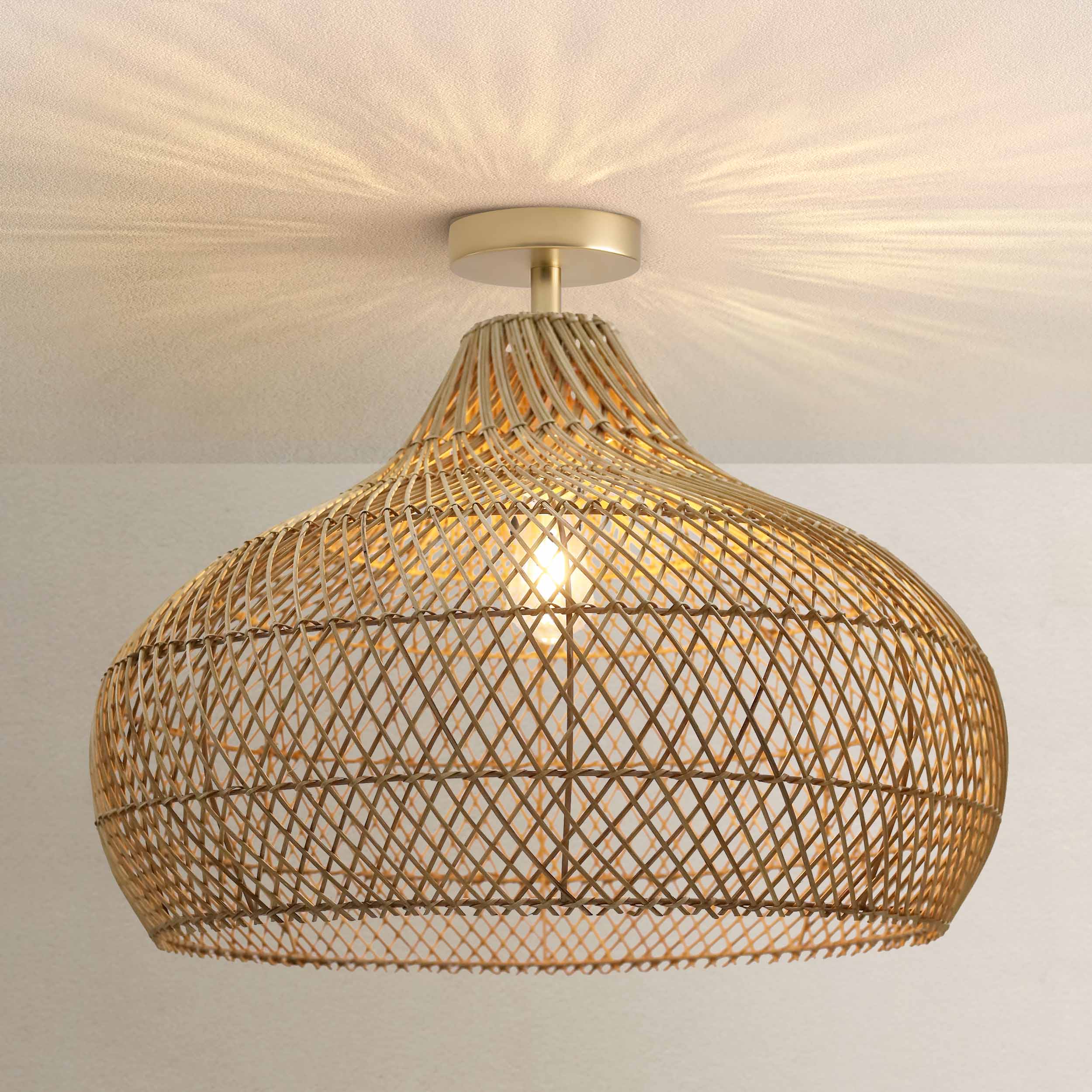
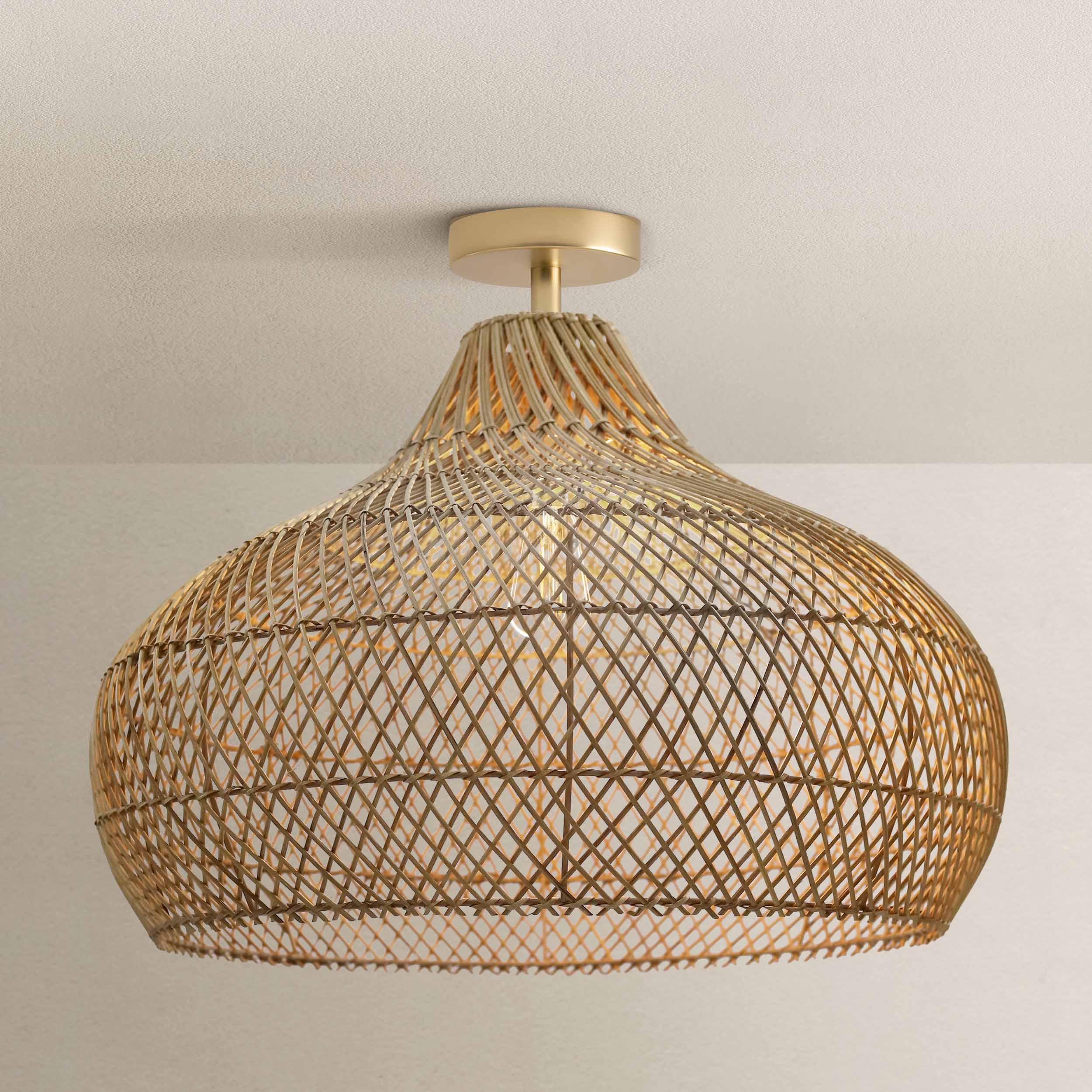
Ready to checkout? Add this timeless piece to your cart.
Step 5: Affix the CE Mark
After the Declaration of Conformity has been completed, the product can be affixed with the CE mark. This mark signifies that the product has passed all necessary safety, health, and environmental standards required by the EU. The CE mark must be visible on the product or its packaging. If applicable, it can be accompanied by additional information, such as the Notified Body's identification number.
What countries require CE marking?
CE certification is required for all products sold within the EU and EEA member states. These countries include the EU member countries like France, Germany, and Italy and non-EU countries like Norway, Iceland, and Switzerland. Even countries outside the EEA, such as Turkey, recognize CE marking.
What products need a CE certification?
CE marking is required for a wide range of products, which are listed below:
For lighting manufacturers, modern pendant lights, chandeliers, and flush-mount lights need CE certification to ensure compliance with the EU’s safety and environmental standards.

How to obtain CE certification?
Here’s a simple breakdown of the steps to obtain CE certification:
Step 1: Identify Applicable Directives
Before you begin the CE certification process, you must identify which EU directives apply to your lighting product. The Low Voltage Directive (LVD), Electromagnetic Compatibility Directive (EMC), and Eco-design Directive are key for most electrical products. For lighting, the RoHS (Restriction of Hazardous Substances) directive and WEEE (Waste Electrical and Electronic Equipment) directive may also apply.
Step 2: Understand the Requirements
Once you know which directives apply, you must understand what requirements must be met. These might include:
- Electrical safety: Ensuring the product’s electrical components are safe and not prone to failure or hazard.
- Electromagnetic compatibility: Ensuring that the product doesn’t interfere with other devices.
- Energy efficiency: Meeting energy consumption guidelines set by the EU.
- Material safety: Ensuring that materials used in the product comply with the environmental regulations, especially regarding hazardous substances.
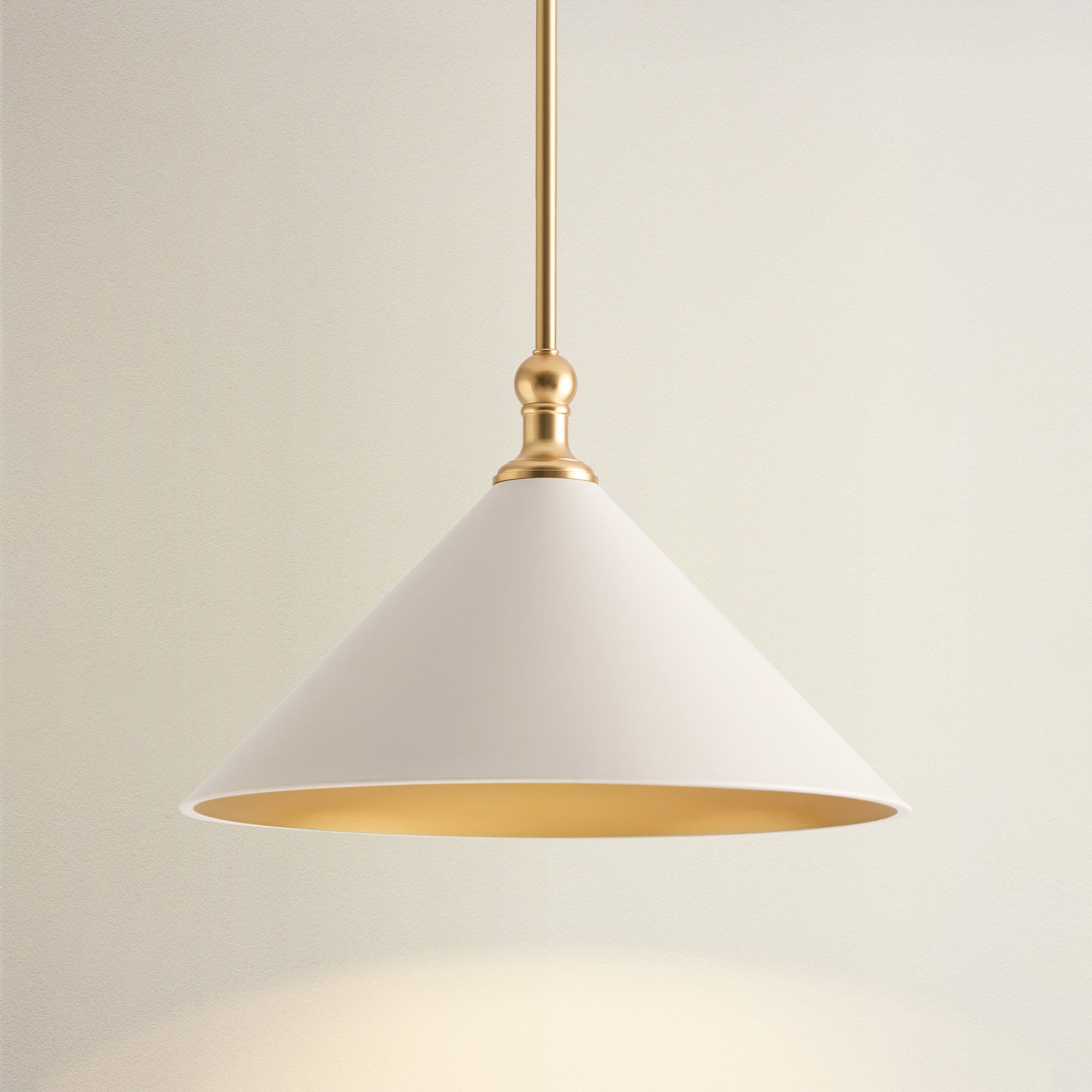
Don't let your favorite piece sell out. Secure yours now.

Step 3: Conduct Testing
After understanding the requirements, it’s time to test the product. Depending on the complexity and risk level of the product, you may need to have it tested in an accredited laboratory or Notified Body. For lighting fixtures, these tests might include:
- Electrical testing: To ensure the fixture is safe for use.
- Environmental testing: Ensuring the materials used in the fixture meet sustainability requirements.
- Energy testing: To confirm that the fixture meets energy efficiency standards.
If your product is complex or falls under a high-risk category, you must work with a Notified Body to conduct the testing. They will verify that your product meets all the requirements of the applicable EU directives.
Step 4: Prepare the Technical File
Once the testing is complete, you must compile a technical file. This file includes all the information about your product’s design, the tests it has passed, and how it complies with the relevant directives. The technical file should consist of:
- Detailed drawings and specifications of the product.
- Test reports and compliance documents.
- Instructions for installation and use.
- Any other documentation that proves compliance.
Discover the latest designs from Rowabi - a brand that prioritizes safety and product quality to bring you truly premium items.
Step 5: Declare Conformity and Affix the CE Mark
Once the product fully complies with the applicable EU directives, the manufacturer must complete a Declaration of Conformity. This official document states that the product complies with all relevant health, safety, and environmental regulations.
After signing the declaration, you can affix the CE mark to your product. The CE mark is a clear symbol of compliance and must be visible on the product or its packaging.
You can apply through accredited bodies such as Intertek or TÜV SÜD, which offer testing and certification services.
Can I sell CE-certified products in the USA? Is the CE mark recognized in the US? Is there a CE-certified lighting fixture manufacturer in the USA? For how long is a CE certificate valid? What are the penalties for the absence of a CE compliance certificate? How to authenticate a CE certificate?FAQs
Conclusion
CE certification is a key requirement for manufacturers wishing to enter the European market. It demonstrates that your lighting products meet international standards for safety, performance, and environmental impact. By following the application process, manufacturers can open new doors to global markets and build consumer trust.
Don’t miss out—start the process today and expand your market reach!
Sources:
- https://hightechdesignsafety.com//wp-content/uploads/2020/12/Depositphotos_42538033_xl-2015-1024x683.jpg
- https://eurocert.com.vn/wp-content/uploads/2022/06/CE_Marking_6-Steps_Diagram.jpg