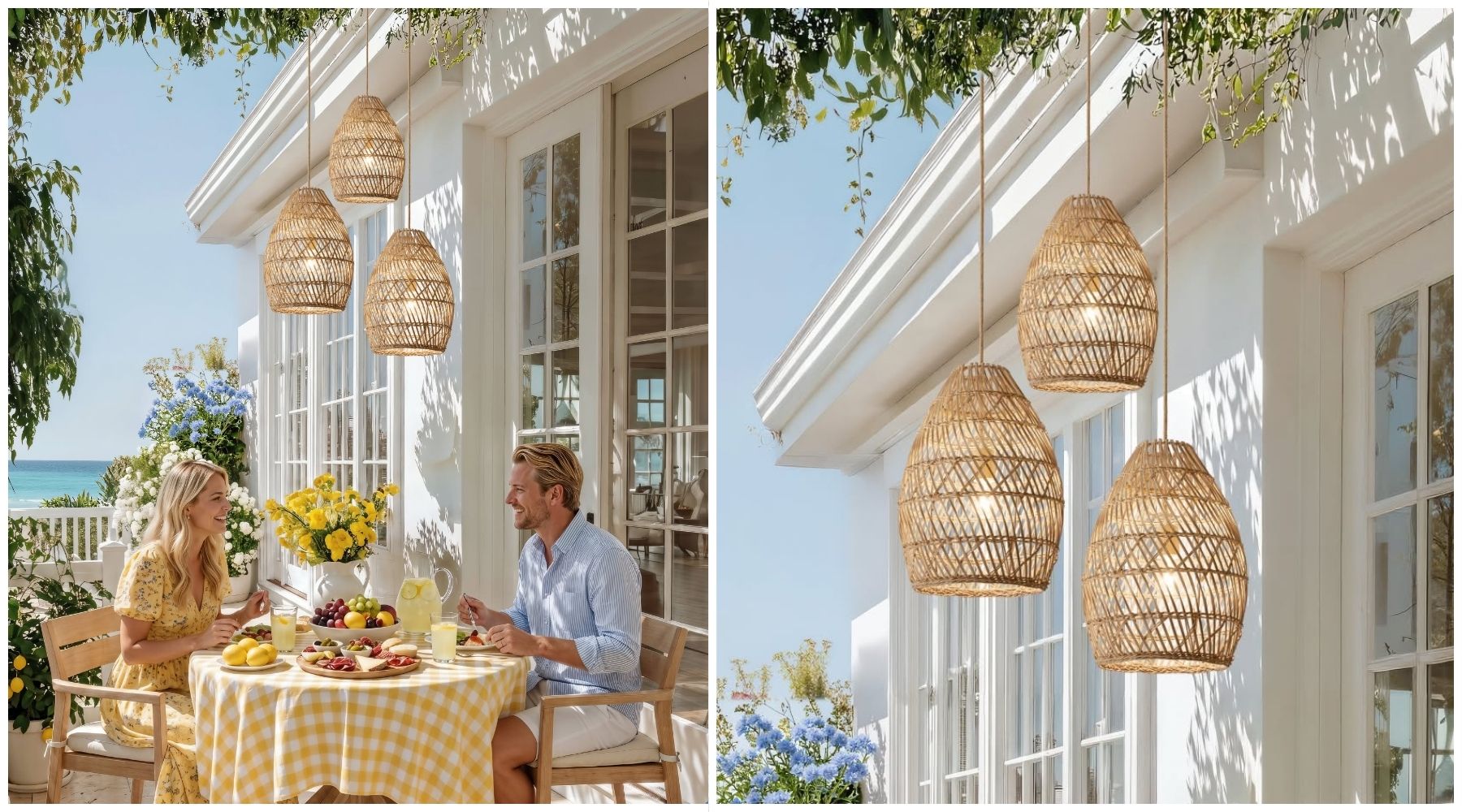
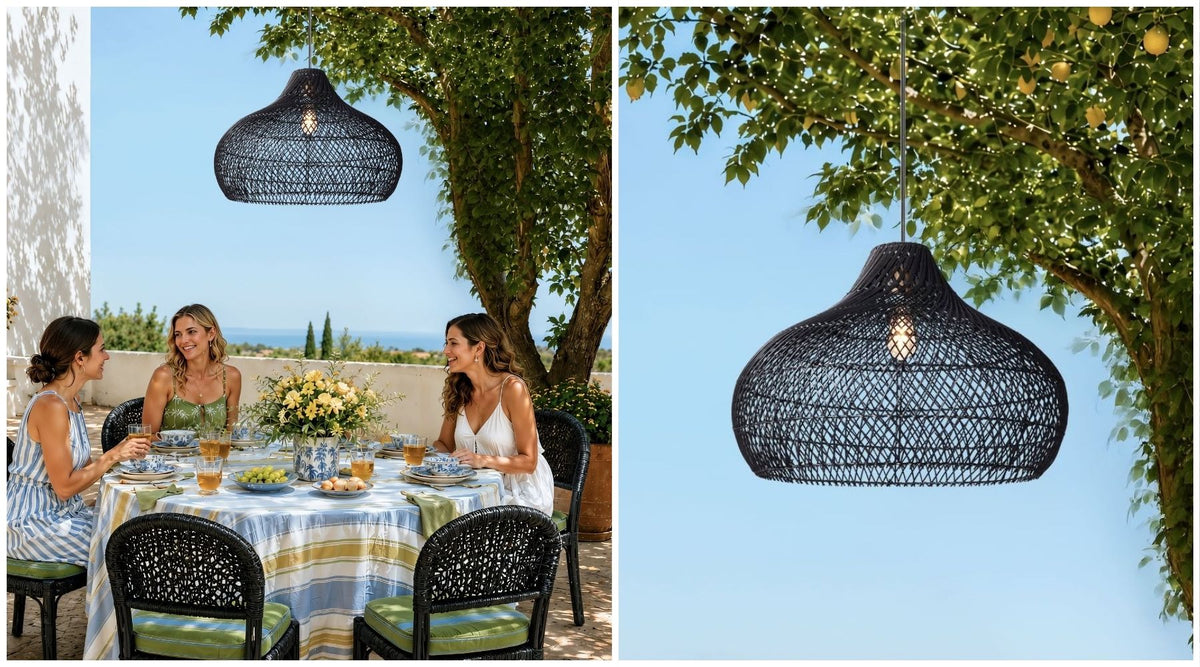
The most strategic approach involves prioritizing quality for the fixtures you see and use most frequently, while opting for more budget-friendly choices for purely functional lighting.
This guide is for anyone who has hesitated at a checkout counter, questioning if a light fixture is truly worth triple the cost of a visually similar alternative. We will thoroughly examine the cost drivers, identify areas where spending is beneficial, and pinpoint where savings are perfectly acceptable, empowering you to make informed decisions.
Key takeaways:
- High-quality lighting is usually worth it because durable fixtures last 10+ years, whereas budget fixtures are often replaced every 1–3 years, so they end up costing more over time.
- Quality is set by three things: real materials, genuine craftsmanship, and a timeless design - not the price tag alone.
- Spend on the fixtures you see daily (kitchen island, dining room, entryway) and save on purely functional lighting (closets, hallways, utility).
- Get the size right: an island pendant arrangement should span about half to two-thirds of the island; a dining fixture's diameter (in inches) is roughly equal to the room's length + width (in feet).
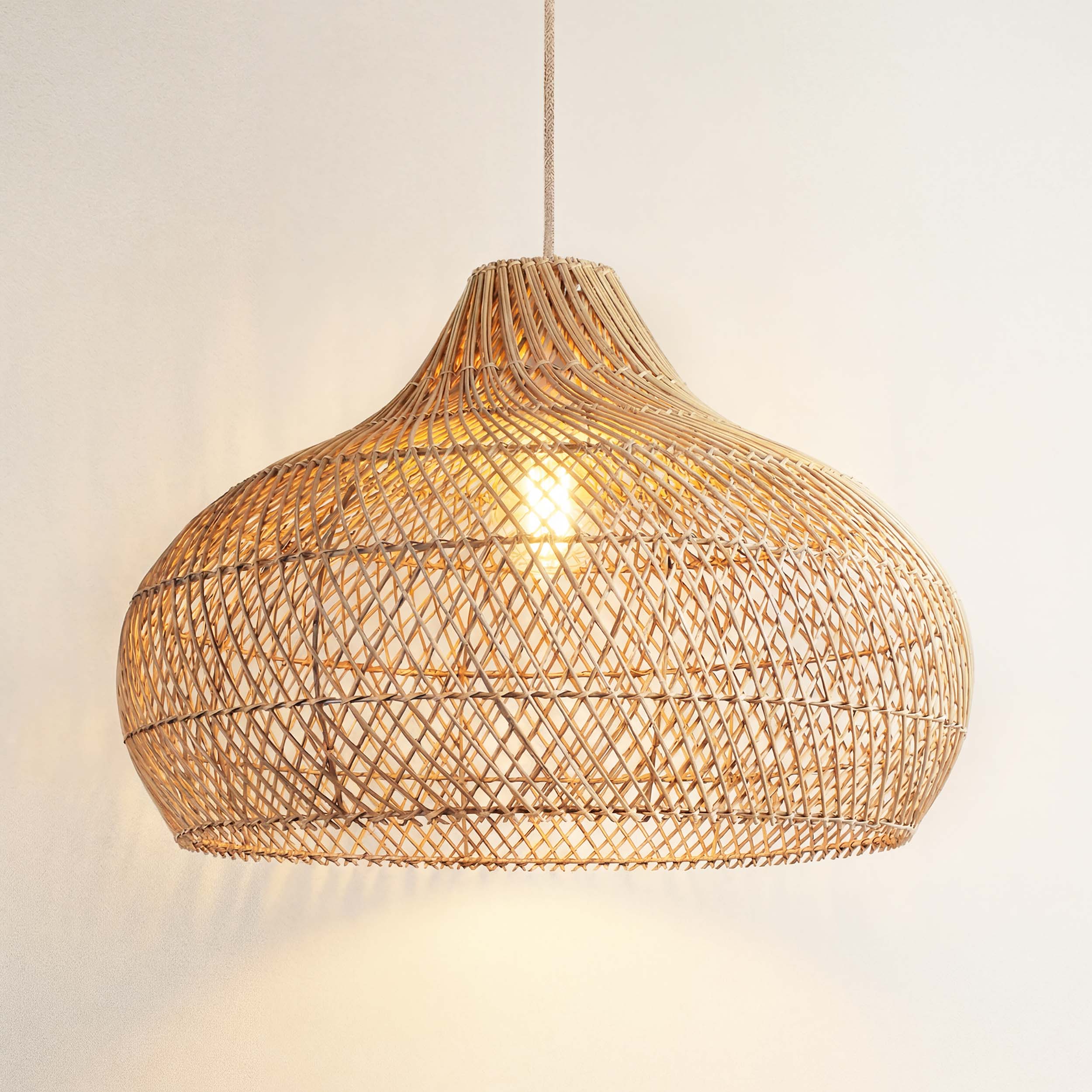
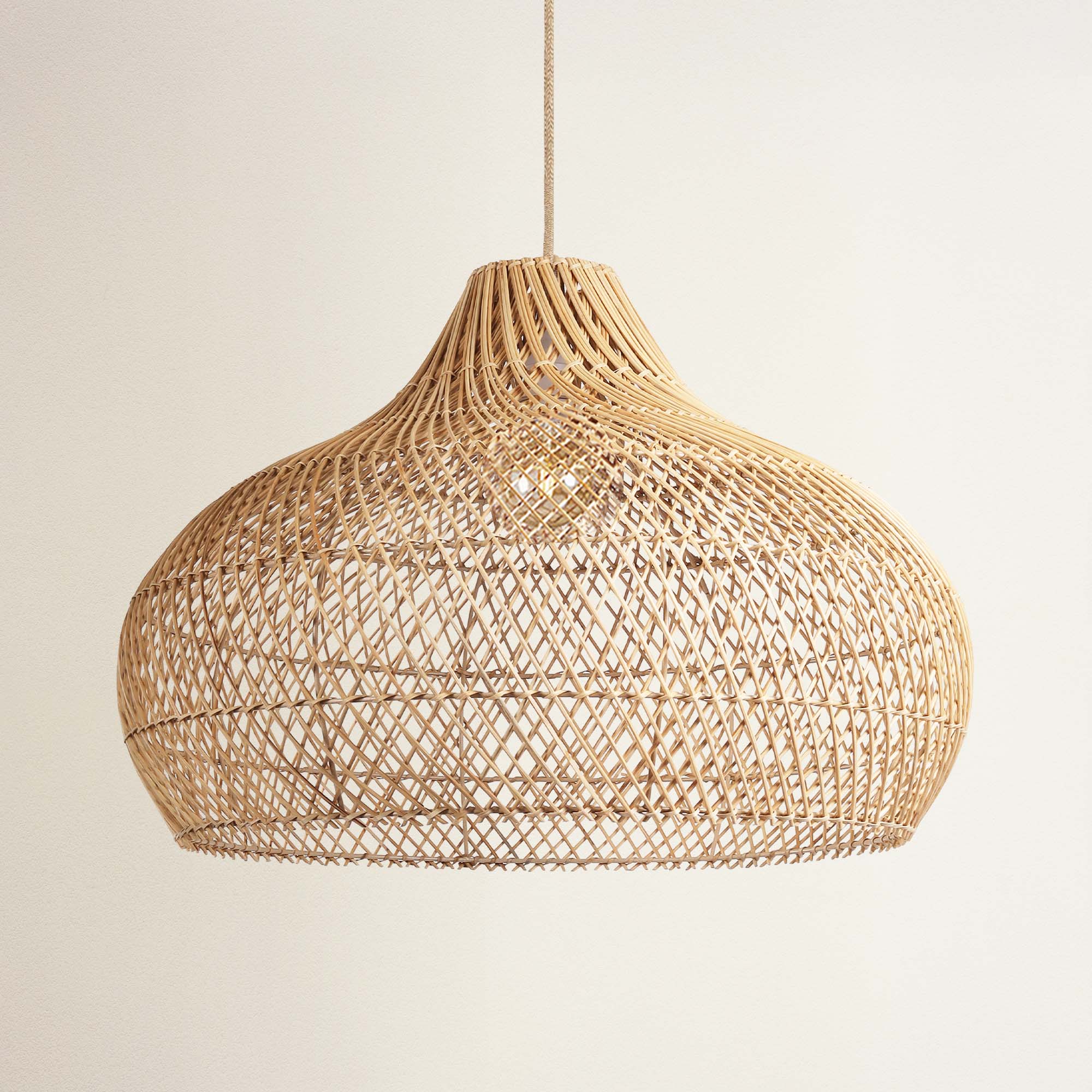
45-Day Return
45-Day Return
45-Day Return

45-Day Return
45-Day Return

45-Day Return

45-Day Return
45-Day Return
45-Day Return
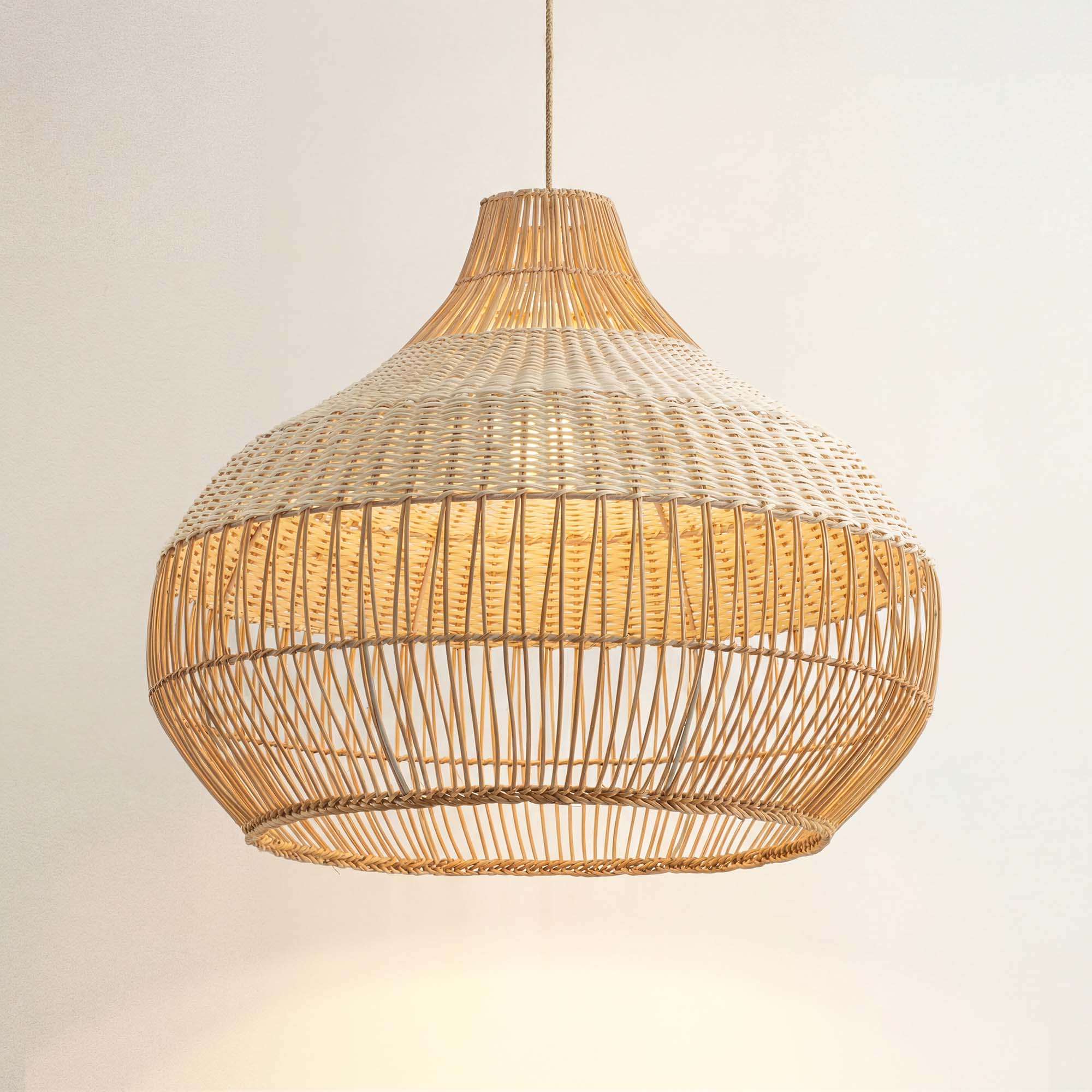
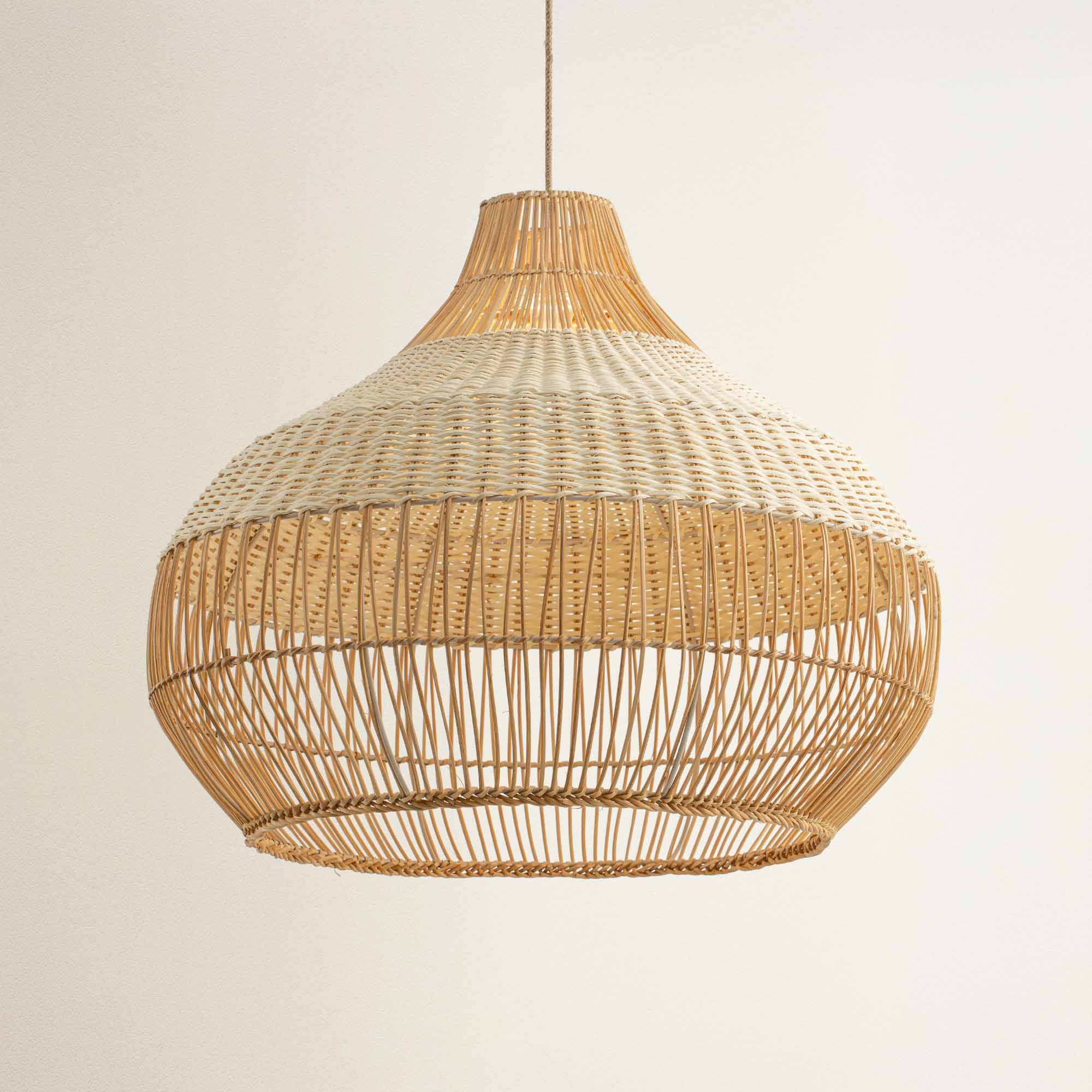
45-Day Return
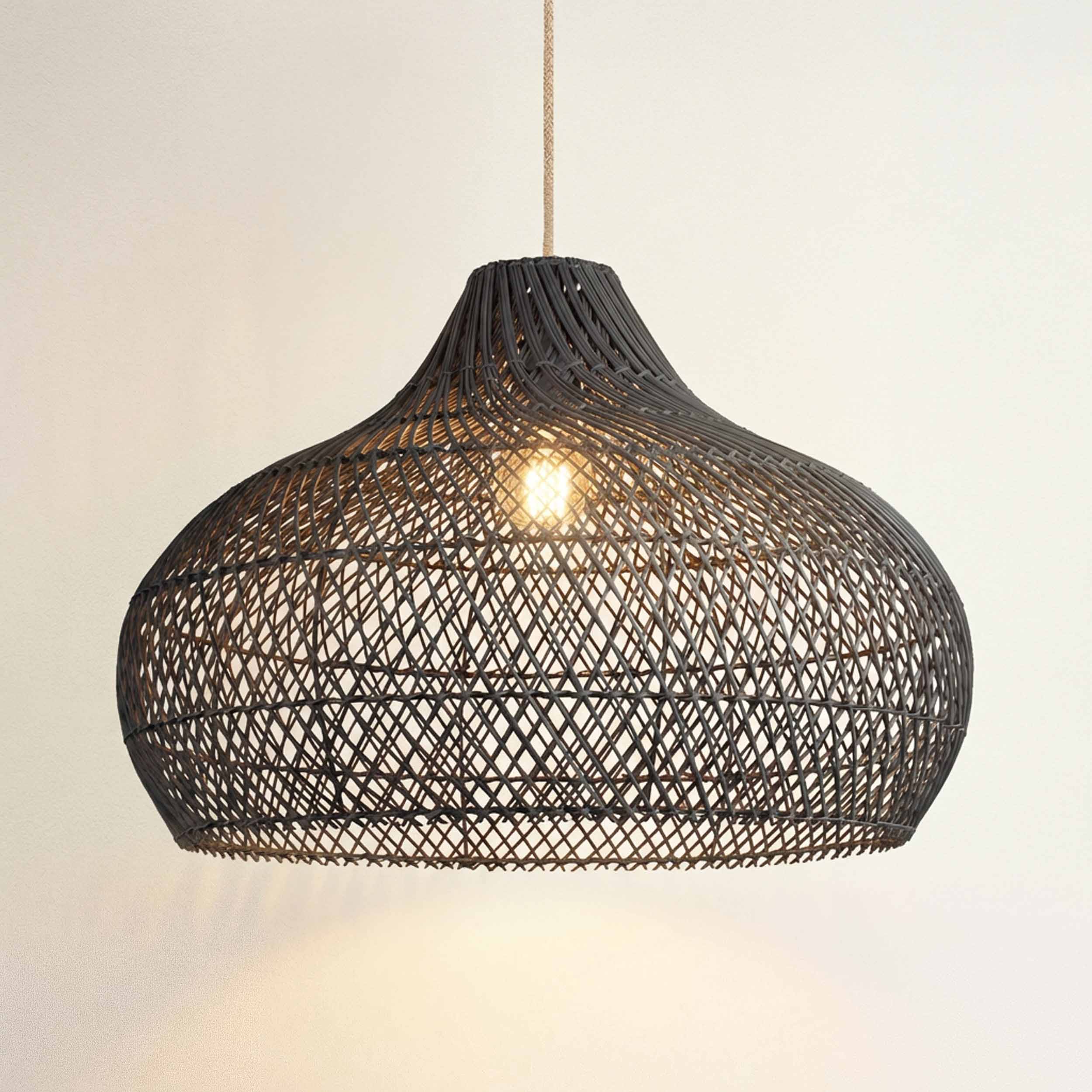
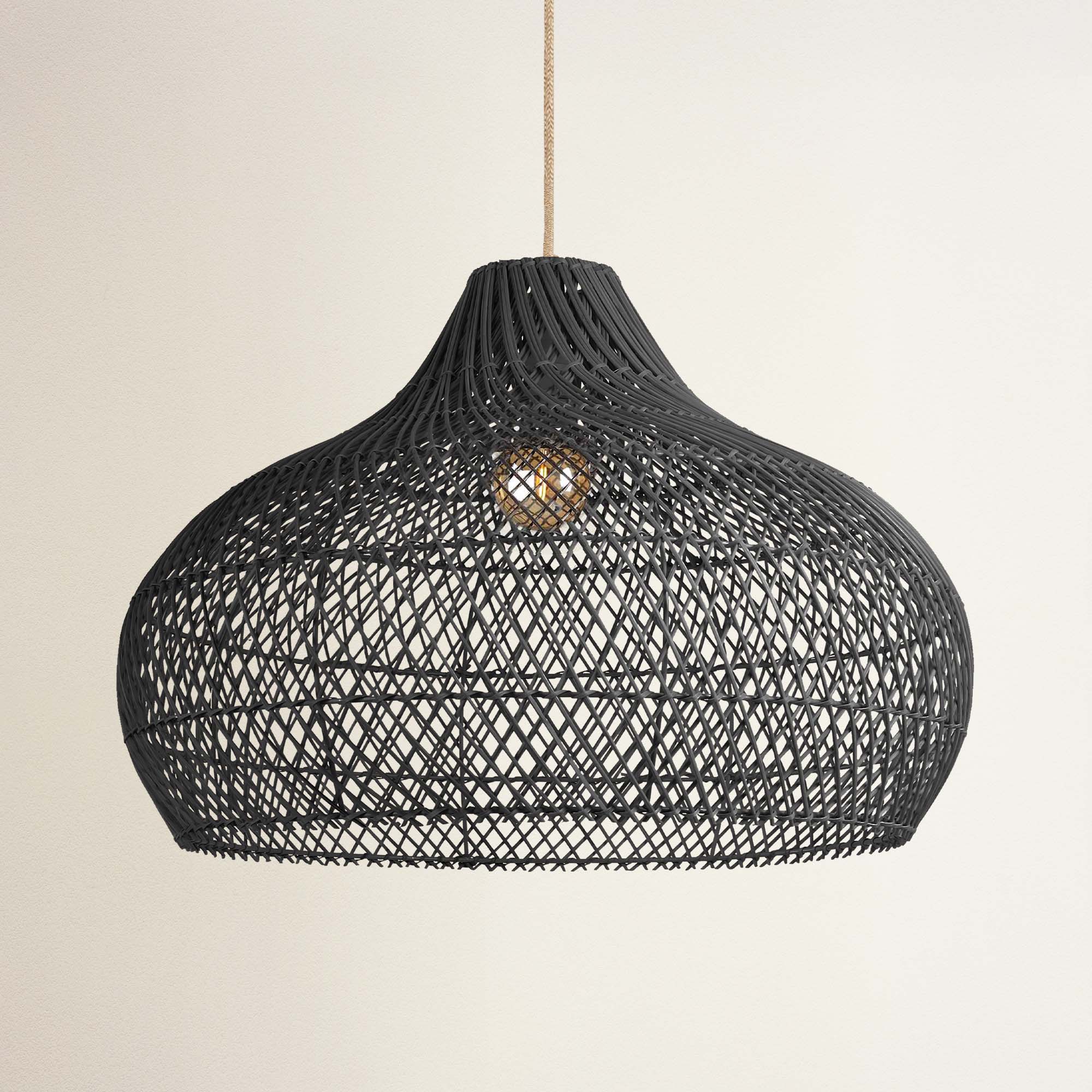
45-Day Return
45-Day Return
Is it really worth spending more on a light fixture?
The reality is that light fixtures are not all created equally, yet you do not necessarily need the most expensive option to achieve an attractive and enduring result. There is no reason to hesitate to choose a more affordable light, particularly when lighting costs are often the last consideration in a renovation, after more substantial investments in flooring, cabinetry, and paint.
However, an often-overlooked point is that the distinction between an inexpensive fixture and a well-crafted one is not determined solely by price. It is fundamentally about its construction, how it ages over time, and the daily ambiance it contributes to a room. At Rowabi, our aim is to help you understand this difference rather than push for unnecessary purchases.
Let's explore what truly differentiates a fixture destined for longevity from one that will likely need replacement within a couple of years.
What makes a light fixture worth the price?
A light fixture justifies its price when it utilizes quality, long-lasting materials, exhibits genuine craftsmanship, and features a design that remains relevant for years. In contrast, cheaper fixtures typically compromise on these three elements, often leading to higher overall costs as flimsy metal, deteriorating finishes, and outdated styles necessitate replacements within a few seasons.
By knowing what to look for, you can distinguish a quality fixture from a disposable one before you even bring it home. The following are the aspects that genuinely matter, along with what is commonly omitted in cheaper alternatives.
Material
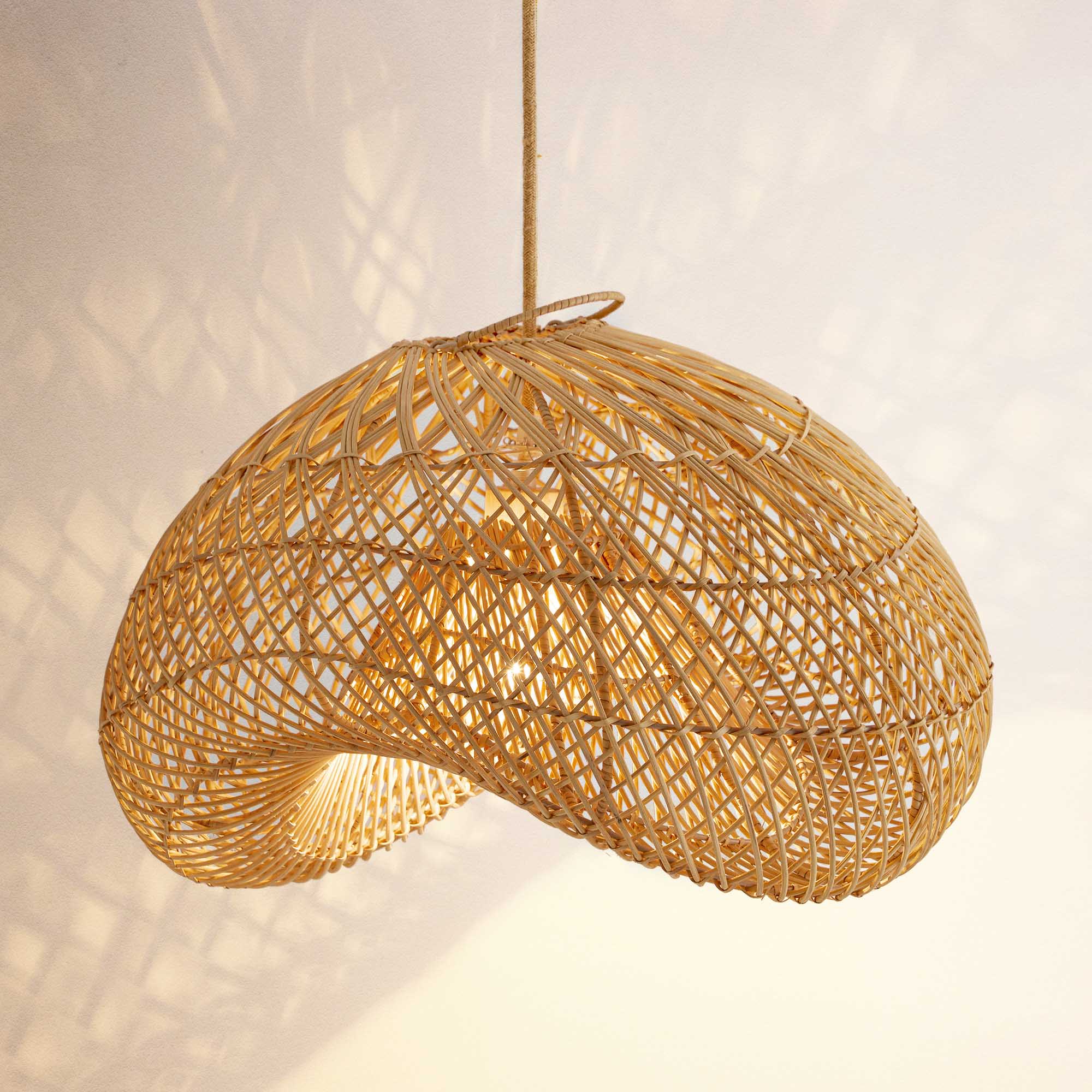
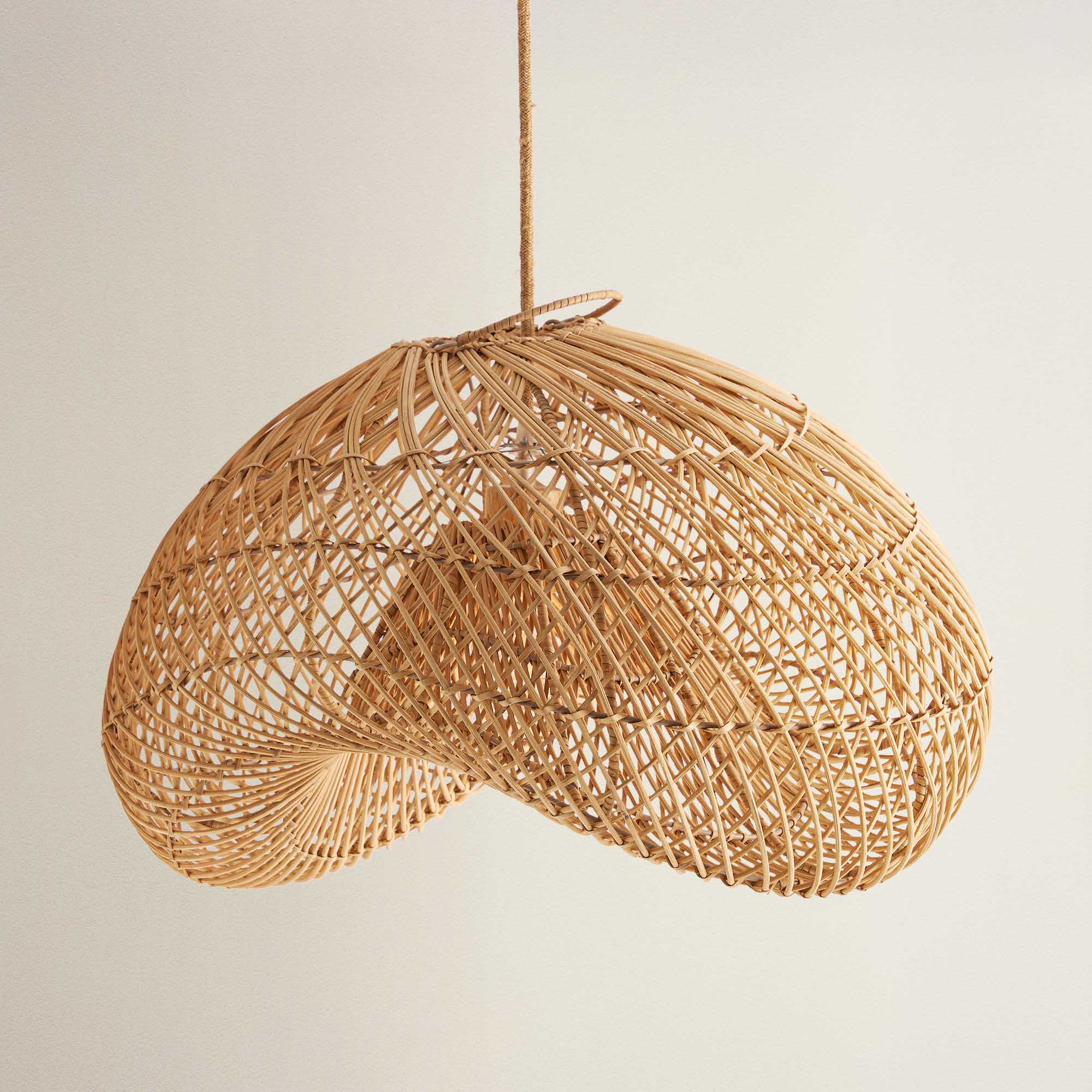
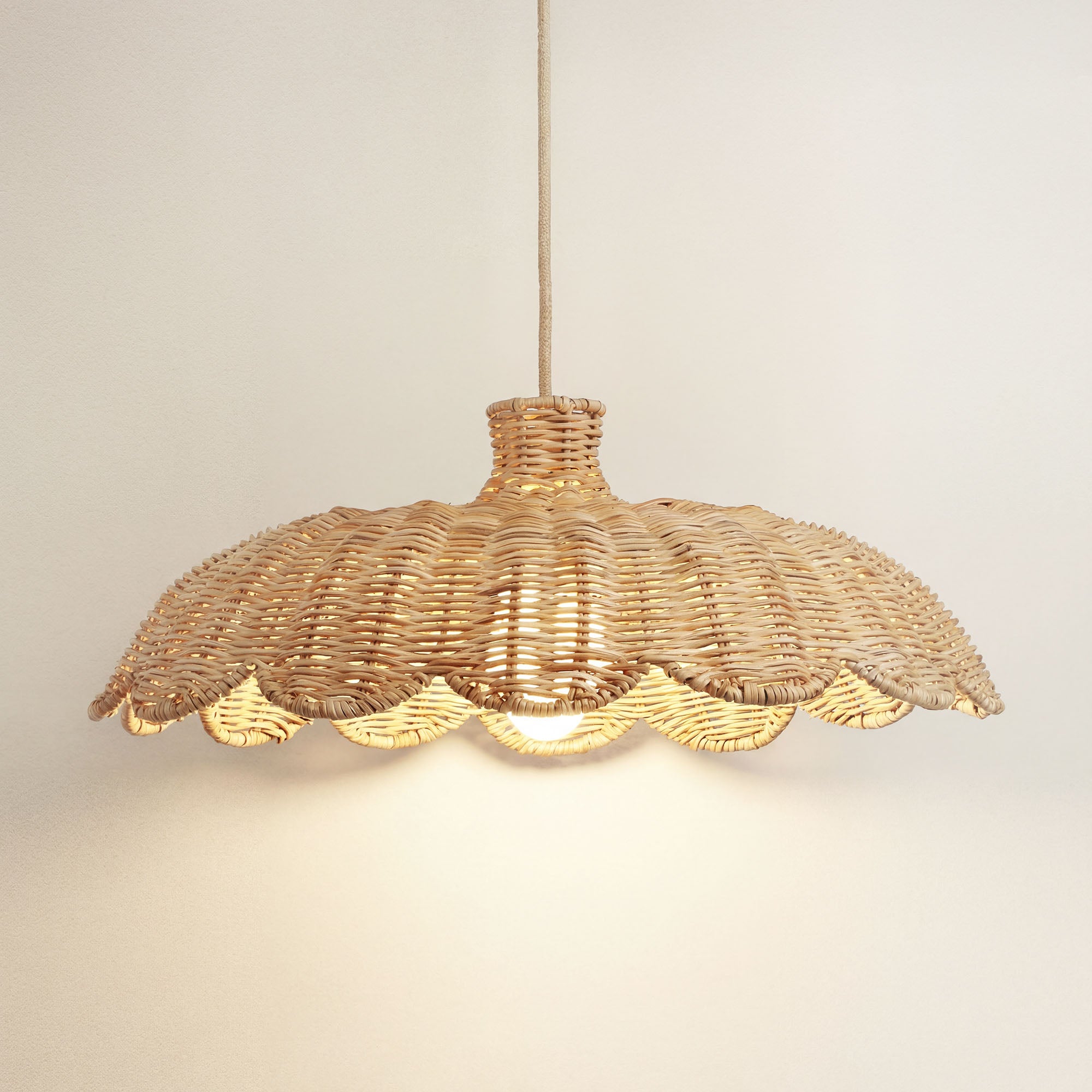
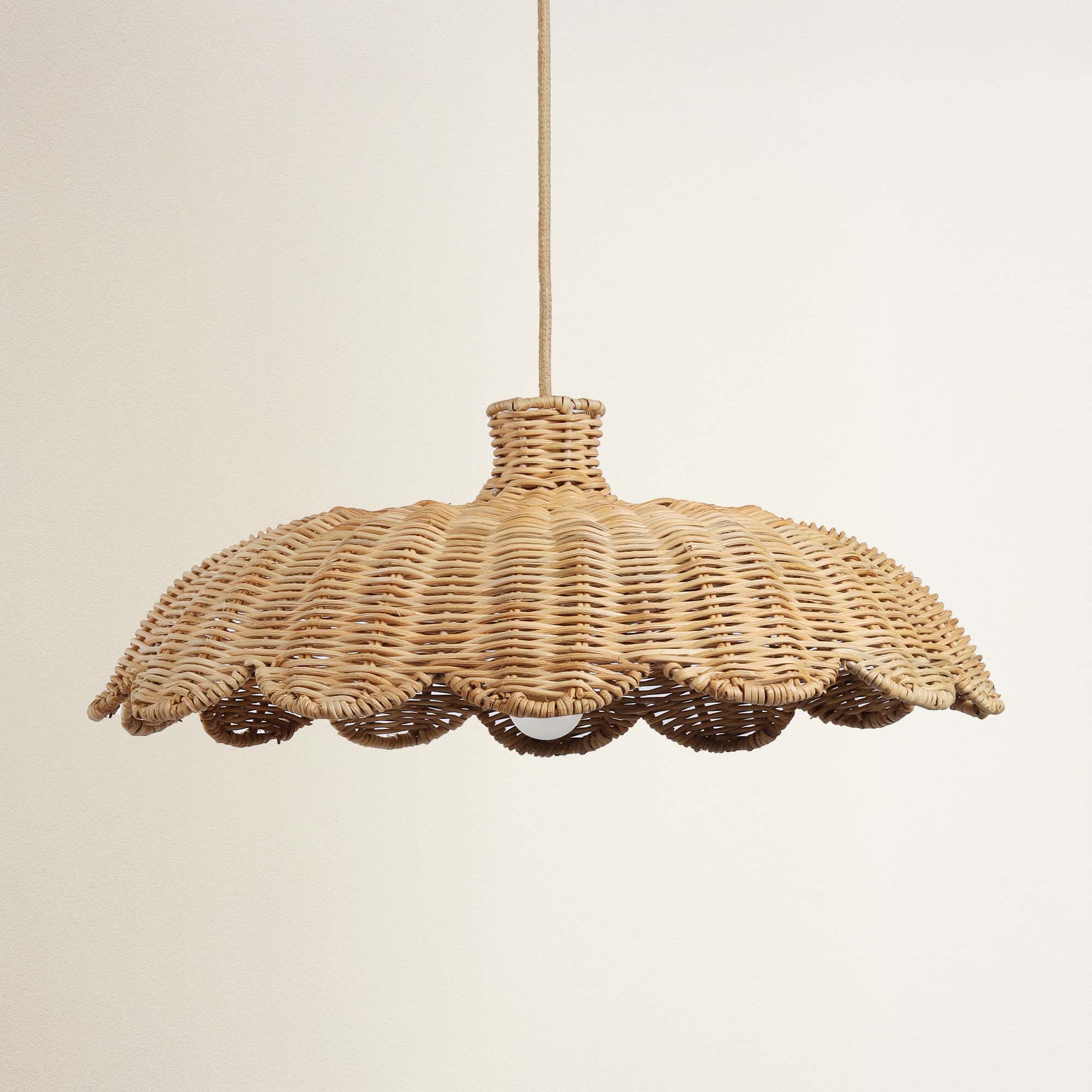
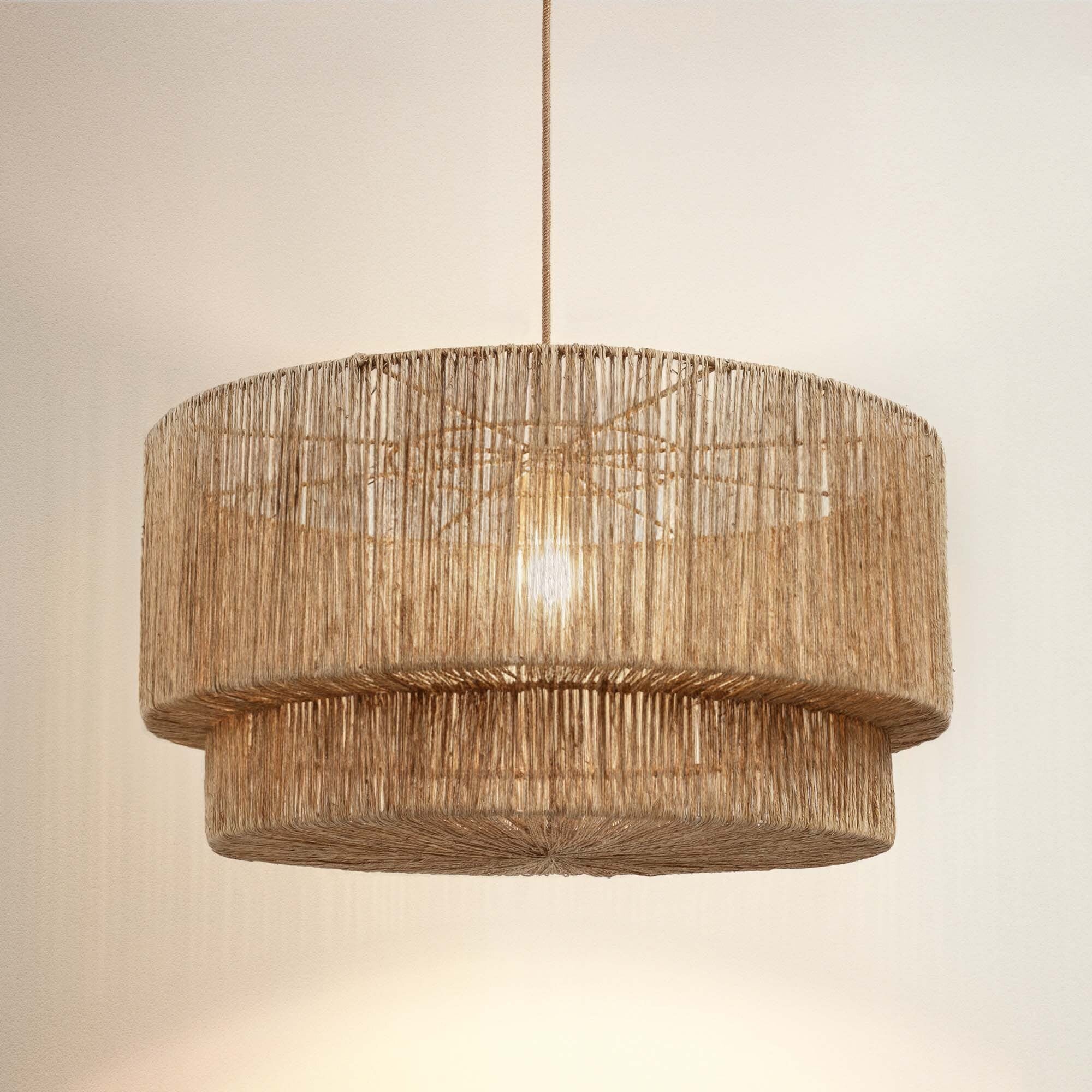
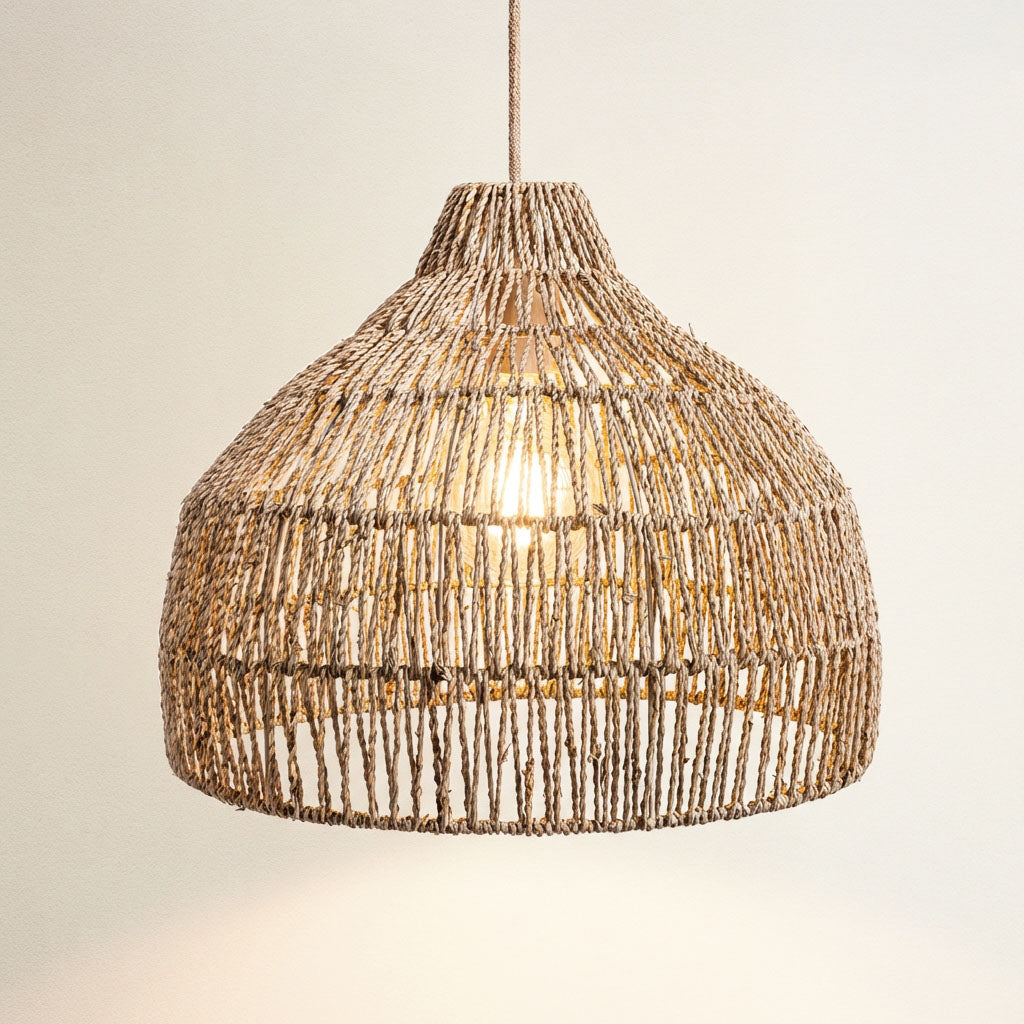
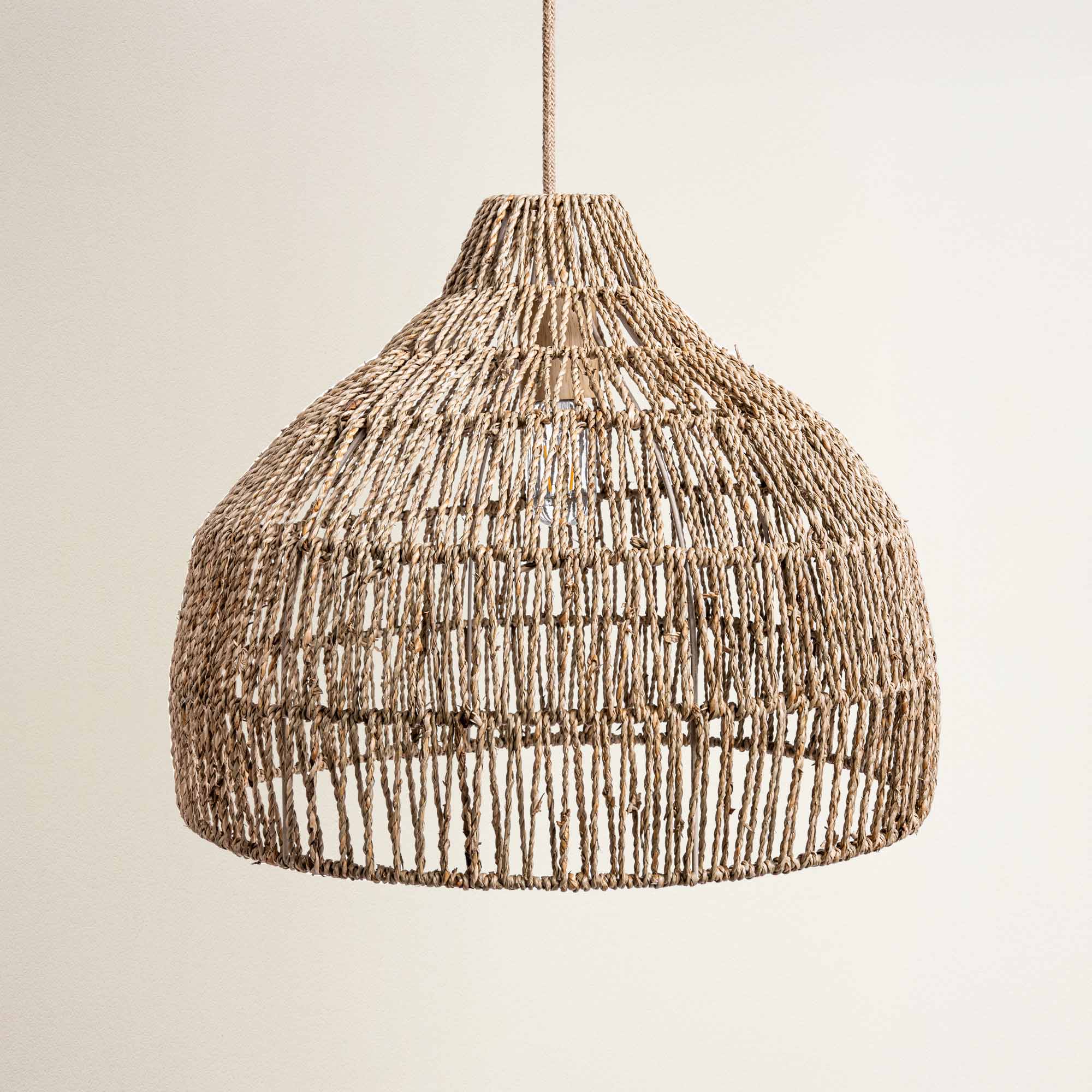
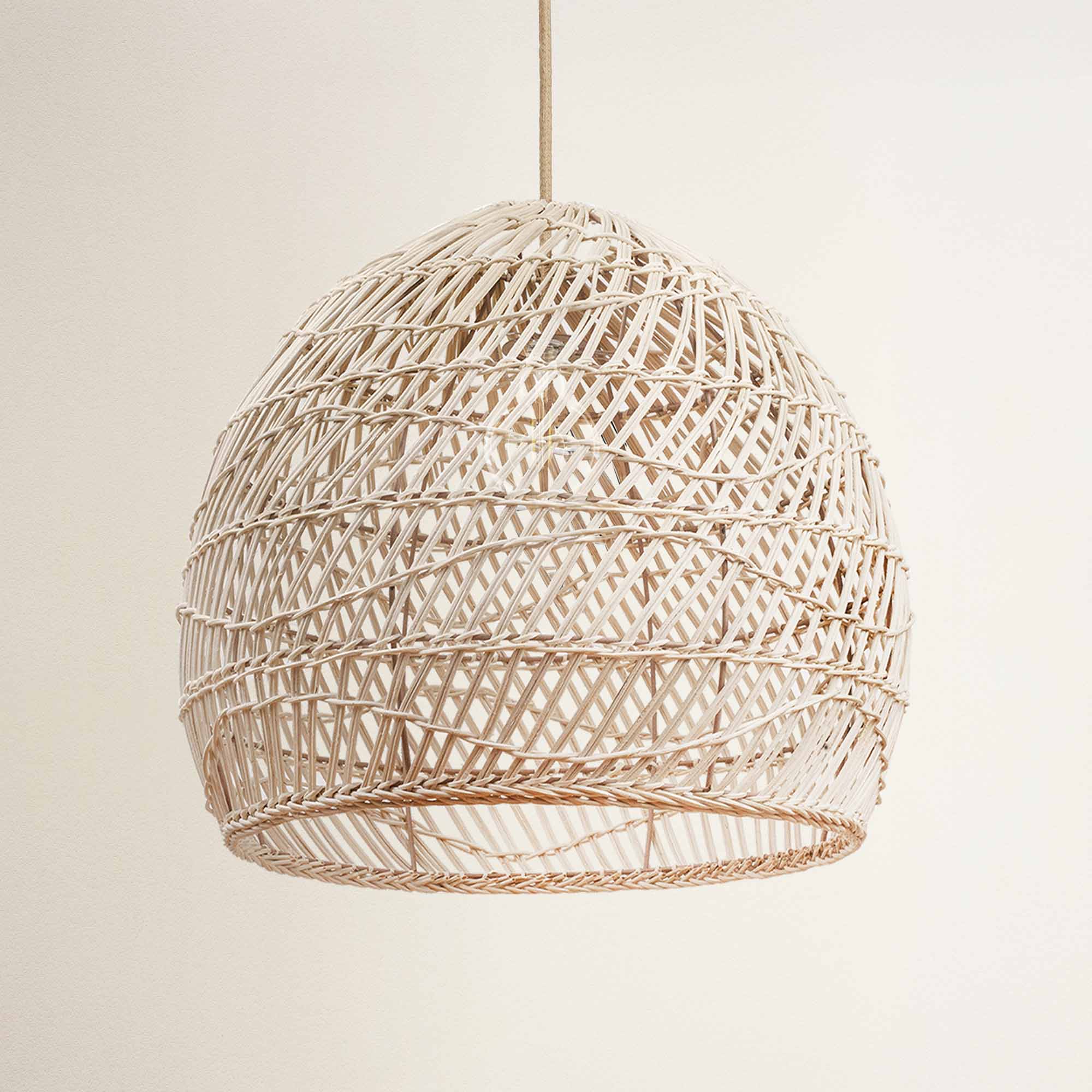
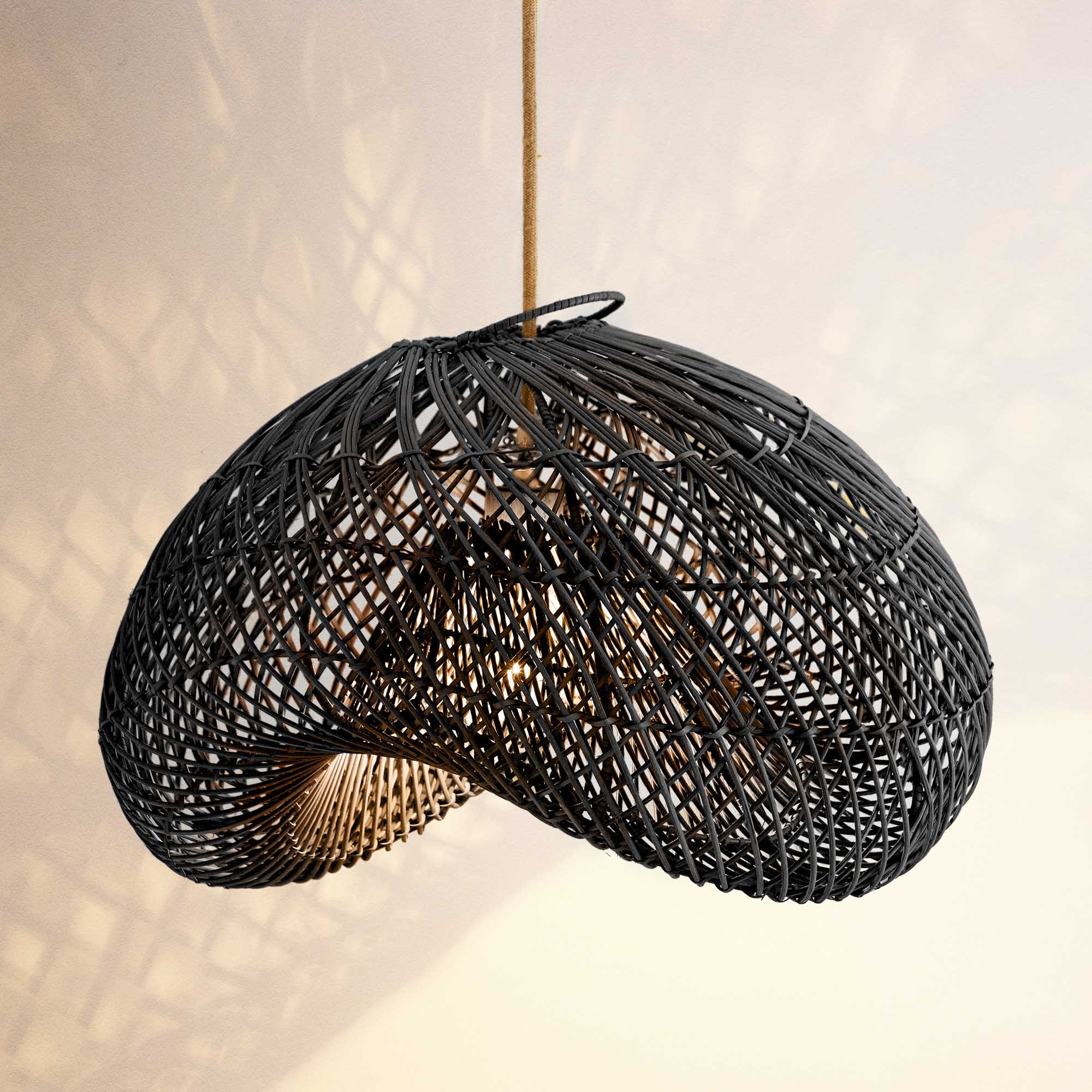
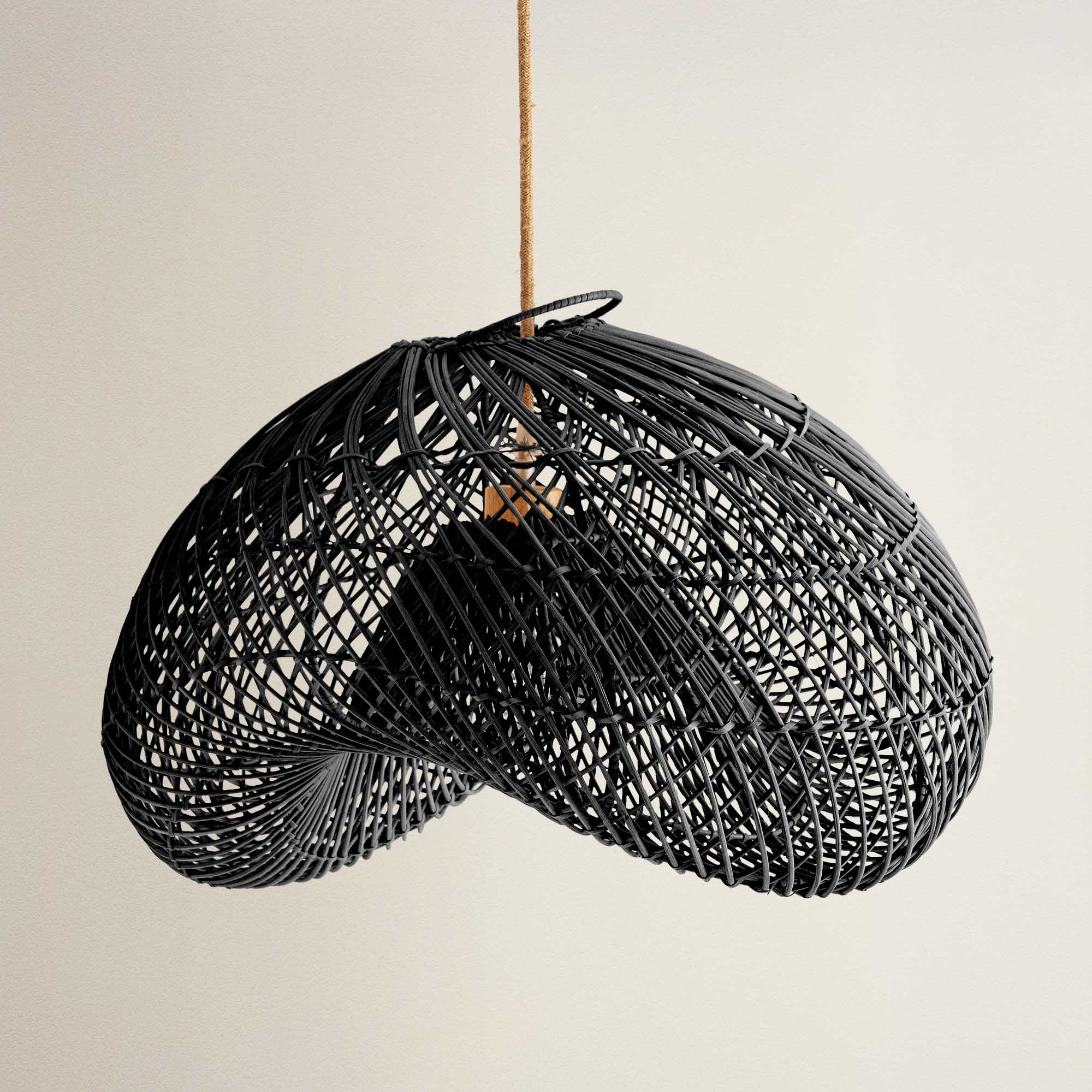
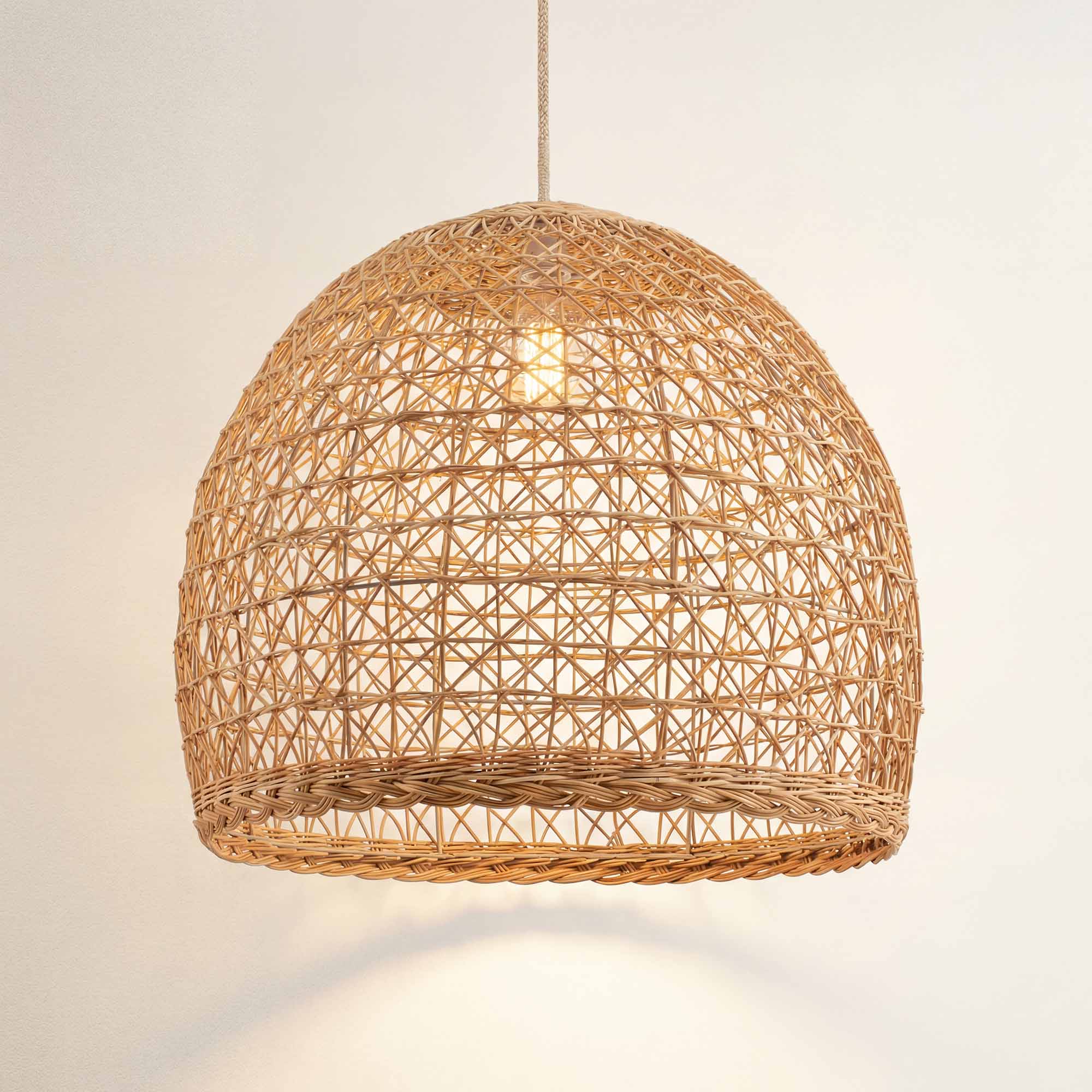
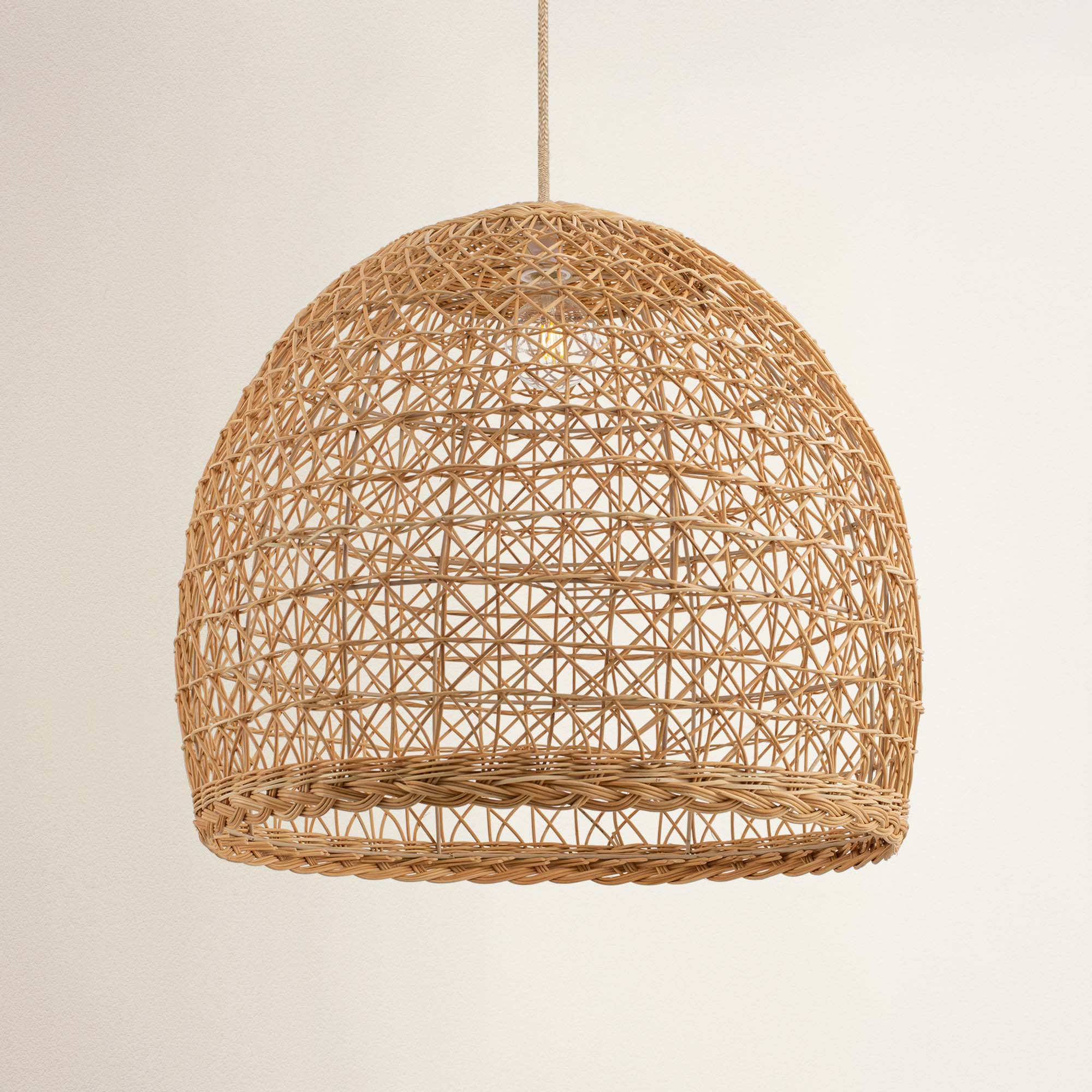
The quality of a fixture begins with the materials used in its construction. Natural elements such as hand-woven rattan and seagrass should feel substantial and exhibit tight weaving, not a flimsy appearance or the feel of imitations stamped from plastic.

Credit: Rowabi.
For metal fixtures, prioritize genuine metal thickness and a robust powder-coated finish over thin alloys with glossy plating that is prone to chipping. When it comes to glass, hand-blown pieces possess a uniform thickness and clarity that cannot be replicated by pressed, mass-produced glass.
What cheap fixtures omit: thin materials susceptible to denting, finishes that peel easily, and woven shades that warp or fade within a single season.
Light Quality
A superior fixture not only enhances a room's appearance when illuminated but also manages light effectively. Key considerations include glare, light diffusion, bulb compatibility, and dimmability.
Woven rattan, for example, filters light to create a warm, soft luminescence with considerable depth. High-quality glass diffuses light gently or produces a deliberate sparkle, while well-designed metal shades direct light precisely where needed. A fixture that accommodates standard bulbs and supports dimming offers significantly greater control over a room's atmosphere.
What cheap fixtures omit: harsh, flat lighting, restricted bulb options, and no dimming capabilities.
Safety
This is a crucial element that is easily overlooked but paramount to ensure. Look for UL listing or verified U.S. electrical compatibility, particularly for hardwired fixtures. Proper wiring, secure sockets, and certified components may not be aesthetically striking, but they are essential to ensuring your home's long-term safety.
What cheap fixtures omit: uncertified wiring and components that do not meet any recognized safety standards.


Scale
Even an aesthetically pleasing fixture can appear out of place if its size is inappropriate. Reputable brands provide precise specifications regarding diameter, height, and ceiling clearance to ensure the fixture complements the room as intended. A fixture that is too small can go unnoticed, while one that is too large can overpower the space.
A few simple rules make it easy for you to get right:
- Hanging a dining room or kitchen island light: leave about 30–36 inches between the bottom of the fixture and the surface below it (the table or countertop), and add roughly 3 inches of height for every extra foot of ceiling above the standard 8 feet.
- Sizing a kitchen island pendant or cluster: the combined width should span about one-half to two-thirds of the island's length, leaving a few inches of clearance at each end.
- Sizing a dining or living room fixture: add the room's length and width in feet, then aim for a fixture roughly that many inches in diameter (a 12-by-14-foot room suits a fixture around 26 inches wide).
Achieving the correct proportions is often what distinguishes a deliberately designed space from one that appears improvised.
Maintenance
Fixtures designed for longevity are also easy to maintain. For instance, natural rattan requires only occasional dusting and is best suited for indoor or covered outdoor environments to preserve its finish. Quality metal and glass components can be cleaned with a simple wipe and withstand the test of time.
Lasting fixtures are easy to live with, and each material has its own simple care routine:
- Rattan and natural fibers: dust occasionally with a soft brush, microfiber cloth, or a vacuum brush attachment, and a cool hair-dryer or burst of compressed air clears dust from the weave. Avoid soaking it, and keep it for indoor or covered outdoor use so humidity and direct weather don't dry out or warp the fibers.
- Metal: wipe with a soft, slightly damp cloth, then dry it immediately to protect the finish; skip abrasive cleaners, as they can scratch the powder coating or plating.
- Glass: clean with a lint-free cloth and a little glass cleaner (sprayed on the cloth, not the fixture) to keep shades clear and free of smudges.
Understanding how to care for a fixture and its intended placement is integral to its value as a long-term investment rather than a short-term purchase.

Credit: Rowabi.
The cost over time
The true expense of budget lighting is not its initial purchase price, but the cumulative cost of replacements. An inexpensive fixture that warps, becomes outdated, or fails is often replaced two or three times, at which point the total expenditure can equal the cost of a single, well-made piece.
Trend-driven designs exacerbate this issue: a style that seems fashionable now might appear dated in a few years, whereas a timeless silhouette can adapt to evolving decor trends.
For example, a trend-driven fixture at $80 that warps or dates out every three years means you buy it three times over nine years = $240 - and you're still left with a cheap-looking light. One well-made $200 piece kept for a decade costs less and looks better the entire time.
To illustrate these trade-offs clearly, here's a comparison of three tiers:
| Budget / Dupe (~$50–120) | Mid-range (~$130–350) | Premium Designer ($500–750+) | |
| Material | Thin alloy, plastic "rattan," pressed glass | Genuine rattan, real metal, quality glass | High-end natural & specialty materials |
| Craftsmanship | Mass-stamped, uneven finish | Hand-finished, consistent detailing | Artisan-made, bespoke detailing |
| Lifespan | 1–3 years before warping or dating | Many years, built to last | Decades, often heirloom-quality |
| Cost over time | High - frequency replacement | Low - buy once, keep for years | Low, but at a premium entry price |
| Best for | Temporary spaces, rentals, low-visibility utility lighting | Statement pieces in the rooms you live in | Showpiece rooms and collectors who want artisan detail |
Investing wisely from the outset is, quite simply, the most dependable method for saving money, a subtle form of value that yields returns over many years of living.
Where to spend on home lighting
Allocate your budget to statement lighting in high-impact areas such as kitchen islands, dining rooms, and entryways, where fixtures are visible daily and significantly influence the room's character. These are the pieces that first capture attention and are most frequently experienced, thus providing daily returns on your investment.
If you choose to splurge in only a few locations, ensure those choices are impactful. Here's where a high-quality fixture truly proves its worth:
- Kitchen island: This central hub of the home deserves a fixture that is both robust and aesthetically pleasing. A well-crafted pendant or a pair of pendants effectively grounds the entire kitchen space and withstands daily usage.
- Dining room: A space for gathering, lingering, and connecting over meals. An inviting and thoughtfully chosen fixture elevates the entire dining experience, making the room feel intentional and even enhancing the appearance of the food under the right light.
- Entryway / Living room: This area is the first impression of your home, setting the tone the moment guests arrive. Statement options imbue a space with its unique character and warmth.
Understanding where to invest is only part of the equation; the other is knowing where you can judiciously economize.

Credit: Rowabi.
Where to save on home lighting
Opt for cost-effective solutions for purely functional lighting in secondary areas, including hallways, closets, and secluded reading nooks, where the fixture's primary role is utility. In these spaces, simple and budget-friendly choices are not a compromise but rather a smart allocation of your financial resources.
- Hallway recessed lights, closet lighting, and utility fixtures: The lighting in a linen closet is unlikely to be a focal point of admiration. Minimalist, affordable options are perfectly suitable for these applications.
- The guiding principle: Invest in fixtures that are most prominently seen and felt, and save on those that merely need to provide adequate illumination.
This balanced approach, spending intentionally and saving deliberately, forms the basis for achieving a designer aesthetic without incurring a designer price tag.
How to get a designer lighting look without overspending
You do not need the most expensive fixtures to achieve a designer appearance. Select timeless, adaptable pieces crafted from natural materials, designate one statement light as the room's focal point, and prioritize quality where it will be most noticeable. A sophisticated ambiance is achieved through thoughtful design, not necessarily a high price point..
Here's how to attain that refined, cohesive look while maintaining budget control:
- One well-executed statement light: A single, quality fixture serving as the room's centerpiece achieves more than a collection of inexpensive lights ever could. Direct your investment towards the area that first draws the eye.
- Subtle luxury, not ostentation: The most enduring interior designs favor understated elegance over fixtures that overtly seek attention. For example, a Modern Organic piece exudes refinement precisely because it is not attention-grabbing. This reflects the ethos upon which Rowabi is founded.
- Versatility equates to savings: A fixture that complements various styles, from modern urban to rustic farmhouse to minimalist Japandi, is one you will not need to replace as your tastes evolve. Versatility inherently offers value.
- Transparent quality: With the appropriate brand, your expenditure goes towards meticulously finished materials and thoughtful design, rather than inflated marketing costs. This ensures your investment is maximized.
Once you understand what to look for, a quick mental checklist simplifies the shopping process significantly.

Credit: Rowabi.
FAQs
Is expensive lighting truly worth the cost?
- Often, yes. However, "expensive" and "worth it" are not synonymous. A well-constructed fixture in the mid-price range typically offers the best value, providing years of service and a timeless appearance, while exceptionally high-end designer pieces command a premium for artisanal detailing. The crucial factors are quality and durability, not merely a high price tag.
How can I achieve an expensive look for my home lighting on a limited budget?
- Invest in a single, quality statement fixture for a high-impact area, such as the dining room or entryway, and maintain simplicity in functional spaces. Selecting timeless designs made from natural materials, rather than trend-driven shapes, instantly imparts a more considered and upscale feel.
Which lighting materials offer the greatest longevity?
- Genuine, well-maintained materials ensure the longest lifespan: tightly woven natural rattan and seagrass, solid powder-coated metal, and hand-blown glass all hold up exceptionally well over time. The distinction lies in the quality of the material and its finish: real rattan outlasts plastic imitations, and thick metal is superior to thin, plated alloys.
Should all the light fixtures in a house be identical?
- No, fixtures do not need to match, but they should complement each other. Aim for a cohesive feel through shared materials, finishes, or a consistent design philosophy, rather than identical pieces throughout every room. This creates a home that feels unified without being monotonous.
What is the expected lifespan of a light fixture?
- A quality fixture should endure for many years, often a decade or more, with minimal upkeep. Conversely, budget-friendly fixtures often require replacement within 1 to 3 years as finishes fade, materials warp, or the design becomes outdated.
How can I ascertain the quality of a light fixture before purchasing?
- Examine the weight and feel of the materials, the uniformity of the finish and joints, and whether the manufacturer provides clear dimensions and safety certifications.
What differentiates cheap lighting from expensive lighting?
- Cheap lighting typically employs thin materials, mass-produced finishes, and designs focused on fleeting trends that quickly become outdated. Higher-quality lighting utilizes authentic, durable materials, meticulous craftsmanship, and timeless silhouettes, resulting in greater longevity and enhanced appearance, ultimately costing less over time despite a higher initial price.
Which light fixtures contribute most significantly to a home's perceived value?
- Statement fixtures in highly visible areas, such as pendants over kitchen islands, dining room lights, and entryway fixtures, offer the greatest perceived value, as they shape initial impressions and influence a home's daily atmosphere. These are the pieces that warrant an investment.
Conclusion
Ultimately, lighting is one of the subtle elements that profoundly influences how a home feels. Choosing a fixture designed for durability is not merely about spending more; it's about investing in the comfort and enduring appeal of your personal space for years to come.
Should you desire assistance in finding pieces that align with your home, your style, and your budget, the Rowabi team is always available to help you make confident selections. And warmly welcome to explore our collection at your leisure