The solution designers use is layered lighting: three distinct types of light that can be combined or dimmed independently to match whatever the room needs at any given moment. This guide from Rowabi’s expert will help you set up the right lighting system for a kid's room for function, ambiance, and aesthetics.
What is the best layered lighting setup for a kids room?
A cozy kids room needs more than one ceiling light. Start with a warm ceiling fixture for general brightness, add a wall sconce or reading lamp near the bed or homework zone, then use a soft accent light for the wind-down that leads into sleep. Those three layers (ambient, task, and accent) turn a kids room from a room that has lighting into a room that responds to life.
Five decisions that cover most kids bedrooms:
- Use three layers: ambient for general brightness, task for reading and homework, and accent for bedtime mood
- Start with a safe close-to-ceiling fixture for ambient light, such as a flush mount or semi-flush for most rooms
- Add a wall sconce or reading lamp for focused task lighting near the bed or desk
- Use a dimmable night light or low-output sconce as the accent layer for nighttime
- Choose warm LED bulbs (2700K–3000K) throughout and a dimmer on the ambient fixture for maximum flexibility
The core problem: why one ceiling light is never enough
A single overhead light turned on at full brightness does one thing well: it illuminates a room. What it cannot do is adjust; it is either fully on or fully off, which means the room is either flooded with flat, even light or dark. That flatness is the enemy of coziness: a high-output ceiling fixture shining straight down casts hard shadows, flattens depth, and makes a bedroom feel more like an examination room than a place a child wants to settle into at the end of the day.
45-Day Return
45-Day Return
45-Day Return
45-Day Return
45-Day Return

45-Day Return
45-Day Return
45-Day Return
45-Day Return
45-Day Return
45-Day Return
45-Day Return
Coziness in a room comes from light arriving from multiple directions at different intensities. When light wraps around a space rather than raining down from a single source, it eliminates the harsh shadows, softens the corners, and creates the layered, dimensional quality that makes a room feel warm and inhabited. That is the logic behind layered lighting. And once a room has it, the difference is immediately felt.
Layer 1: Ambient lighting - the cozy foundation
Ambient lighting is the foundational layer: the source that provides enough general brightness for the room to be safely navigated and actively used. Getting this layer right is where most kids room lighting setups go wrong, because the natural instinct is to install the brightest possible overhead fixture and assume that more light means better coverage.
Flush-mount lights for low-ceiling safety
For rooms with ceilings at 8 feet or below, a flush-mount ceiling light is the safest and most space-efficient choice. It sits flat against the ceiling with no drop, which means no hanging fixture gets bumped during energetic play, no pendant hangs within a child's reach while standing on a bed, and the room's full vertical space stays open.
Semi-flush lights for standard 8-foot ceilings
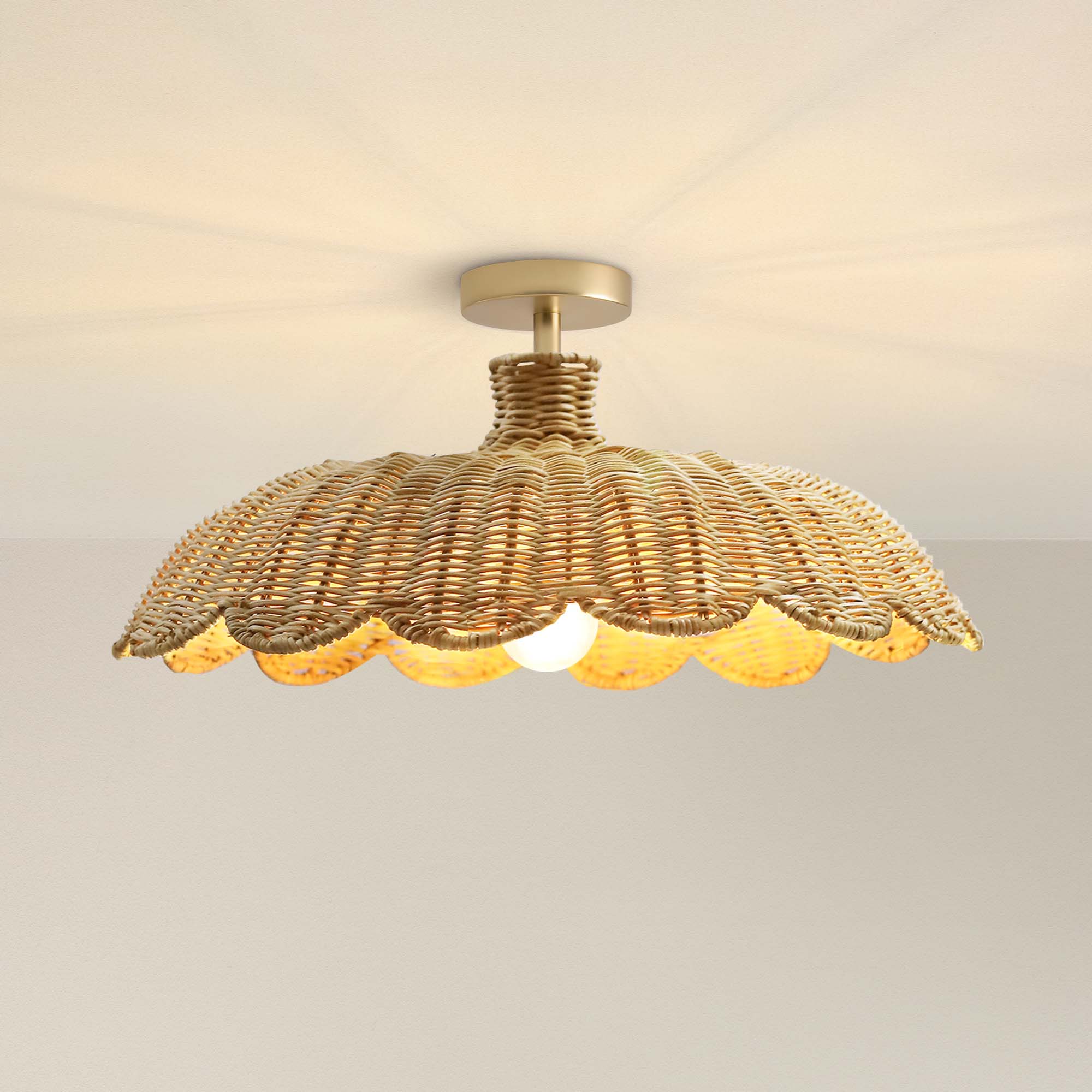
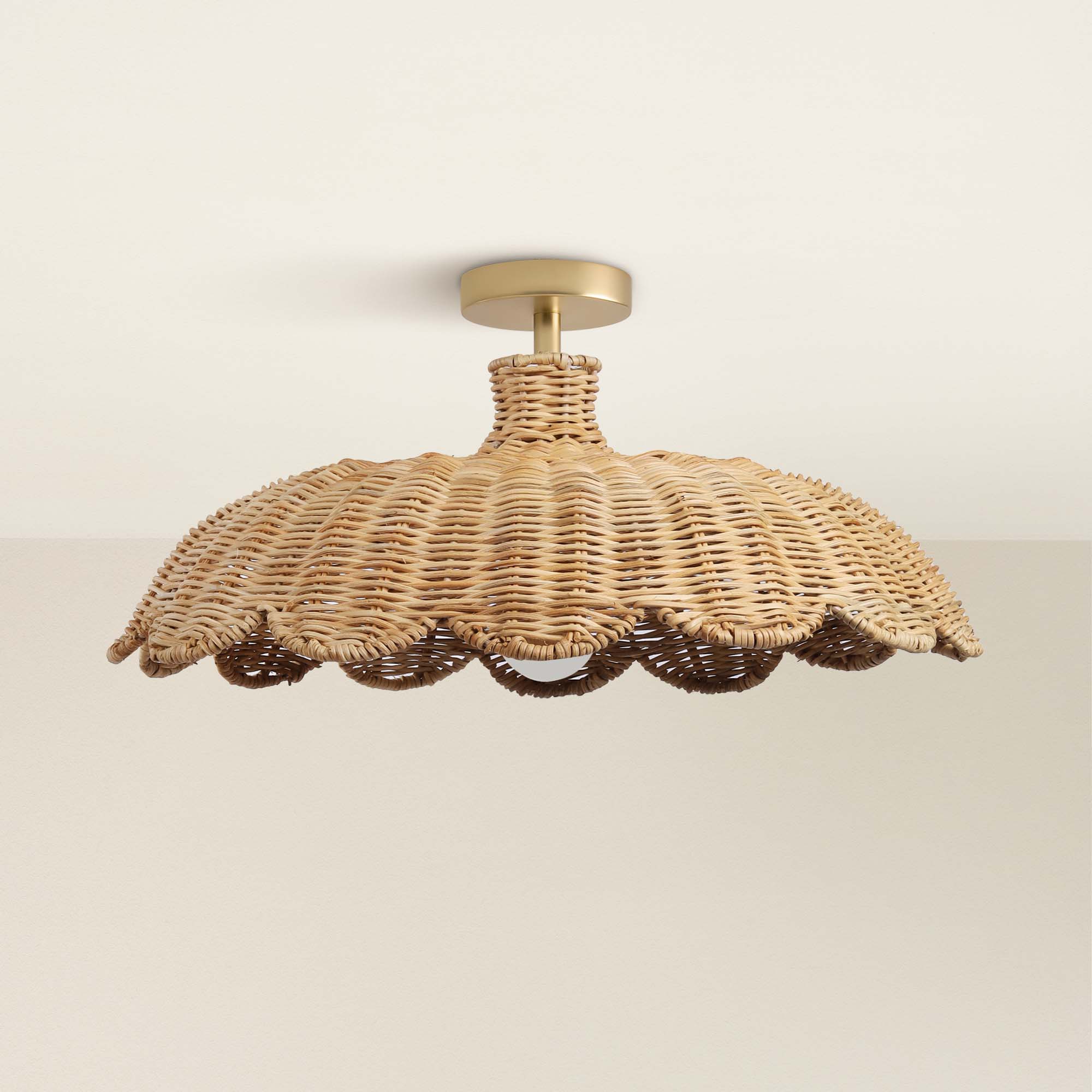
A semi-flush mount drops 4–12 inches below the ceiling, creating enough visual separation to feel like a real ceiling fixture while still maintaining safe clearance. The slight air gap allows some light to bounce off the ceiling, creating a gentle reflected glow that makes a room feel taller and more open than a flat ceiling fixture would.
For a standard 8-foot kids bedroom, a semi-flush mount is often the best balance between presence and practicality.

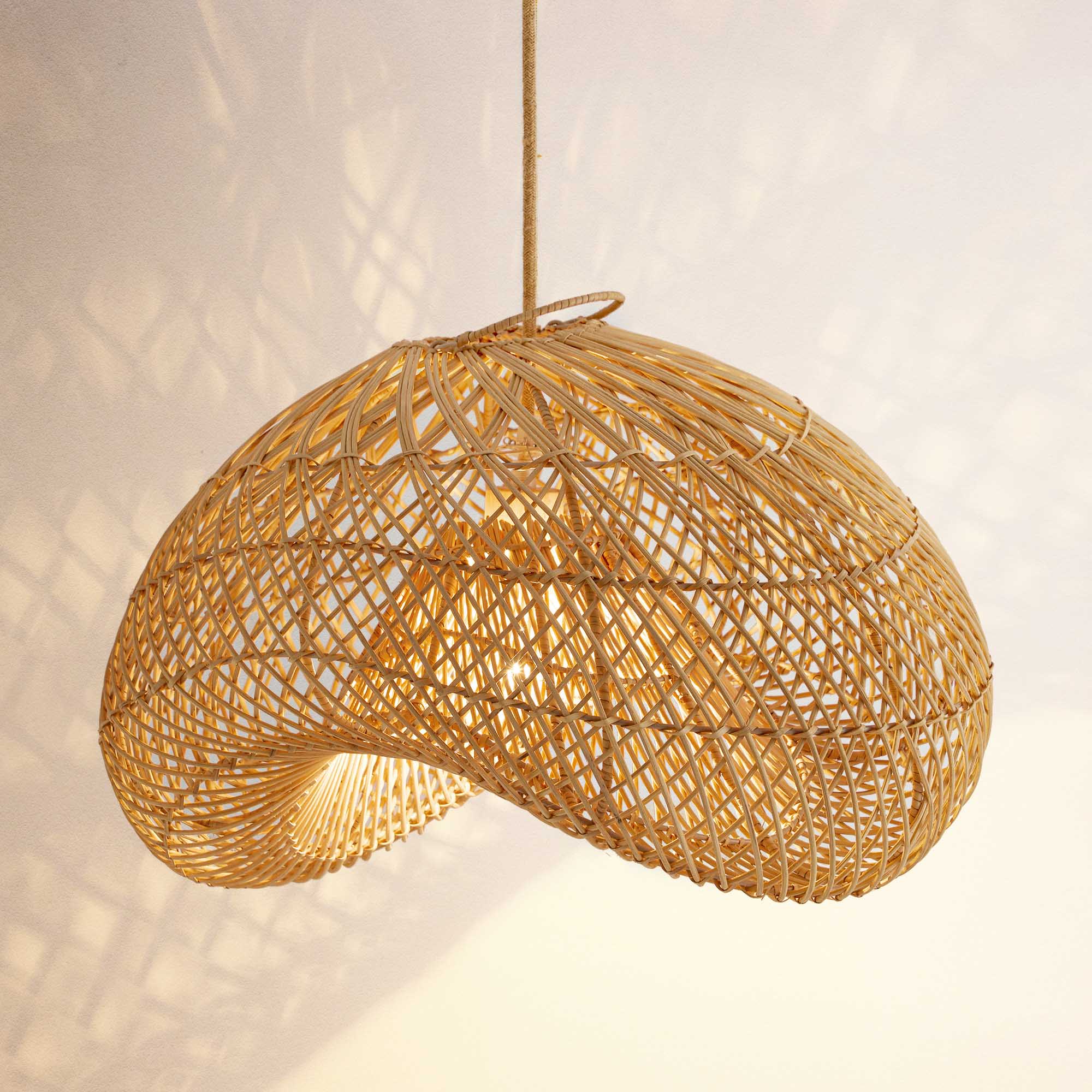
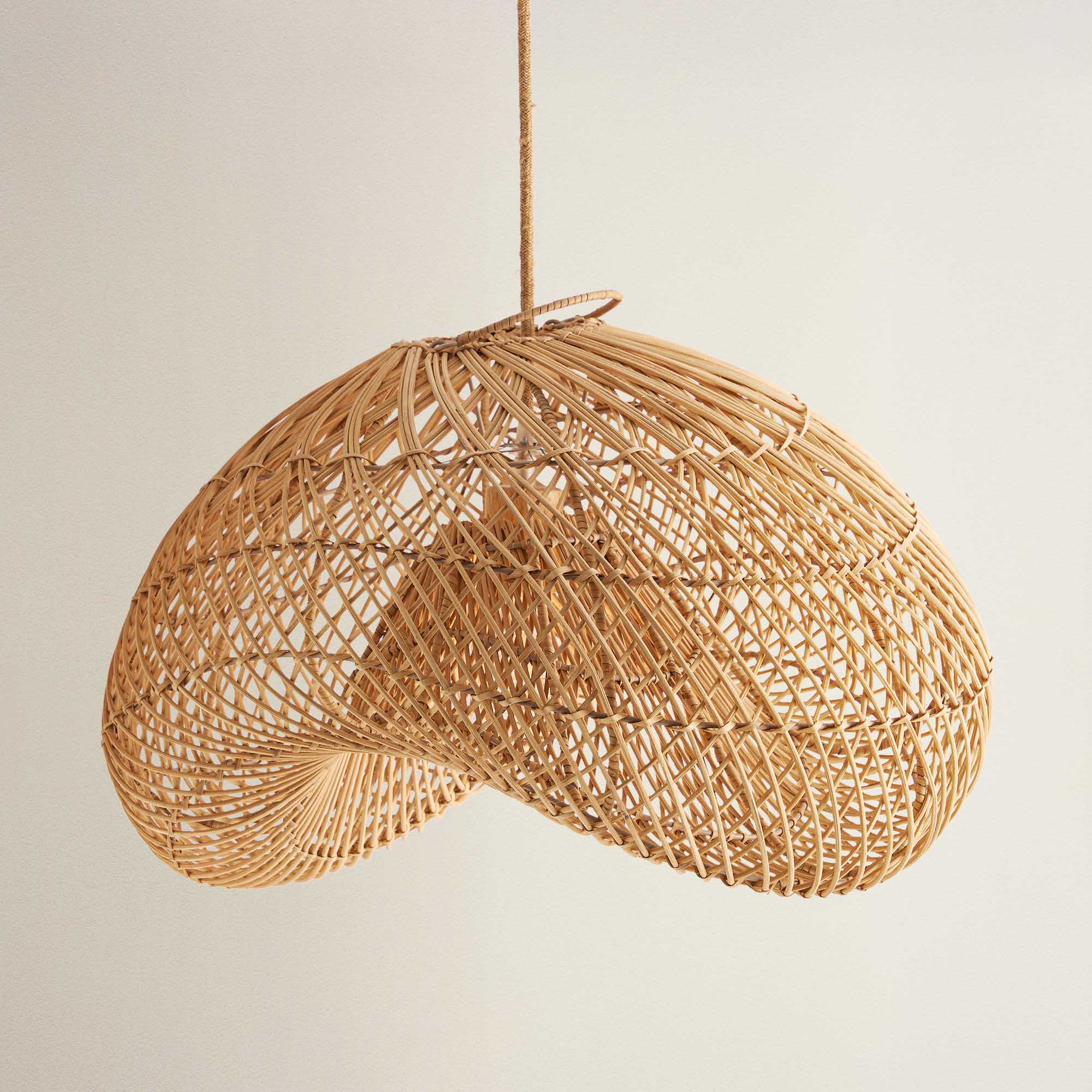
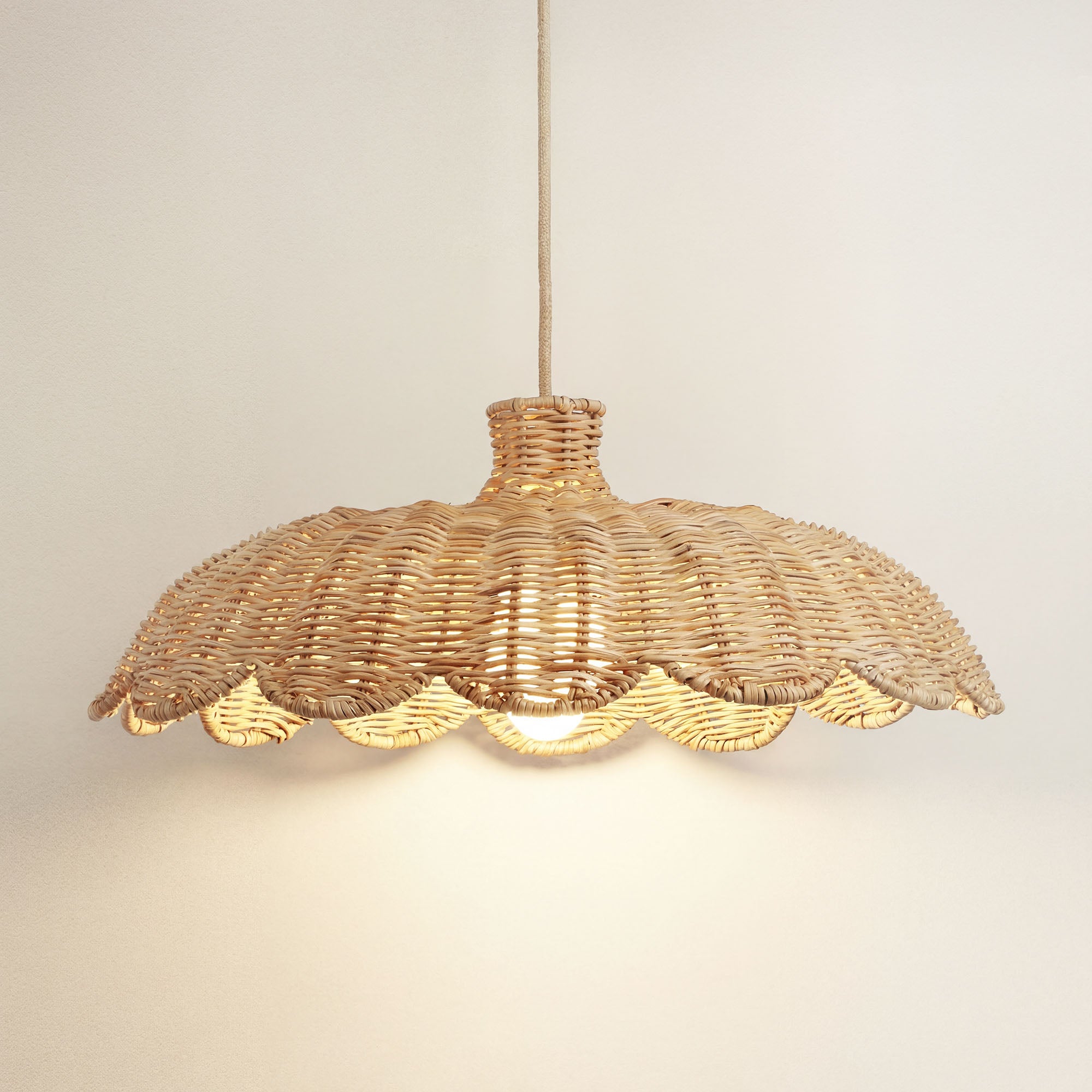
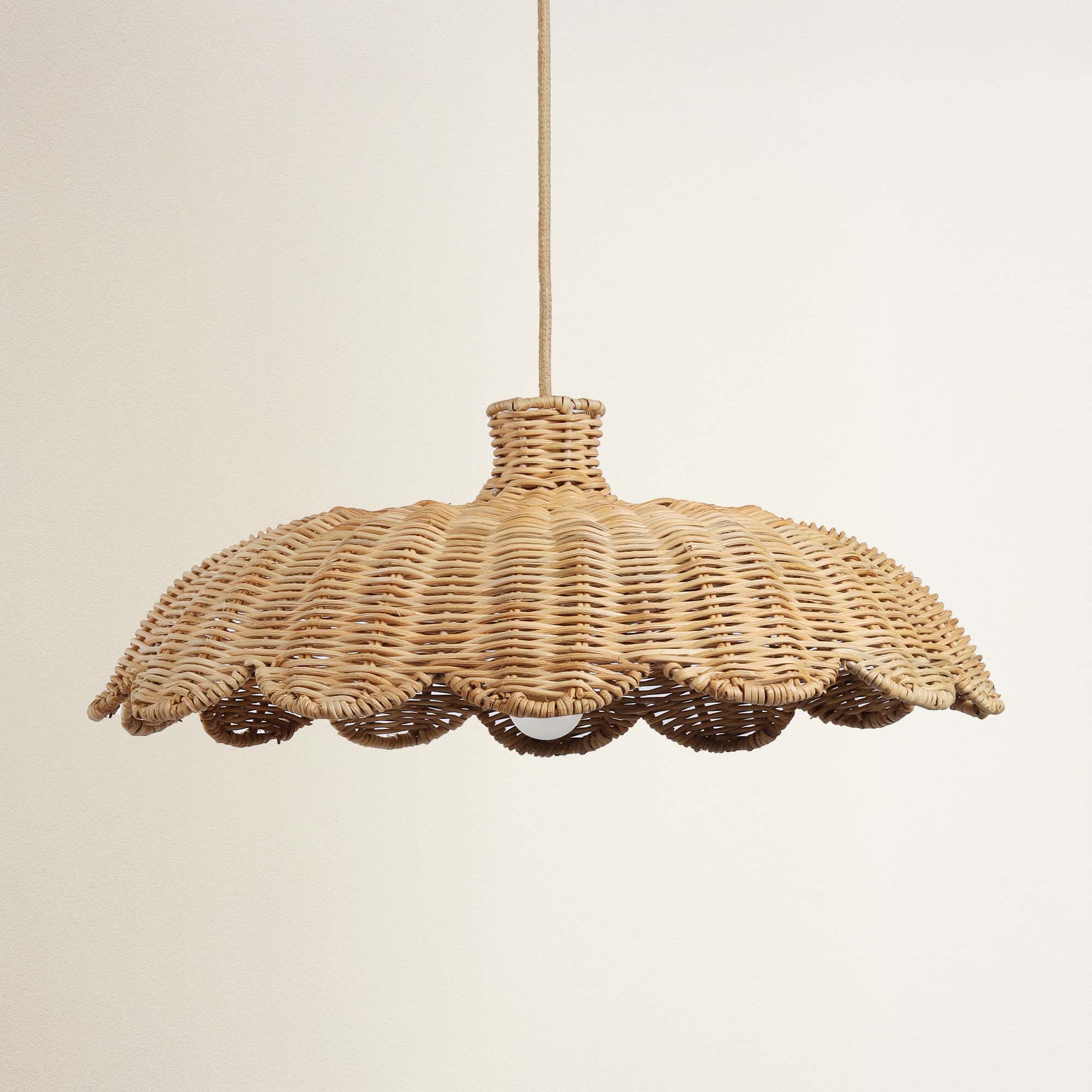
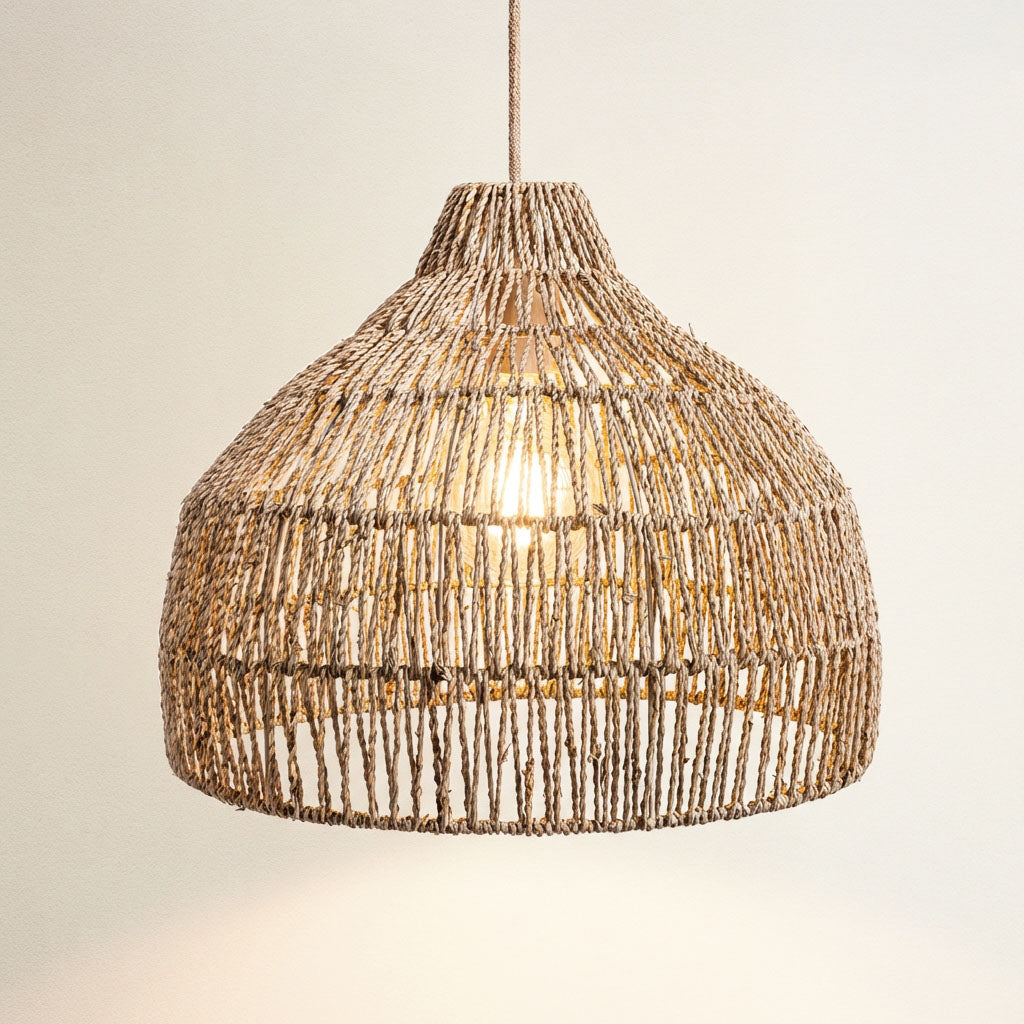
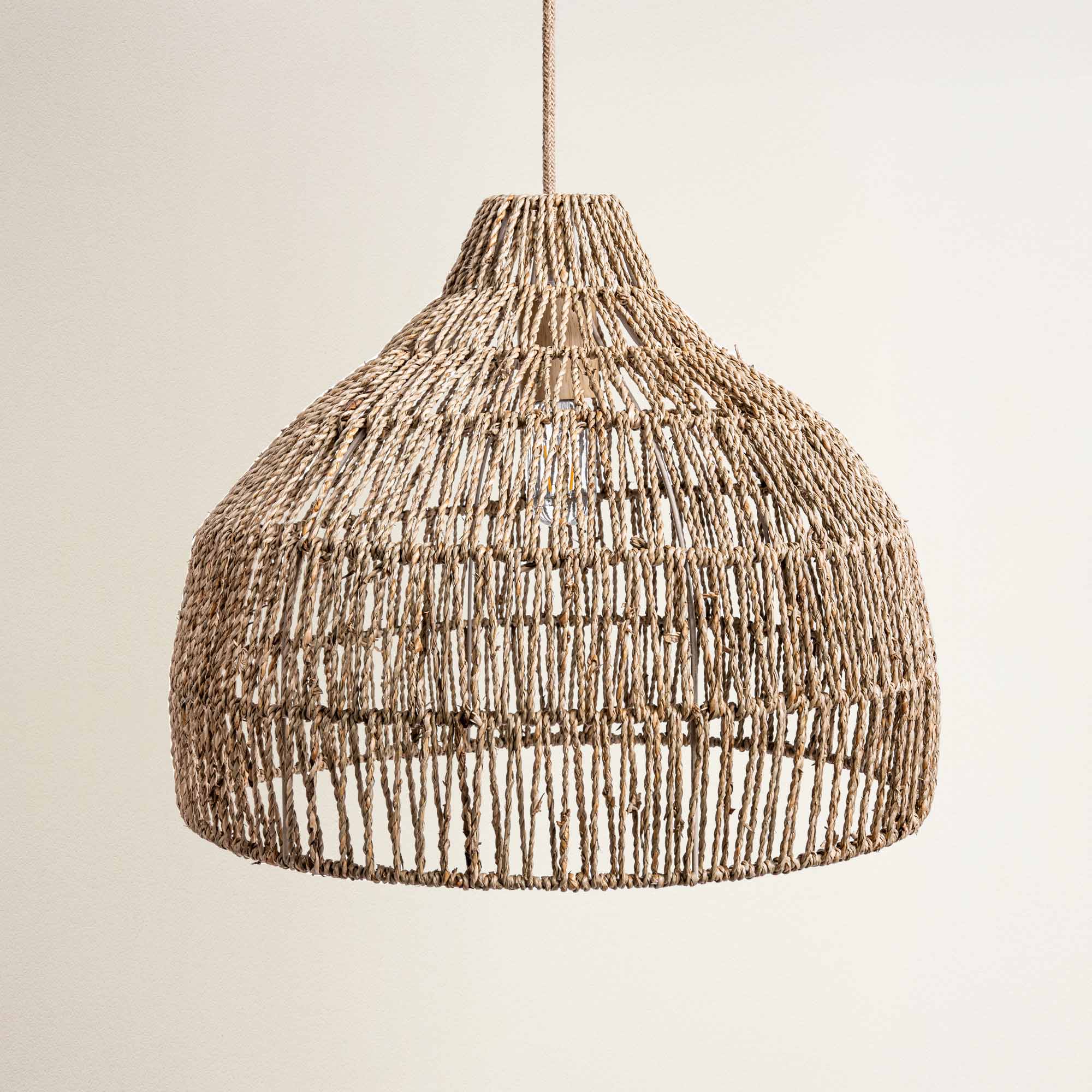
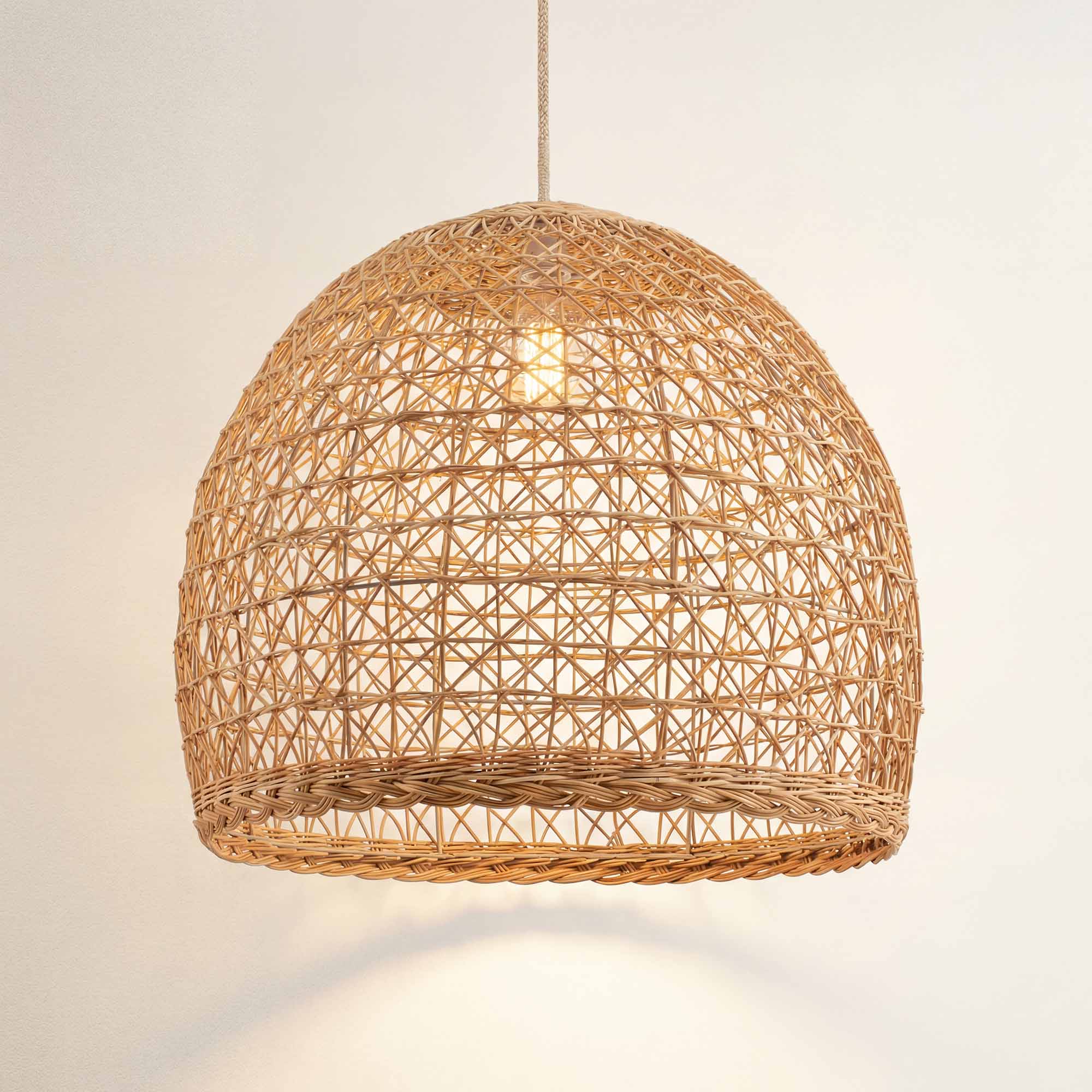
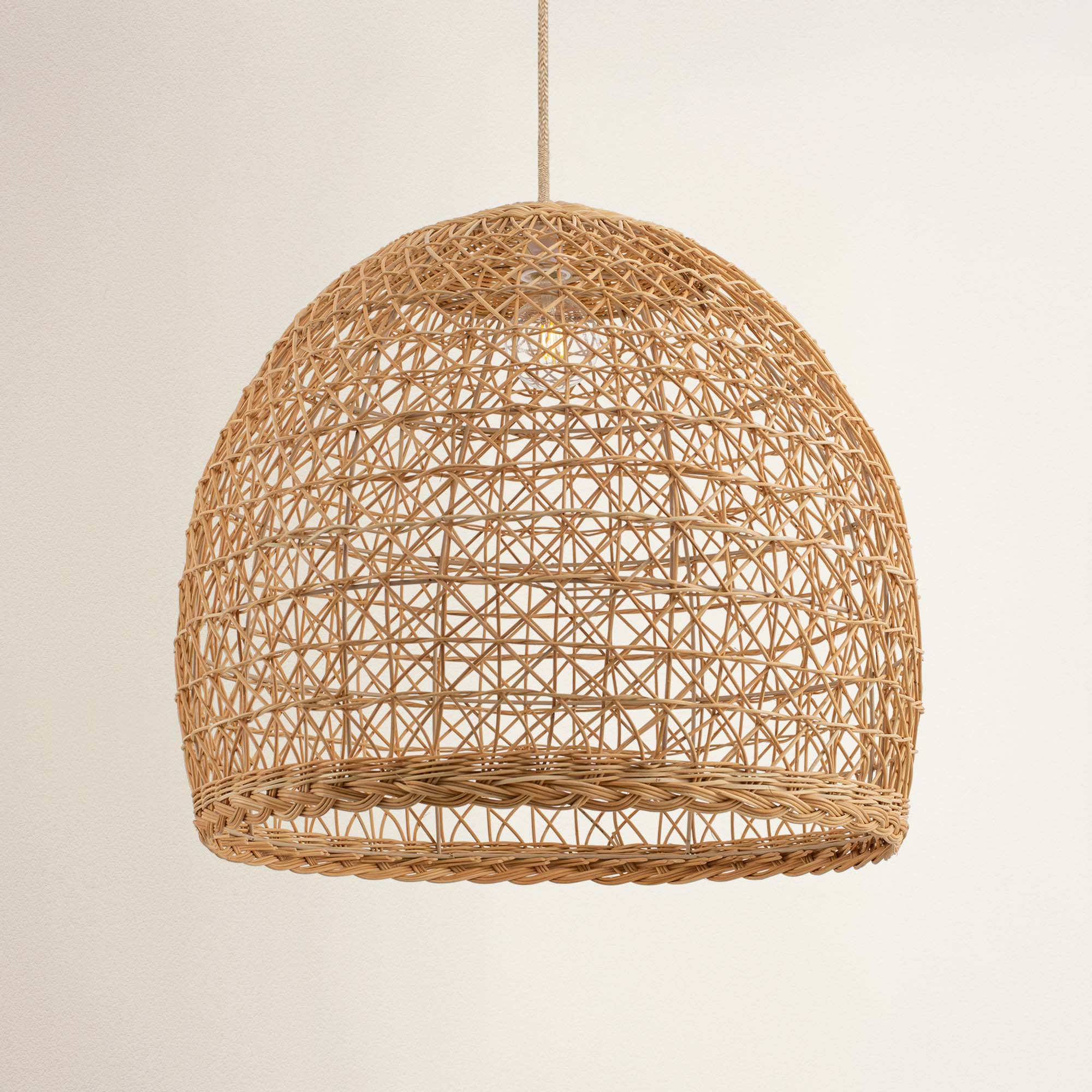
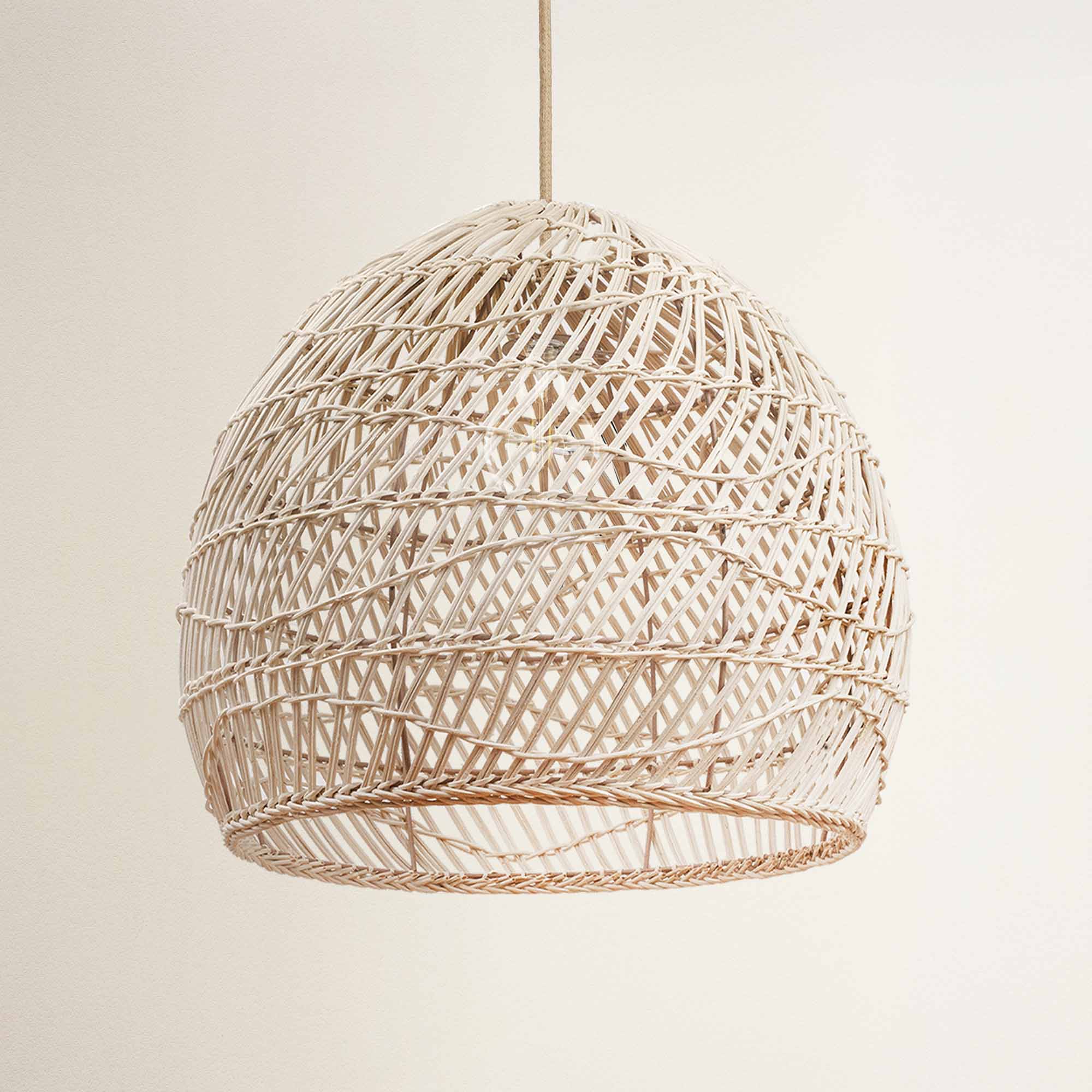
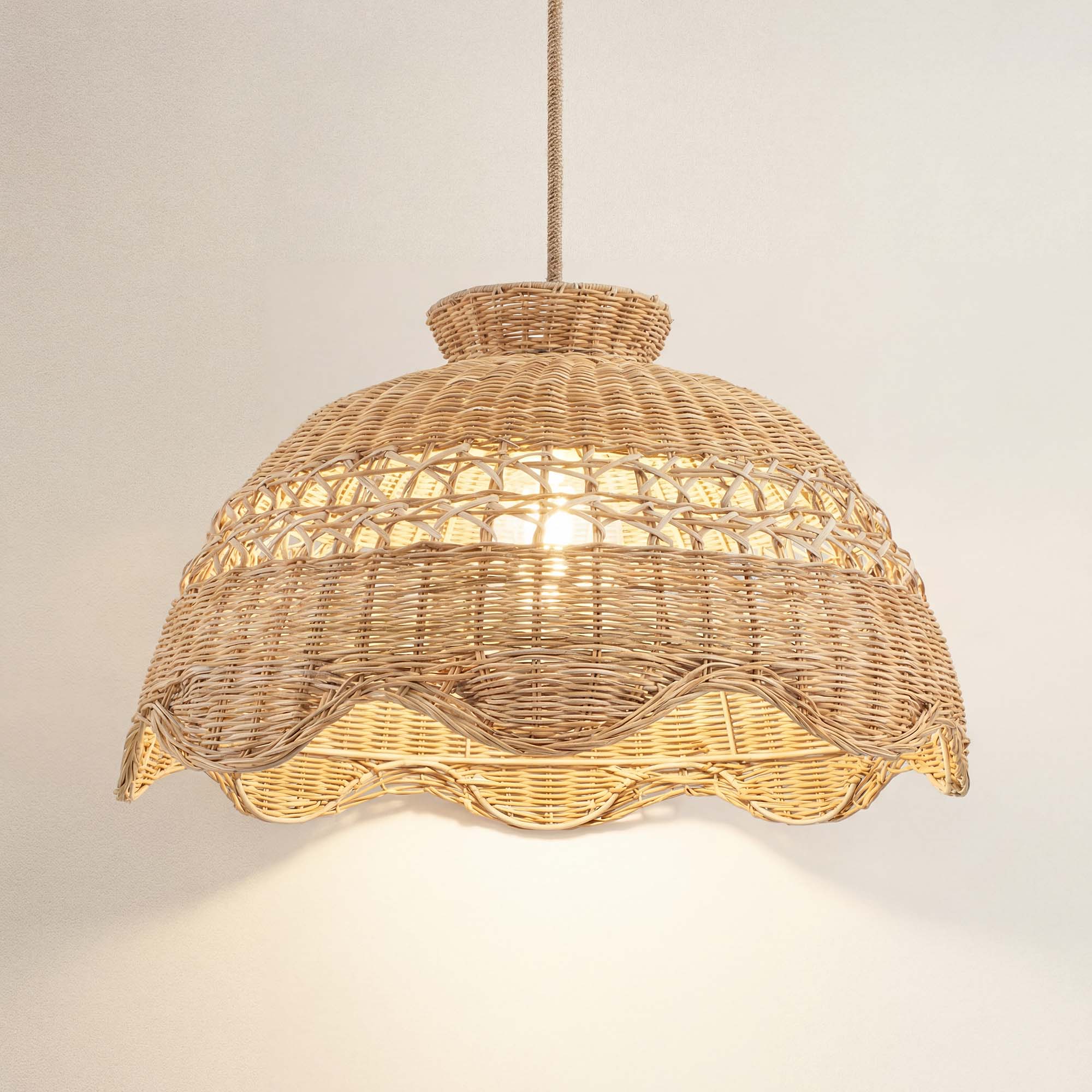
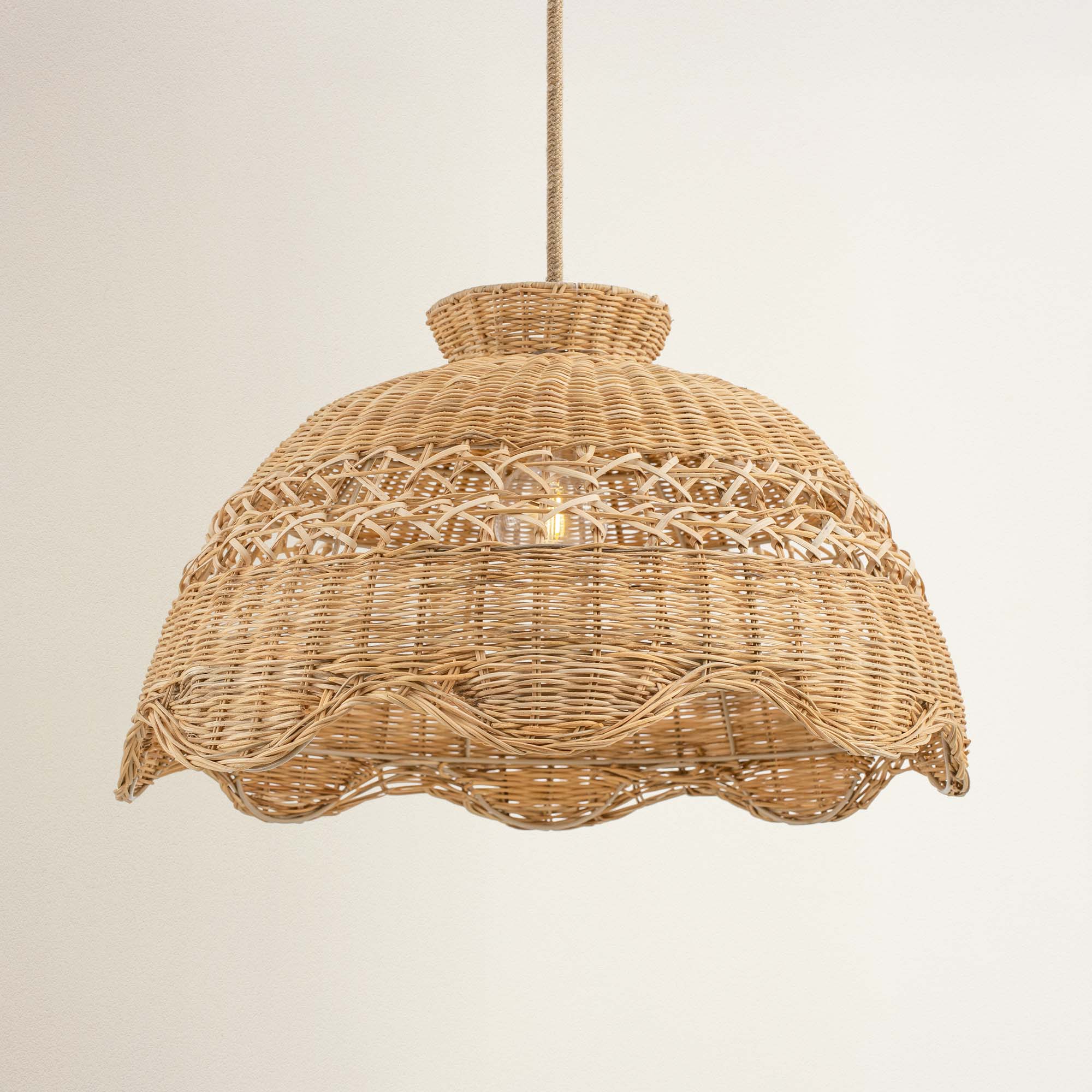
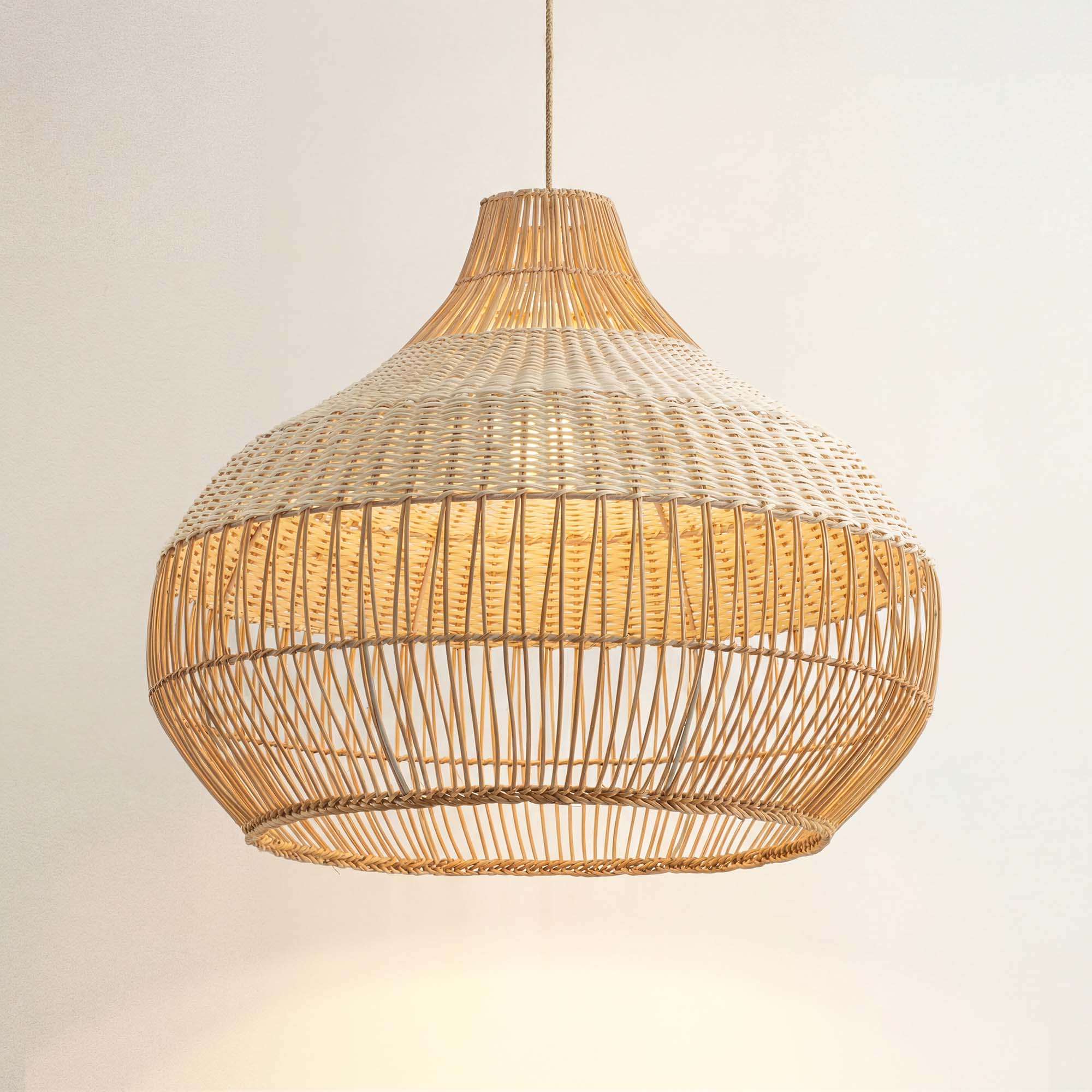
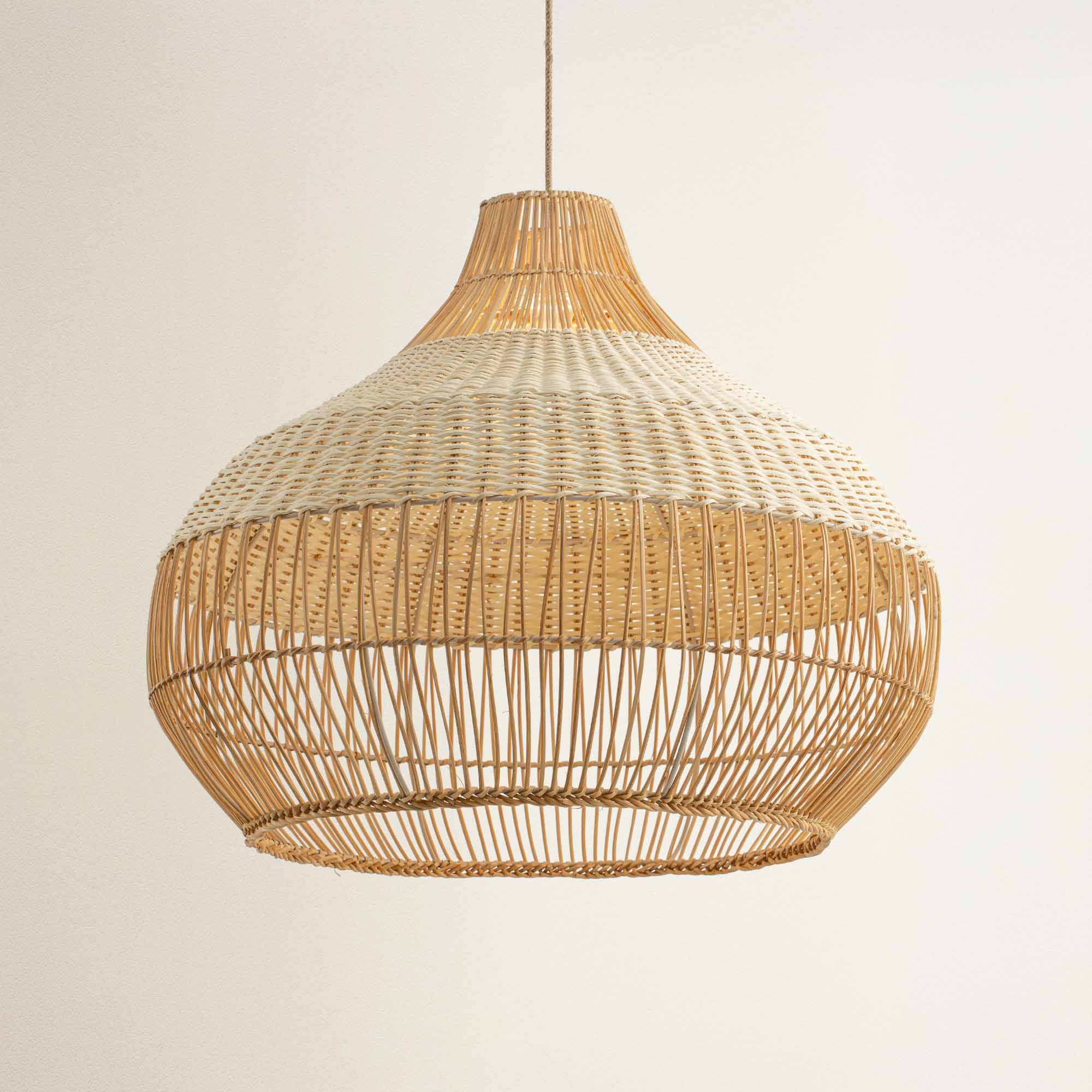
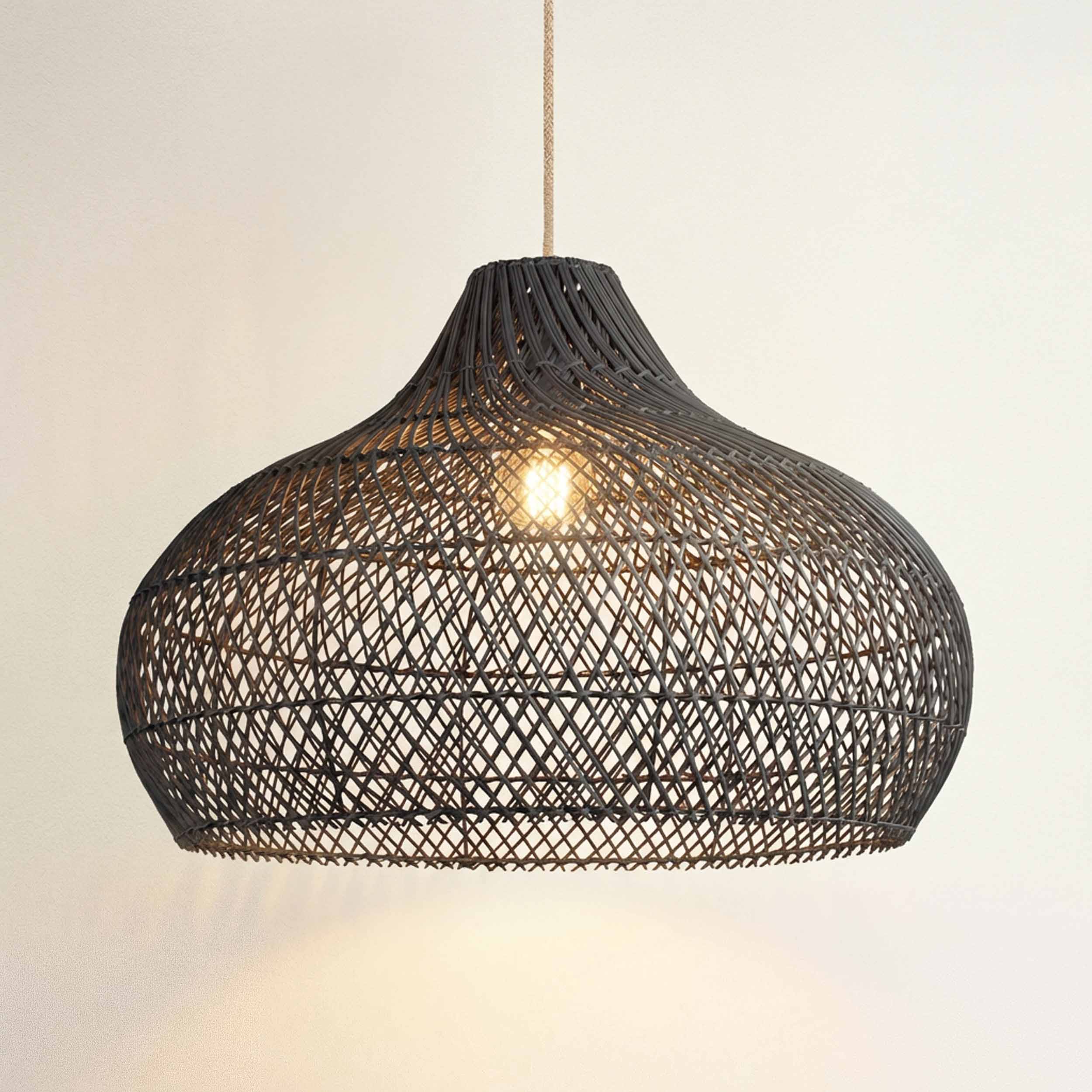
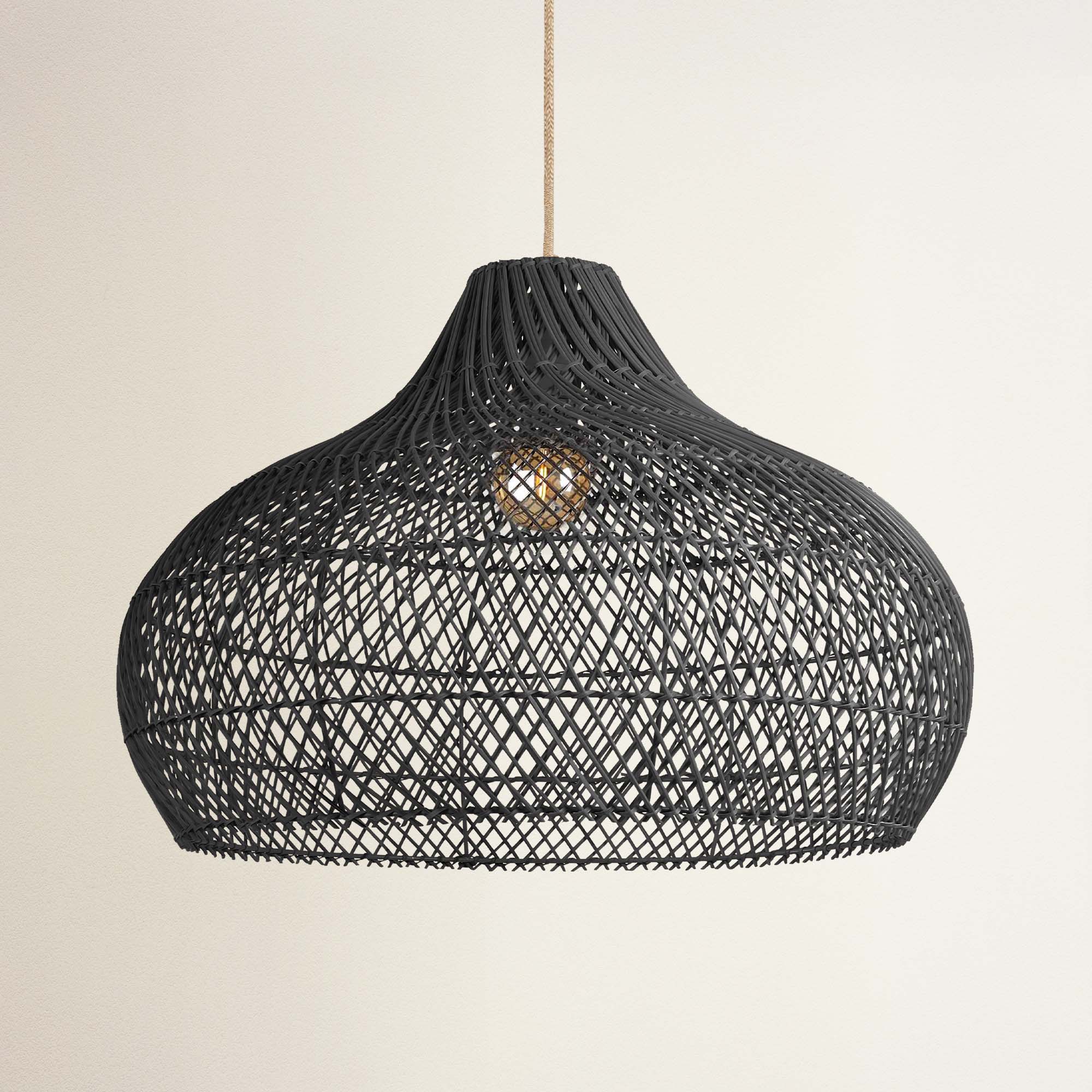
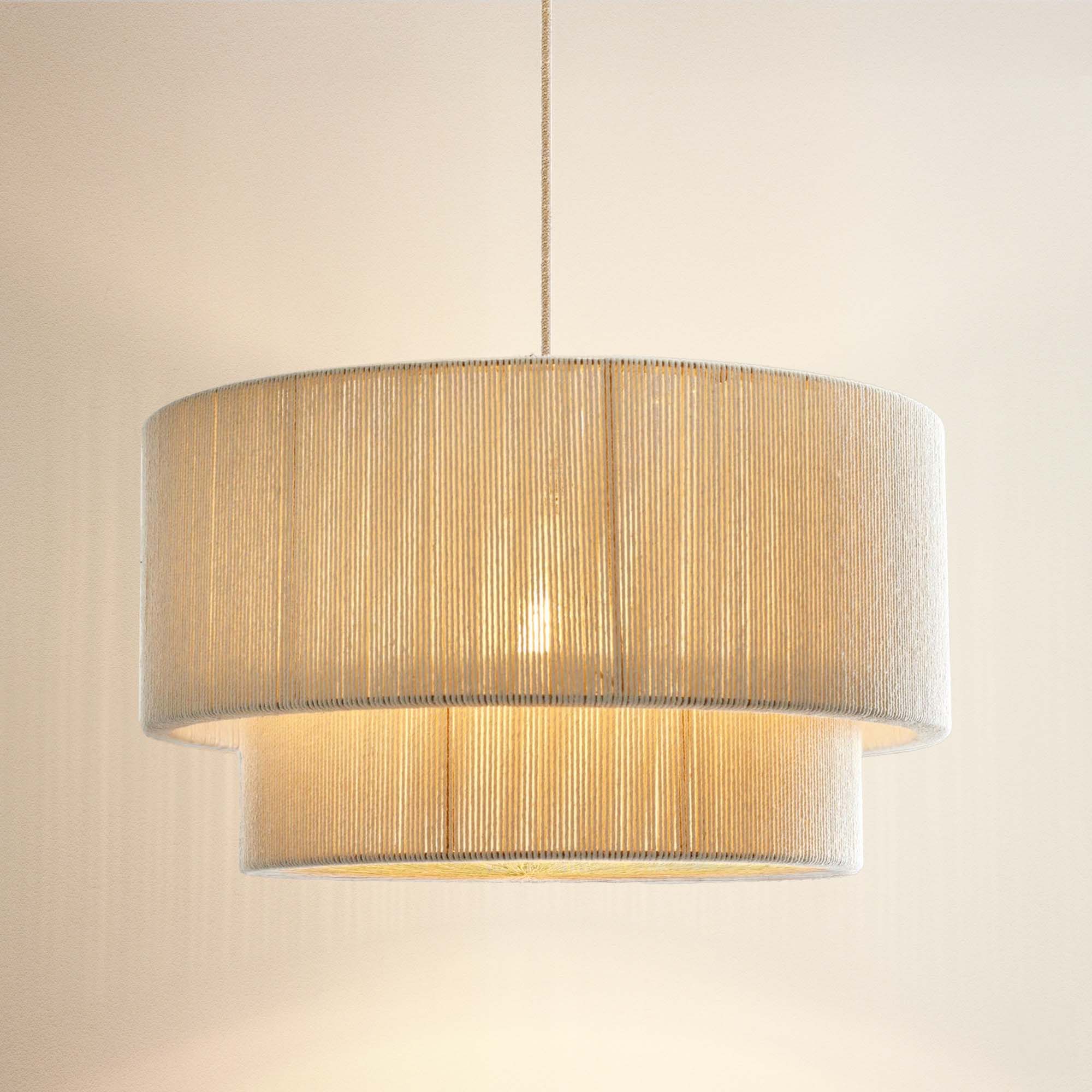
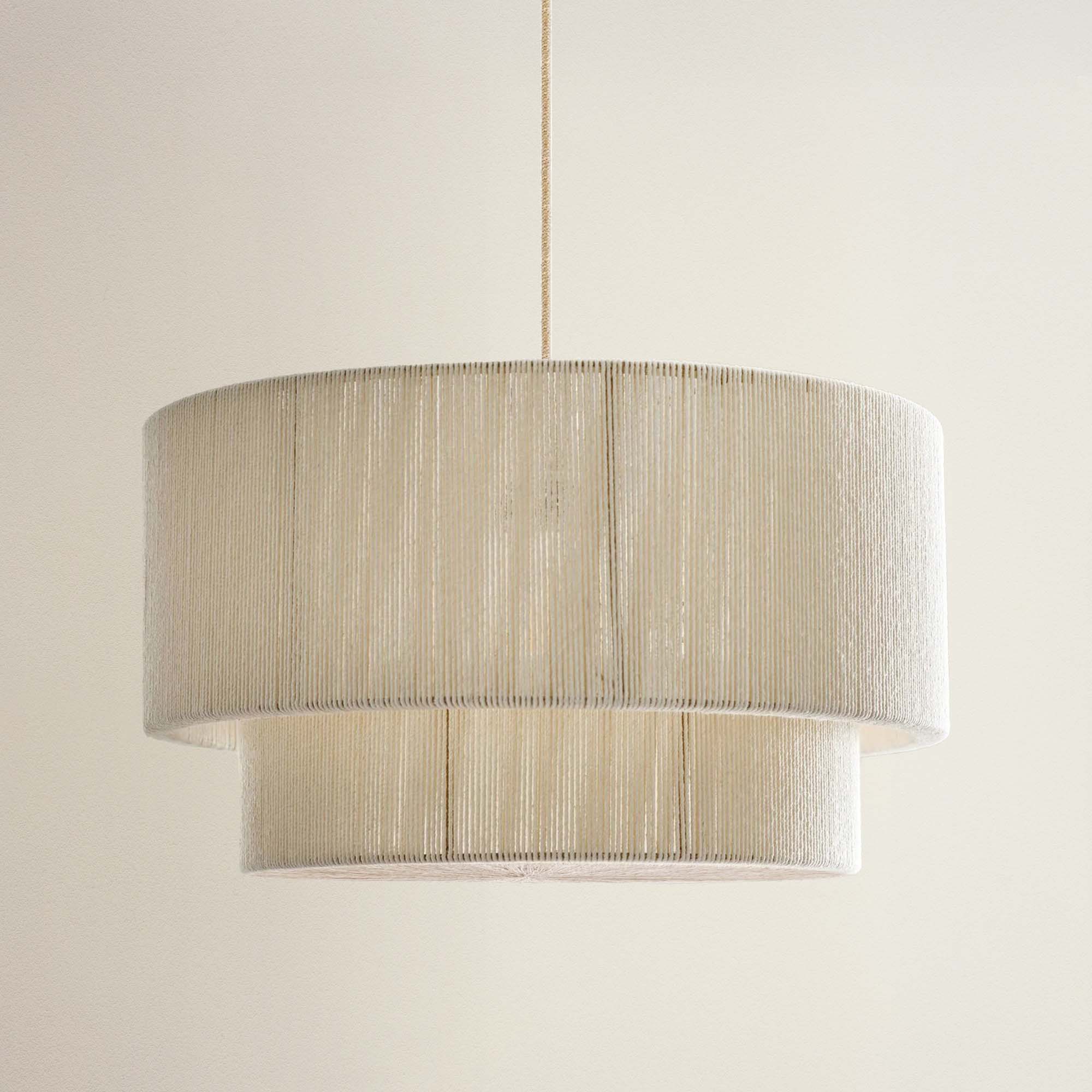
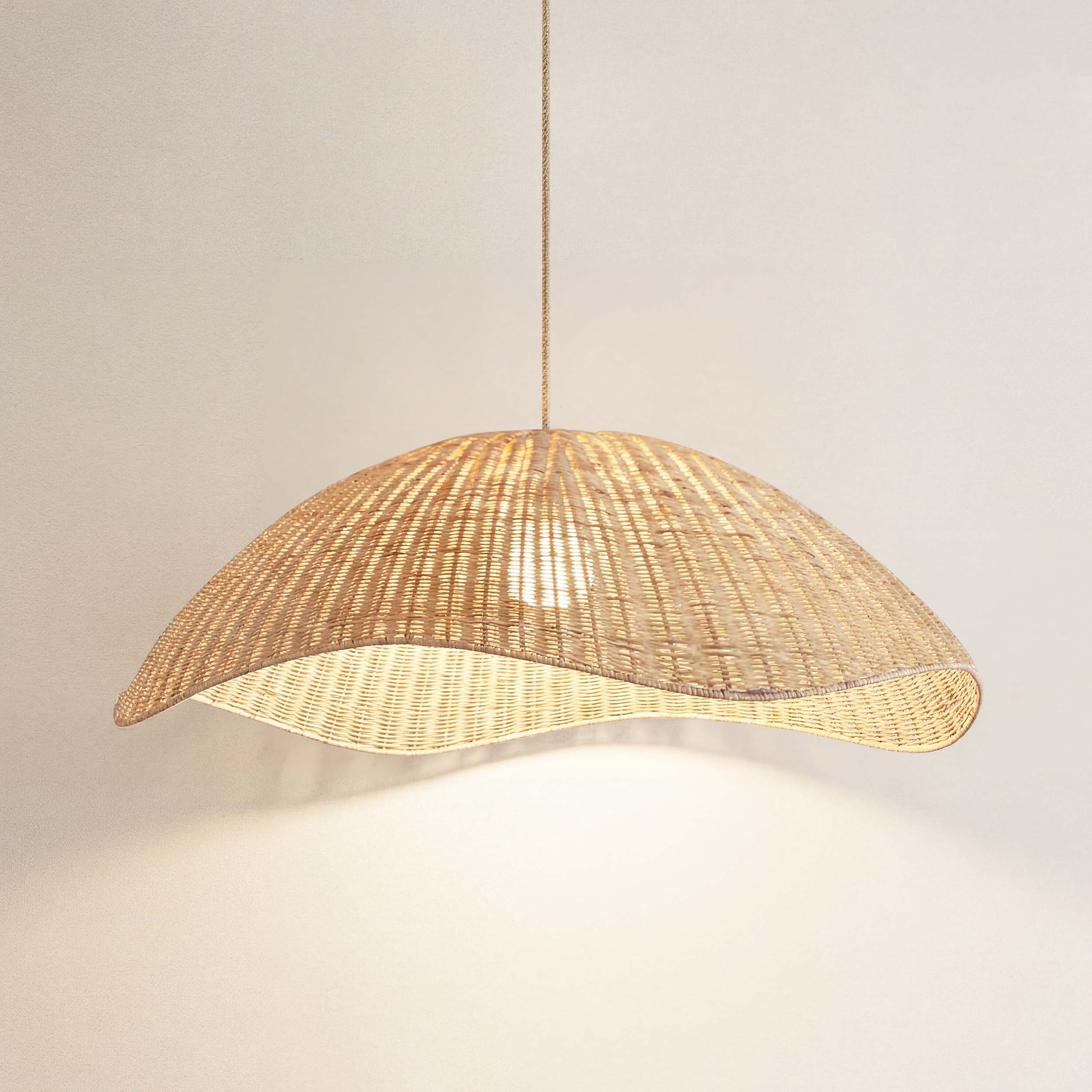
A flush-mount or semi-flush-mount with a frosted, fabric, or woven-rattan shade distributes light evenly across the room rather than concentrating it in a single bright point.
Recessed lights for active playrooms
In a dedicated playroom where the ceiling is used for active games or where floor space needs to stay completely clear, recessed lighting keeps all fixtures out of the activity zone. The critical requirement for a kids space is a dimmer on the recessed circuit.

Recessed cans at full brightness in a small room can be uncomfortably glary, and the dimmer turns a functional overhead into a flexible ambient foundation.
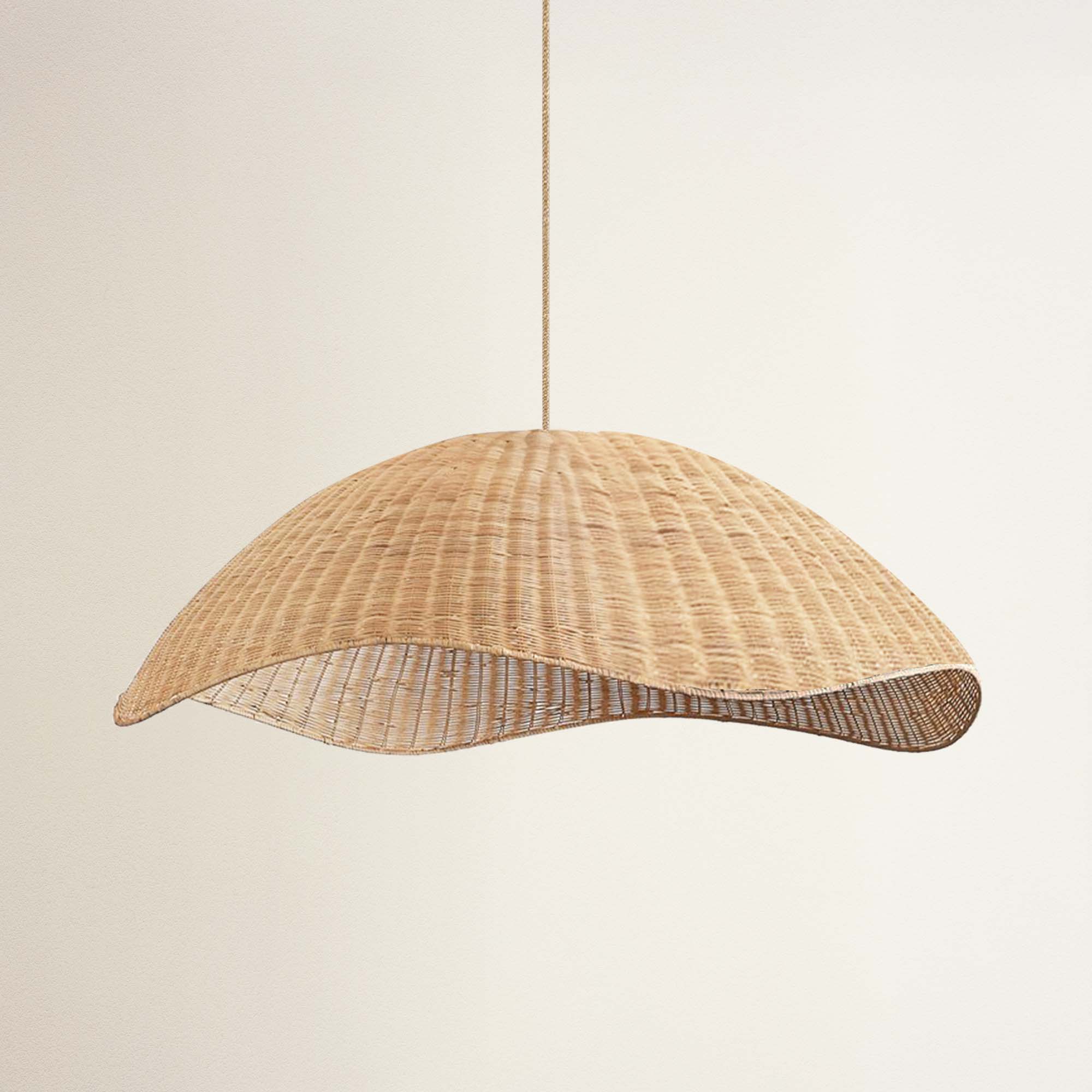
Why you must avoid low-hanging pendants
Pendant lights in a kids room pose a genuine physical risk, particularly near bunk beds or over active play zones. A pendant within reach of a standing child, or hanging above an upper bunk where a child regularly sits, can be grabbed, swung from, or struck by thrown objects, none of which is a theoretical concern in a room used by children.
For rooms where the design calls for a more decorative ceiling fixture, a semi-flush mount or a low-profile flush mount in a textured material achieves a similar visual effect without the clearance risk.
Layer 2: Task lighting - focus for reading and homework
Once the ambient layer is established, the task layer adds directed light exactly where specific activities happen. Task lighting is not about brightening the room; it is about putting the right quality of light at the right angle for the activity in question, without affecting the room's overall mood.
Wall sconces for space-saving reading nooks
In a kids room where the nightstand may already be crowded with books, a small lamp, and a cup of water, the ability to move the reading light to the wall is a genuine practical gain. A hardwired or plug-in sconce at the right height (typically 60–66 inches from the floor, adjusted for the specific bed and reading position) also keeps the cord out of reach more easily than a table lamp can.

A wall sconce mounted beside a bed or reading chair provides focused, directional light for reading without consuming any floor or nightstand space.
Desk lamps to boost focus in homework corners
A dedicated desk lamp at the homework zone provides the cooler, more focused light that helps older children stay alert and see clearly during study sessions. The U.S. Department of Energy notes that cooler light (3500K–4000K) produces higher visual contrast, which supports the kind of focused attention that reading small text and writing require.
A desk lamp at this color temperature, positioned at the desk and switched off after homework, allows the task zone to serve its function without changing the warm, calming character of the rest of the room.
How to position task lights
The ergonomic rule for task lighting is to position the source so that light arrives from above and slightly to the side, never directly in front or directly behind. Because a light placed directly in front of a child reading creates glare off the white page, a light placed directly behind creates a shadow cast by the child's own head and shoulders.
The over-the-shoulder angle from a wall sconce or a lamp positioned on the non-dominant side of a desk eliminates both problems simultaneously.
Layer 3: Accent lighting - the magic bedtime mood
Accent lighting is the layer most parents skip, and it is often the one that makes the biggest difference to how a kids room feels at night. It does not illuminate the room; it creates atmosphere, fills the dark corners that the ambient light cannot reach, and serves as a visual cue that the day is transitioning to rest.
Soft night lights to ease sleep transitions
A dim, warm night light at floor level or outlet height provides just enough light for a child to feel secure without producing the alerting signal that a full overhead light sends to the brain. The DOE classifies 2700K–3000K as warm light; at this color temperature, the light contains very few blue wavelengths that suppress melatonin production.
A night light in this range left on through the night is gentle enough to support sleep while providing the reassurance many children need from having some light in the room.
Low-output wall sconces for nighttime check-ins
A dimmable wall sconce set to its lowest level, or a dedicated night light mounted near the crib or doorway, allows parents to check on a sleeping child, manage a nighttime feed, or help a child to the bathroom without switching on the main overhead light.

The warm, low-output light keeps the nighttime environment appropriately dark without making parental navigation impossible. This application is one of the strongest arguments for including a dimmable wall sconce in every kids room from nursery through early childhood.
How accent lighting visually warms up the bedroom
Accent lighting fills the dark corners that ambient and task lighting leave untouched, and it is in those corners that a room's cozy quality is most apparent. A room with light only from the ceiling has sharp shadow zones at the base of the walls and in the corners; a room with a night light or a soft bedside sconce has those zones gently filled with warm light, making the whole space feel settled and complete.
Interior designers describe this effect as creating a cocoon. That means the room wraps around rather than being lit from above, and that feeling of enclosure is exactly what makes a bedroom feel genuinely restful.
The cozy secret: texture and diffusion
Choosing the right Kelvin temperature and building three light layers gets the framework right. The quality of the light, whether it arrives as a soft glow or a harsh beam, depends on what happens at the fixture itself.
Why diffused shades matter more than exposed bulbs
A 2700K warm bulb that shines directly from an exposed source creates glare just as a cool-white bulb does, because the issue is not color temperature but intensity and direction. The DOE defines glare as light that is sufficiently bright relative to its surroundings to make seeing more difficult; this applies regardless of the bulb's Kelvin rating.
A shade or diffuser intercepts the direct beam and spreads the light across a wider area at a lower intensity, which is why the fixture material is as important to the room's final quality as the bulb inside it.
Use natural textures like rattan, wood, and linen
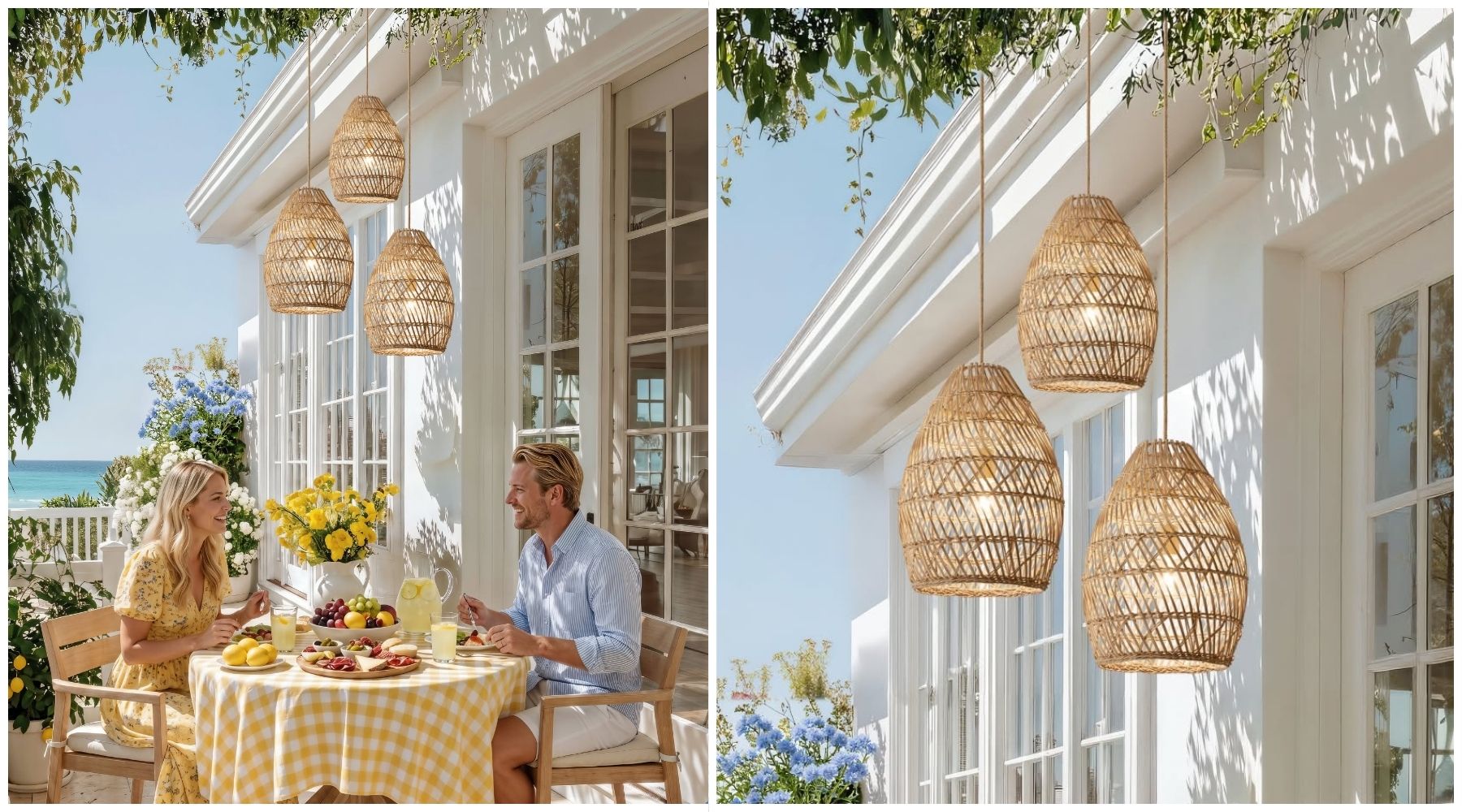
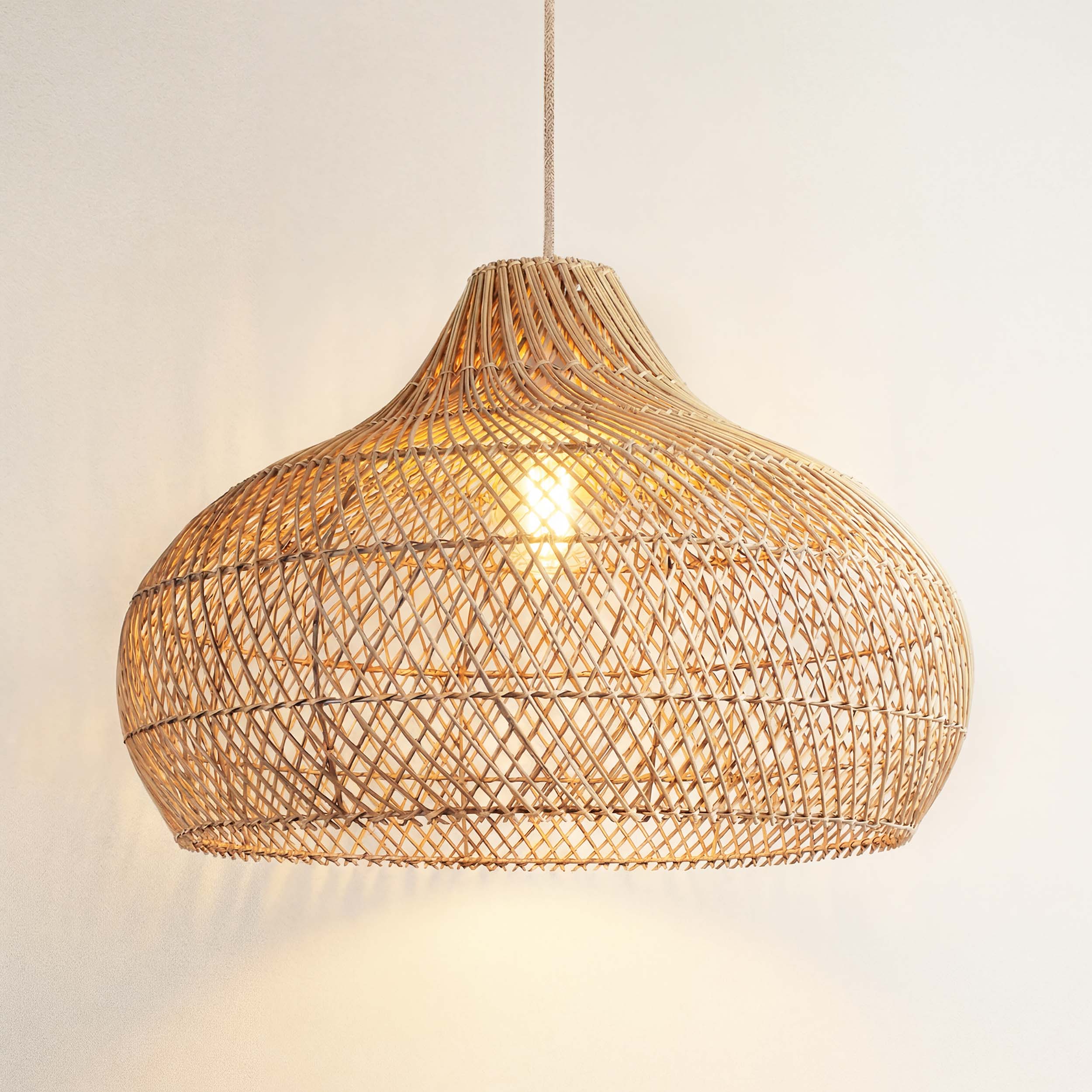
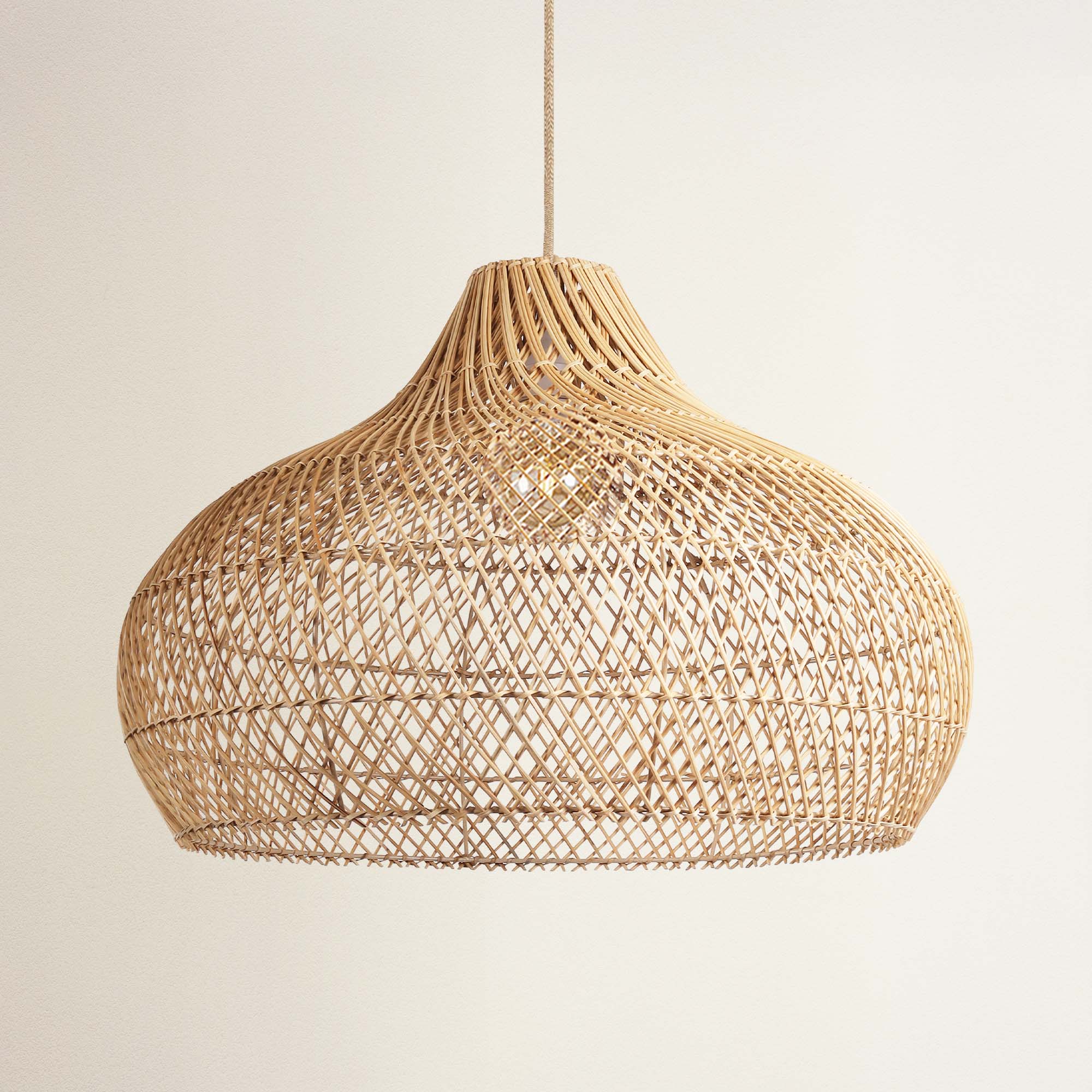
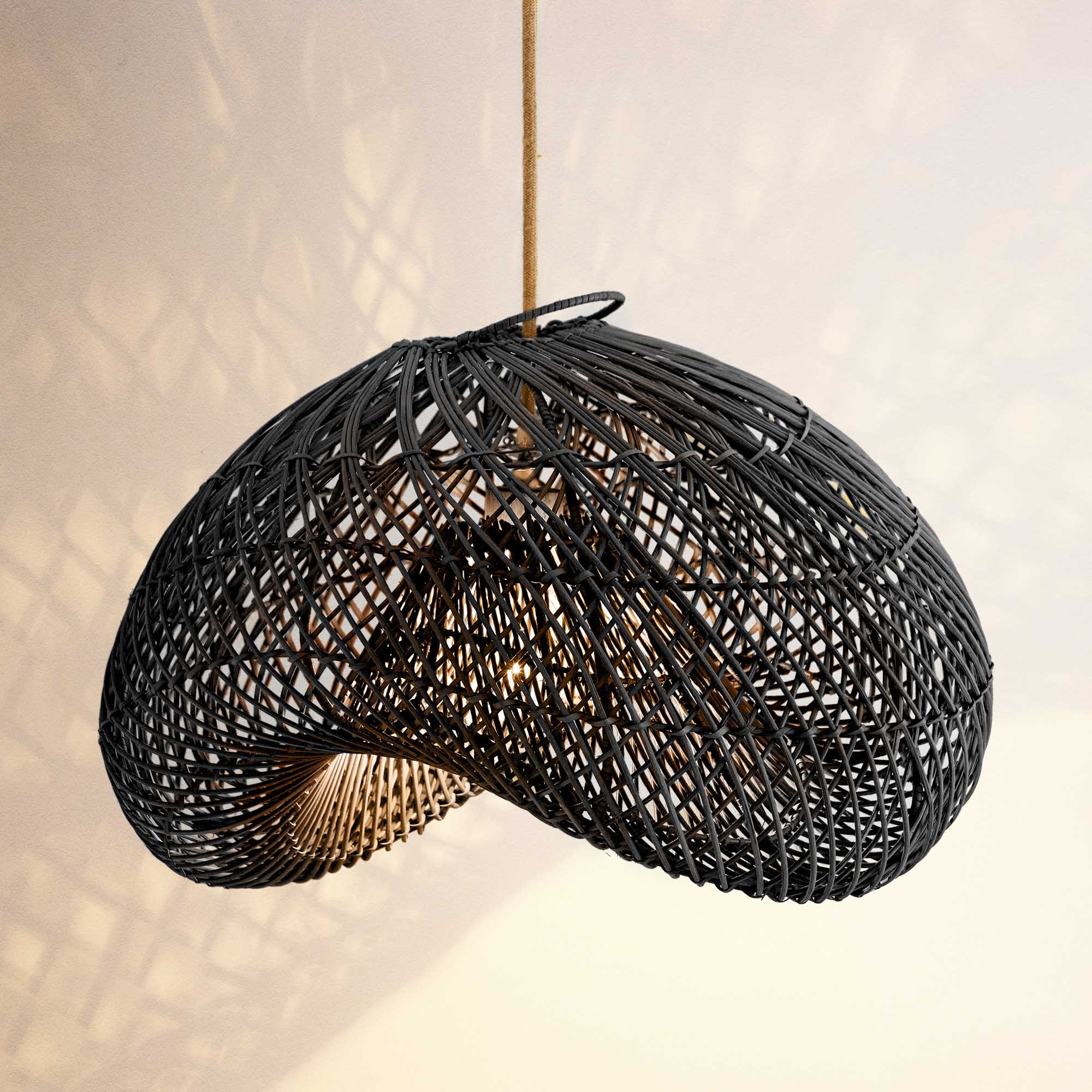
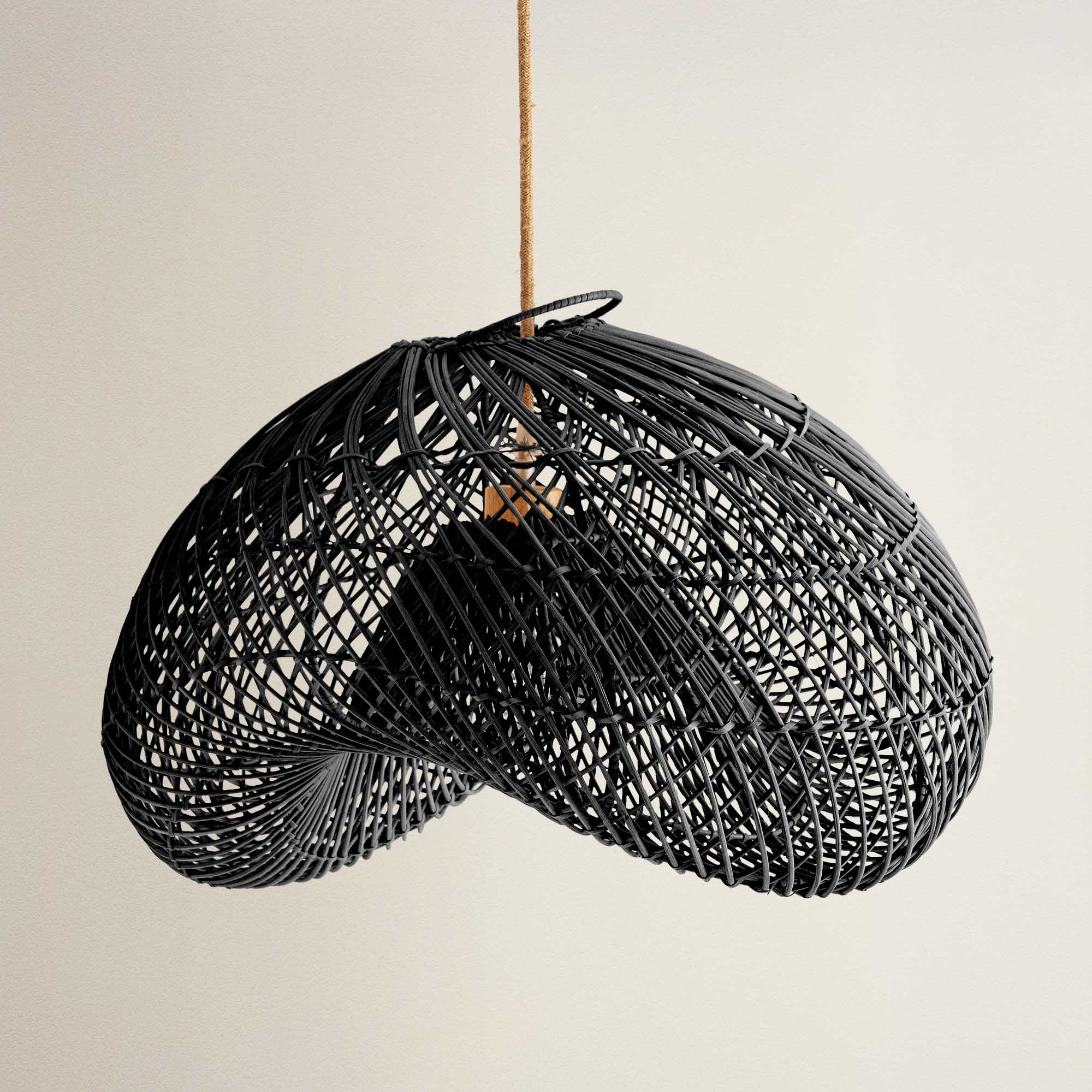
Where a plastic dome or industrial metal shade transmits light directly, a woven natural shade breaks the beam into a dappled, multidirectional glow that fills the room with warmth rather than a single bright point.

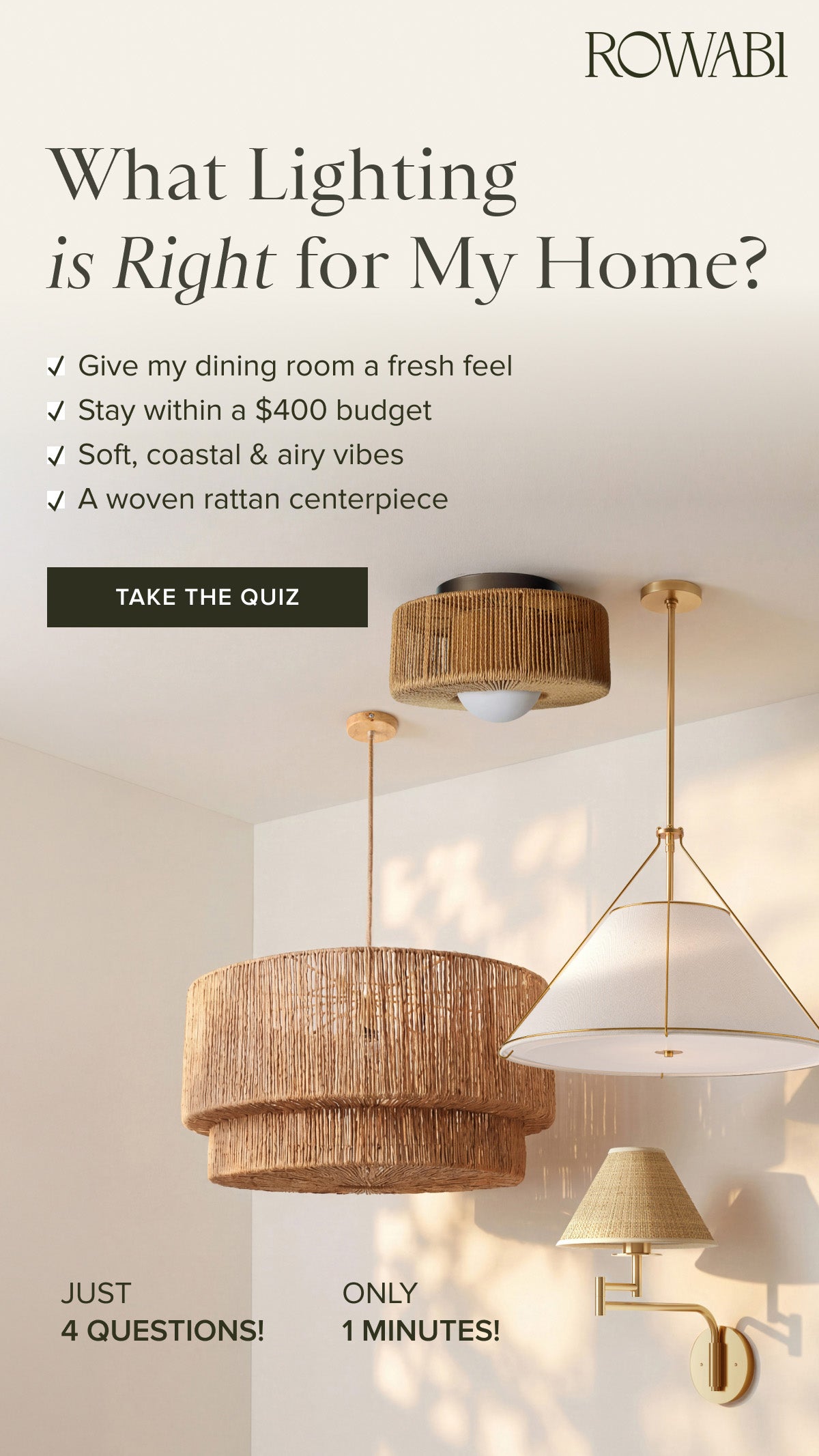
A Rowabi rattan flush mount on the ceiling, with its handwoven natural fiber surface, softens a 2700K LED into the kind of layered ambient light that creates genuine coziness. The weave adds visual warmth even before the bulb is switched on. A Rowabi rattan wall sconce beside a reading chair or nightstand does the same for the task layer, filtering the directed beam into something comfortable and human-scaled.
Match lighting styles with rugs and bedding
The cozy quality of a room comes from consistency across its textures. A rattan ceiling fixture paired with a wool rug, linen curtains, and cotton bedding creates a room where every surface has warmth and tactile depth. Mixing and matching materials in the room with the lighting makes the space feel like part of the room's material story rather than a separate functional addition.

A metal or plastic fixture in the same room breaks that visual continuity even if the Kelvin temperature is identical. When building a layered lighting setup, choosing fixtures whose materials match the room's other textiles and surfaces elevates the result from correctly lit to genuinely cozy.
Quick layering recipes by room type
The three-layer framework applies to every kids room, but the specific combination shifts based on how the room is used. Here are practical setups for the most common configurations:
- The nursery: A warm, dimmable flush mount as the ambient foundation, set to its lowest level for nighttime routines. A very dim amber night light as the accent layer for overnight checks. No task light needed in the newborn phase; add a reading sconce beside the nursing chair as a secondary ambient source for feeding.
- The shared bedroom: One warm overhead ambient light for the whole room, switched together. Individual task sconces for each bed on independent switches, so one child can read while the other sleeps without the room's main light being on.
- The playroom: Bright overhead ambient (recessed or semi-flush) on a dimmer for active play, lowered during quieter activities. A focused task lamp at any craft table or homework area. Accent lighting is optional in a dedicated playroom but adds warmth to a combined play-and-sleep space.
- The older child or teen room: Layered warm ambient on a dimmer, a cool 3500K–4000K desk lamp for homework, and a personal accent light, such as a bedside lamp, a low-output sconce, or a warm LED strip along a bookshelf, that the child can control independently as part of their own wind-down routine.
The metrics: choosing the right bulb color and brightness
2700K–3000K is the correct color temperature for all ambient and accent lighting in a kids bedroom. This range produces warm, melatonin-supportive light that makes the room feel settled rather than activated.
3000K works as a gentle neutral for daytime general use when the bedroom doubles as a play space during the day and a sleep space at night.
3500K–4000K is best reserved for the homework desk or craft table as a focused task light, switched off when the work session ends. It should never be the primary overhead light in a bedroom.
400–800 lumens is the appropriate brightness range for individual fixtures in a kids room. A room with multiple 400–600-lumen sources distributed across ceiling, wall, and accent positions produces better, more comfortable coverage than a single 1,500-lumen overhead fixture.
The DOE confirms that LED bulbs use at least 75% less energy than incandescent equivalents and emit very little heat, making them the standard choice for fixtures in spaces where children may touch surfaces.
Dimmable LEDs are the connective tissue of layered lighting. They allow the ambient layer to shift from 100% for active play to 20% for pre-sleep reading to 5% for nighttime navigation, all from the same fixture. Confirm that the bulb is "dimmable" on the bulb packaging before pairing with a dimmer switch.
Non-negotiable safety rules for layered lighting
- Cord management: Any plug-in lamp or sconce in a kids room must have its cord routed immediately into a wall-mounted cord cover. The CPSC specifically identifies accessible cords as a strangulation hazard in children's environments and recommends cordless or hardwired solutions wherever possible.
- Hardwired preference: Hardwired ceiling fixtures and wall sconces eliminate the need for accessible cords entirely. All wiring stays behind the wall, and there is nothing on the floor or at bed level for a child to pull, trip over, or wrap around.
- Floor lamp warning: Tall floor lamps with lightweight bases should be removed from active play zones in kids rooms. A child running past, jumping off furniture, or pulling to stand can knock a floor lamp over unintentionally, and the falling fixture and cord pose immediate hazards.
- Softer-shade materials near bunk beds: In rooms with bunk beds or active climbing furniture, glass shades near those zones pose a fragility risk that woven, fabric, or metal shades do not. Choosing a less breakable material in high-activity zones is a practical safety decision, not just an aesthetic one.
Quick layered lighting checklist
- Kelvin check: Is the bedroom ambient and accent light labeled 2700K or 3000K?
- Lumens check: Is each fixture within the 400–800 lumen range to avoid over-illumination?
- Dimmer check: Does the main ceiling fixture have a compatible dimmable LED and dimmer switch?
- Shade check: Does every ambient fixture have a fabric, frosted glass, or woven rattan shade to diffuse the light from the bulb?
- Daylight check: Is the bedroom confirmed free of 5000K+ daylight bulbs in any sleep-adjacent position?
FAQs
What type of light bulb is best for a child's bedroom?
- A warm white LED at 2700K–3000K is the best choice for bedroom ambient and accent lighting. LED bulbs run cool to the touch, use far less energy than incandescent bulbs, and the warm color temperature supports natural melatonin production rather than working against it.
Does cool light keep kids awake?
- Yes, cool and daylight-temperature bulbs (4000K and above) suppress melatonin by mimicking the blue-spectrum light of midday. This tells the brain to stay alert at exactly the time a child needs to wind down. Cool light is appropriate only for task zones like a homework desk, where the goal is focus rather than relaxation, and only during daytime or early evening hours.
Is 3000K too bright for a nursery?
- 3000K as the primary ambient ceiling light is reasonable for daytime use in a nursery. For nighttime feeding, diaper changes, and pre-sleep routines, dimming a 3000K fixture to 10–20% or switching to a 2700K accent light is the more sleep-supportive choice.
Can I use a 4000K light for reading?
- For focused homework reading at a desk during the day or early evening, 4000K is appropriate. For bedtime story reading, 2700K–3000K is the better choice; it provides enough light for comfortable reading while supporting the melatonin transition rather than interrupting it.
Conclusion
Three layers, warm bulbs, and a dimmer cover most of what a kid's room needs to feel genuinely cozy and genuinely functional. The ambient layer sets the mood, the task layer serves the activity, and the accent layer handles the quiet transition into sleep. The fixture material is the final variable: a diffused, textured shade turns the right Kelvin temperature into light that actually feels warm rather than just measuring warm.
If you are building a layered lighting setup and want fixtures that work with warm bulbs and soften the ambient layer, browse Rowabi's rattan flush mounts and wall sconces, or reach out to the team for guidance on which fixtures suit your room's layout and ceiling height.