


Whether you are evaluating a Rowabi lighting fixture or any other pendant, chandelier, or sconce, the audit follows the same five-point framework: clearance, sightline, light coverage, proportion, and daily usability. If the fixture passes all five, its height is likely correct even if the measurement differs slightly from a standard chart.
Five signs your light is at the right height
Before measuring anything, run through this checklist from memory. A fixture at the correct height typically passes all five without requiring any conscious thought during daily use.
| Height check | Pass condition |
| Clearance | No one needs to duck; doors and cabinets open normally |
| Sightline | The fixture does not block faces, the television, windows, or an outdoor view |
| Light coverage | The surface that needs to be lit is illuminated evenly and adequately |
| Proportion | The fixture connects visually to the table, island, or furniture zone below it |
| Daily use | No glare, no reaching, and no need to work around the fixture |
If the fixture passes all five checks, its height is likely correct even if it differs slightly from a standard measurement. If it fails one or more, the audit steps below will identify which check failed and what to do about it.
45-Day Return
45-Day Return
45-Day Return

45-Day Return
45-Day Return

45-Day Return

45-Day Return
45-Day Return
45-Day Return
45-Day Return
45-Day Return
45-Day Return
The 10-minute light fixture height audit
Working through the five checks systematically (with measurements, physical tests, and photographs) takes about 10 minutes and yields a definitive answer on the current height.
Step 1: Record the current measurement
Measure from the relevant reference surface to the lowest visible point of the shade, frame, or bulb, not to the socket, cord, or ceiling canopy.
- For a kitchen island pendant, measure from the countertop.
- For a dining chandelier, measure from the tabletop.
- For a fixture in a walkway, measure from the finished floor.
- For a bathroom vanity sconce, measure from the floor to the center of the backplate.
- For a bedside reading light, measure from the seated shoulder height or the nightstand surface.
Write the number down before doing anything else. You will need it to compare against the benchmarks in the next section and to evaluate after any adjustment.
Step 2: Test physical clearance
Walk through the room in the path you normally take and note whether the fixture requires any change in movement.
Open every cabinet door, closet, and window within 24 inches of the fixture. If the kitchen has a ceiling fan, check whether the fixture sits within the blade path.
Stand up from every chair and stool that sits below or adjacent to the fixture. If any of these actions requires deliberate adjustment to avoid the fixture, clearance has failed, and the fixture is likely too low for the specific room layout.
Step 3: Test three sightlines
Check the sightline from three positions: standing at the work surface, seated at the table or stool, and entering from the main approach to the room.
- From the standing position, the fixture should not sit in the horizontal line of sight to the living room, television, window, or the person on the other side of the island.
- From the seated position, the fixture body should not cross the faces of people on the opposite side of the table or block an exterior view.
- From the entrance, the fixture should not read as a visual barrier dividing the room.
Step 4: Turn the fixture on and test light coverage
With the fixture switched on at its normal brightness, evaluate whether the surface beneath it is adequately and evenly lit.
- For a kitchen island, check whether the countertop is bright enough for food preparation throughout the area below the fixture.
- For a dining table, check whether every place setting receives comparable illumination.
- For a sconce, check whether the intended reading or task zone is served without glare at the seated eye level.
If the surface is dark despite a functioning bulb, the fixture may be too high. If there is a bright hot spot directly below but dim areas at the edges, the fixture may be too low or the shade too narrow for the surface width.

These 5 steps will help you determine whether the current height of your lights is appropriate, enabling you to implement "makeover" projects in your space.
Step 5: Photograph it from across the room
Take a photograph from the main room entrance, from a seated position, and from a standing work position, with your phone held at the actual eye level for each viewpoint. Then review the photos on a larger screen if possible.
The photograph shows the proportion and visual connection between the fixture and the furniture below it in a way that standing directly under the fixture does not. A fixture that appears correctly positioned when viewed from below often reveals a height problem, too disconnected or too compressed, in a side-on photograph taken from across the room.
Compare your measurement with common U.S. starting points
These measurements are starting points for evaluation, not mandatory specifications. A measurement can fall within the recommended range and still fail the sightline or usability test, which is why the audit steps above matter as much as the numbers.
| Location | Common starting point |
| Kitchen island pendant | 30–36 in. above countertop |
| Dining chandelier | 30–36 in. above the tabletop |
| Breakfast nook pendant | 30–36 in. above the table |
| Open walkway | At least 7 ft. above the finished floor |
| Vanity sconce | About 60–65 in. to the center of the backplate |
| General wall sconce | About 60–72 in. above finished floor |
| Bedside reading light | About 4–5 in. above the seated shoulder |
| Pendant above nightstand | About 12–15 in. above the nightstand |
For most U.S. homes, begin by measuring to the fixture's lowest visible point and comparing it to the applicable starting point. If the measurement falls within range but one or more audit steps still fail, the height is the problem and needs adjustment.
If the measurement falls outside the range but all five audit steps pass, the current height may be working correctly for the specific room and its users.
How to read your results
With the five-step audit complete and the measurement recorded, the results fall into one of three categories.
Your fixture is probably too low if...
It fails the clearance or sightline check, creates direct bulb glare at seated eye level, or visually compresses the room by sitting too close to the furniture or surface below it.
A fixture that requires people to duck, blocks the face of the person sitting across the table, or casts a shadow between you and the window is functioning as an obstacle rather than a light source. These are height problems, not scale or style problems, and raising the fixture is the first corrective action.

If the pendant blocks your sight, it needs to be hung higher.
Your fixture is probably too high if...
The task surface remains darker than needed for the activity it supports, the fixture appears disconnected from the furniture below it, or the fixture's decorative quality does not define the intended zone.
A pendant that hangs at the midpoint between the ceiling and the island does not anchor the island; it occupies the ceiling zone instead. A chandelier hung too high over a dining table loses its relationship with the meal and the people eating it.

If the fixture looks correct from directly below but appears to float and be unrelated to the furniture from across the room, it is probably too high.
Your fixture is probably at the right height if...
It passes all five audit checks, looks visually balanced from the entrance and from seated positions, functions properly during normal daily use, and does not require anyone to consciously work around it.

A fixture at the correct height is one that disappears into the room's daily functioning. It lights what it is meant to light, it does not interrupt movement or conversation, and it connects the ceiling zone to the furniture zone in a way that feels settled and complete.
Make a small adjustment, then retest
If the audit reveals a height problem, adjust in small increments rather than making a large change based on a target measurement.
Raise or lower the fixture by 2–3 inches at a time using the manufacturer-approved adjustment method: shortening or lengthening the chain, recoiling the cord, or swapping the downrod to the next available length. After each adjustment, retake photographs from the same camera positions used in Step 5, test the three sightlines from Step 3, and check light coverage from Step 4.
Don’t forget to test during both daytime and evening use because some height problems are only apparent under artificial light when the ambient daylight no longer fills the room. Do not adjust the height, change the bulb, and rearrange the furniture simultaneously; isolating the height change is the only way to evaluate whether it resolved the problem.
When the height is correct, but the fixture still looks wrong
If the fixture passes all five audit steps but the room still feels off, the issue is probably not height. It may be the fixture's scale relative to the furniture or room, its visual weight relative to the adjacent materials, its position relative to the surface centerline, the spacing between multiple fixtures, glare from an exposed bulb, or a mismatch between the fixture's style and the room's material palette. These are different problems with different fixes.
For a complete guide to those issues, including how to recenter a fixture that is misaligned with the furniture, how to resolve glare and dimmer incompatibility, and how to evaluate whether a fixture needs to be replaced rather than adjusted, see our guide to common lighting hanging mistakes and how to fix them.
Safety first before adjusting the fixture
Before handling any suspension hardware, canopy, or wiring, make sure to turn off the circuit at the breaker panel, not just the wall switch. Use a voltage tester to verify that the circuit is not energized. Refer to the fixture's installation manual for the correct adjustment method. Remember that not all fixtures support every kind of suspension adjustment, and making unsupported changes may weaken the fixture’s structure.
If you encounter any of the following issues, reach out to a licensed electrician: a loose fixture, a canopy detached from the ceiling, a burning smell or buzzing sound, a heavy chandelier that needs structural support alterations, or a situation requiring junction box relocation or wiring changes to achieve proper height.
If you have physical clearance issues that can't be fixed through suspension adjustment, consider getting a different fixture or discussing structural possibilities with a licensed electrician.
Light fixture height FAQs
How do I know if my pendant is too low?
- A pendant is too low when it blocks eye contact across the table or island, creates glare at seated eye level, prevents cabinet or door operation, or provides less than 7 feet of clearance in a walking area. If any of the five audit checks fails, the pendant is worth raising before drawing any other conclusion about the fixture.
Can pendants hang higher than 36 inches above a kitchen island?
- The 30–36 inch range is a common starting point, not a maximum. If raising the fixture beyond 36 inches resolves a sightline problem without making the surface too dark for food preparation, that height is correct for the specific kitchen. Add supplementary task lighting if needed.
How much clearance is needed under a fixture?
- In a walking area, at least 7 feet from the finished floor to the lowest visible point of the fixture is commonly used as a starting point. Over a fixed surface, such as a dining table or a kitchen island, the relevant clearance is from the tabletop or countertop to the fixture's bottom, with 30–36 inches as the common starting range.
Is a fixture correct if it falls within the standard range?
- Not automatically. A measurement within the recommended range still needs to pass the clearance, sightline, light coverage, proportion, and usability checks. A fixture can be at 33 inches above a countertop and still fail the sightline test if the shade is particularly wide and opaque.
Why does a fixture look too low even when the measurement is correct?
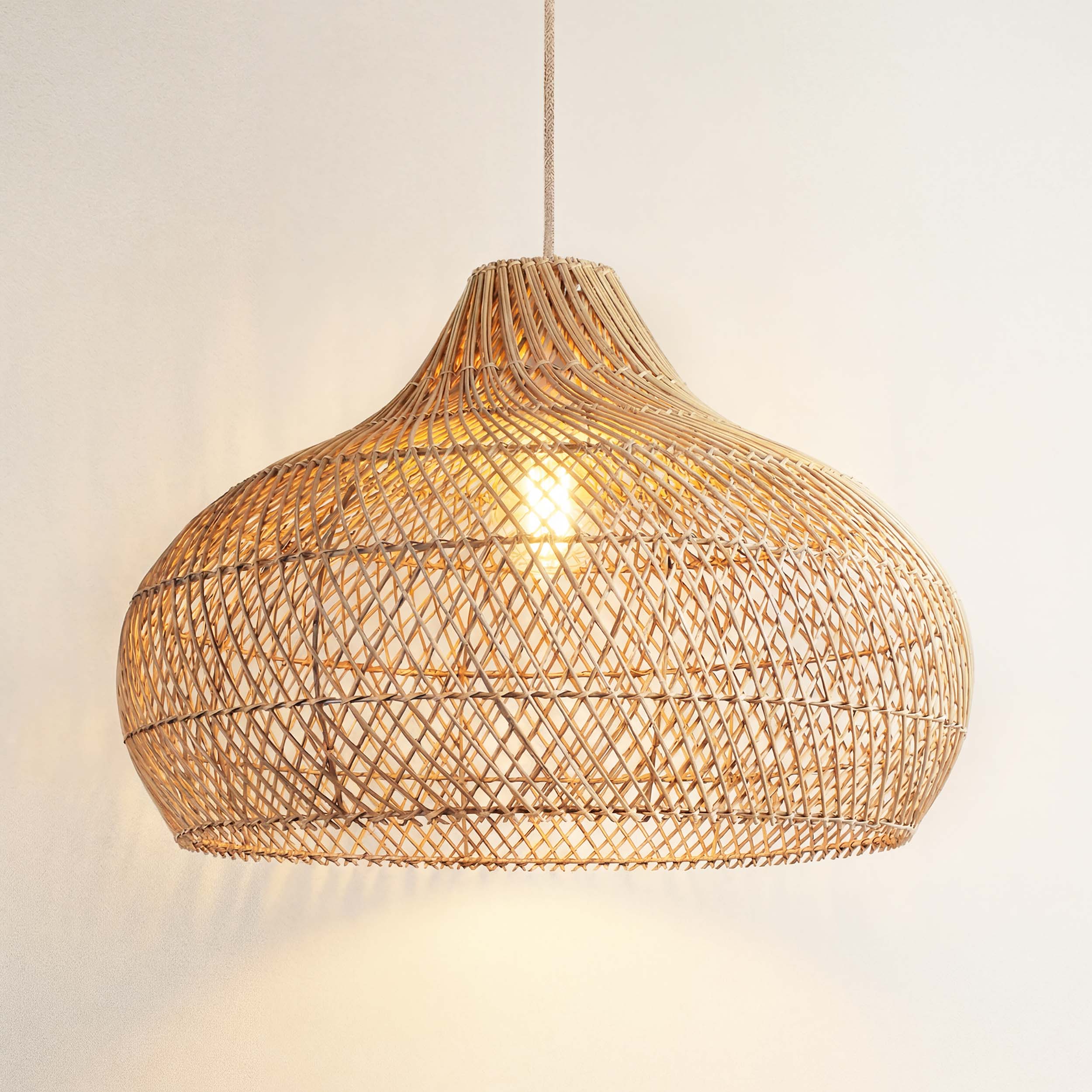
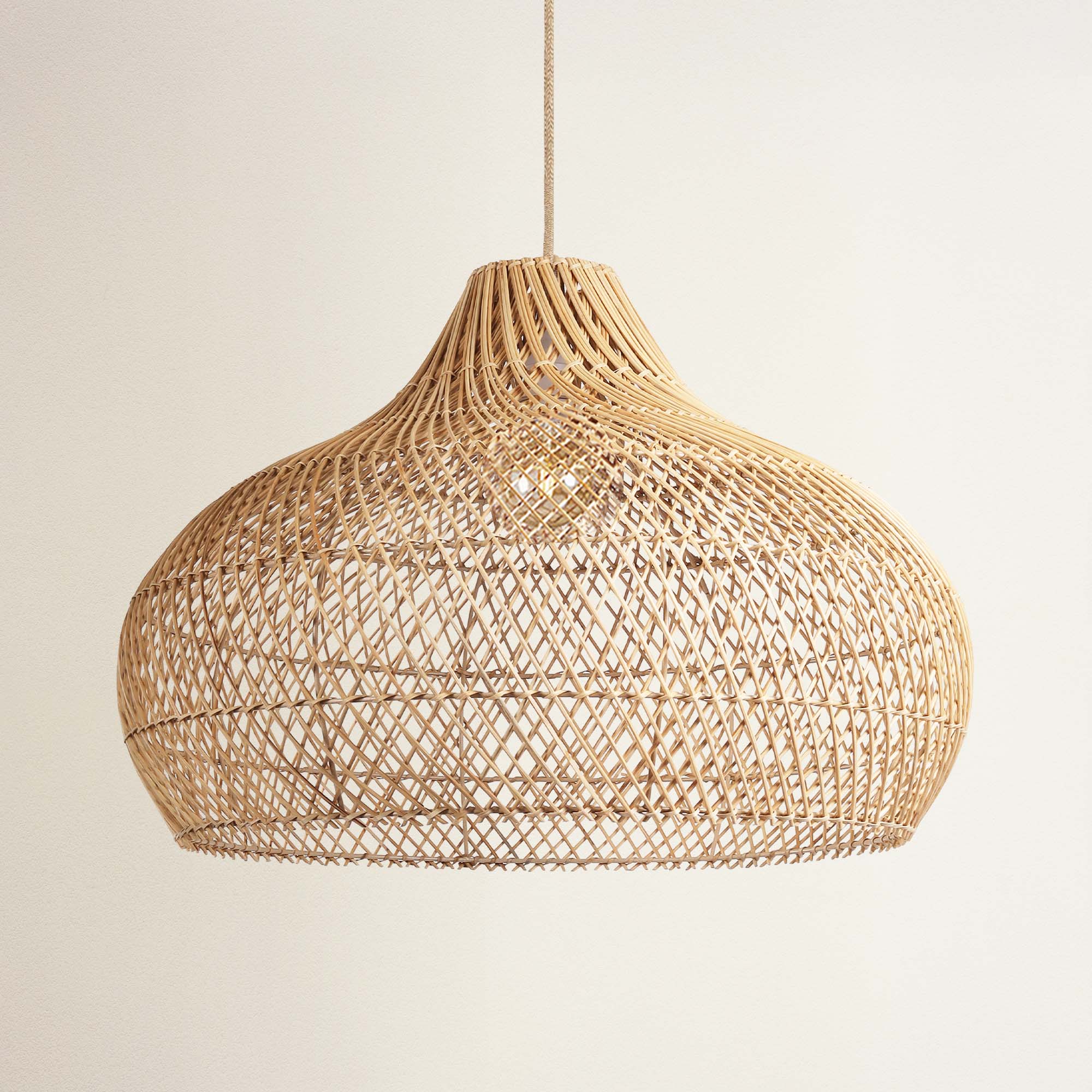
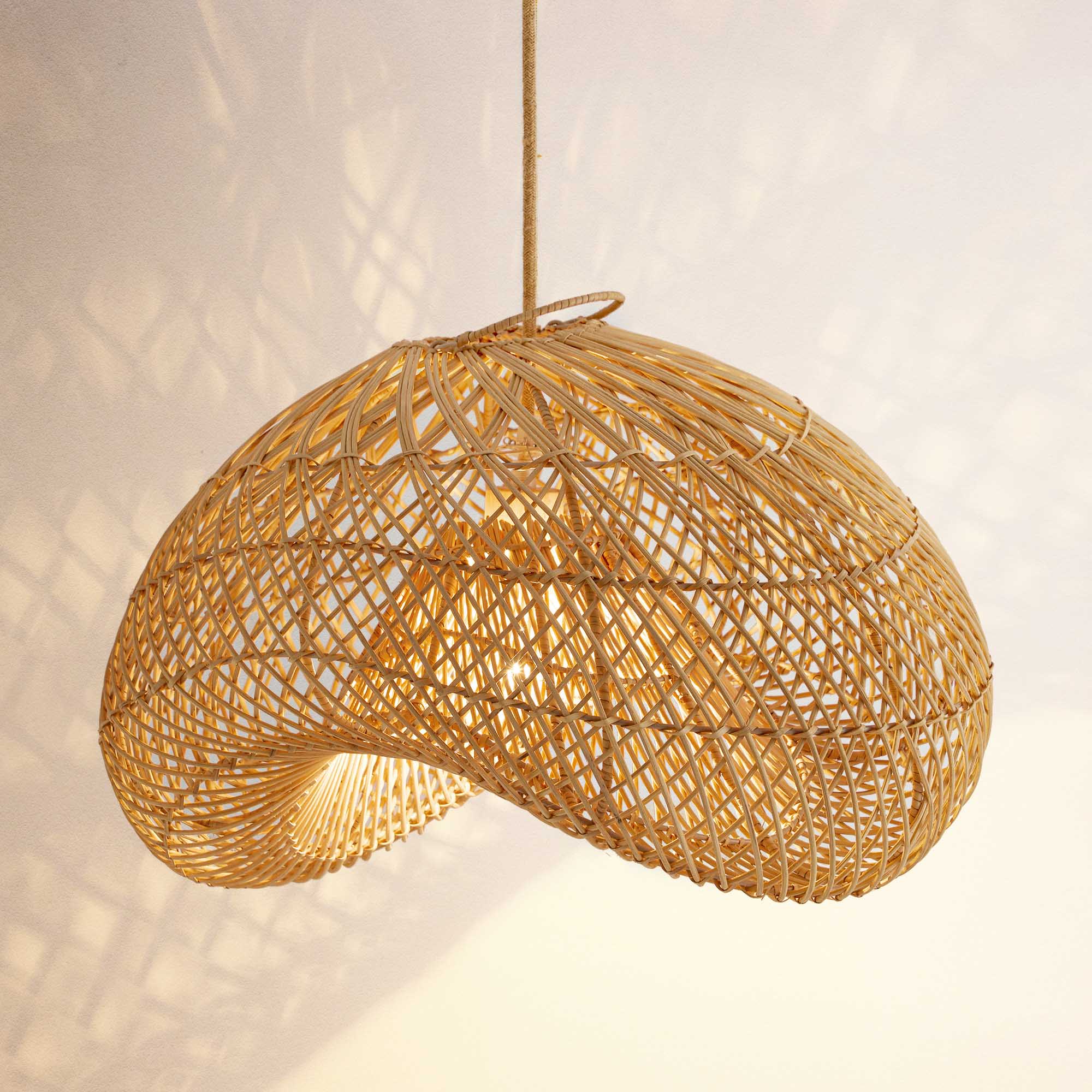
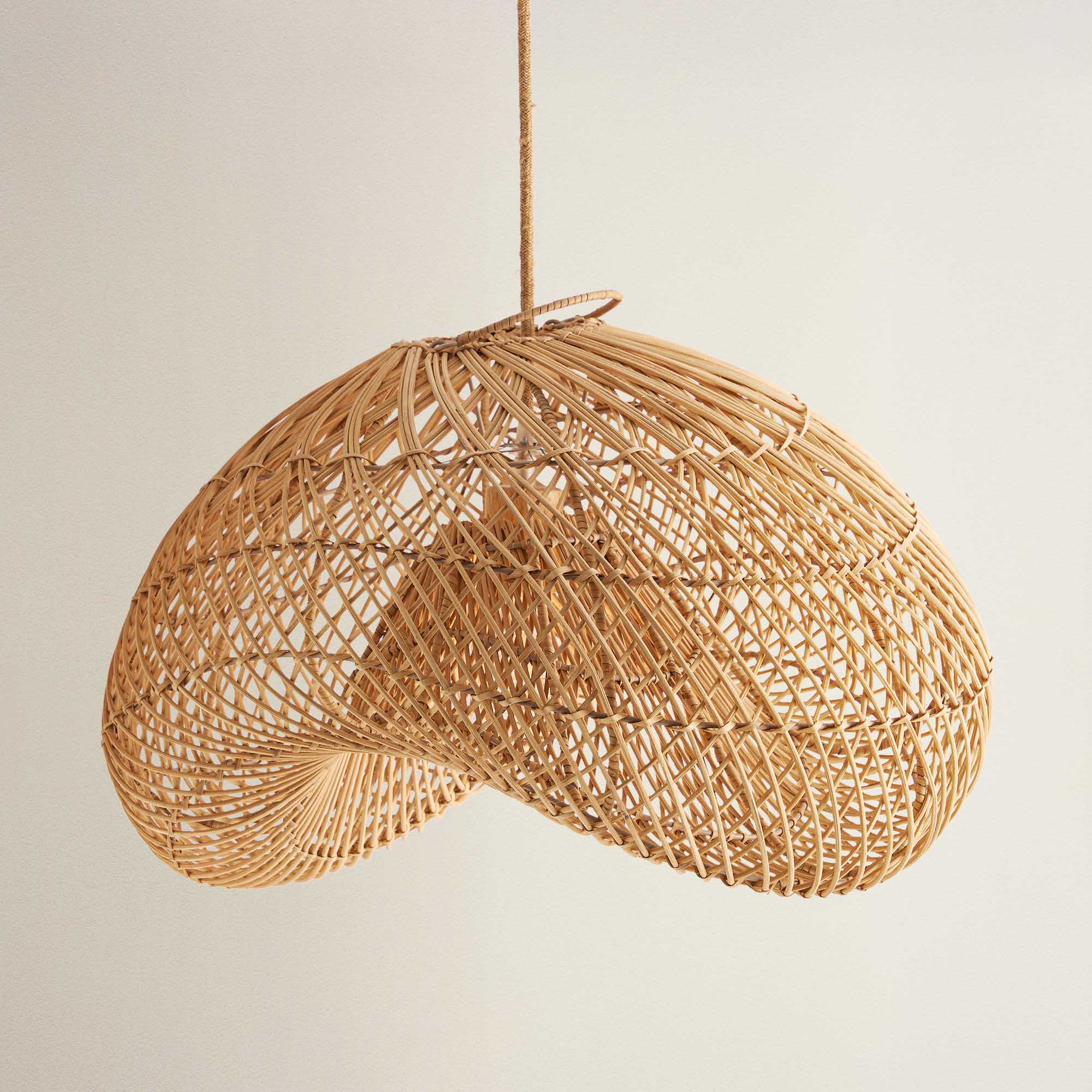
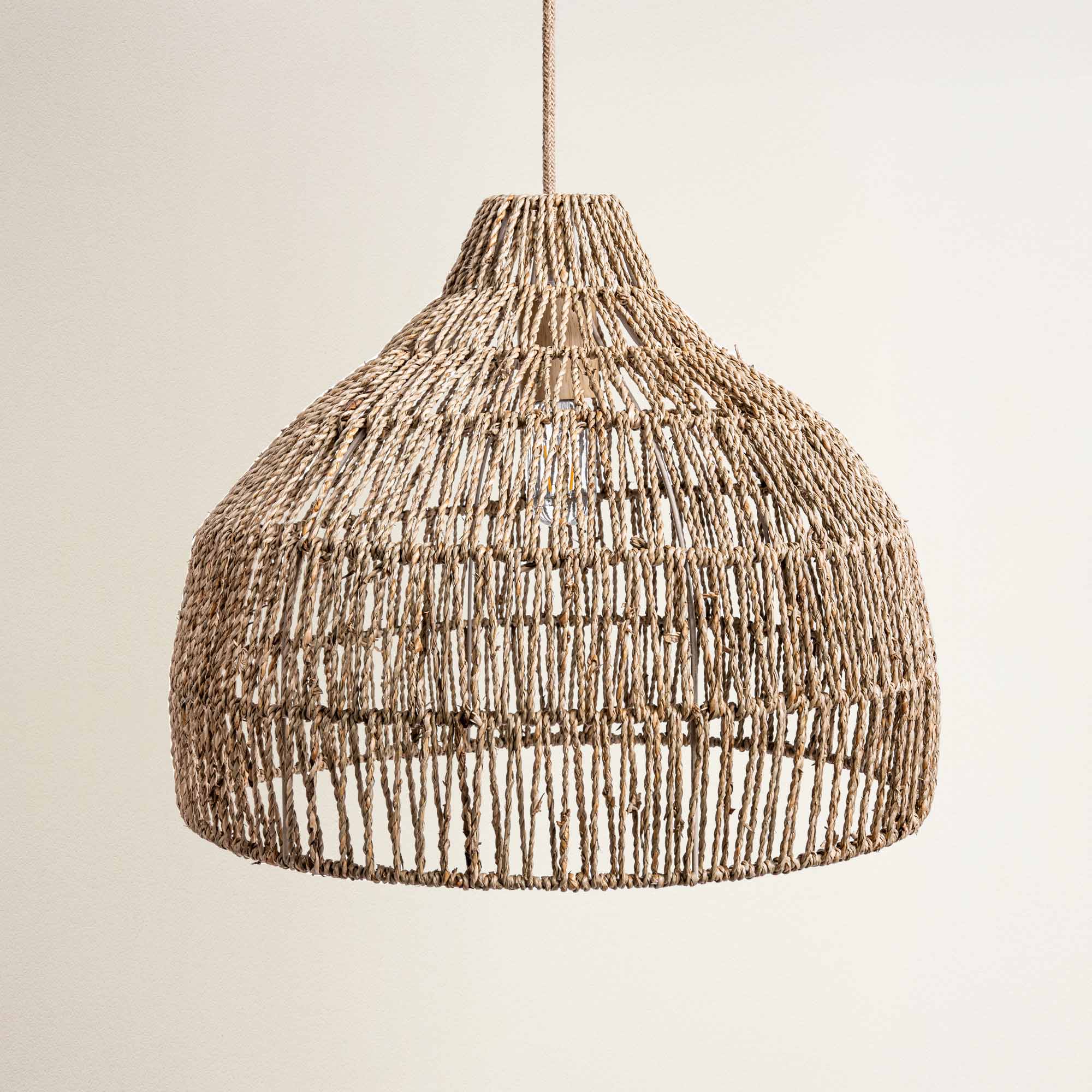
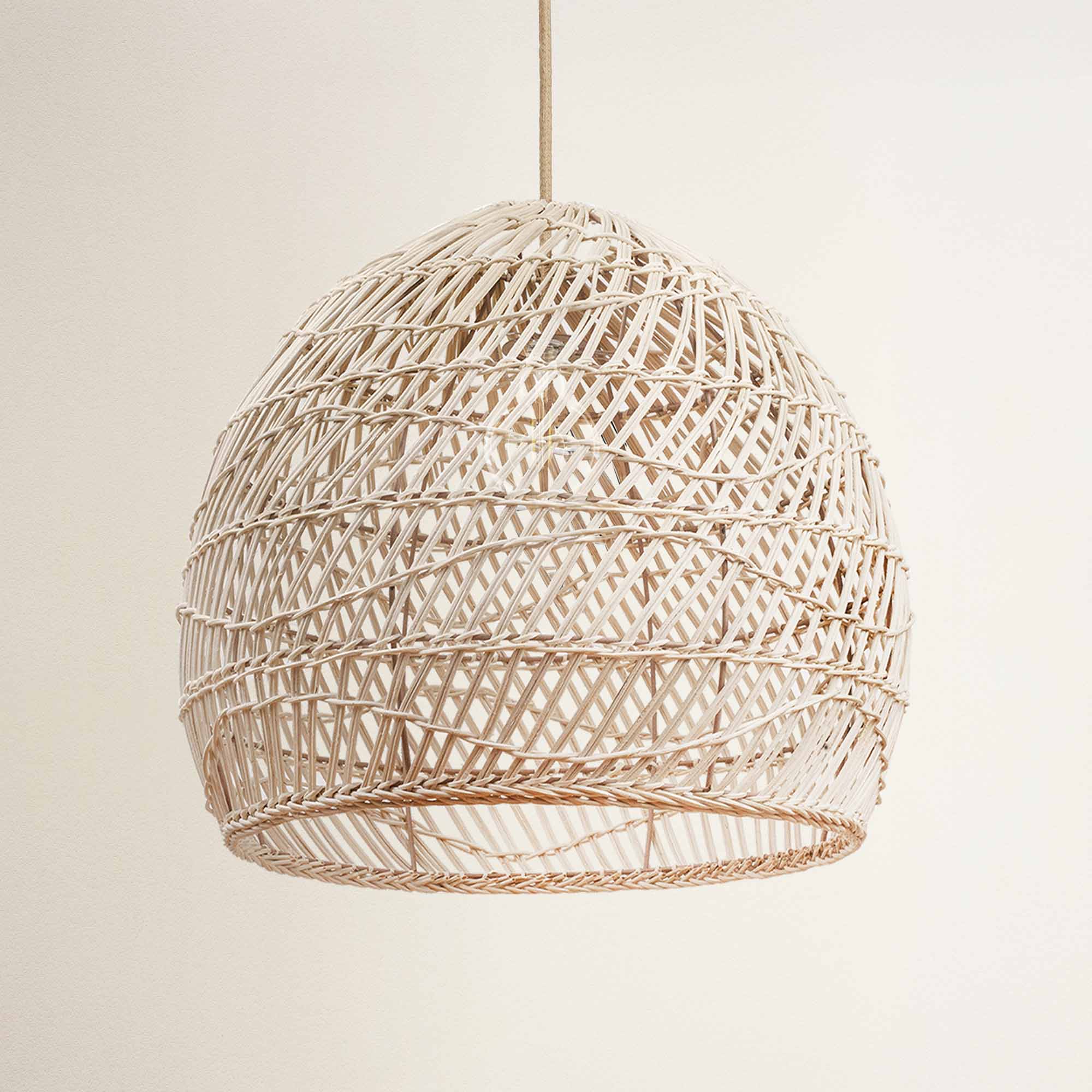
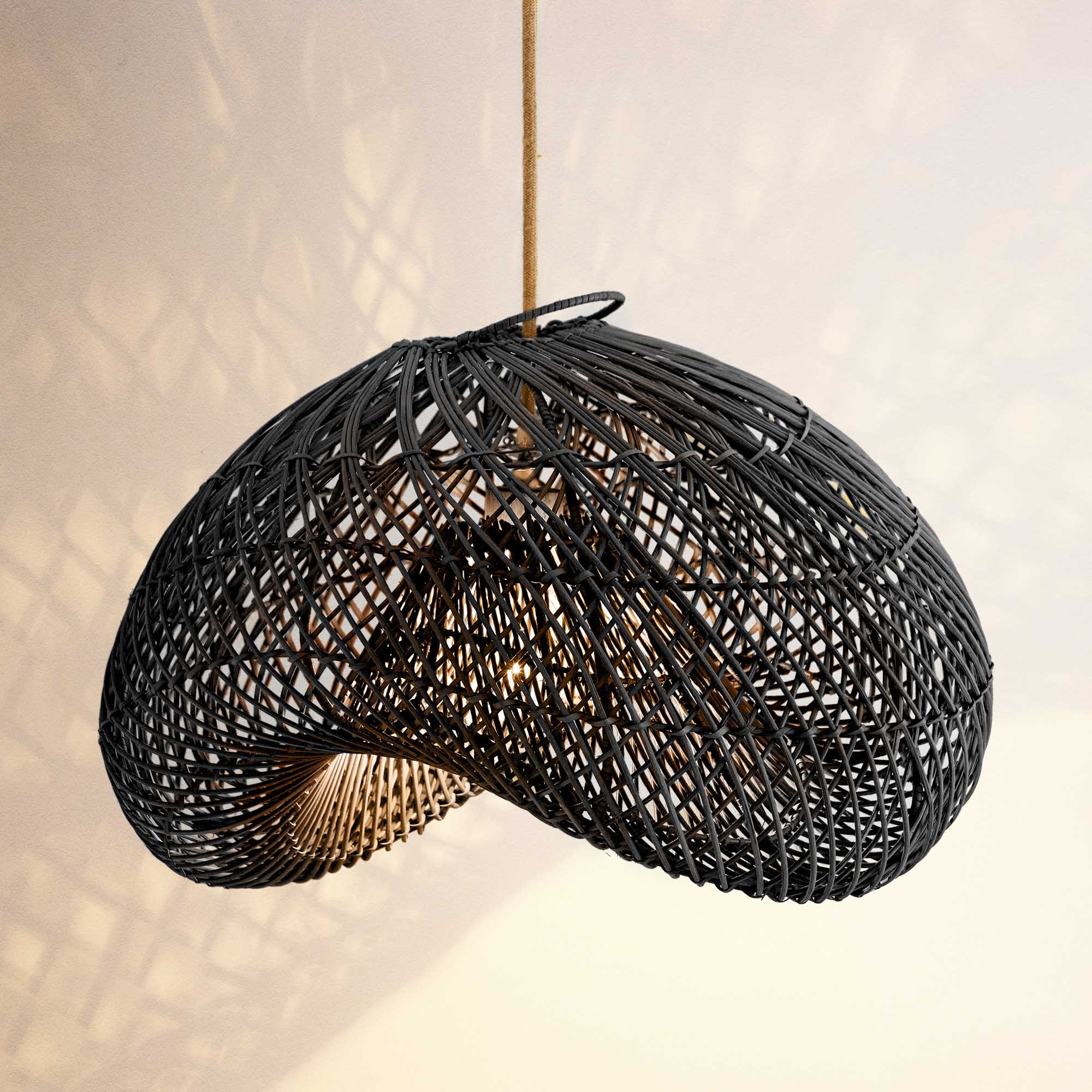
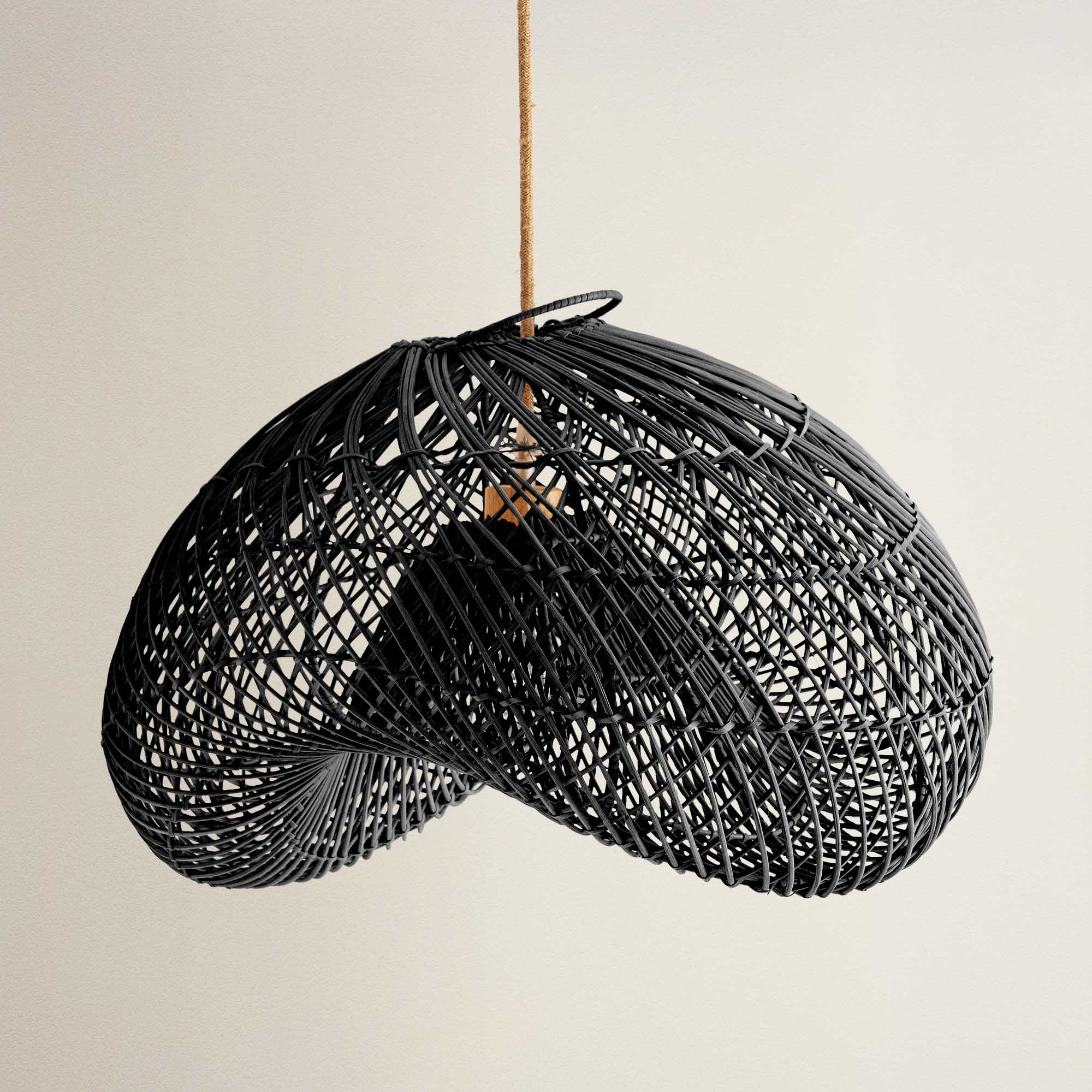
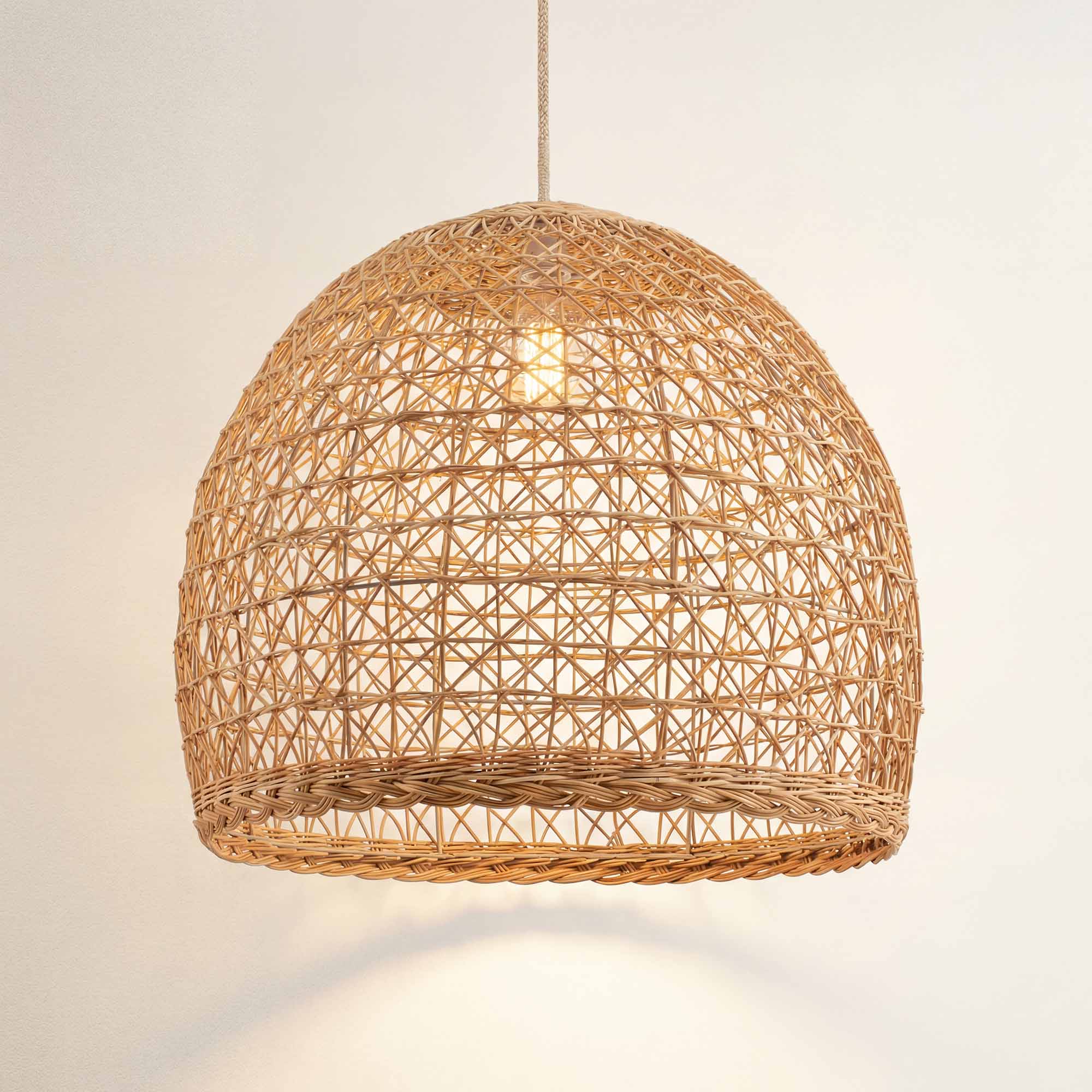
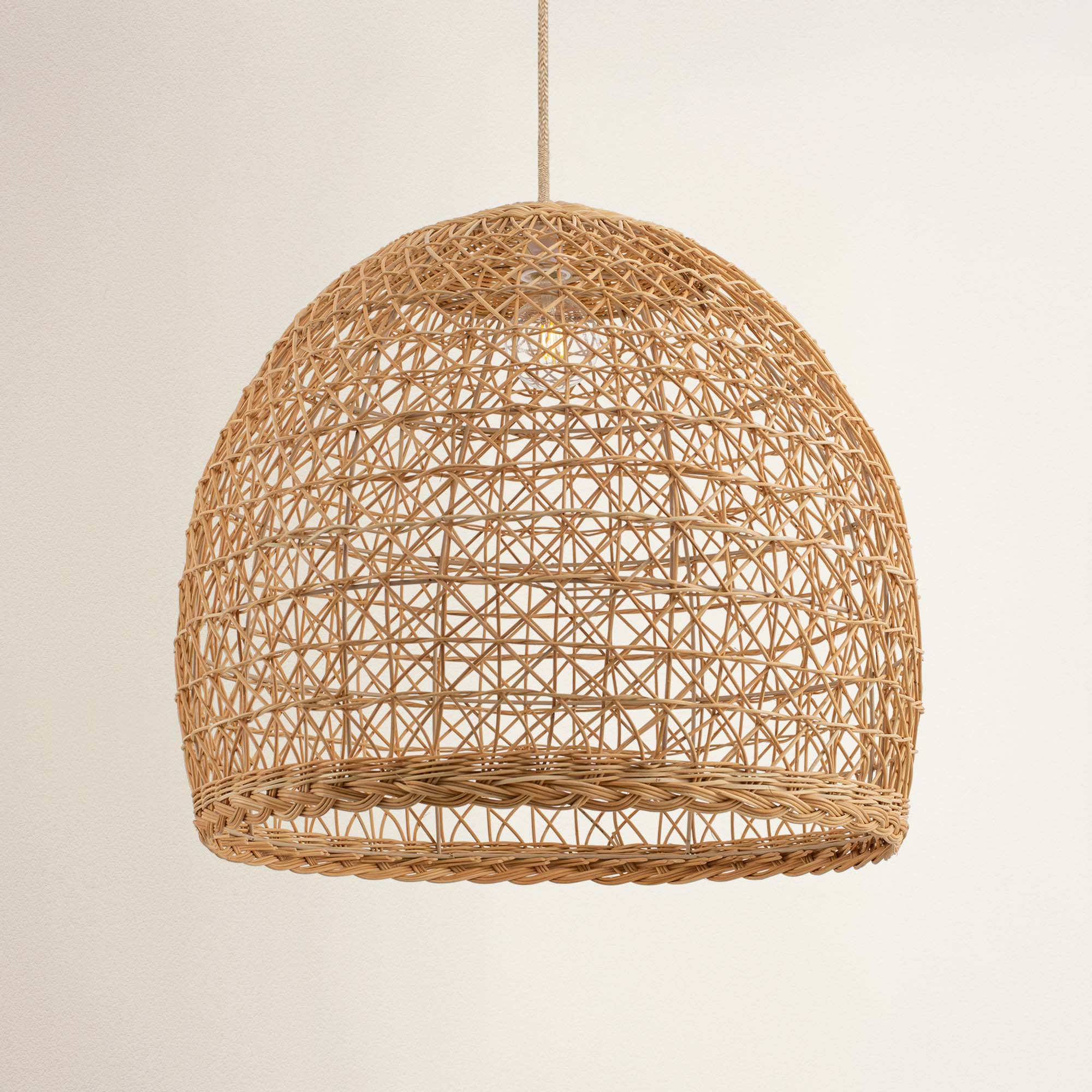
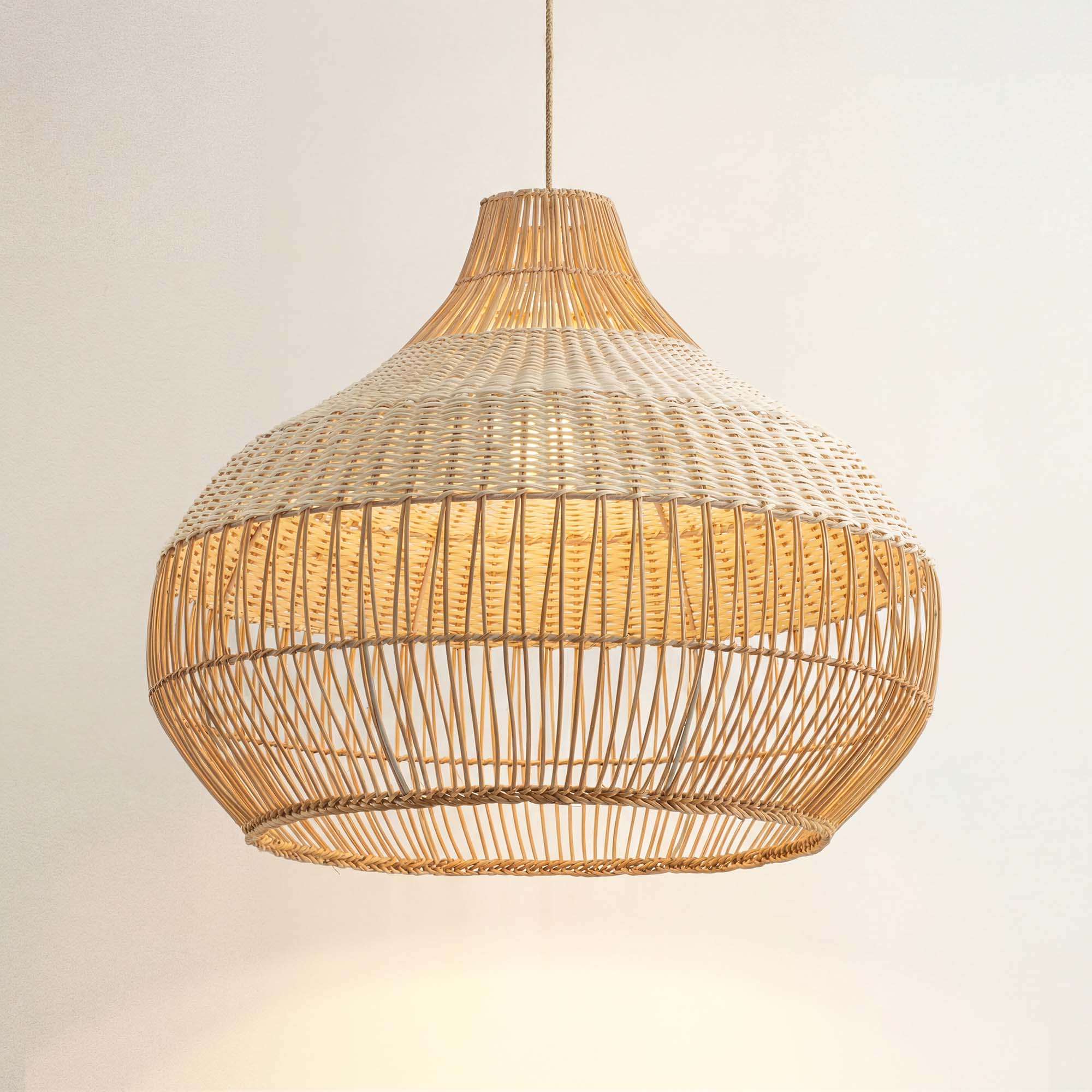
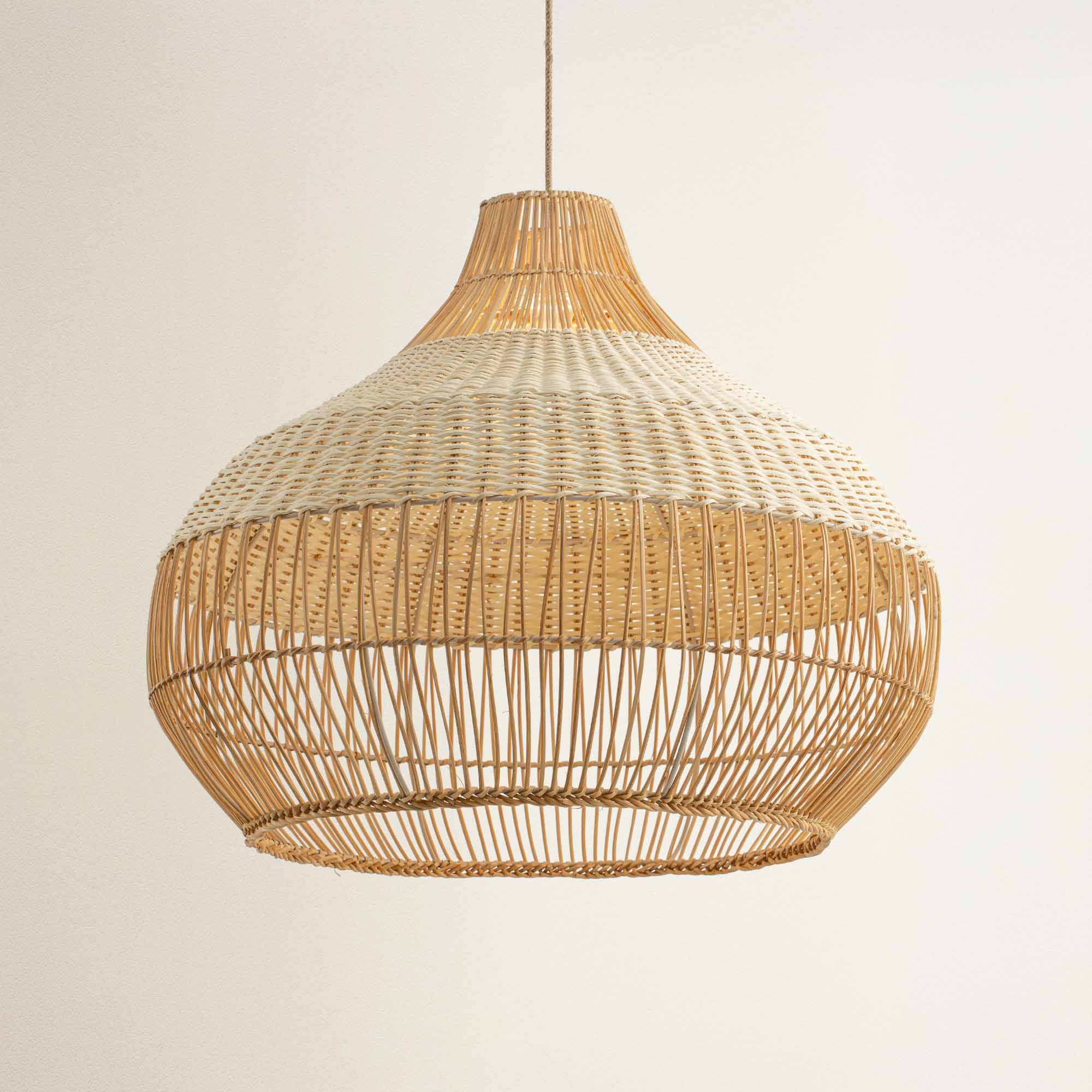
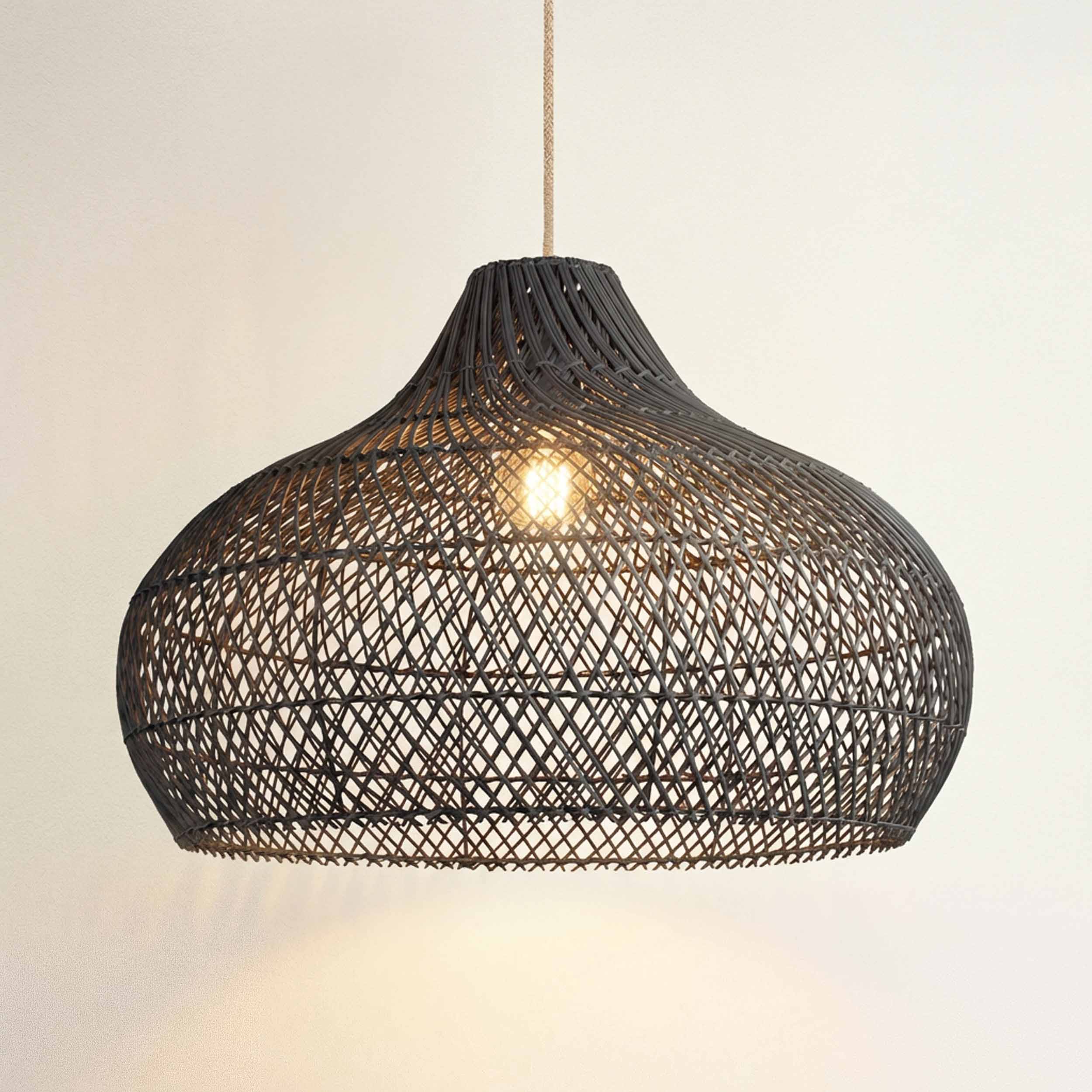
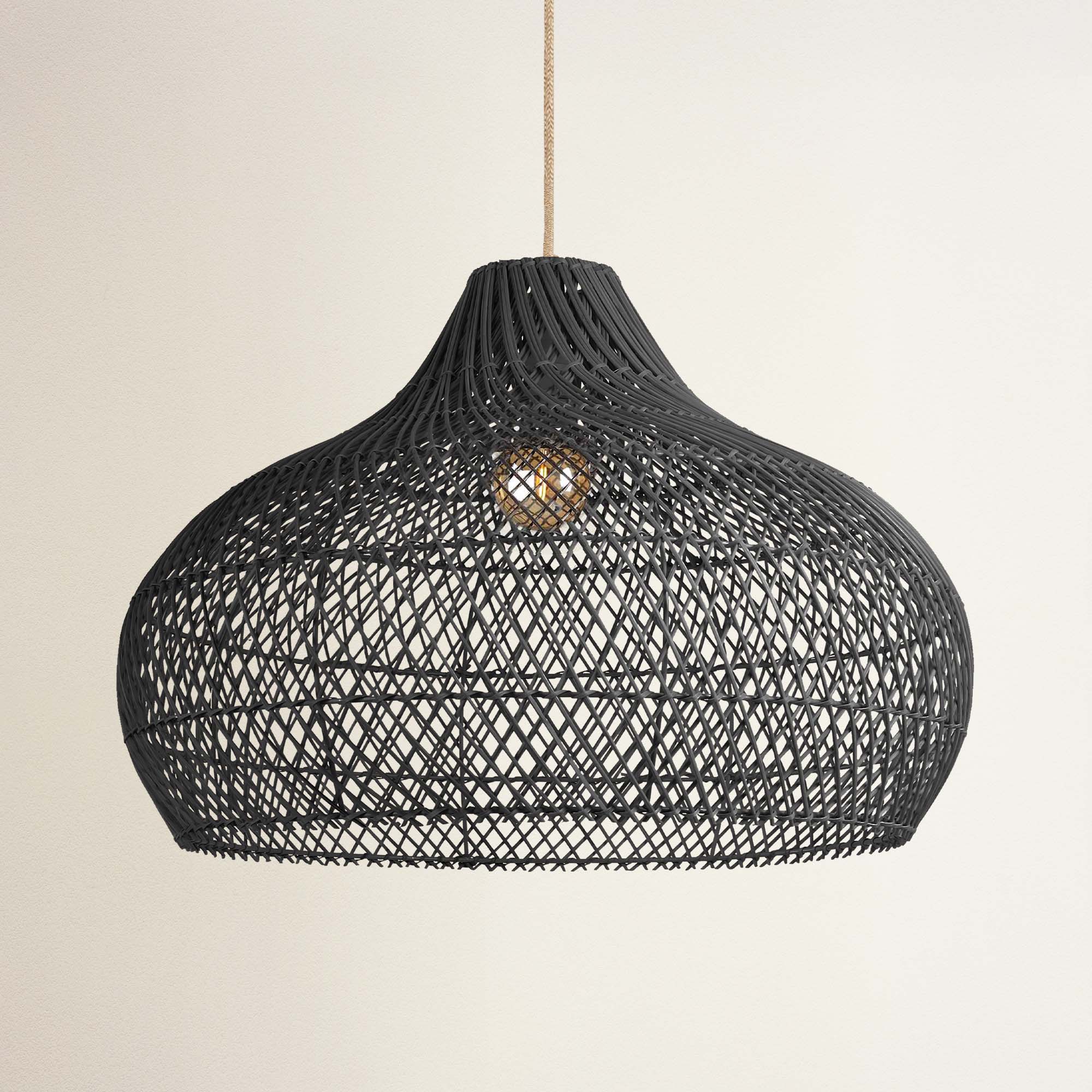
- The measurement alone does not capture the fixture's visual weight, shade depth, or opacity. A deep, solid shade at 34 inches may block sightlines that a shallow, open-weave shade at the same height would not. If the measurement is correct but the fixture still reads as too low, the issue may be the shade's shape or material rather than the hanging height.
Should I measure from the floor, table, or countertop?
- Always measure from the reference surface the fixture is meant to serve. Kitchen island pendants measure from the countertop. Dining chandeliers measure from the tabletop. Walkway fixtures measure from the finished floor. Sconces measure from the floor to the center of the backplate.
How much should I adjust a fixture at one time?
- Adjust 2–3 inches, then retest from all three viewpoints before making any further change. Small increments allow you to identify the exact point where the clearance, sightline, and light coverage tests all pass simultaneously.
Can an 8-foot ceiling accommodate a pendant?
- Yes, over a fixed surface like a kitchen island or dining table, where the pendant hangs toward the surface rather than into a walking zone. In an 8-foot-high open walkway, a pendant typically cannot achieve 7 feet of clearance, which is why flush or semi-flush mounts are usually more appropriate in those spaces.
Conclusion
A fixture at the right height passes five tests: clearance, sightline, light coverage, proportion, and daily usability. Standard measurements are the starting point; the actual position is confirmed by testing from standing, seated, and entry viewpoints under real-use conditions.
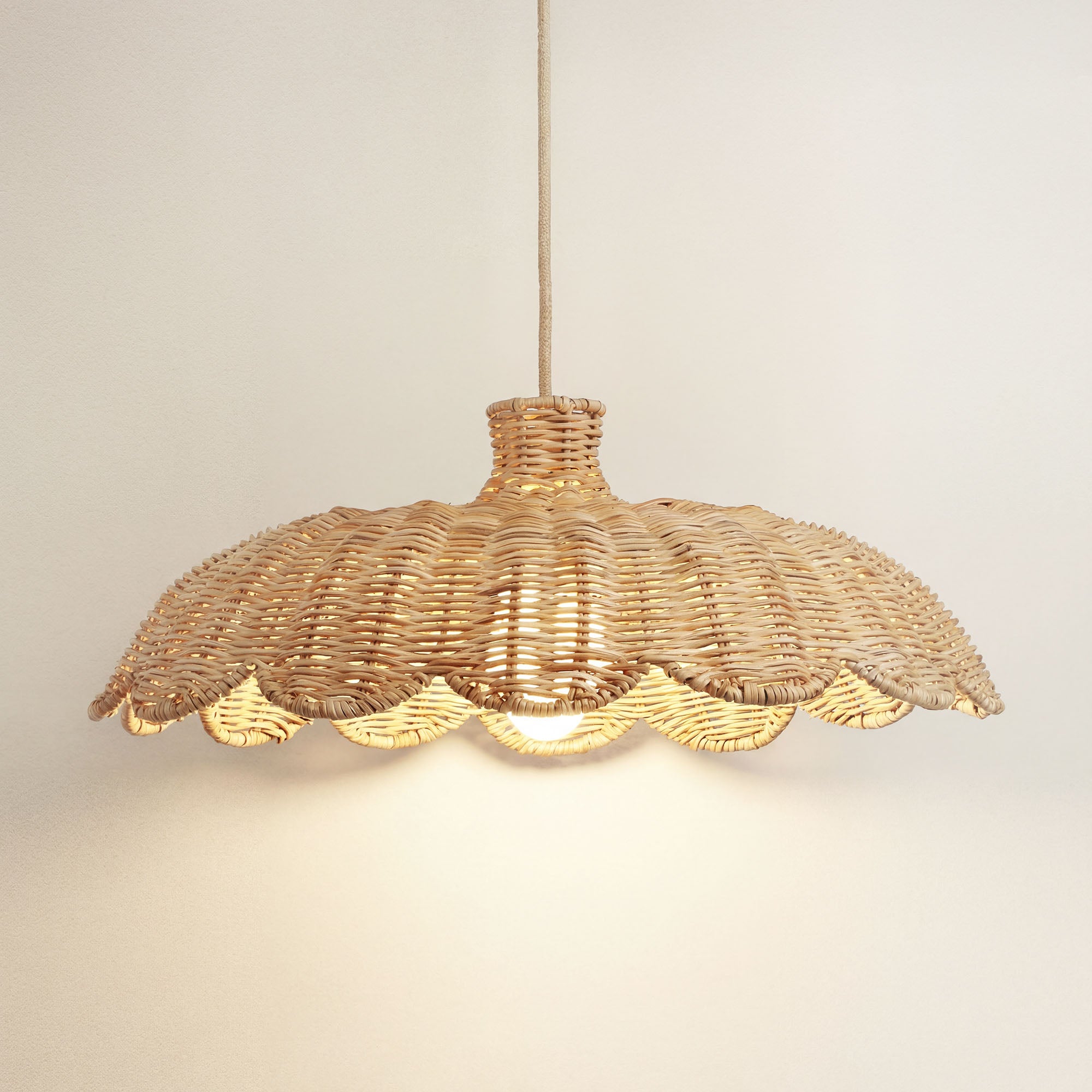
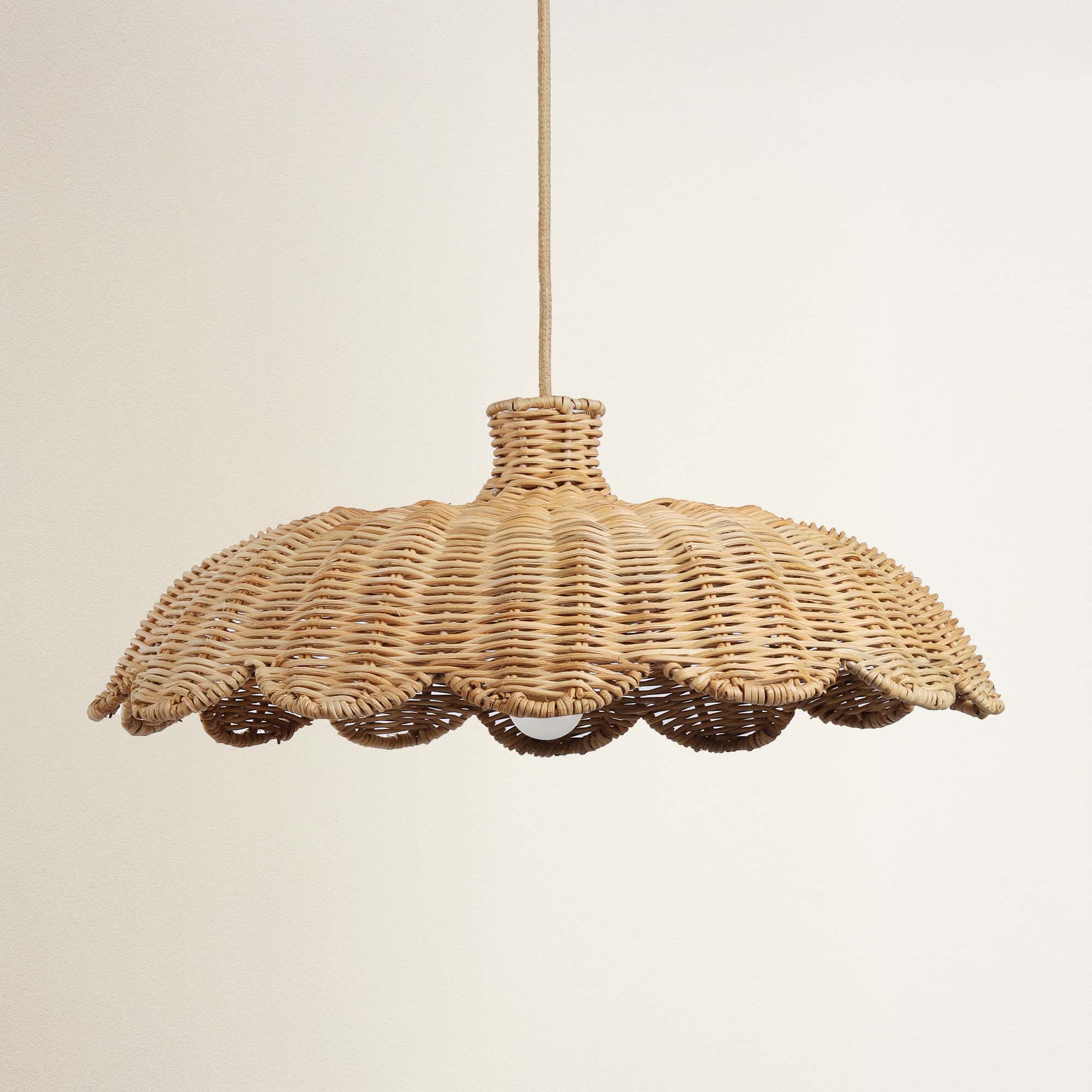
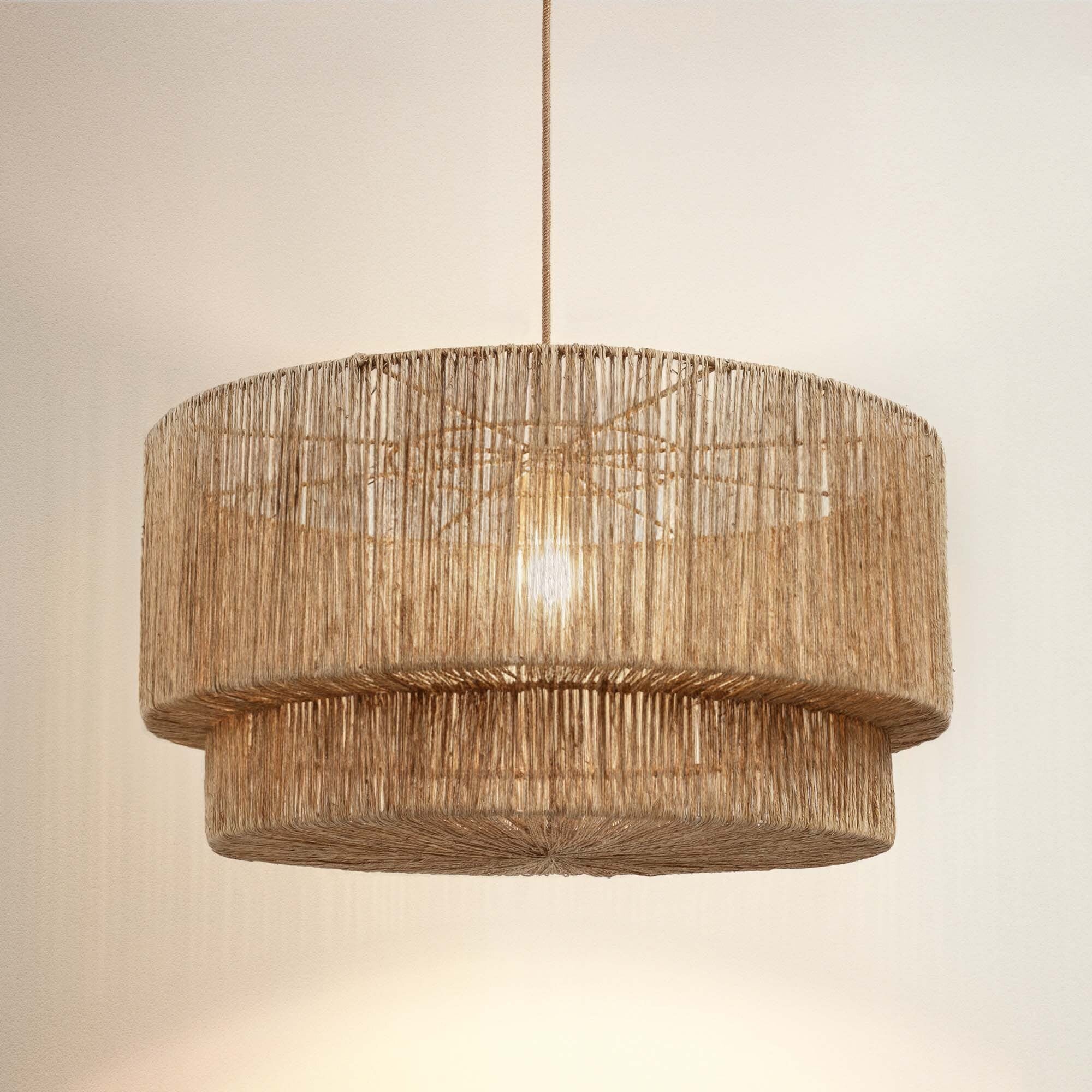
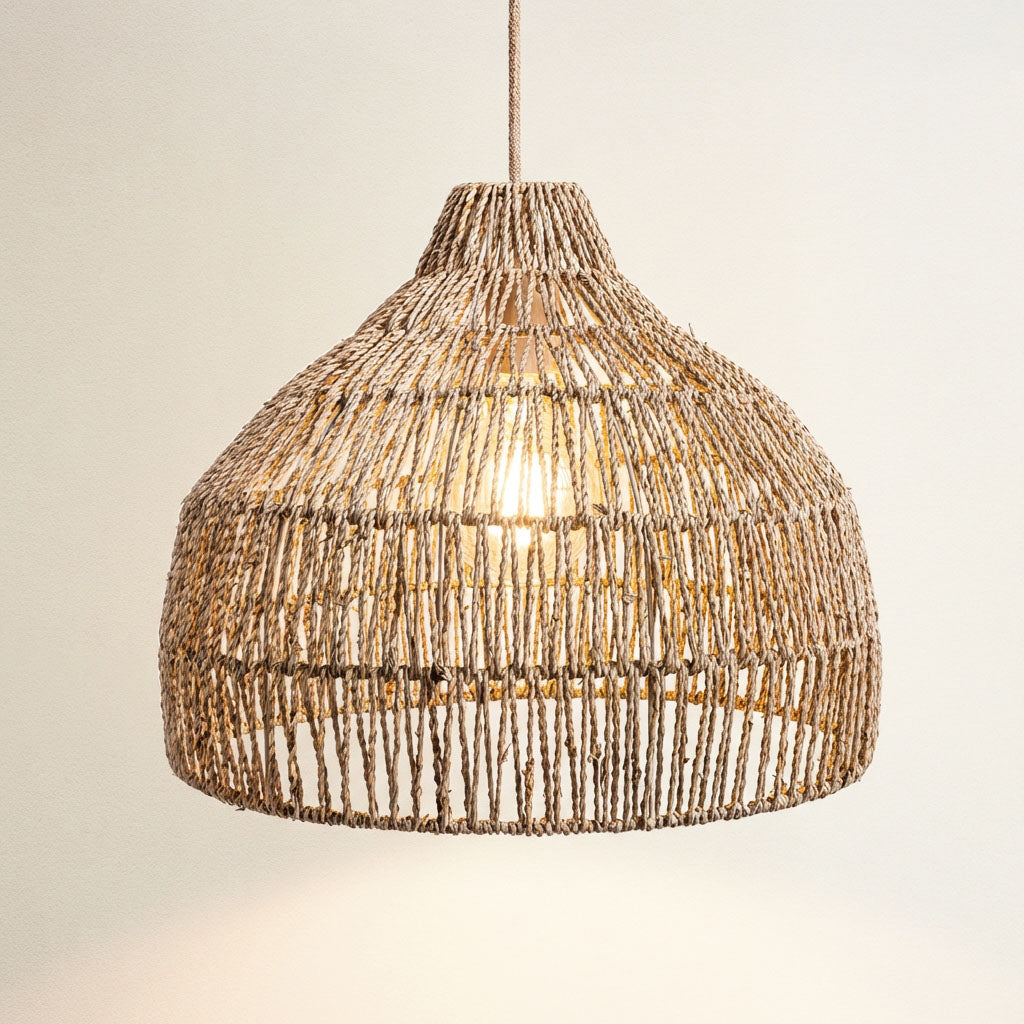
If the height passes every check but the room still feels off, the issue is likely scale, centering, visual weight, or style rather than height. For help choosing a fixture with an open-weave texture that reduces sightline obstruction at the correct height, browse Rowabi's rattan pendant collection or reach out to the team before installing.




Leave a comment
This site is protected by hCaptcha and the hCaptcha Privacy Policy and Terms of Service apply.