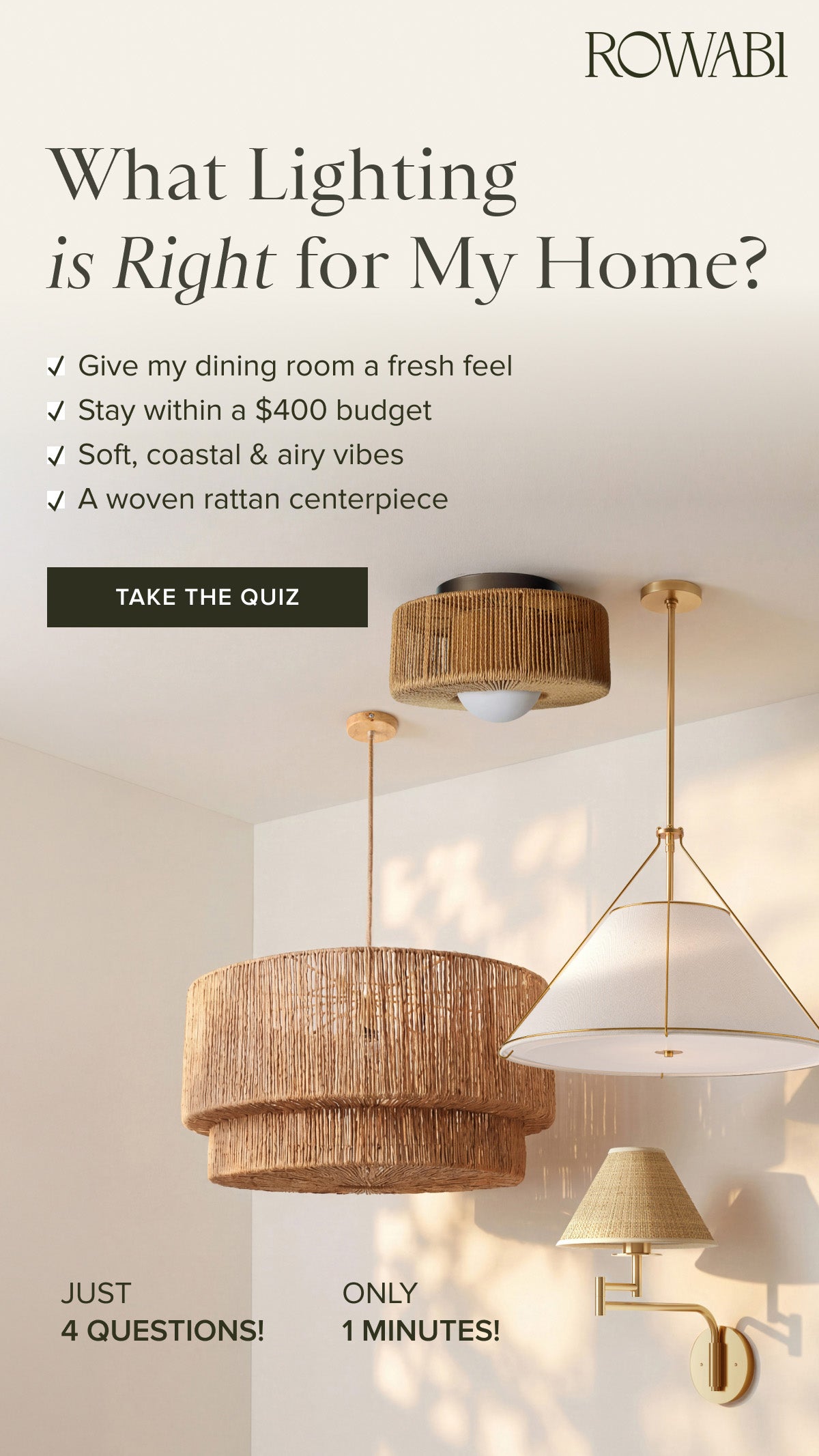
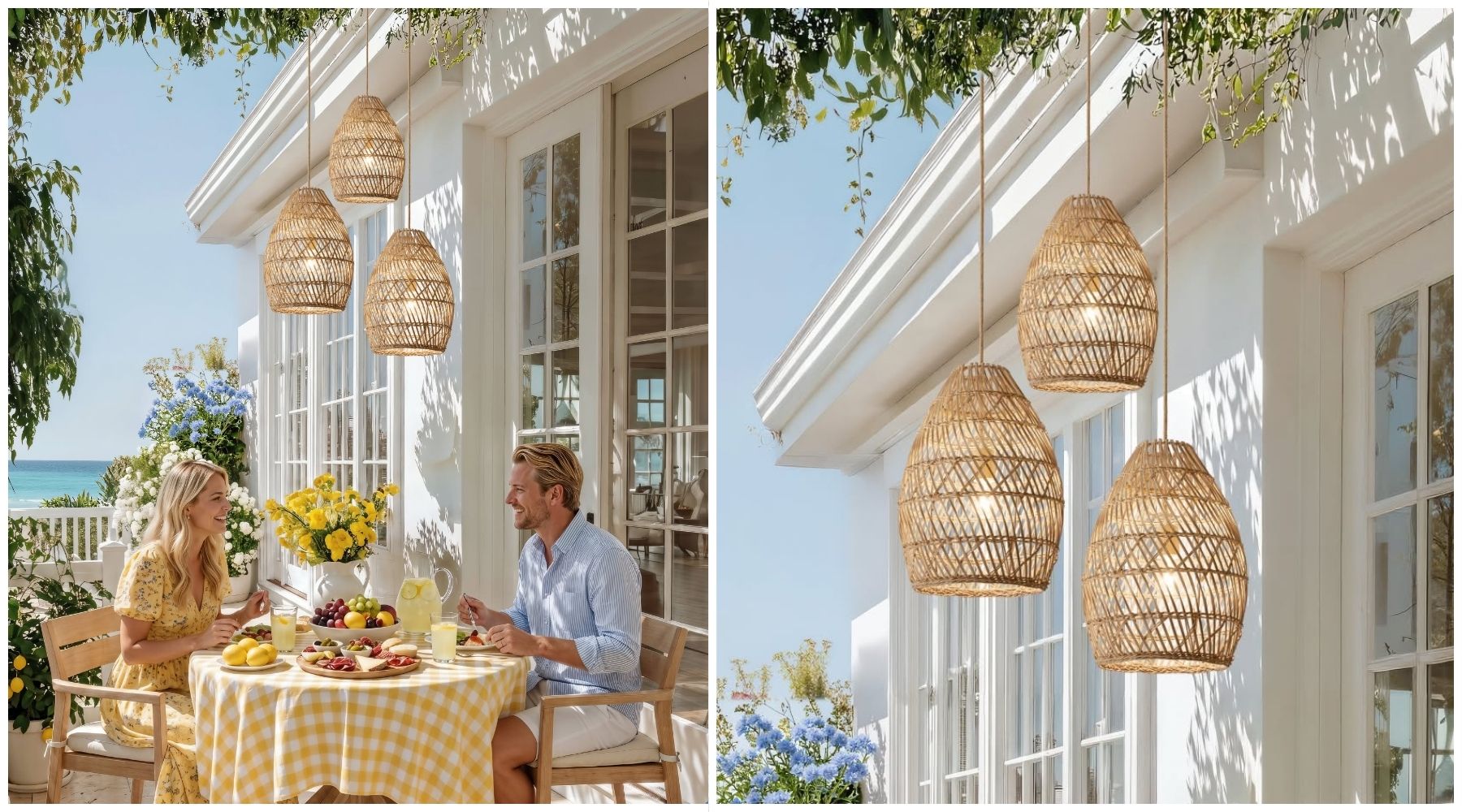
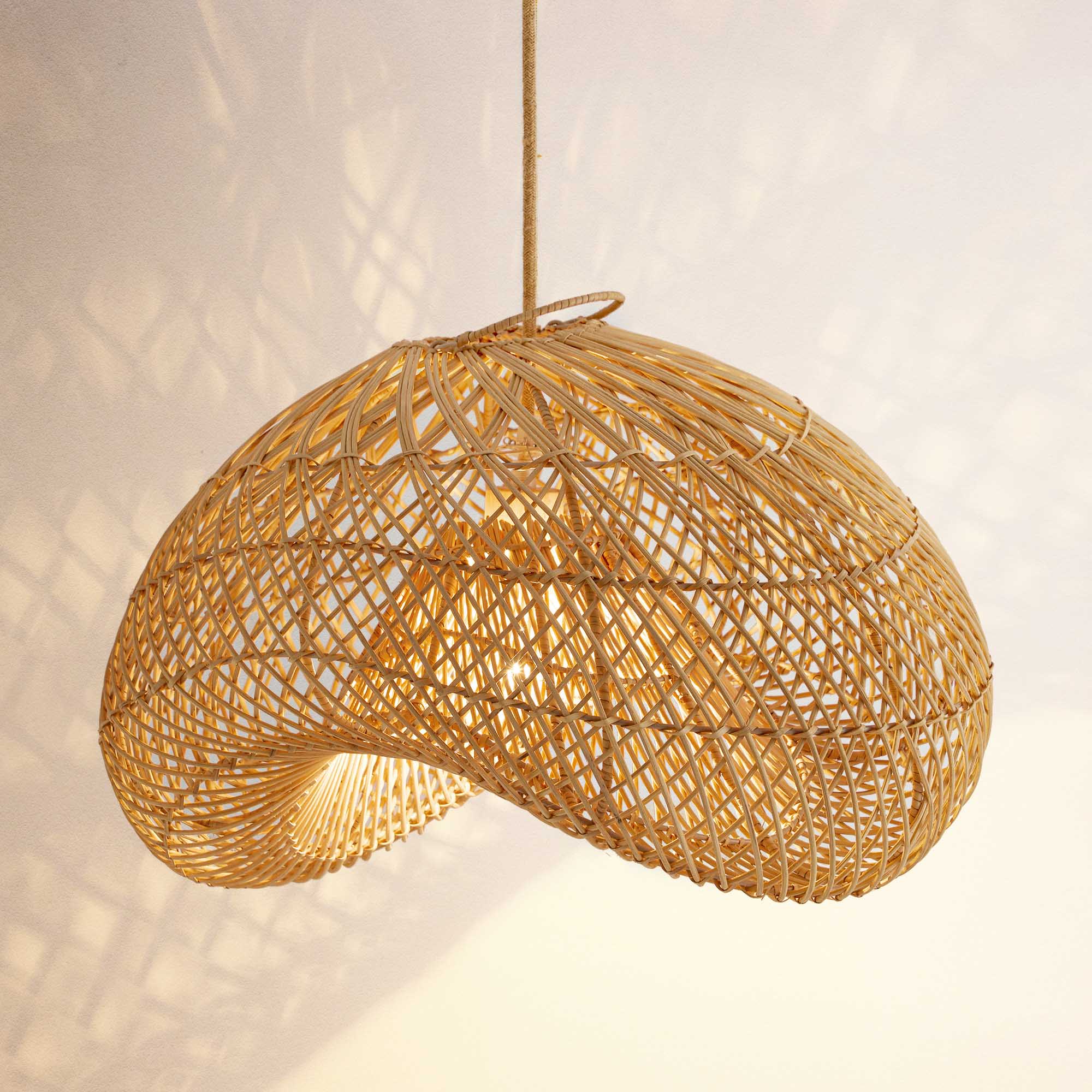
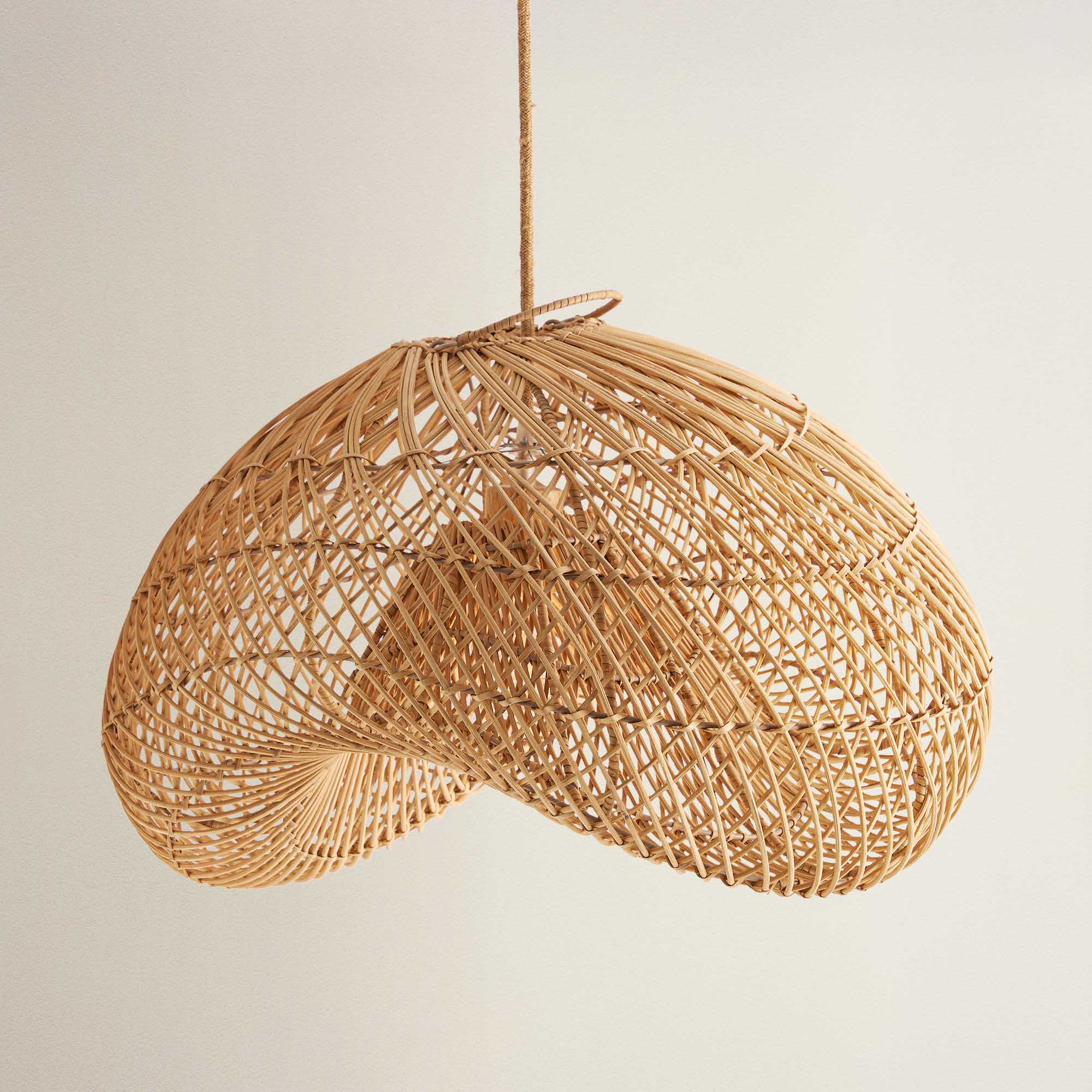
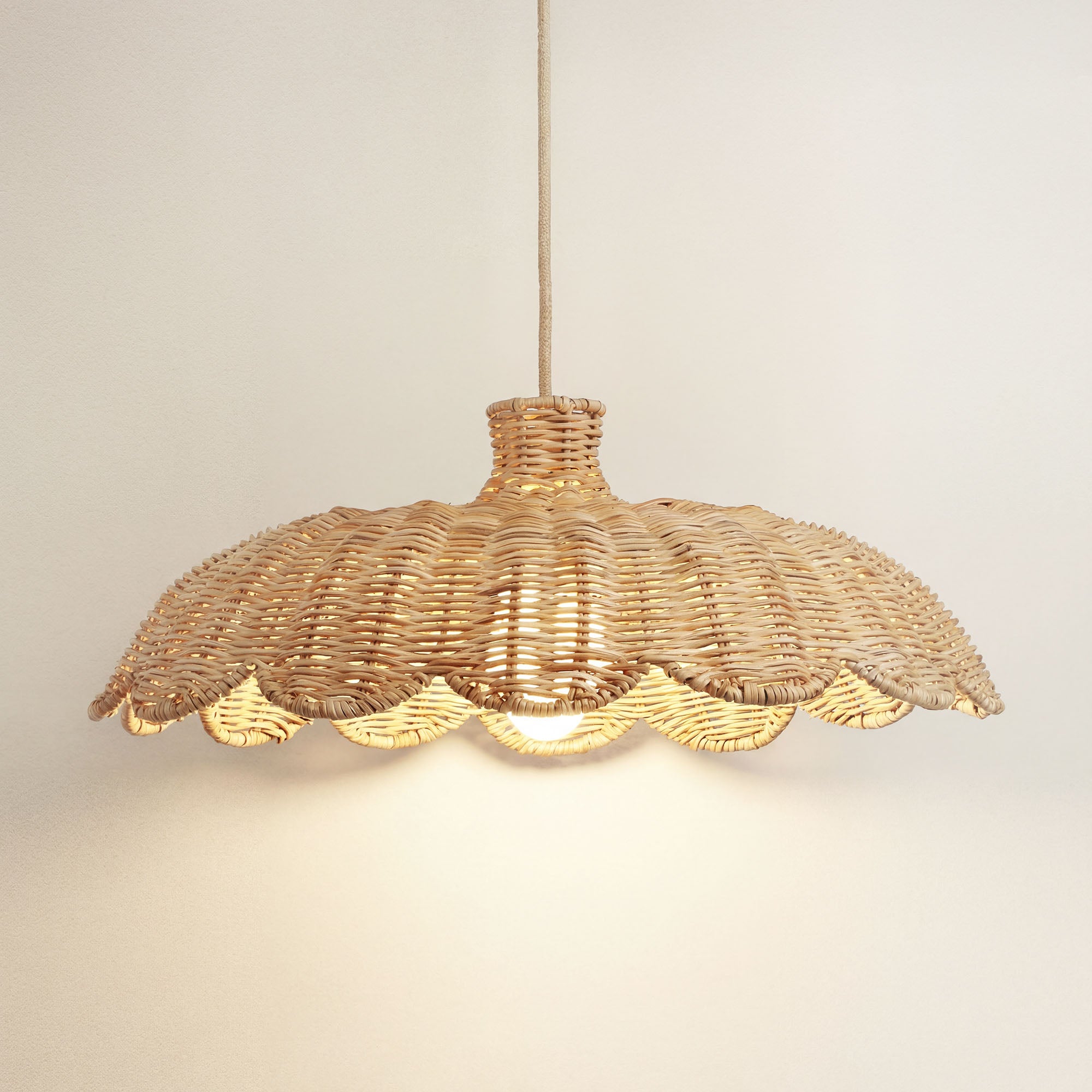
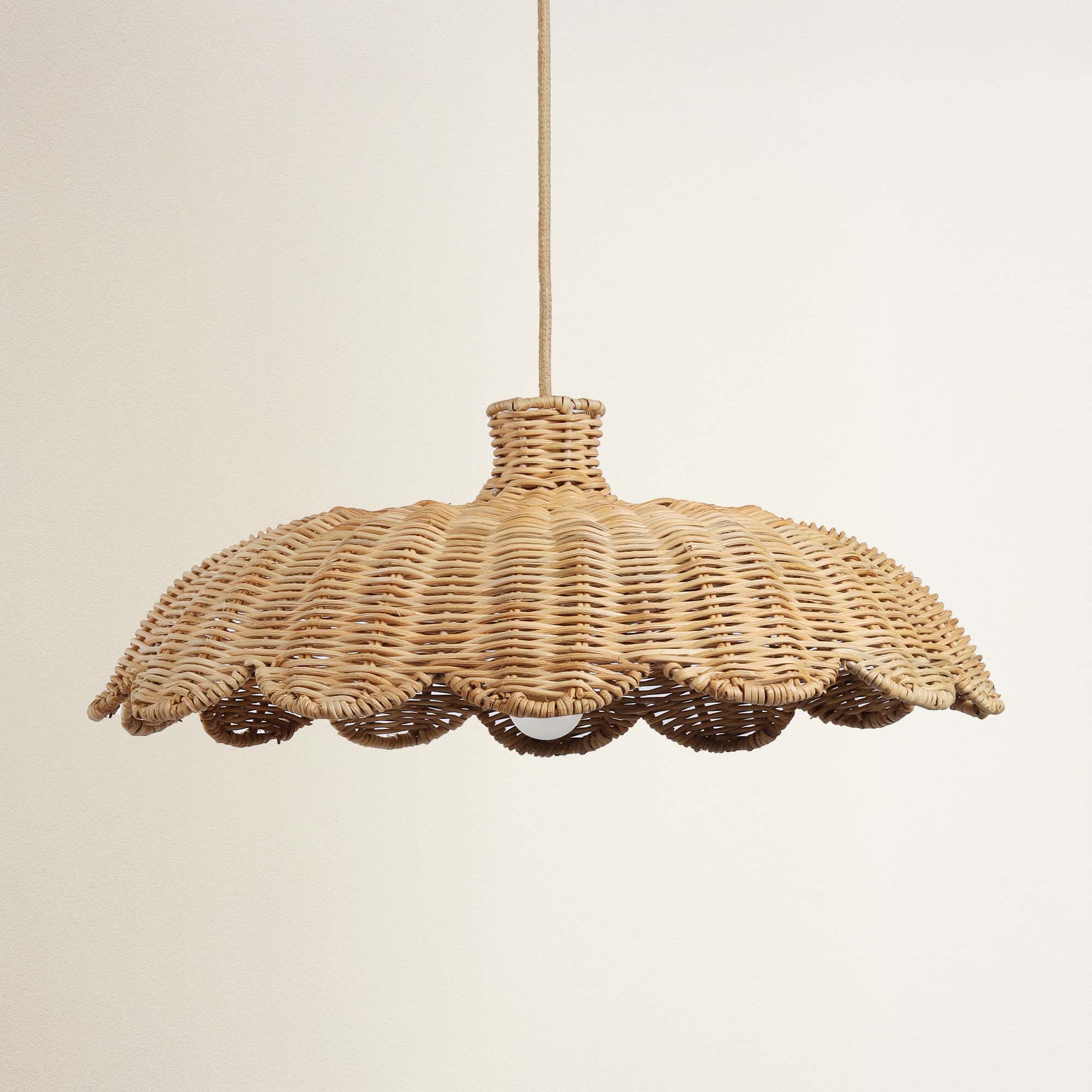
The best setup is not choosing one or the other, but knowing which to use where. Rowabi’s items appear throughout this guide as examples of how fixture material helps warm light do its job even better.
The short version: warm light for sleep and calm, cooler light for focus and activity, dimmable LED for everything in between. Our expert highly recommends a rattan ceiling light or bedside sconce paired with a 2700K bulb, which creates a soft, diffused glow that genuinely supports a child's wind-down routine. And if your older kids need an alert for homework without flooding the whole bedroom with clinical brightness, a focused desk lamp at 4000K is the right choice.
Should kids rooms use warm light or cool light?
The right answer depends on how the room is used, but warm light covers most needs in a kids bedroom.
- Warm light (2700K–3000K): Best for nurseries, bedrooms, bedtime routines, and cozy reading corners
- Cool/neutral light (3500K–4000K): Useful for homework desks, craft tables, and daytime play areas
- Avoid daylight bulbs (5000K+): Too harsh for any sleep-adjacent space because the blue light content actively disrupts melatonin production
- Best setup: Layer warm ambient light with focused cool task light only where focus is needed
- Dimmable LED bulbs give parents the flexibility to shift the same fixture from full brightness at playtime to a low warm glow at bedtime
45-Day Return
45-Day Return
45-Day Return
45-Day Return
45-Day Return

45-Day Return
45-Day Return
45-Day Return
45-Day Return
45-Day Return
45-Day Return
45-Day Return
The science: what do warm light and cool light mean?
Before getting into room-by-room recommendations, it helps to understand what the Kelvin number on a light bulb actually describes, because the terminology is genuinely counterintuitive for most people.
Understanding the Kelvin scale
The Kelvin number on a bulb indicates its color temperature, and the scale runs the opposite of what most people expect: lower numbers are warmer and more orange, higher numbers are cooler and more blue-white.
For example, a candle flame is around 1800K, deeply amber. A clear midday sky is around 6500K - bright and blue. The bulbs available for home use sit between the 2700K warm white common in bedside lamps and the 5000K daylight bulbs sold for workshops and garages.
Warm white (2700K–3000K) and sleep
The reason warm light matters for a child's bedroom is physiological, not just aesthetic. The U.S. Department of Energy classifies 2700K–3000K as warm light, and at these color temperatures, the light emits very little blue-spectrum light, the part of the spectrum most responsible for suppressing melatonin production.
Melatonin is the hormone that signals the body to prepare for sleep; light that mimics the warmth of sunset supports its natural release, while cooler, bluer light suppresses it and signals the brain to stay alert. For a child who needs to wind down for bed, warm light is not a preference; it is the biologically appropriate choice.

Neutral and cool white (3500K–4000K) and focus
At 3500K–4000K, light begins to simulate morning daylight rather than evening warmth, which is why it supports alertness and concentration. The DOE notes that cooler light produces higher visual contrast, which helps with reading fine print, distinguishing colors, and the kind of focused attention that homework and craft activities require.
For a dedicated study desk or a daytime playroom, this slightly brighter, crisper light genuinely improves the conditions for focused work. The key is keeping it targeted, like a desk lamp rather than an overhead fixture, so it serves focus without flooding the whole bedroom with the signal to stay awake.
Why does a higher Kelvin temperature not mean more heat
One of the most persistent misconceptions about LED bulbs is that a "cooler" color temperature means a hotter-running bulb. Kelvin measures the color appearance of the light, not the fixture's heat output.
According to the DOE, LED bulbs emit very little heat compared to incandescent bulbs and are cool to the touch regardless of their color temperature, and a 4000K LED bulb runs at essentially the same low temperature as a 2700K LED bulb. Both are safe in a kids room; the distinction between them is entirely about the color of the light they produce.
Where to use warm light (2700K–3000K) in kids rooms
Warm light belongs in every part of a kids bedroom that is used for calm, rest, or the transition toward sleep. The following spaces benefit most directly from staying within the 2700K–3000K range.
Nurseries and toddler rooms
A nursery should be a warm, light-only environment. Infants and toddlers do not yet have the learned associations with light and sleep that older children develop. They respond almost entirely to biological cues, and light color is among the strongest of those cues.
Pediatric sleep specialists consistently recommend keeping the sleep environment at or below 3000K to protect the developing circadian rhythm and help infants return to sleep after nighttime wake-ups, without the light triggering a "morning" response in the brain.

A warm, dimmable ceiling fixture as the primary light source, paired with a very low amber night light for overnight checks, covers every lighting need a nursery has.
Cozy reading corners
For a child reading in a dedicated nook or on a floor cushion, warm white light around 2700K–3000K is more comfortable than bright cool light because it reduces the glare contrast between the white page and the surrounding environment. The DOE identifies glare (light that creates uncomfortable brightness relative to its surroundings) as a key cause of visual fatigue.
Warm light at moderate brightness (typically 400–600 lumens is sufficient for reading) produces softer, more even illumination that is easier to sustain over a longer reading session.

For instance, a rattan wall sconce positioned over the shoulder and paired with a 2700K bulb is particularly effective here because the woven surface diffuses the light before it reaches the page, eliminating the harsh direct beam that an exposed bulb creates.
Bedtime routines and nighttime checks
The most critical time to have warm light in place is the 30–60 minutes before a child goes to bed. Dimming the lights gradually during this window, through a dimmer switch or a smart bulb with a scheduled routine, mimics the natural light reduction of sunset and gives the body time to begin the melatonin transition.
For nighttime parental checks, a very low-level warm light (a 2700K night light or a dimmed bedside sconce at 5–10% brightness) provides enough visibility to check on a child without flooding the room with the alerting signal that a full ceiling light would create.
Shared bedrooms at night
When two children share a bedroom with different bedtimes or sleep schedules, a warm, directional bedside sconce with a narrow light spread allows one child to read while the other sleeps. A warm bulb in a focused fixture (like a swing-arm sconce or a small rattan sconce positioned toward the reader) keeps the active light confined to one side of the room.

The warm color temperature reduces the chance of the active light crossing to the sleeping child in a way that disrupts their sleep cycle, which a cooler or brighter light source in the same position would do more readily.
Where to use cool light (3500K–4000K) in kids rooms
Cool and neutral light has a genuine role in a kids room. It just belongs in specific zones for active, focused daytime work, not as ambient lighting in a space also used for sleep.
Homework desks and older kids' study zones
For children doing homework, reading textbooks, or working at a computer, 3500K–4000K task lighting improves visual comfort over long study sessions. At these color temperatures, the light produces greater contrast between text and background, which reduces the effort the eye requires to track lines of small type. This is particularly useful for older children doing more demanding reading or writing, where the visual demands are closer to adult-level sustained focus.

The key is positioning: the cool light should come from a desk lamp directed at the work surface, not from an overhead ceiling fixture that sets the room's color temperature.
Craft tables and daytime playrooms
A craft table is one of the places where color rendering quality matters most, because children are making active decisions based on color perception like distinguishing shades of paint, selecting Lego pieces by color, and evaluating their drawings accurately.
The Color Rendering Index (CRI) of a bulb, which measures how accurately it represents color compared to natural daylight, is often higher in 4000K bulbs than in 2700K bulbs, meaning colors look more true-to-life.

For a dedicated daytime play space or art corner, a 4000K overhead or task light serves the activity better than warm light does.
Why cool light should never be the main bedroom ceiling light
Using a 4000K or daylight bulb as the primary ceiling light in a child's bedroom creates a fundamental conflict between the room's function as a sleep space and the signal the light is sending to the child's brain. An overhead cool-white light in a bedroom essentially transforms the space into an office environment, keeping the nervous system alert at exactly the time when the goal is to begin winding down.
Even if a child is in bed at the designated hour, a cool-white overhead light running at full brightness will delay the onset of sleep by suppressing melatonin. Reserve 4000K entirely for task-specific, off-overhead applications.
How to layer warm and cool light in a multi-use room
Most kids rooms above toddler age have to serve more than one function: sleep, reading, play, and homework often all happen in the same space. The solution is zone-based layering, not a single compromise color temperature.
- Rule 1 - The warm foundation. Use warm light (2700K–3000K) for the main ceiling fixture, any bedside sconce, and all ambient lighting that stays on through the evening and at bedtime. This sets the room's emotional temperature as calm and restful by default.
- Rule 2 - The focused cool task light. Add a desk lamp or task light at 3500K–4000K only at the homework or craft zone, and switch it off when the work is done. The cool light serves the activity without becoming the room's dominant signal.
- Rule 3 - The dimmer. Install a dimmer on the warm ceiling fixture and use it deliberately. A dimmable 3000K ceiling light at 100% is bright enough for active play; at 30%, it creates the gentle pre-sleep atmosphere that a non-dimmable fixture cannot replicate. Dimmable LED bulbs are required for this to work, and confirming "dimmable" on the packaging before pairing with a dimmer switch is a must.
- Rule 4 - Avoid mixing overhead color temperatures. Running one warm and one cool bulb in the same overhead fixture or recessed layout creates visual inconsistency that makes the room feel unsettled rather than designed. Keep overhead lighting at a consistent color temperature; reserve color-temperature variation for task lighting at floor or desk level.
How fixture materials soften light
Choosing the right Kelvin is half the job. The other half is ensuring the light reaches the child in a diffused, comfortable form rather than as a direct beam that overwhelms young eyes.
Why does diffusion matter as much as Kelvin
Even a 2700K warm bulb, if exposed directly without a shade or diffuser, can create concentrated glare that causes eye strain. The DOE notes that glare occurs when a light source is sufficiently bright relative to its surroundings to make seeing more difficult, and a bare bulb at the ceiling or eye level creates exactly this condition, regardless of its color temperature.
A shade or diffuser disperses the light before it reaches the room, spreading it across a wider area at a lower intensity. This is why the fixture material matters alongside the bulb choice.
Rattan and woven shades
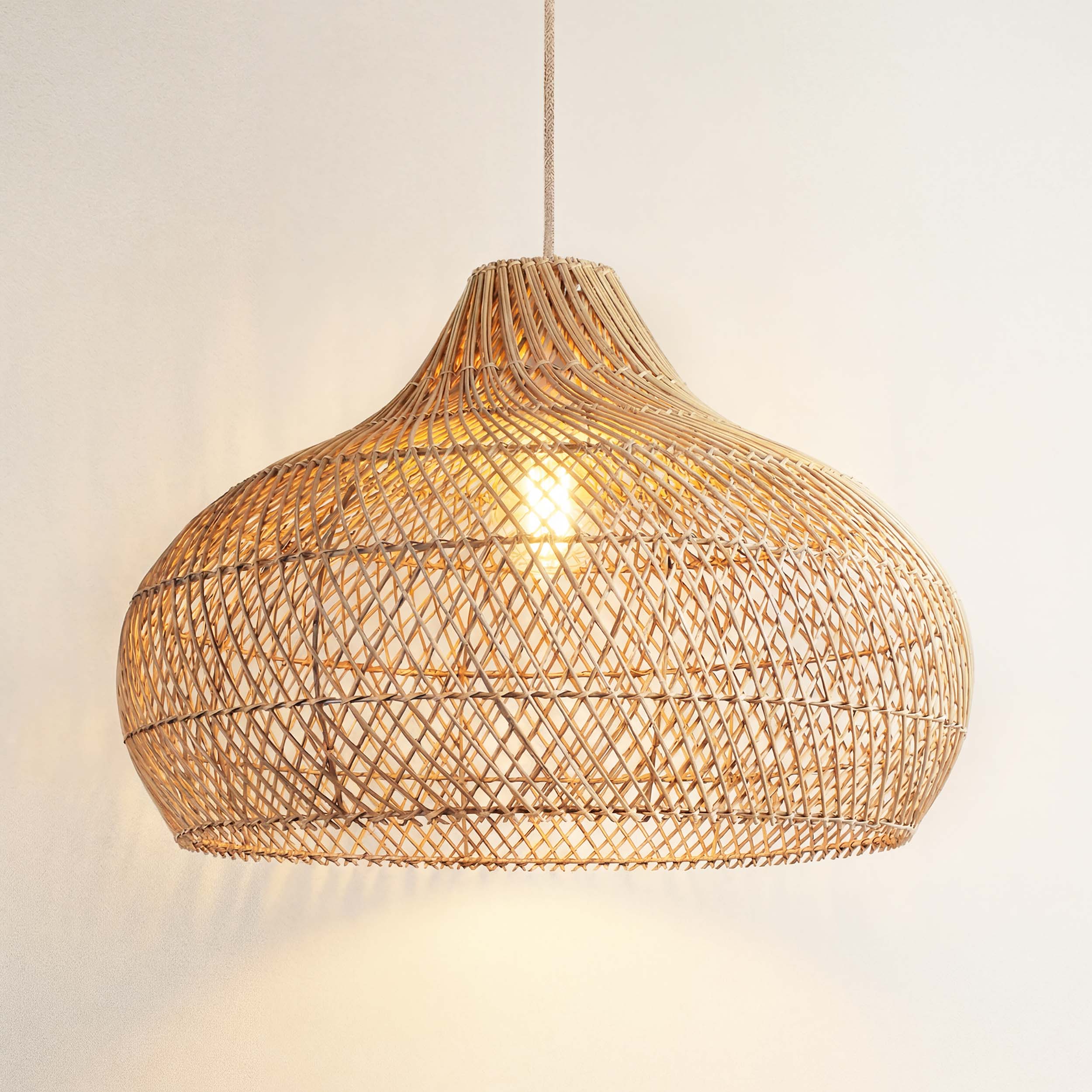
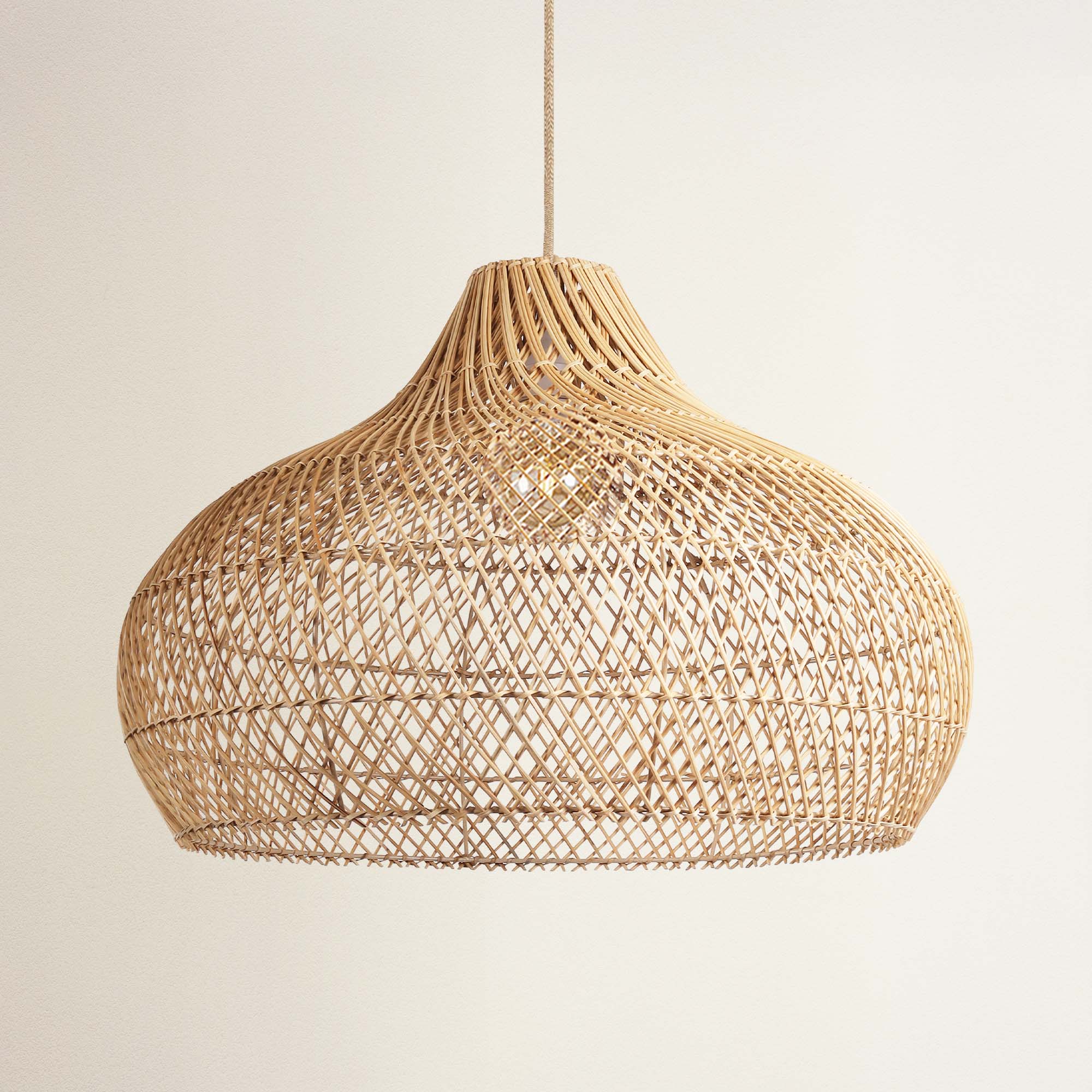
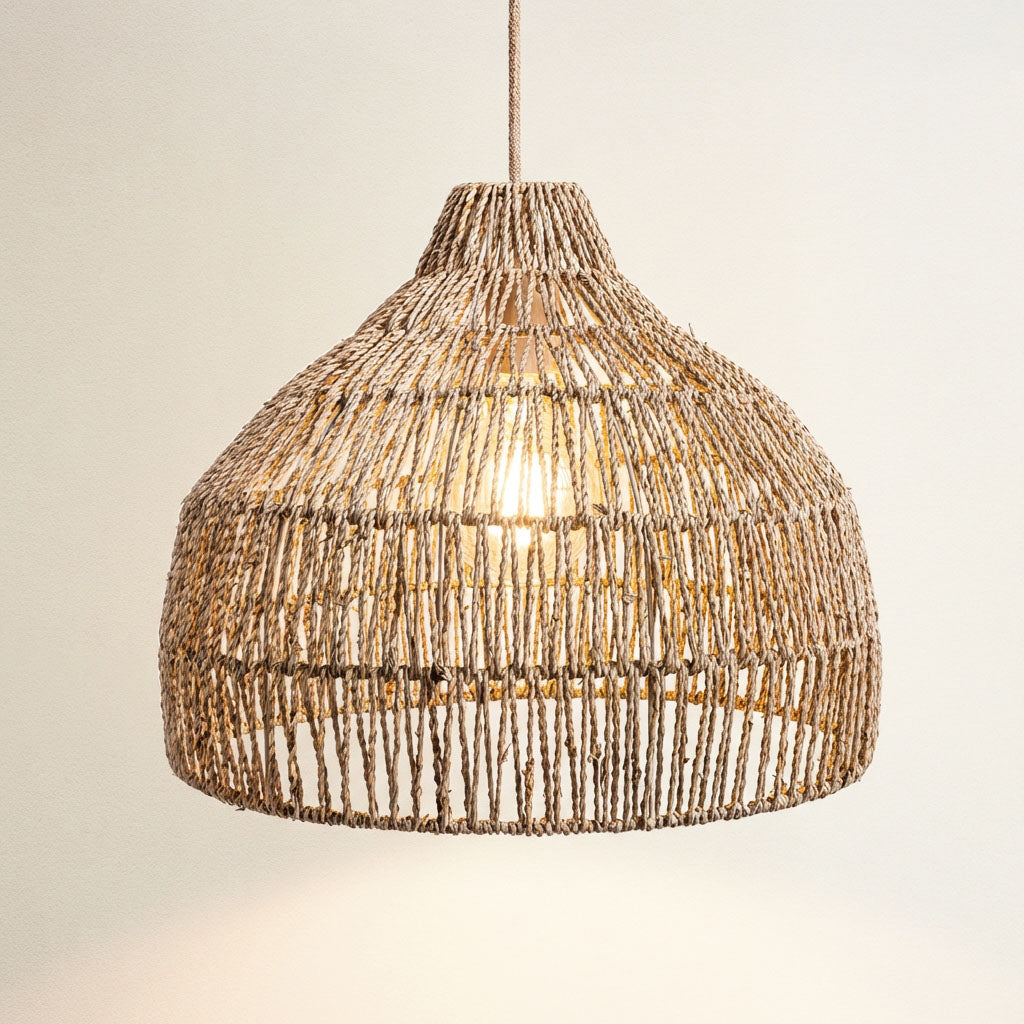
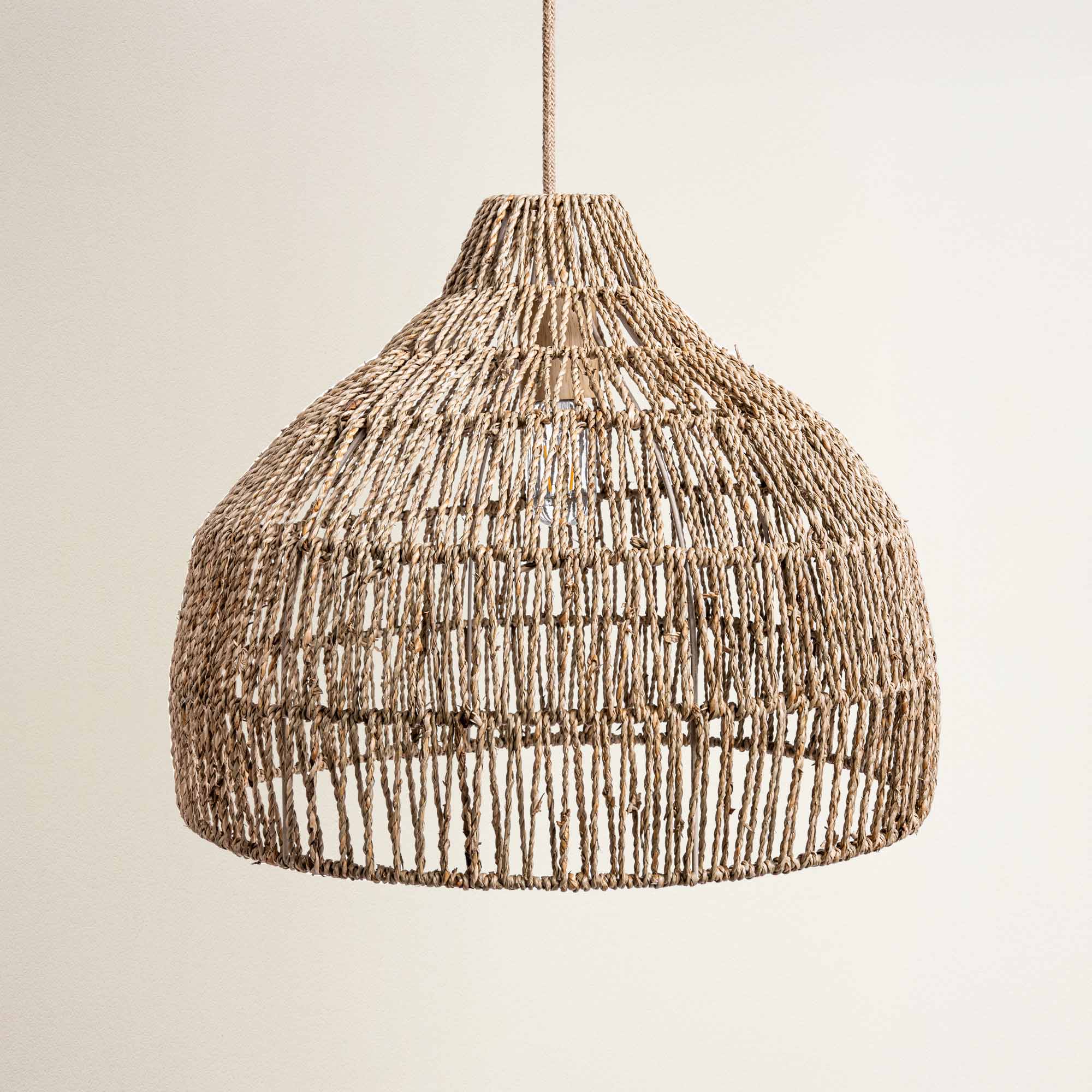
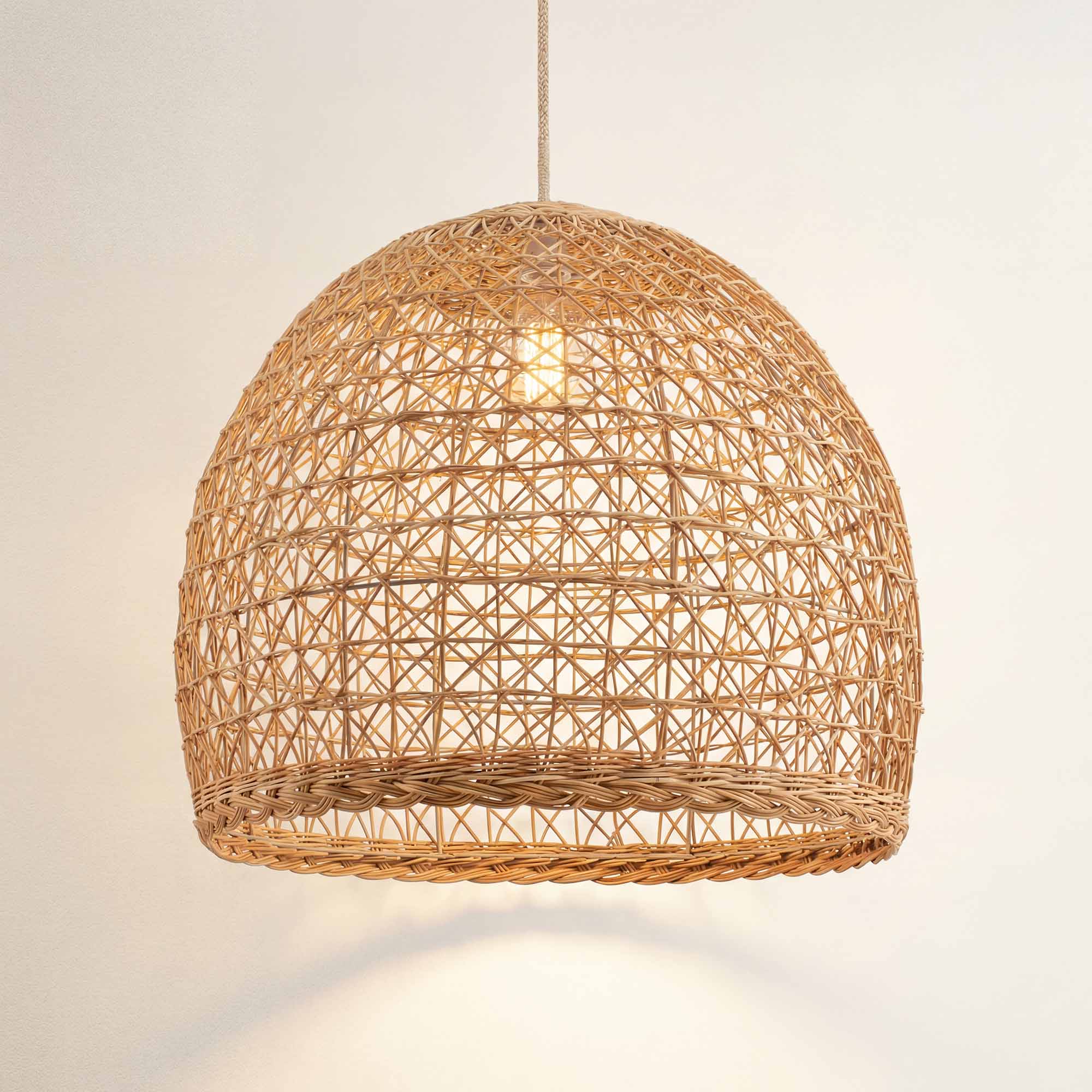
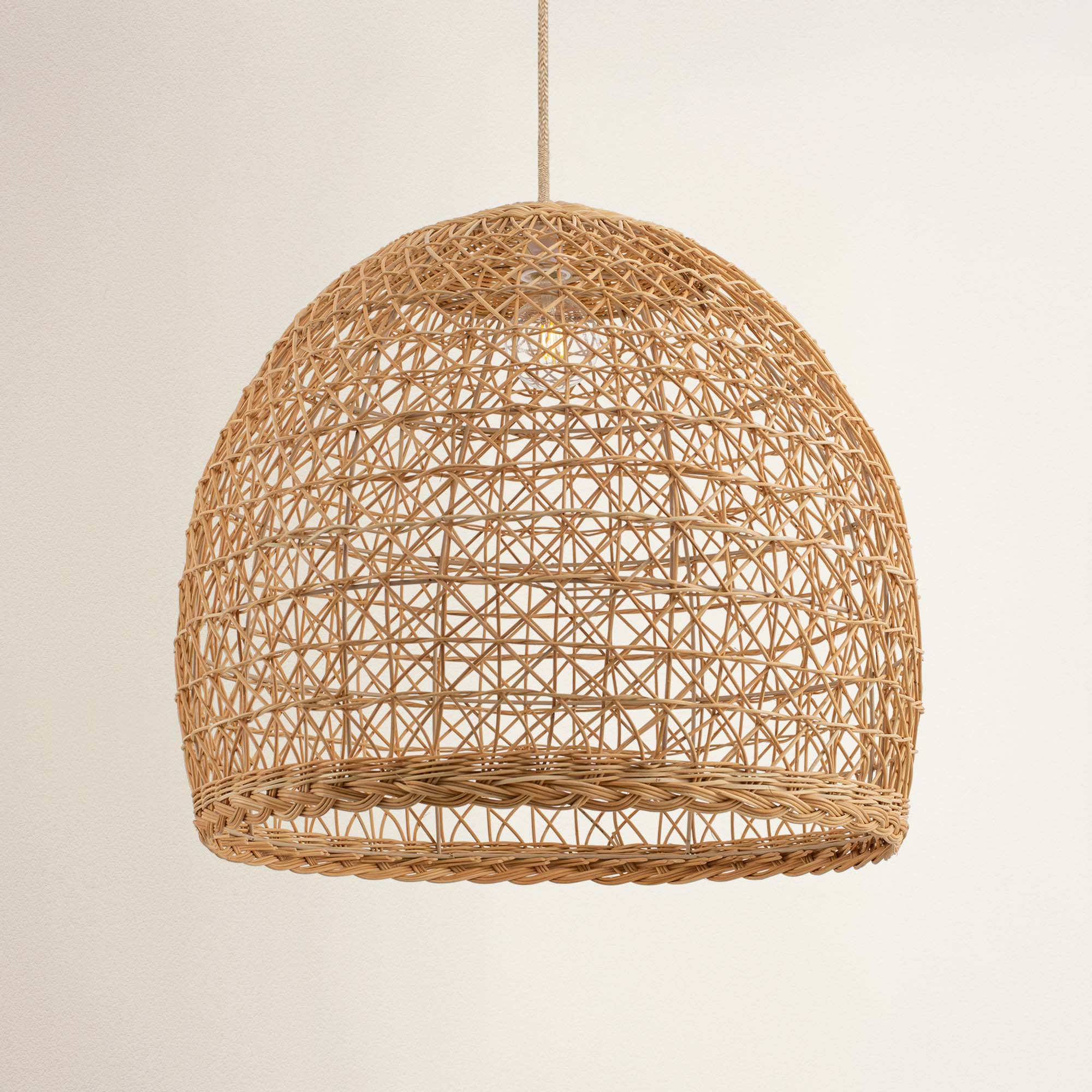
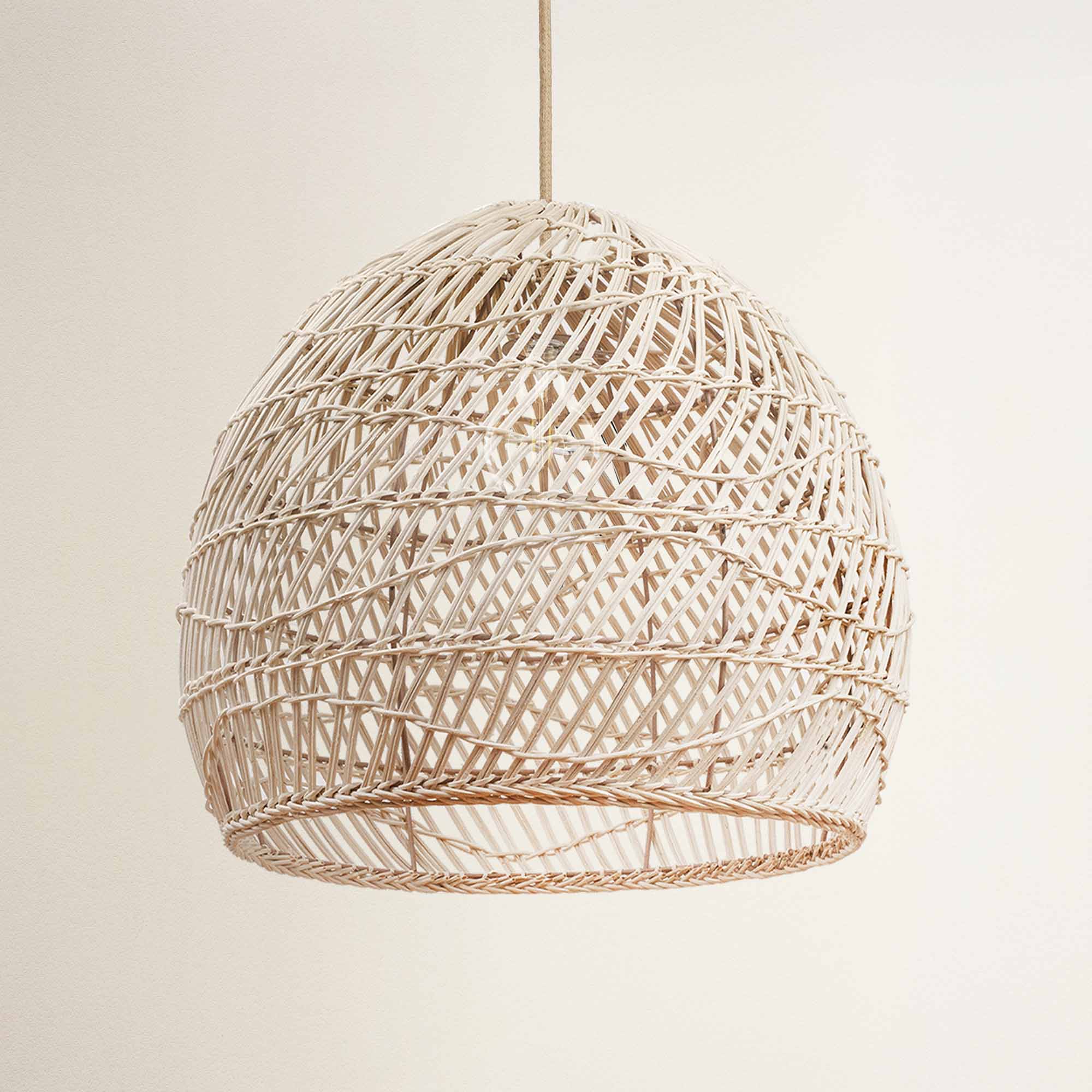
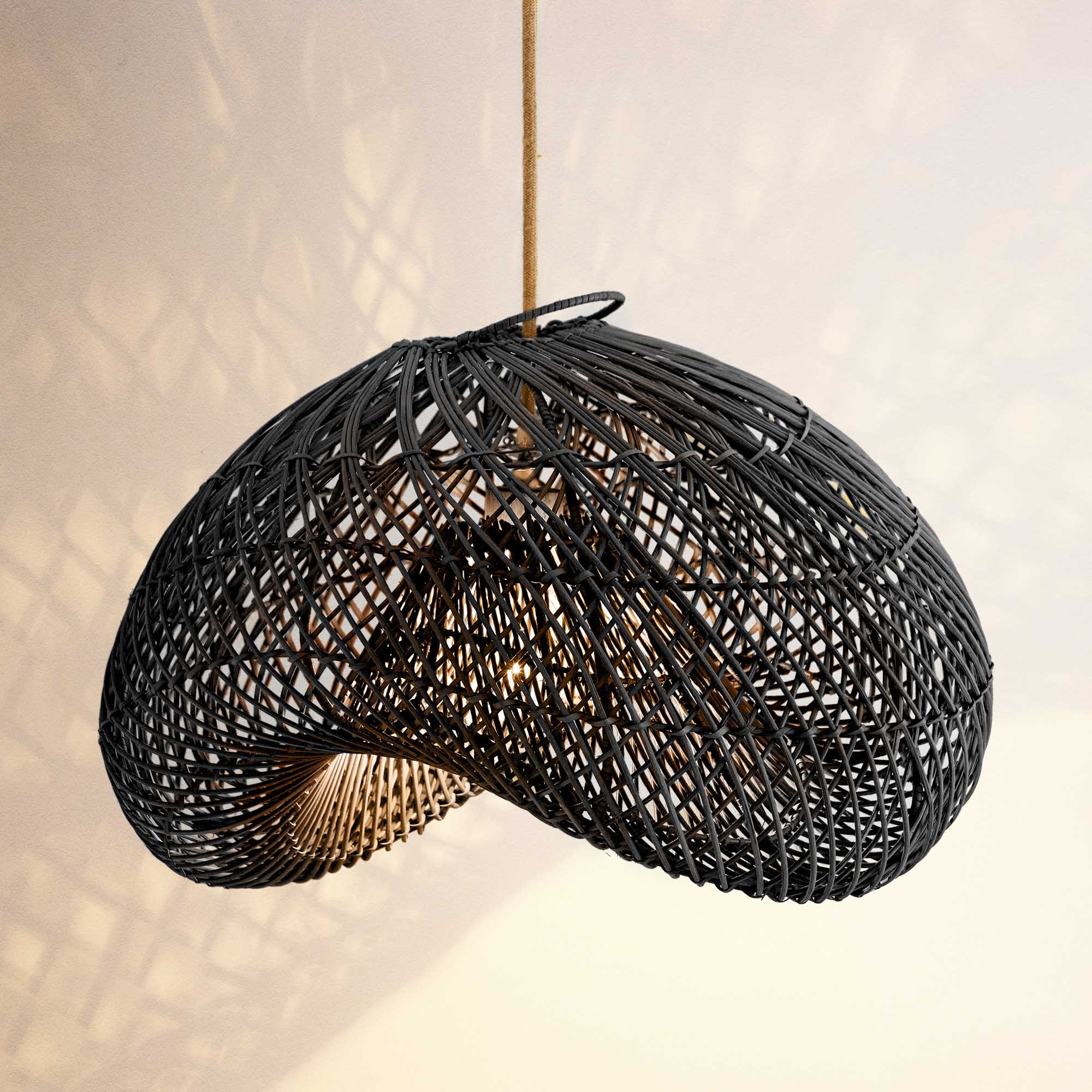
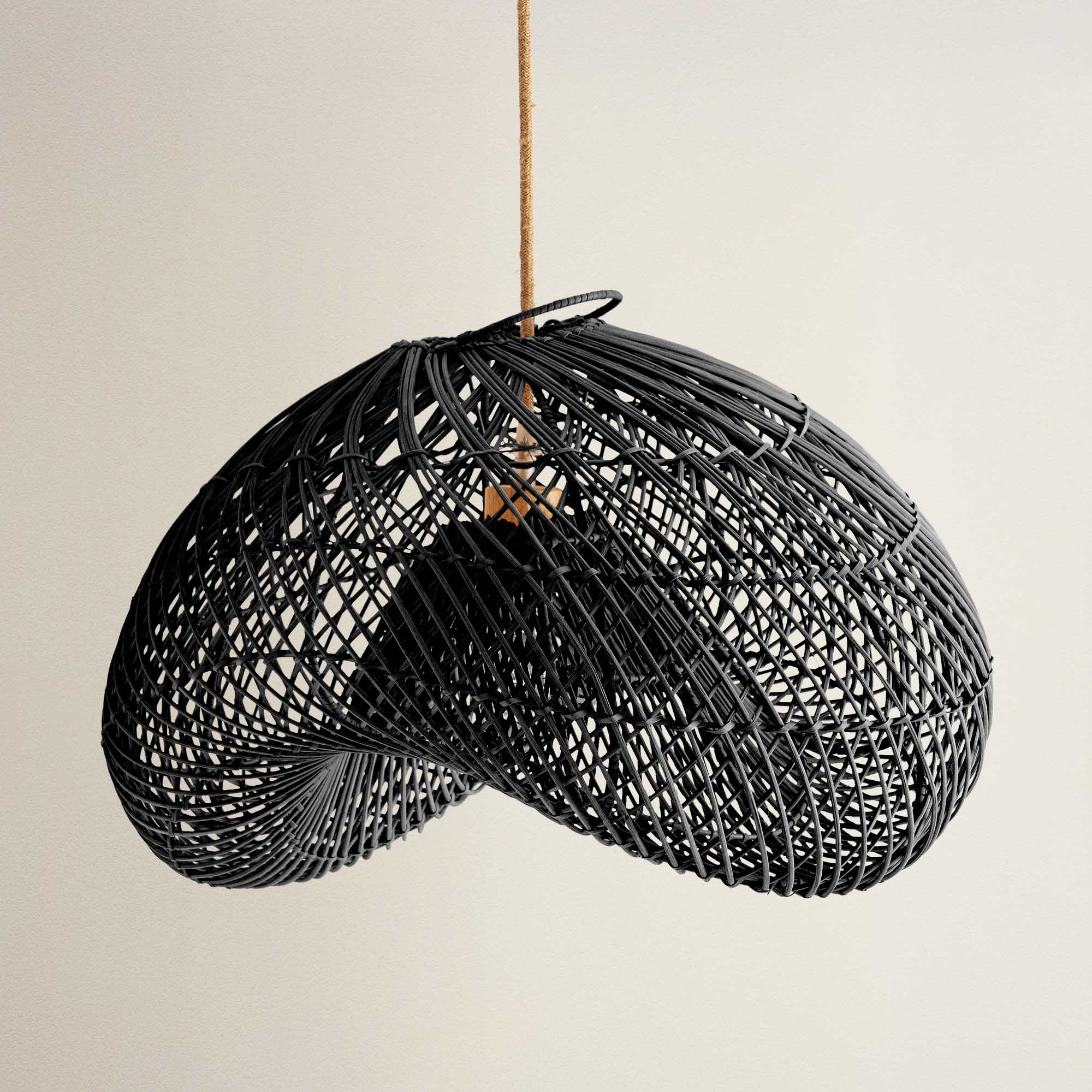
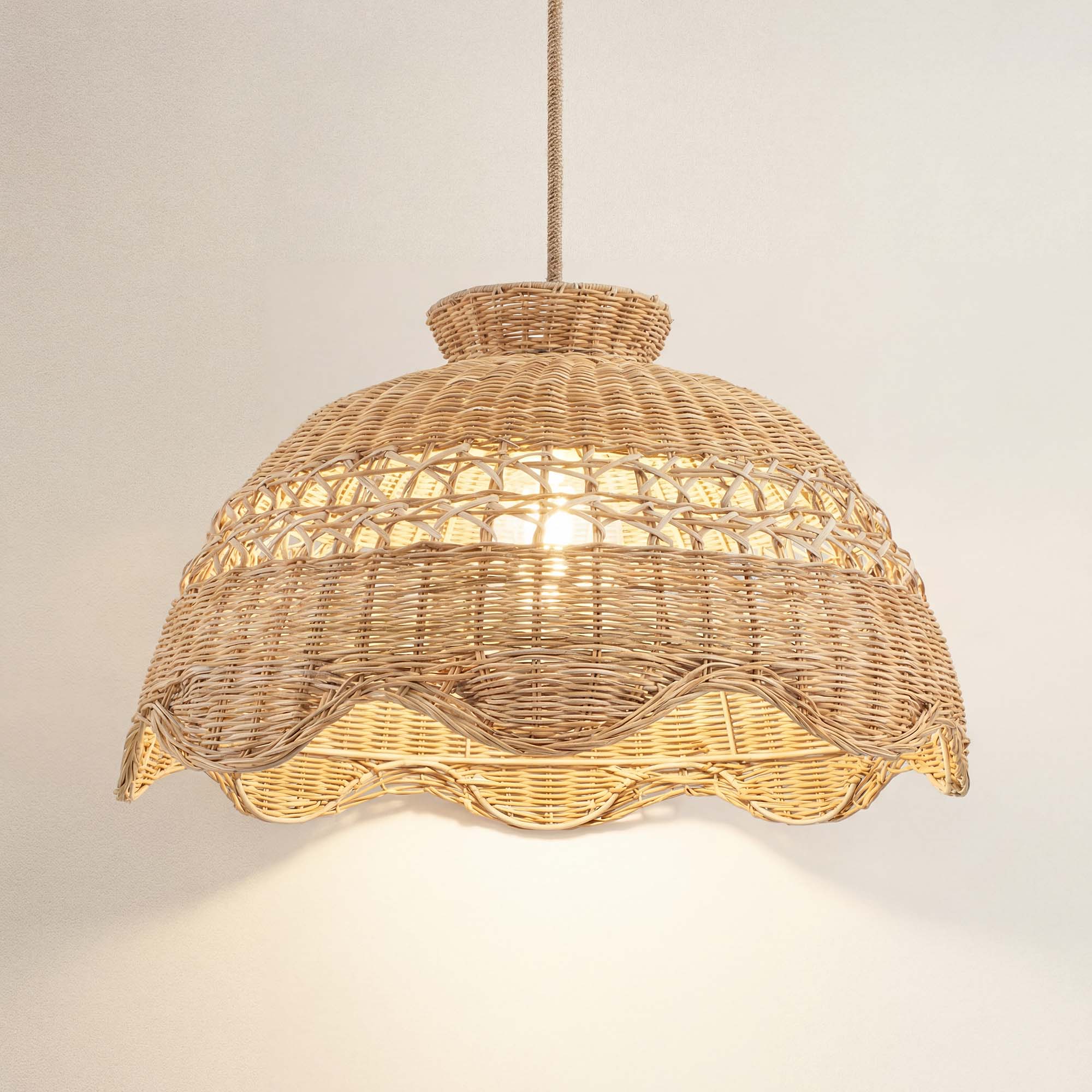
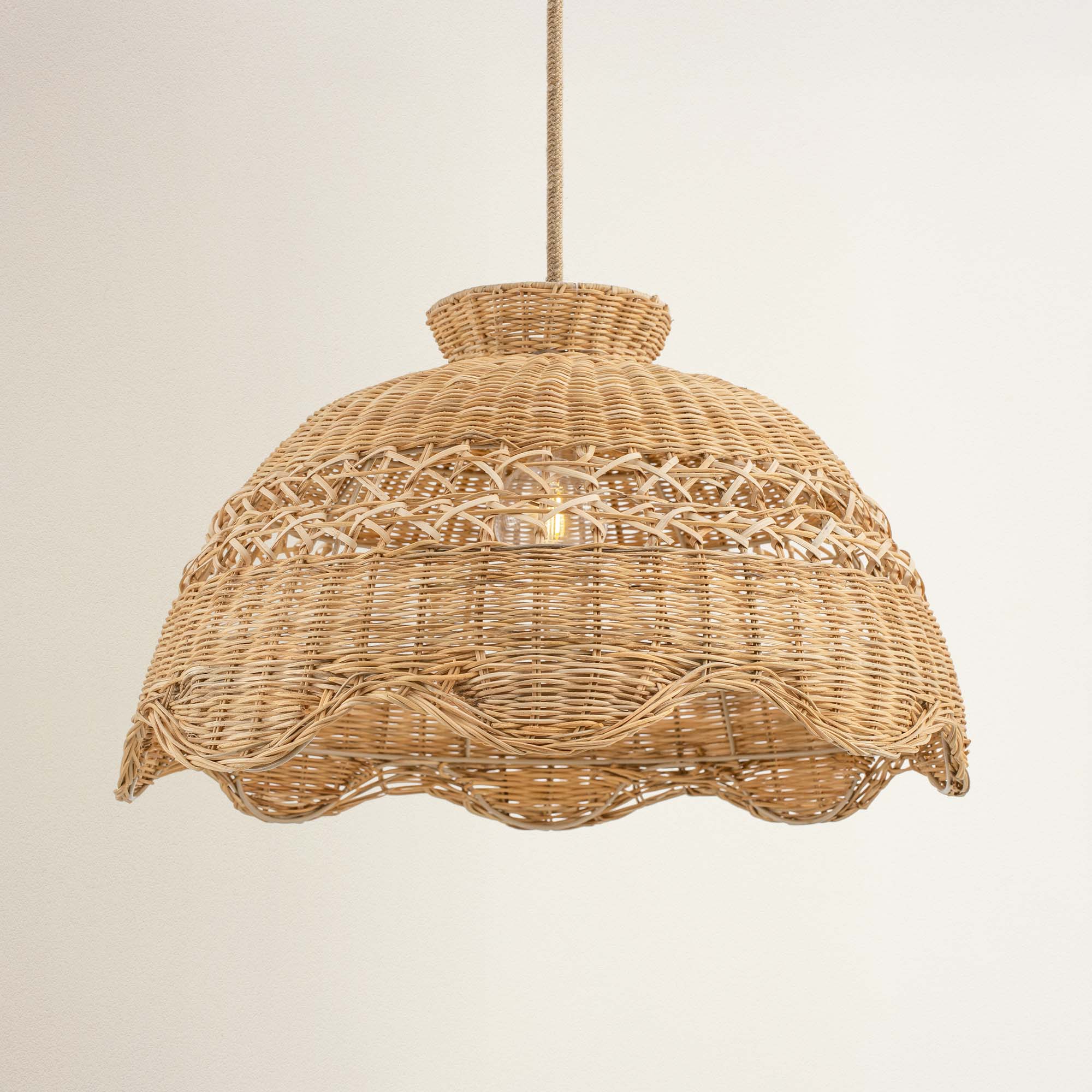
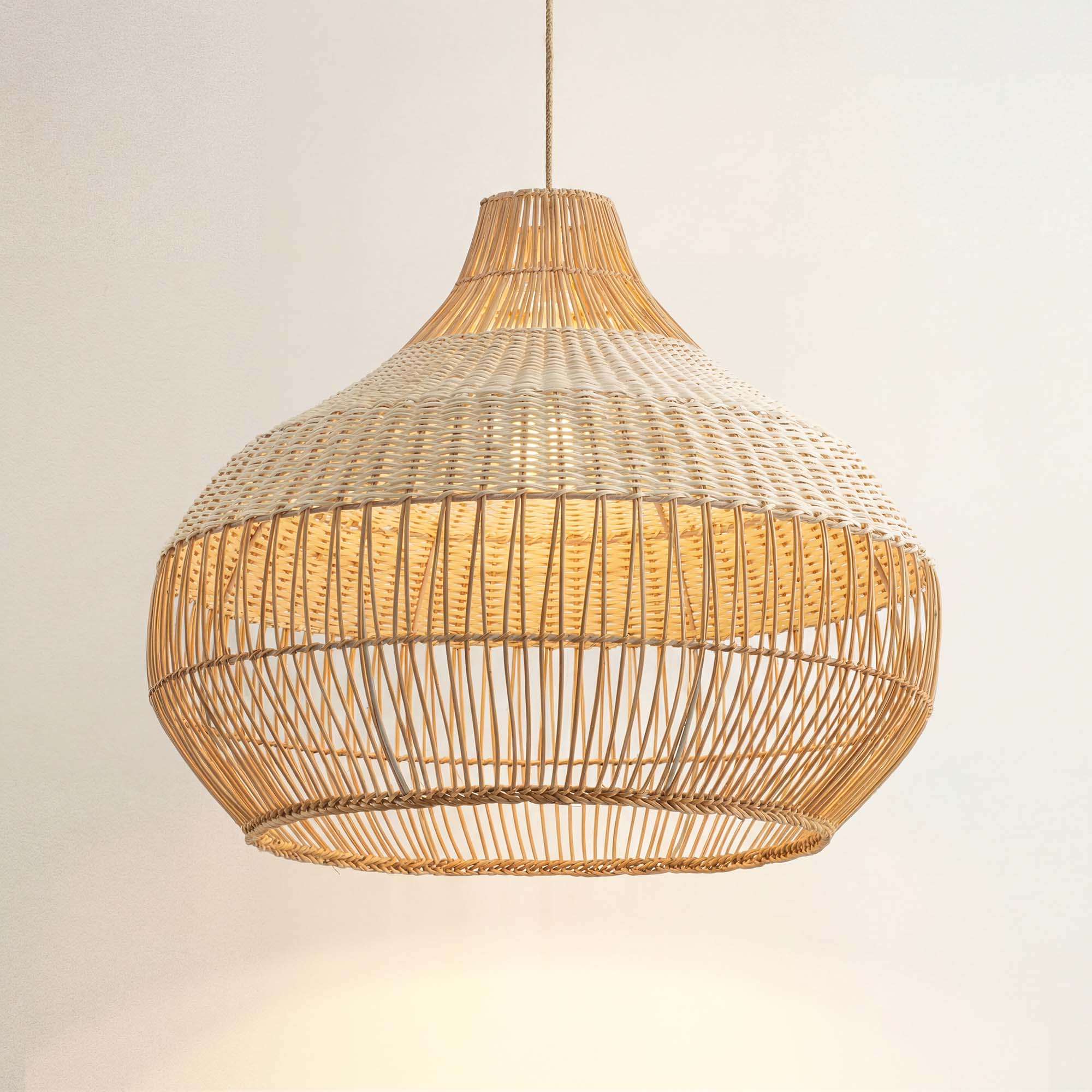
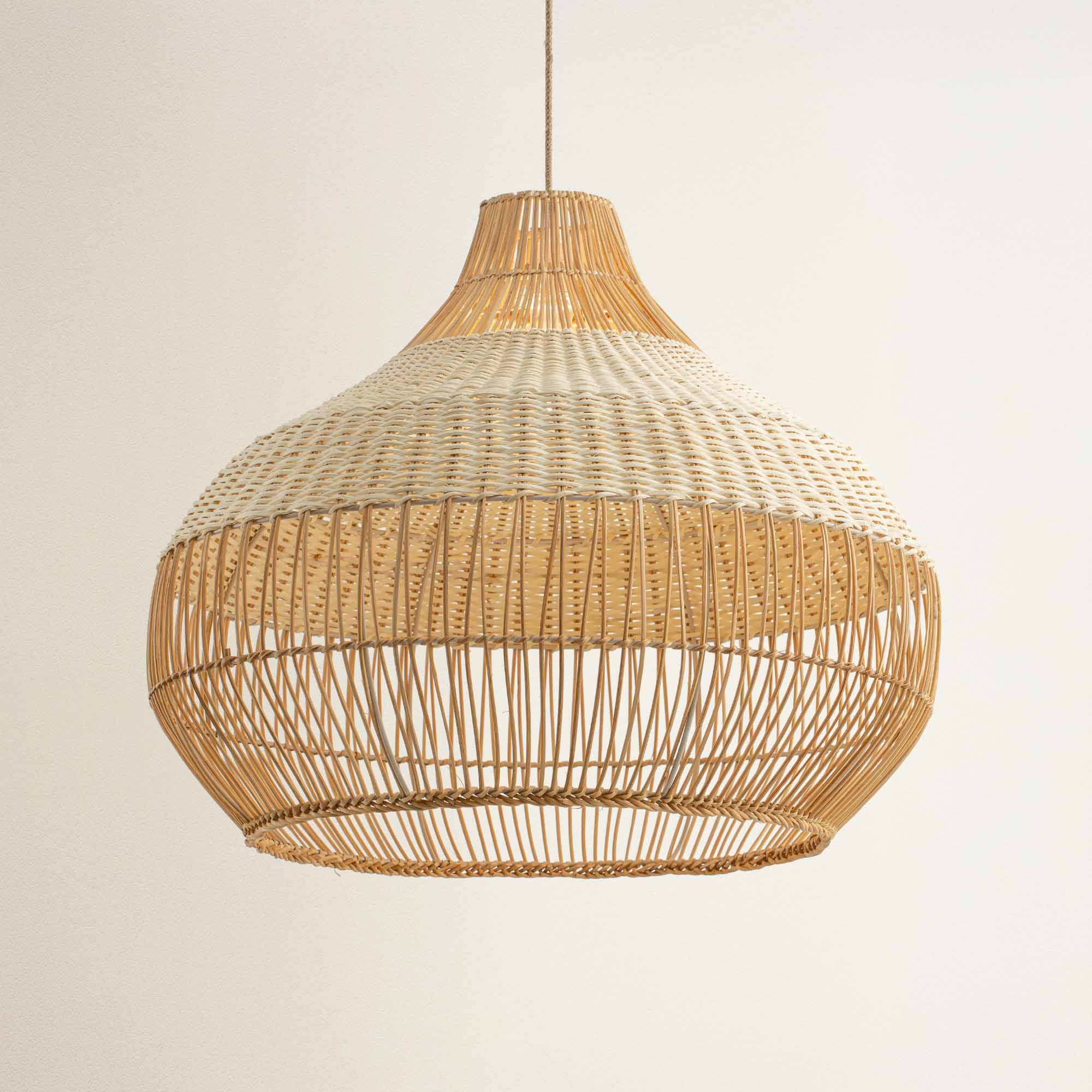
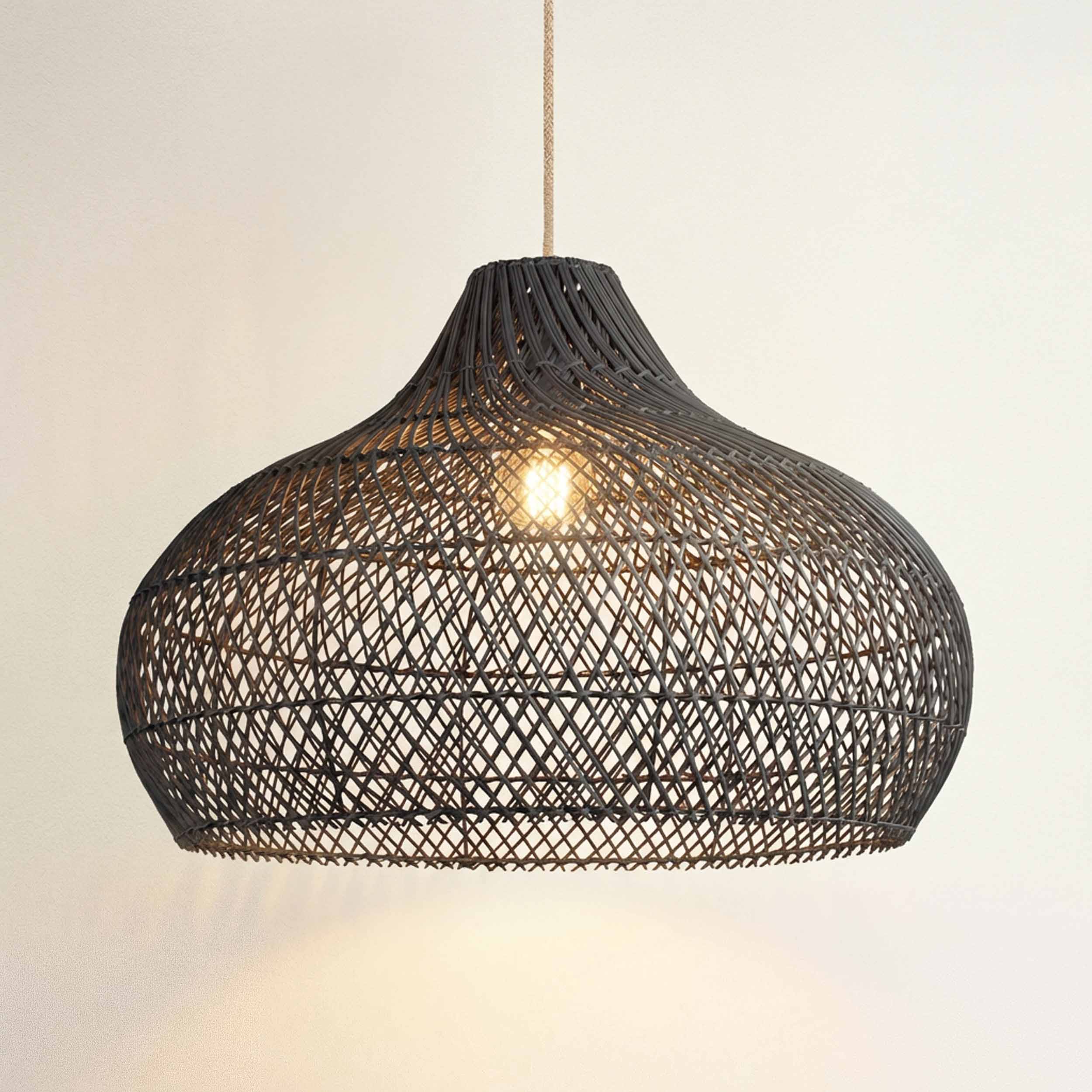
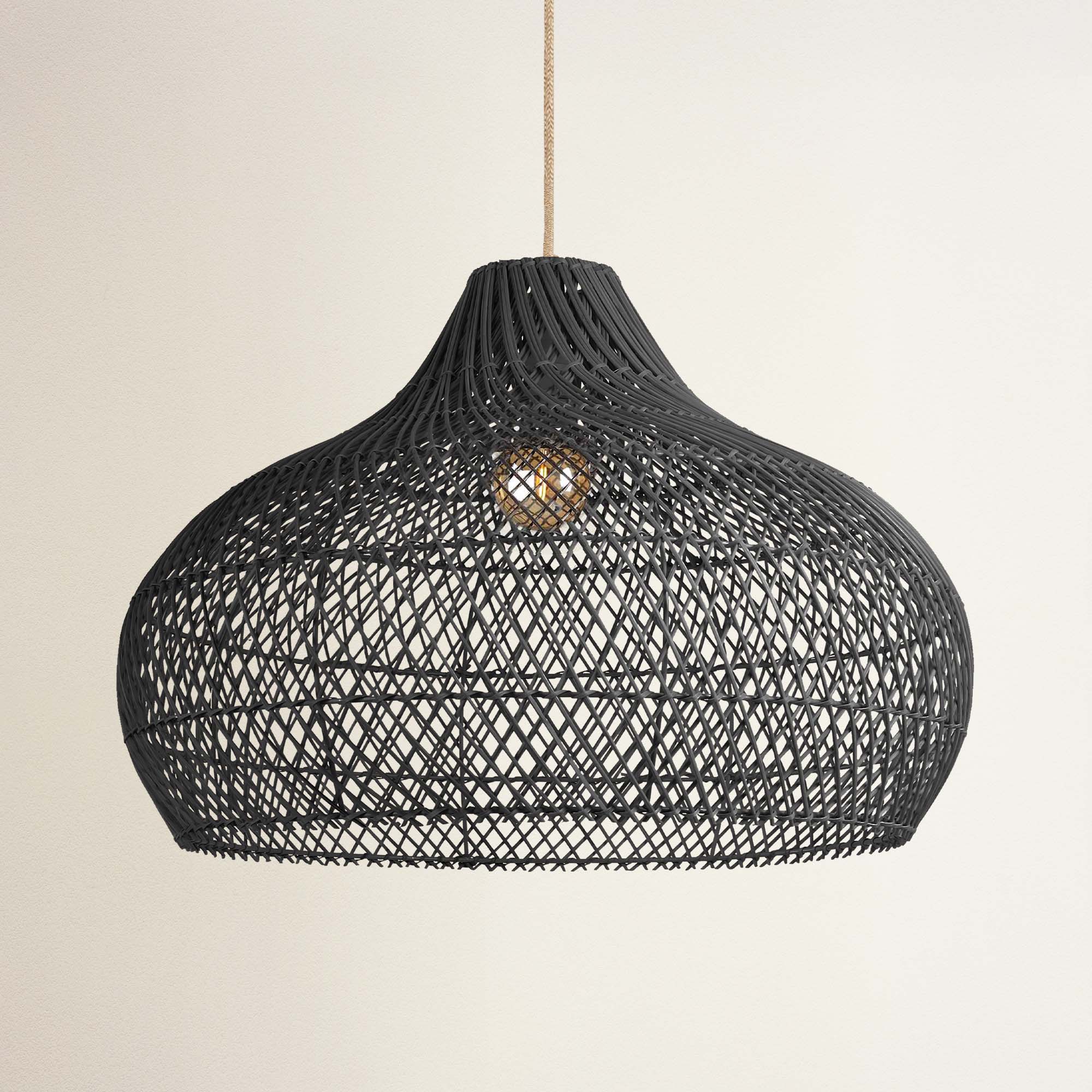
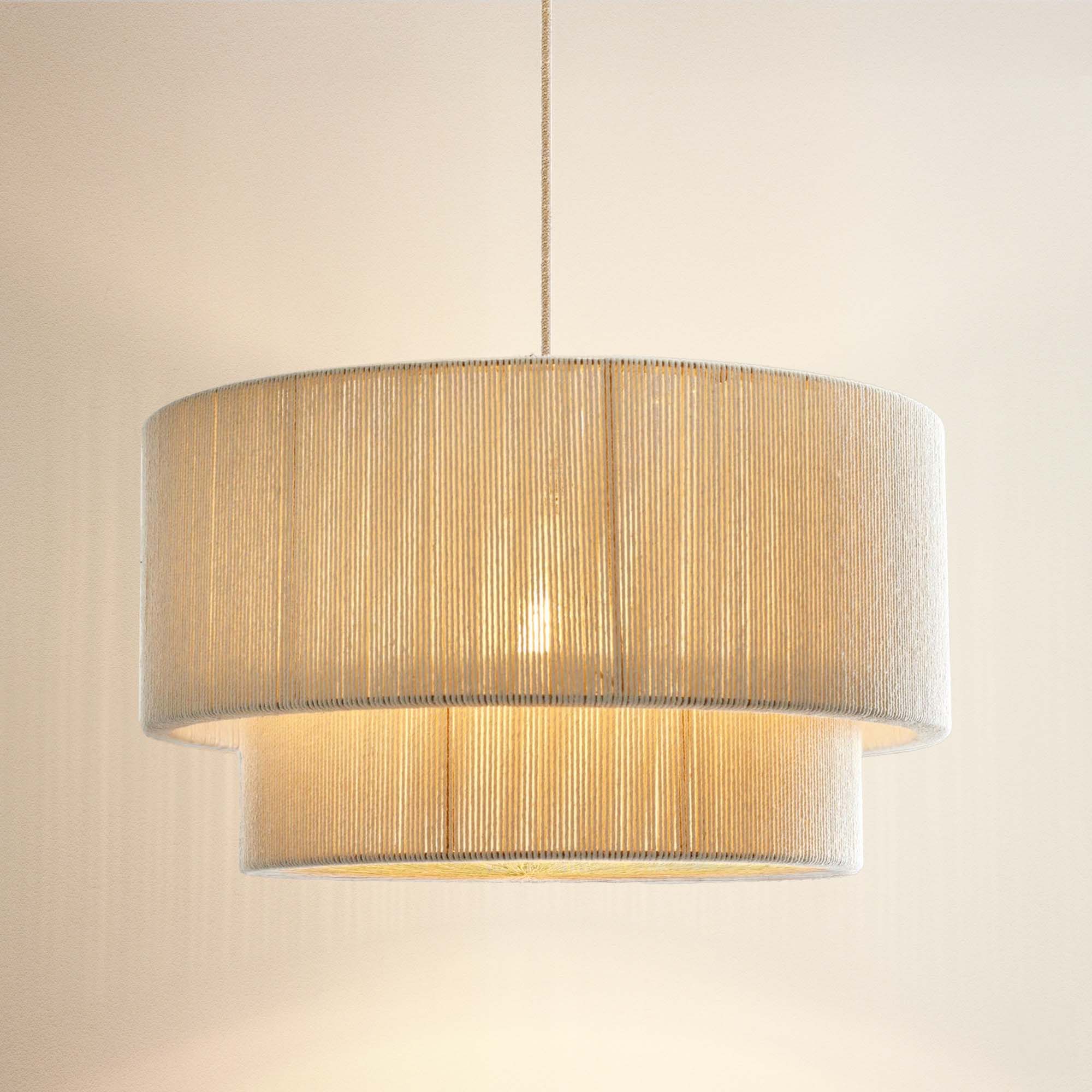
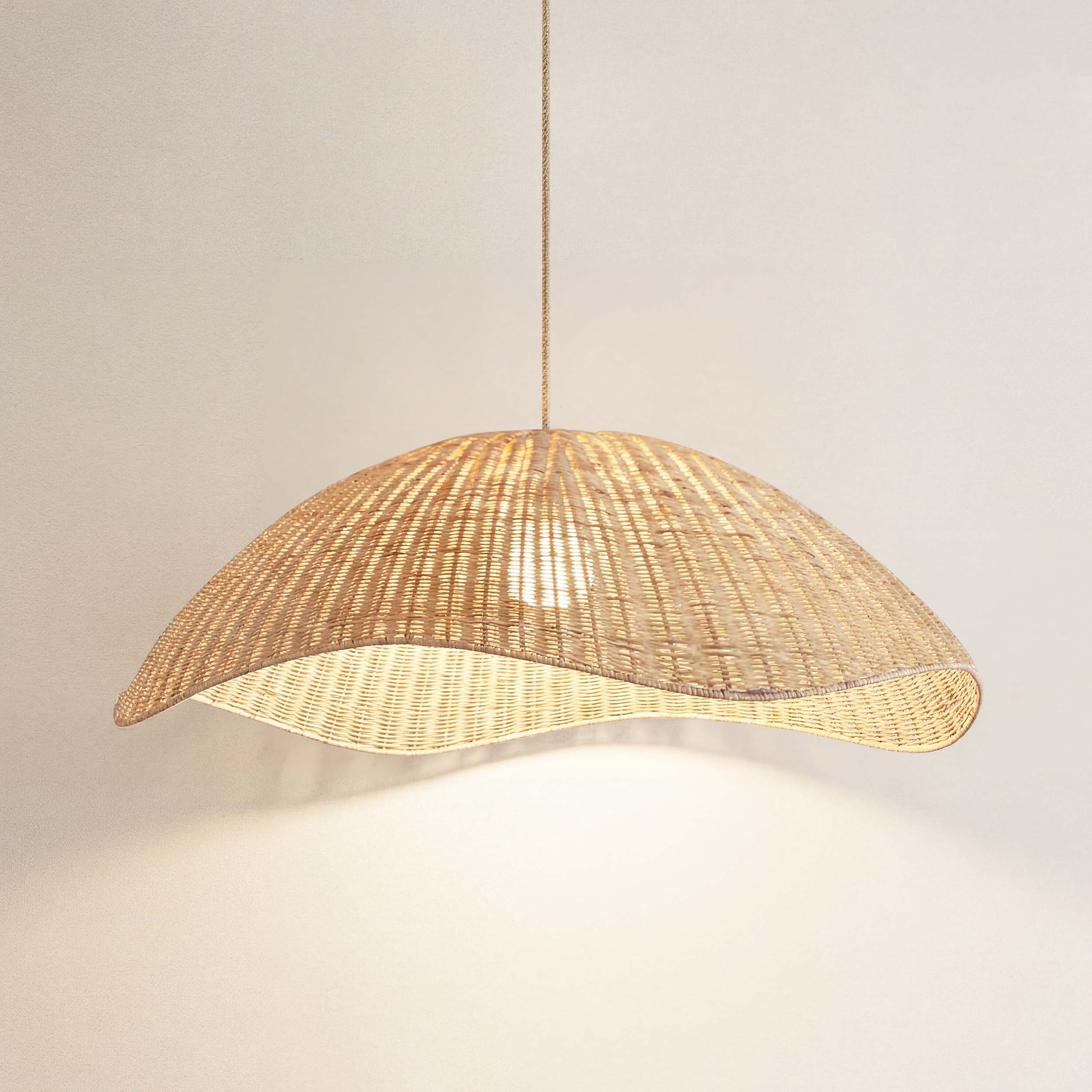
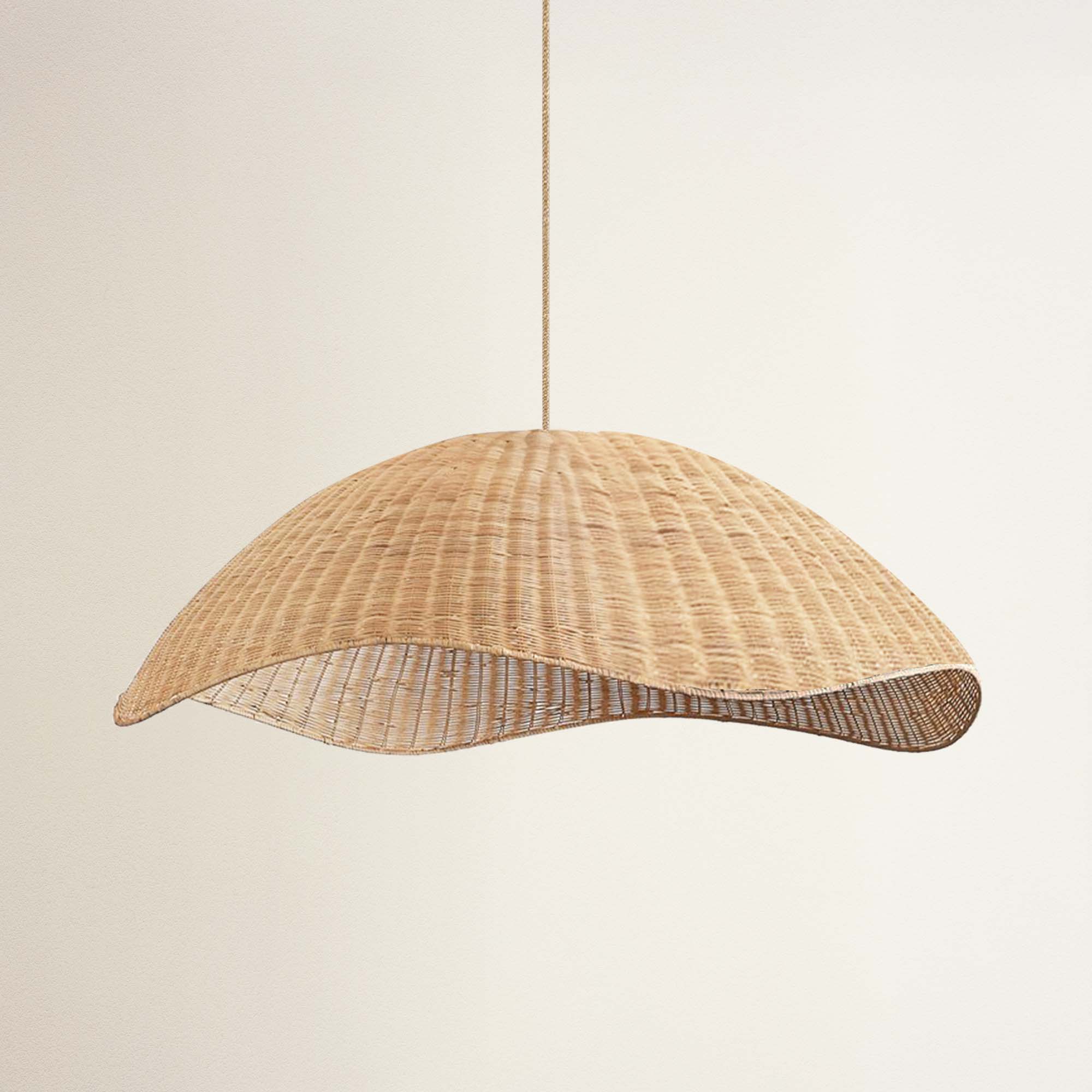
A rattan or woven shade works as a natural diffuser. The spaces in the weave break up the direct beam from the bulb and scatter light in multiple directions, creating a warm, layered, dappled glow rather than a single bright point. This quality makes rattan particularly effective in a kids bedroom, where the goal is a consistently soft, gentle atmosphere.
A Rowabi rattan flush mount on the ceiling, paired with a 2700K LED bulb, produces the kind of ambient light that feels inherently cozy rather than functional. The weave does work that a plastic dome or a bare recessed can simply cannot.
Similarly, a Rowabi rattan wall sconce beside a reading chair or nightstand softens the 2700K beam before it reaches the child's eyes, making the reading experience more comfortable and the room's atmosphere more settled.

Fabric shades vs glass shades
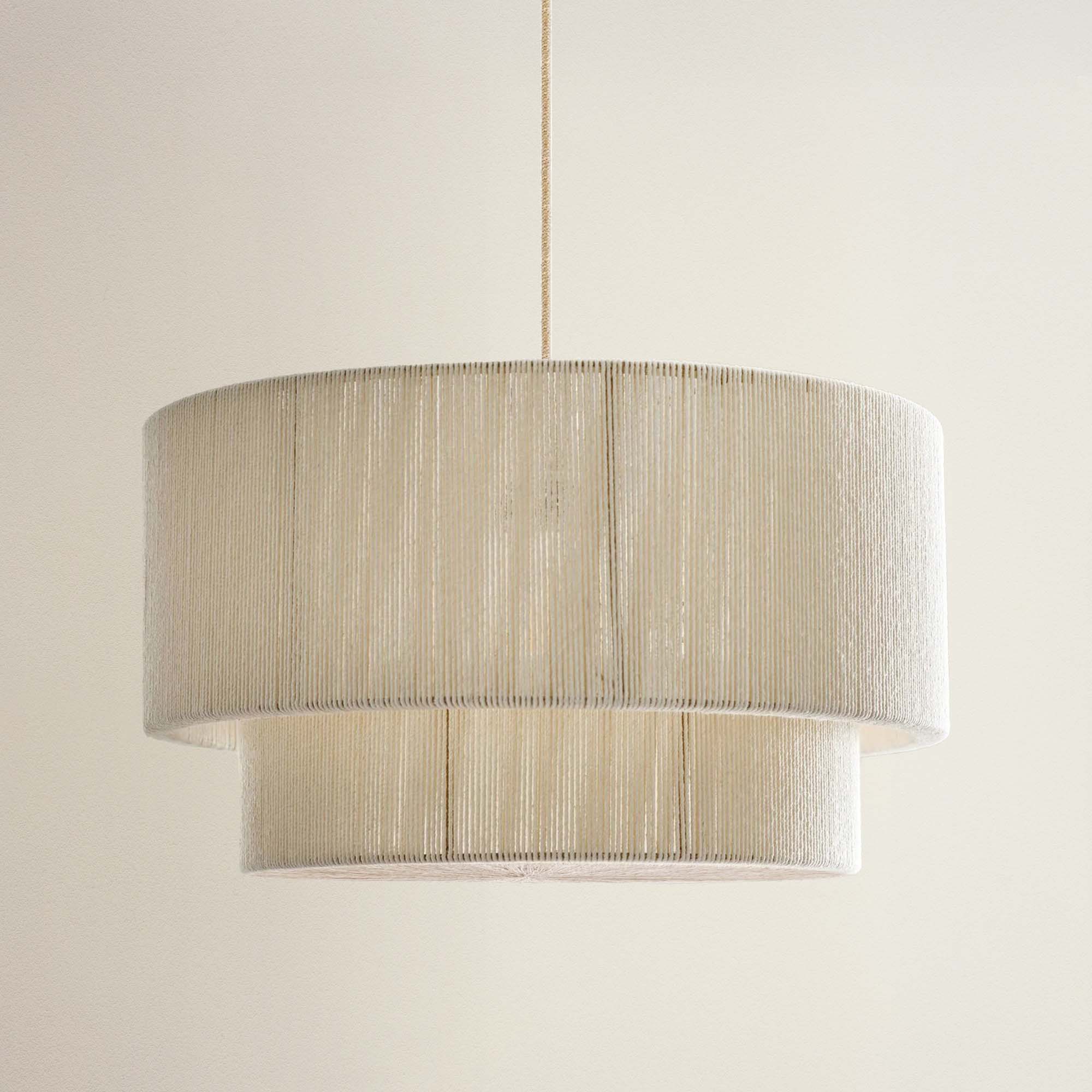
Fabric shades diffuse light softly and are visually lightweight, but they attract dust more readily than harder materials.
To make it clear, glass shades provide more structural presence but offer less diffusion unless they are frosted. While clear glass transmits the bulb's direct beam without meaningfully softening it, that can introduce glare. Both have practical trade-offs in a kids room. The important criterion in either case is that the shade fully covers the bulb and spreads the light rather than directing it as a beam.
The danger of exposed bulbs in a child's line of sight
No exposed bulb, regardless of wattage or color temperature, should be within a child's direct line of sight from their usual positions in the room.
An exposed bulb visible from the bed when lying down, from a reading chair when seated, or from the floor during play creates the kind of direct-source glare that is uncomfortable for adults and more so for children, whose eyes are still developing. A shaded fixture at every position in the room is a basic standard for a well-lit kids space.
5 common lighting mistakes parents should avoid
- Mistake 1: Buying by watts instead of lumens and Kelvin. Watts measure energy consumption, not light quality. The numbers that determine whether a bulb is right for a kids bedroom are lumens (brightness) and Kelvin (color temperature). For bedroom lighting, look for 400–800 lumens and 2700K–3000K; these two numbers tell you everything the wattage figure does not.
- Mistake 2: The "Daylight" trap (5000K+). Bulbs labeled "Daylight" or "Natural Daylight" are commonly bought under the assumption that they provide healthier, more natural light. In a kids bedroom, they do the opposite: the high blue-light content actively suppresses melatonin and makes it harder for children to fall asleep. Reserve daylight bulbs for garages, workshops, or spaces where sleep is never part of the equation.
- Mistake 3: Making the study area too dim. Applying warm light uniformly throughout the room, including the homework desk, leaves children trying to focus in conditions that favor drowsiness rather than alertness. A 2700K ceiling light sets the right bedroom mood; a 3500K–4000K desk lamp at the study zone provides the visual contrast that actually supports concentration.
- Mistake 4: Forgetting dimmers. A fixed-brightness ceiling light can only be on or off, so the room shifts abruptly between "fully lit" and "dark," leaving no intermediate state appropriate for the pre-sleep transition. A dimmer switch on a warm ceiling fixture, paired with a dimmable LED bulb, lets you gradually lower light levels as bedtime approaches, one of the most effective and inexpensive supports for a consistent sleep routine.
- Mistake 5: Ignoring cord safety. Table lamps and plug-in sconces used as task or bedside lights often leave cords accessible at floor level or nightstand height. The Consumer Product Safety Commission specifically recommends keeping cords out of young children's reach and identifies cordless or hardwired options as the safest configurations in a child's space.
If a plug-in lamp is necessary, route the cord immediately along the baseboard behind furniture and secure it with a cord cover to eliminate the trip-and-entanglement hazard.
Quick buying checklist
Before purchasing any bulb or fixture for a kids room, run through these checks:
- Check the kelvin: Is it labeled 2700K or 3000K for bedroom use?
- Check the lumens: Is the brightness between 400–800 lumens to avoid harsh glare?
- Check the dimmability: Does the packaging say "Dimmable LED"?
- Check the shade: Is there a fabric, frosted glass, or woven rattan shade to soften the output?
- Avoid daylight: Does the bulb confirm it is NOT 5000K or labeled "Daylight" for a sleep area?
FAQs
Is warm light or cool light better for kids rooms?
- Warm light (2700K–3000K) is better for bedrooms, nurseries, and bedtime routines. Cool or neutral light (3500K–4000K) is useful specifically for homework desks, craft tables, and daytime play areas, but should not be used as the main bedroom ceiling light.
What color temperature is best for a kids bedroom?
- 2700K–3000K for the primary bedroom lighting. This range produces soft, amber-toned light that supports natural melatonin production and creates the calm atmosphere most conducive to sleep routines.
Is cool white light bad for a child's bedroom?
- Not inherently bad, but it is not the right choice as the main overhead bedroom light. Cool white (4000K) or daylight (5000K+) as a primary bedroom light suppresses melatonin and keeps children more alert than is appropriate for a sleep environment. As a targeted task light at a study desk, 4000K is appropriate and useful.
What light color is best for homework or reading?
- It depends on the type of reading. For relaxed bedtime reading, 2700K–3000K warm light is more comfortable and less stimulating. For homework, textbook reading, or craft work where visual clarity matters, 3500K–4000K from a focused task light is the better choice.
Should a nursery use warm light?
- Yes, a nursery should use warm light exclusively for all ambient and nighttime lighting. Infants and toddlers are highly sensitive to the effects of light on their circadian rhythms. A 2700K–3000K dimmable fixture as the main light, with a very dim amber night light for overnight checks, is the appropriate setup.
Can I mix warm and cool lighting in one kids room?
- Yes, but by zone rather than by overhead fixture. A warm ceiling light and a cool desk lamp in the same room is a practical and effective combination. Mixing warm and cool bulbs within the same overhead fixture or lighting system creates visual inconsistency and should be avoided.
Conclusion
A warm ceiling light at 2700K–3000K, a cool desk lamp at 4000K, and a dimmer on the main fixture cover most of what a kids bedroom actually needs. The fixture material, whether rattan, fabric, or frosted glass, determines whether that warm light arrives softly diffused or as a direct beam, which is as important as the Kelvin number itself.
If you are looking for fixtures that work with warm bulbs and serve a kids room well, browse Rowabi's ceiling lighting and wall sconces, or reach out to the team for guidance on which fixture suits your room's ceiling height and layout.