

How to Light a Room with a Sloped or Vaulted Ceiling
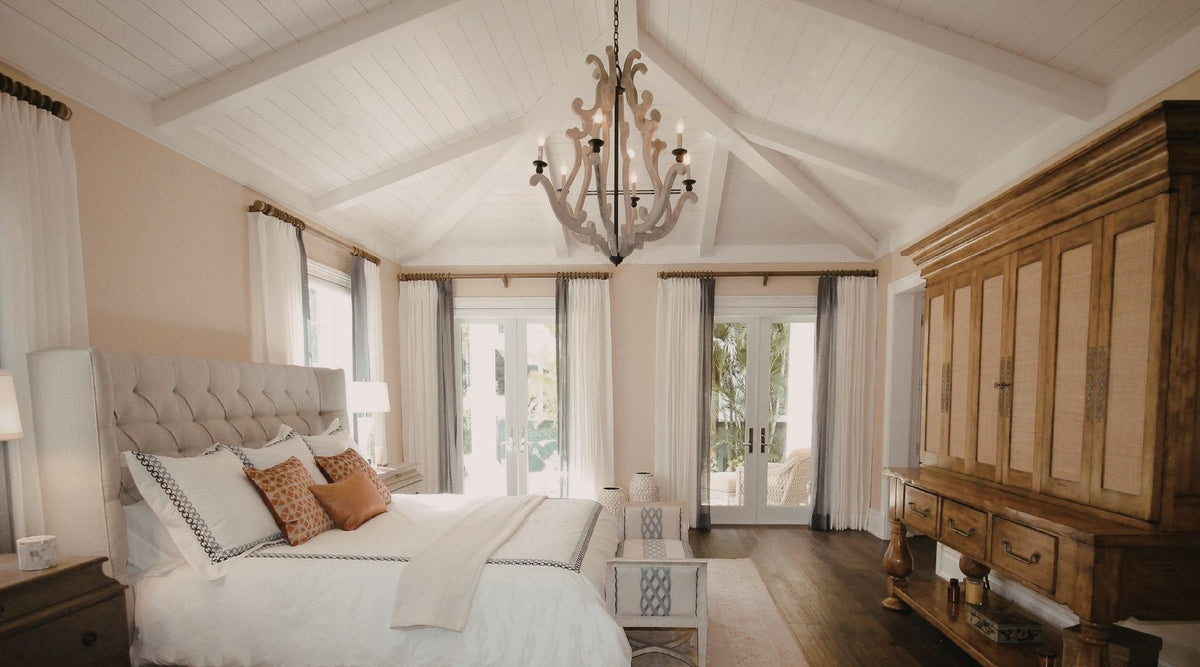
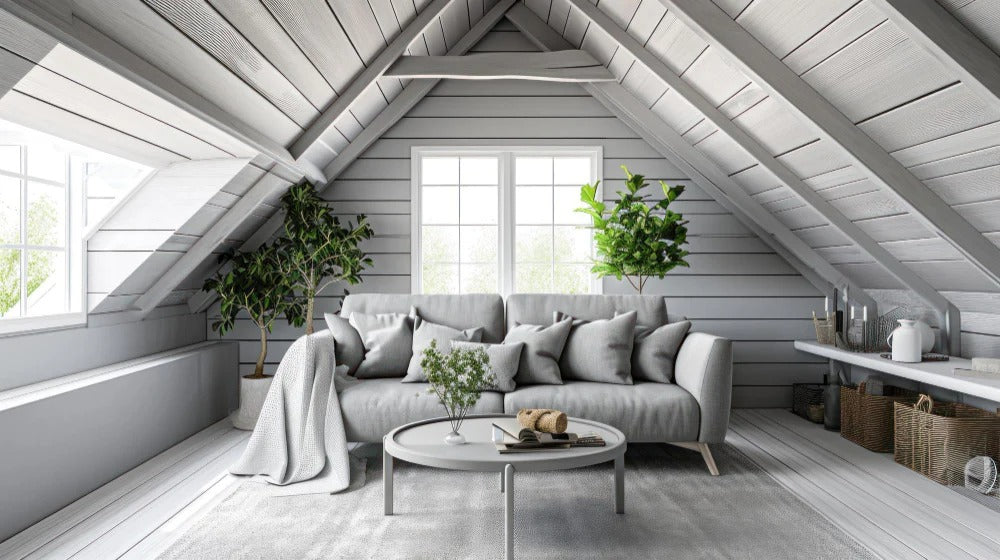
You can achieve this by combining fixtures like adjustable recessed lights and track lighting, along with upward-focused wall sconces or floor lights to "wash" the sloping walls with soft, ambient light. This approach ensures your space is balanced, cozy, and well-lit.
RELATED:
- 10+ tips for lighting your home - expert’s guide
- How to layer lighting with pendant lights for a cozy ambiance
- Proper wall sconce placement in every room
Key takeaways
1. Fixture Types for Sloped Ceilings
- Adjustable Recessed Lights: Use specialty "bug eye" or gimbal trims that allow the bulb to be angled. This is crucial for directing light straight down from a slanted ceiling, preventing light from being wasted on the opposite wall.
- Track Lighting: This is an excellent, flexible solution. Tracks can be mounted directly onto beams or the sloped surface, allowing you to direct individual heads exactly where focused or accent illumination is needed.
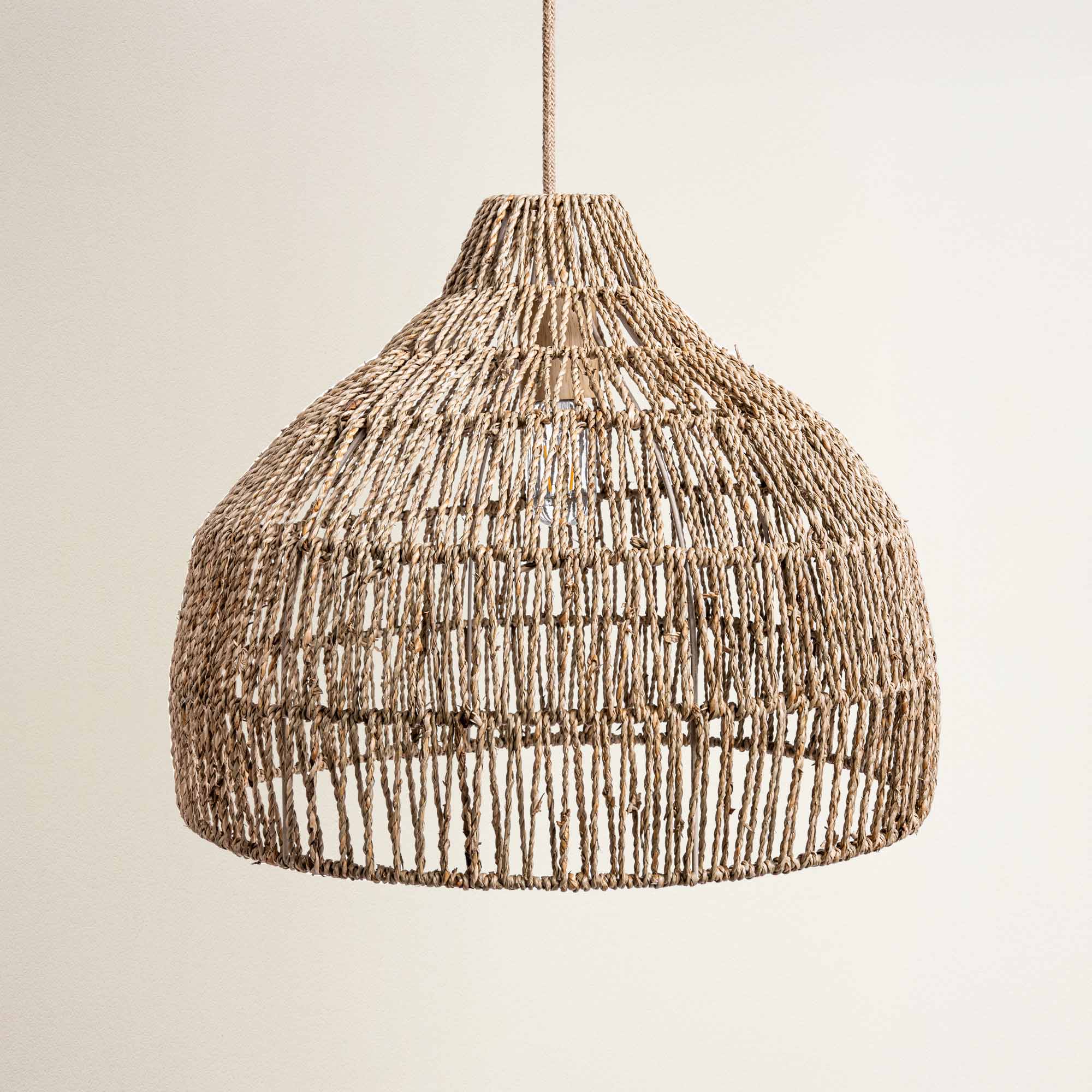
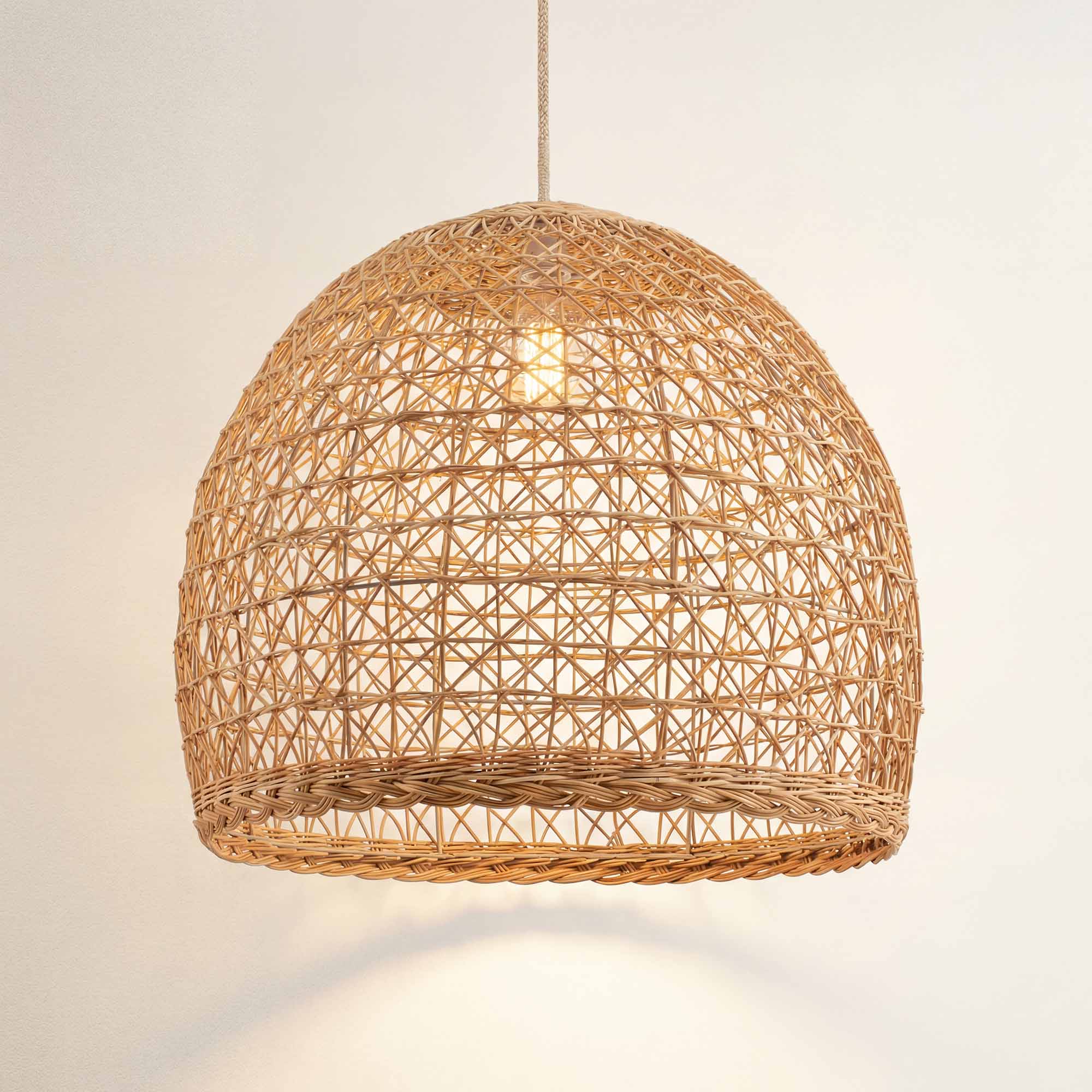
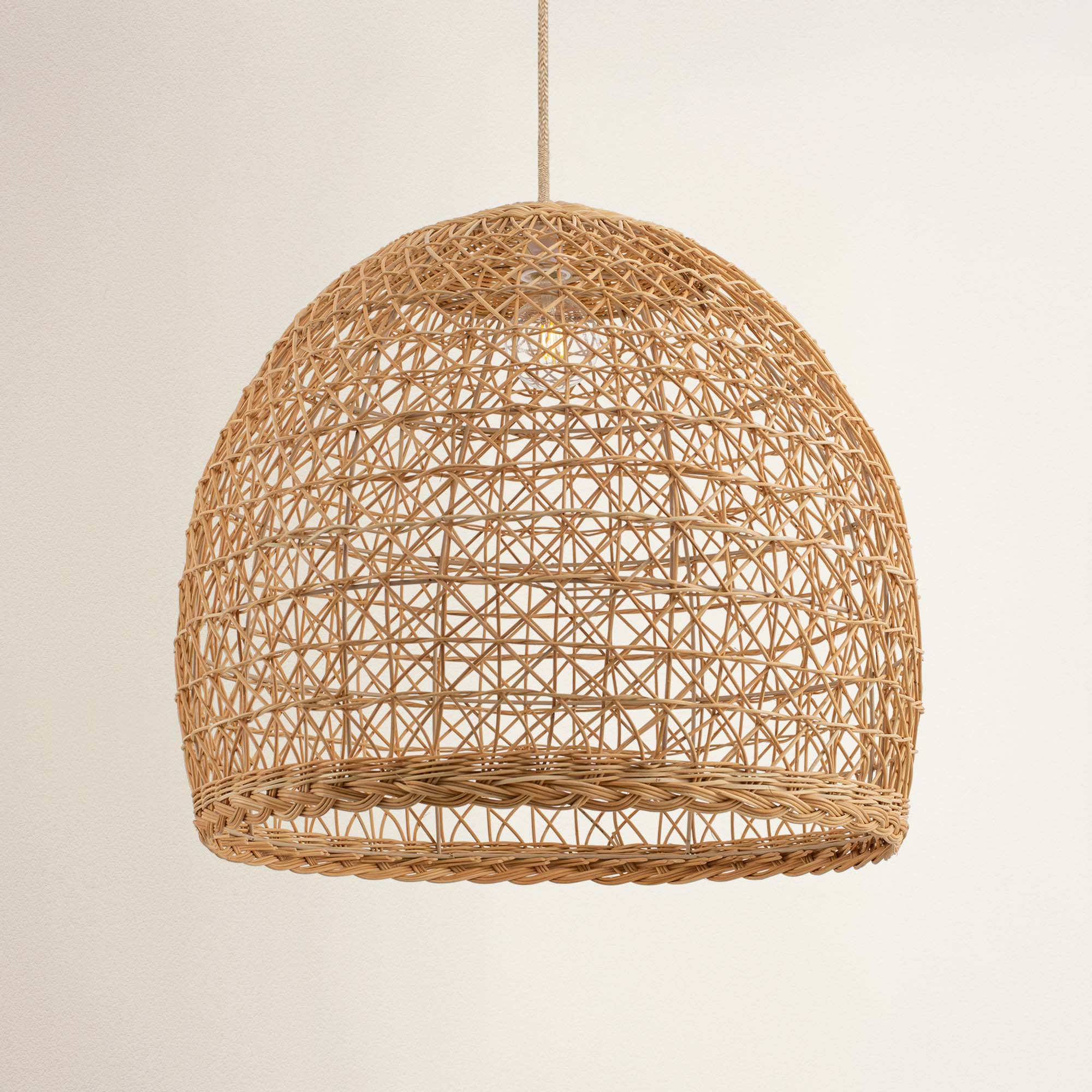
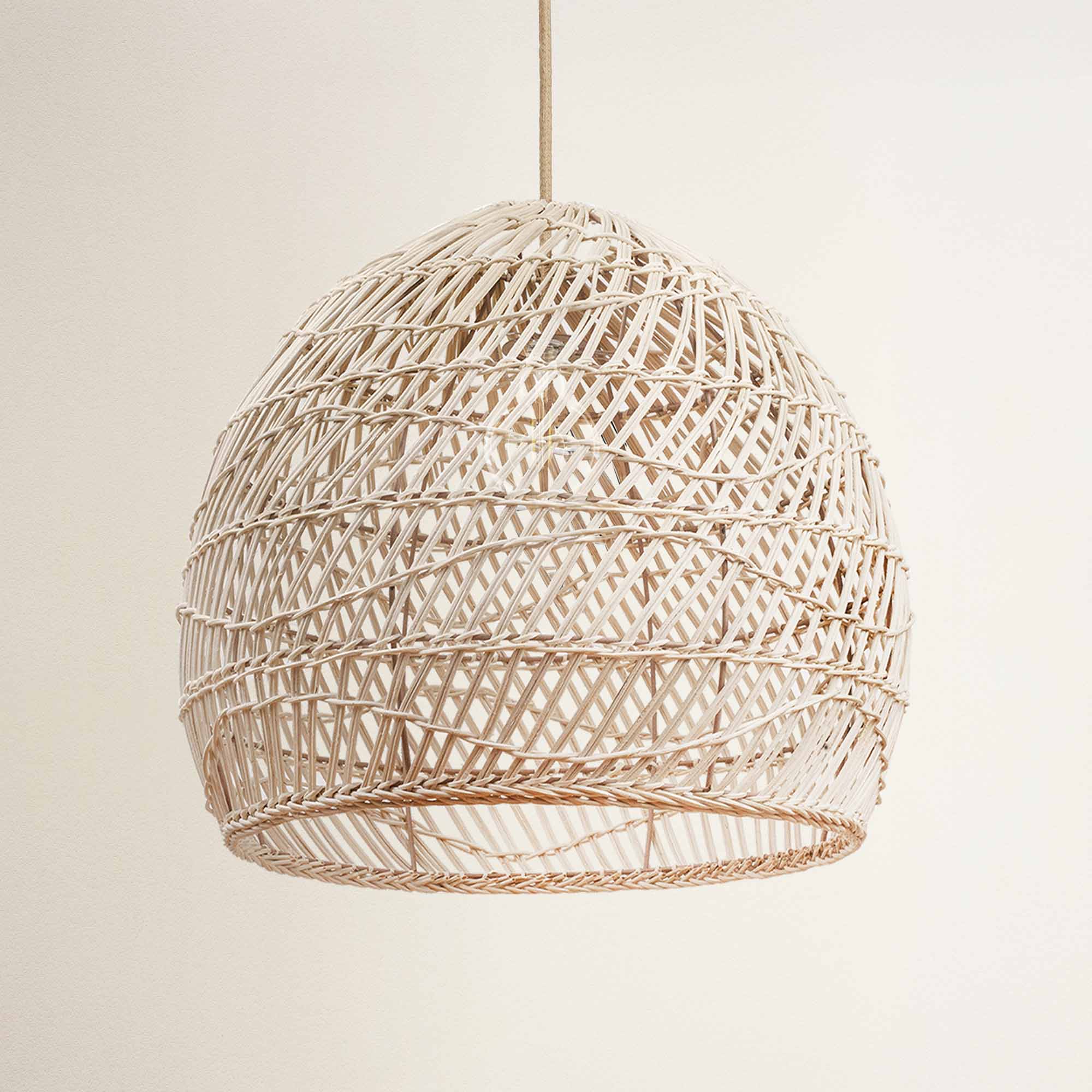
- Pendant Lights Chandeliers: When hanging these, choose fixtures with adjustable cords or stems to ensure the fixture hangs perfectly straight and plumb, providing balanced ambient light over tables or seating areas.
- Wall Sconces (Uplights): Installing sconces that direct light upwards to wash the sloping wall is highly effective. This technique softens the ceiling line, reduces the cavernous feel, and adds warm, ambient light.
2. Strategic Lighting Techniques
- Layer Your Light: Always combine ambient (general illumination), task (focused work areas), and accent (highlighting features) lighting to create depth and eliminate dark corners.
- Wash the Slopes: Use uplighting fixtures (sconces or floor uplights) to bounce light off the vaulted walls. This technique makes the room feel cozier and emphasizes the height.
- Highlight Architecture: Aim narrow-beam spotlights at exposed beams, textured stone, or specific architectural details to draw attention to the vaulted ceiling's unique features.
- Skylight Integration: Maximize natural light with skylights, but plan artificial lighting carefully to supplement it during evenings or overcast days.
Ready to refresh your home? It's as easy as one click away.
45-Day Return

45-Day Return
45-Day Return

45-Day Return
45-Day Return
45-Day Return

45-Day Return
45-Day Return

45-Day Return
45-Day Return
45-Day Return

45-Day Return
3. Placement Glare Prevention
- Recessed Light Placement: Install adjustable recessed lights slightly farther away from the walls than you would on a flat ceiling to ensure the beam reaches the floor without casting harsh shadows.
- Beam Planning: If your ceiling has exposed beams, consider placing lights on the beams themselves (using track or strip lighting) or using indirect wall uplights to avoid aiming direct light sources into the line of sight (glare).
- Integrated LEDs: Use LED strip lighting integrated into coving or along the edges of beams for soft, indirect illumination that traces the architecture.
Can you use downlights on sloped ceilings?
Yes, but also... maybe not. Downlights (aka recessed lighting) can work on sloped ceilings, but you need the right kind. Standard downlights cast light straight down, which isn’t ideal for an angled ceiling because it can create uneven lighting and unwanted shadows.

Installing a flush-mount for sloped ceilings is an option to make sure your space has enough lighting. Source: Jonathan Fuentes from Pexels, via Canva: https://www.canva.com/design/DAG36oP-OEw/j7Pg7vBArwLcGpyxs0e_rA/edit#
Instead, go for adjustable gimbal recessed lights, which allow you to direct light where it’s needed. For example, in a kitchen with a sloped ceiling, gimbal downlights can focus light on countertops rather than awkwardly illuminating an empty corner. If you want an ultra-clean look, recessed lighting is an option—just make sure to choose the right type!
How to light rooms with high or vaulted ceilings?
A high ceiling adds grandeur to a room, but it can also make it feel vast and cold if not properly lit. The key is layering light sources to achieve depth and warmth. Here’s how:
Recessed lighting spotlights
Recessed lighting is great for modern spaces with high ceilings because it provides even illumination without taking up visual space. Spotlights can be angled to highlight artwork or architectural details, making them ideal for vaulted ceilings where you want to draw attention to unique features.

Source: @wirestock via Freepik: https://www.freepik.com/author/wirestock
Pendant and chandelier lighting
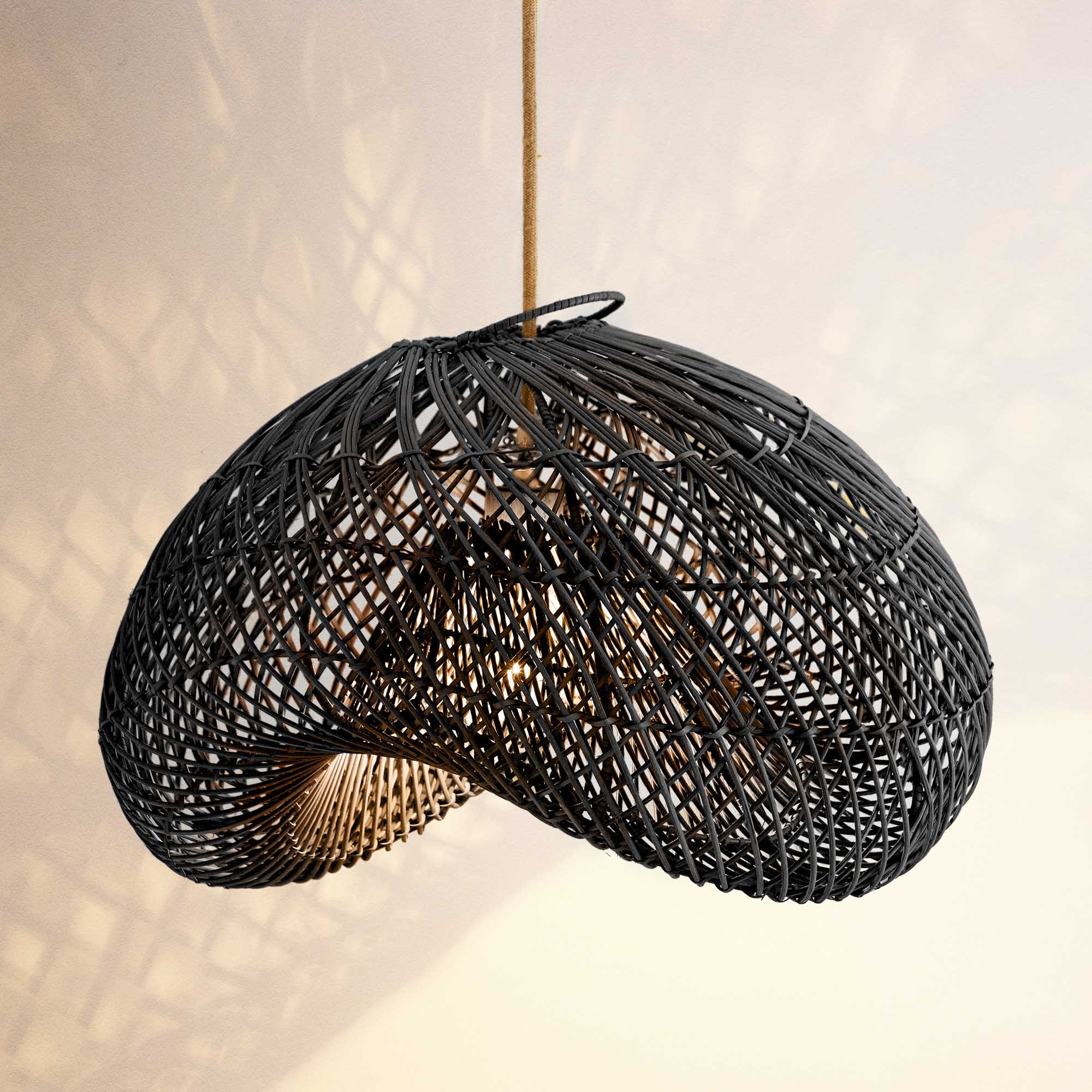
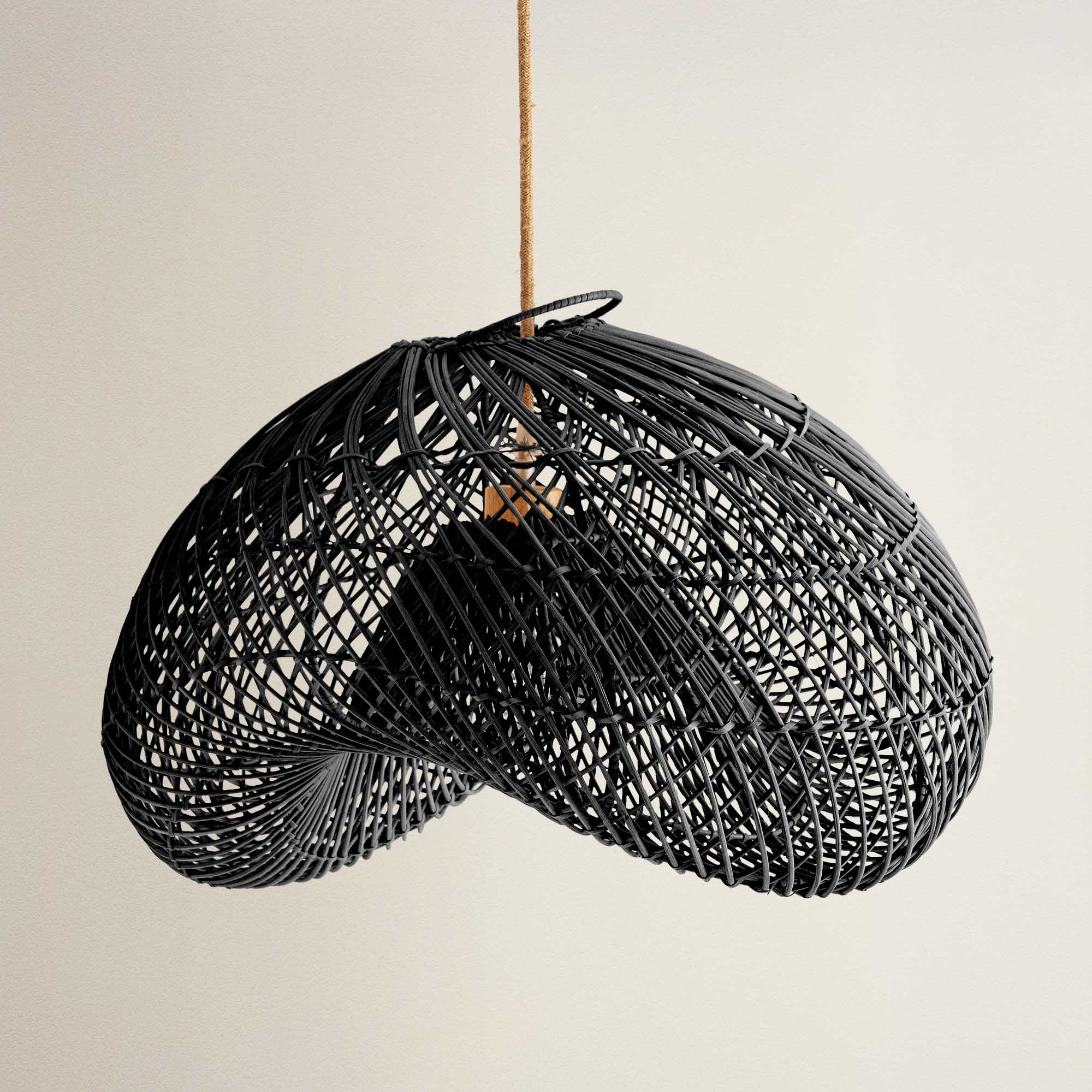
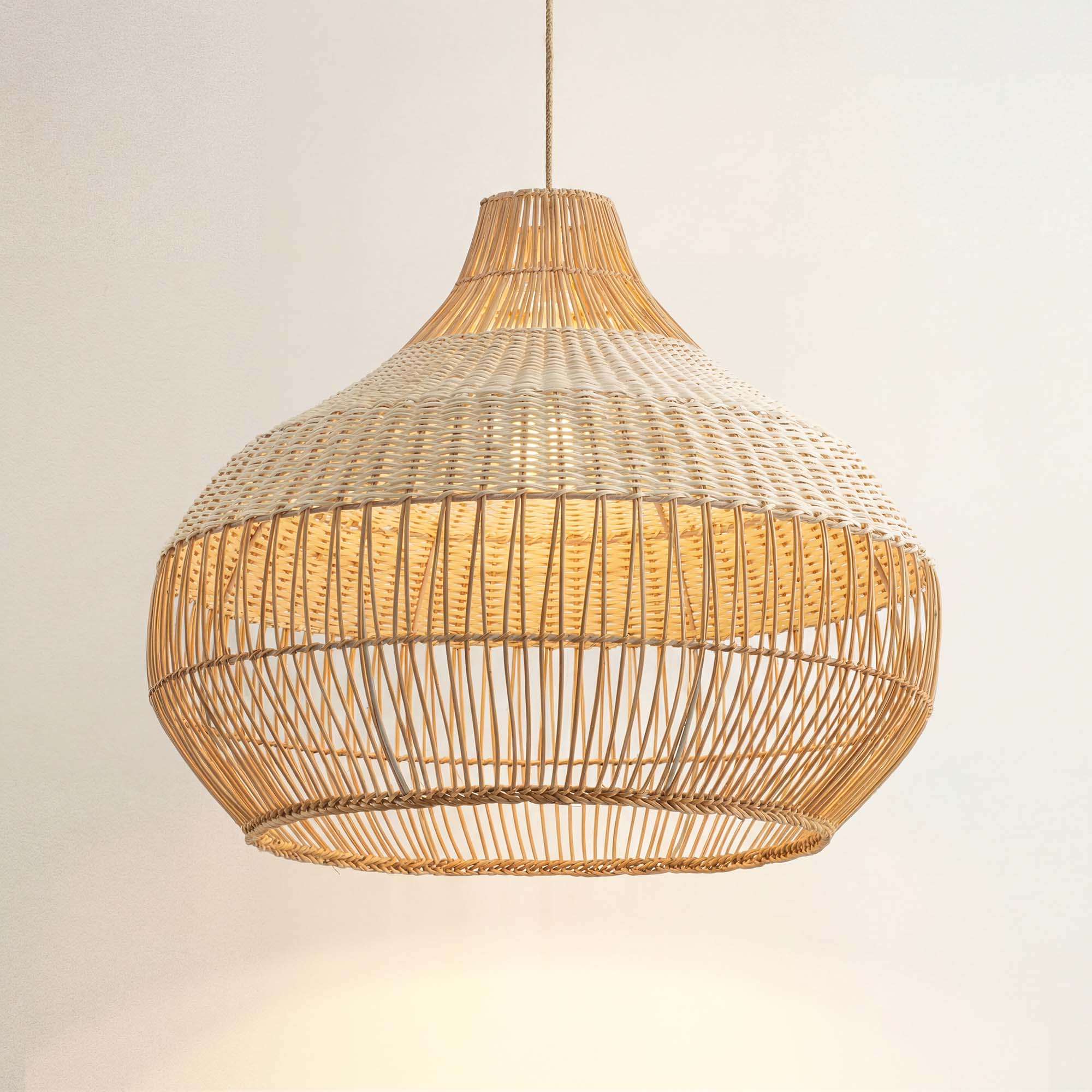
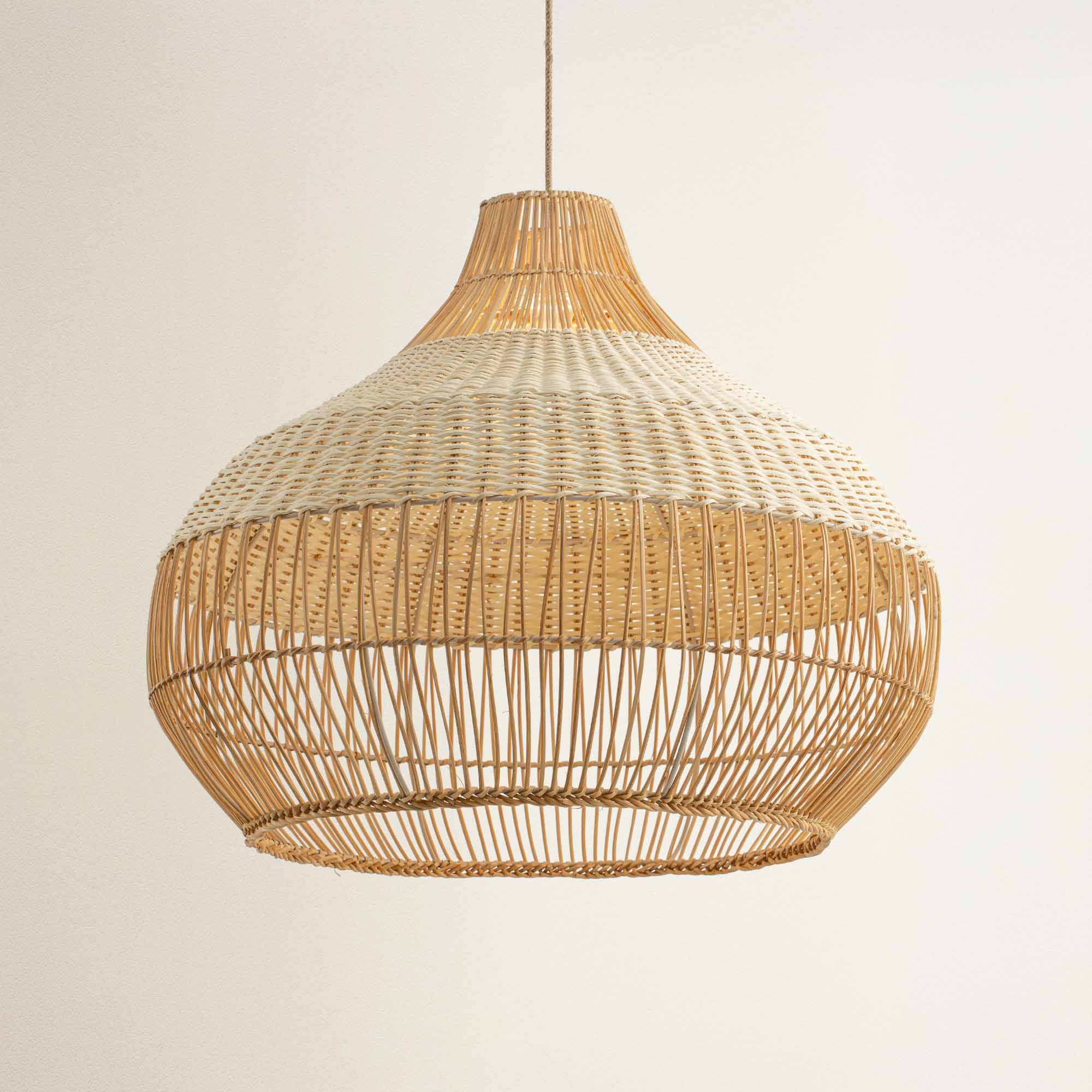
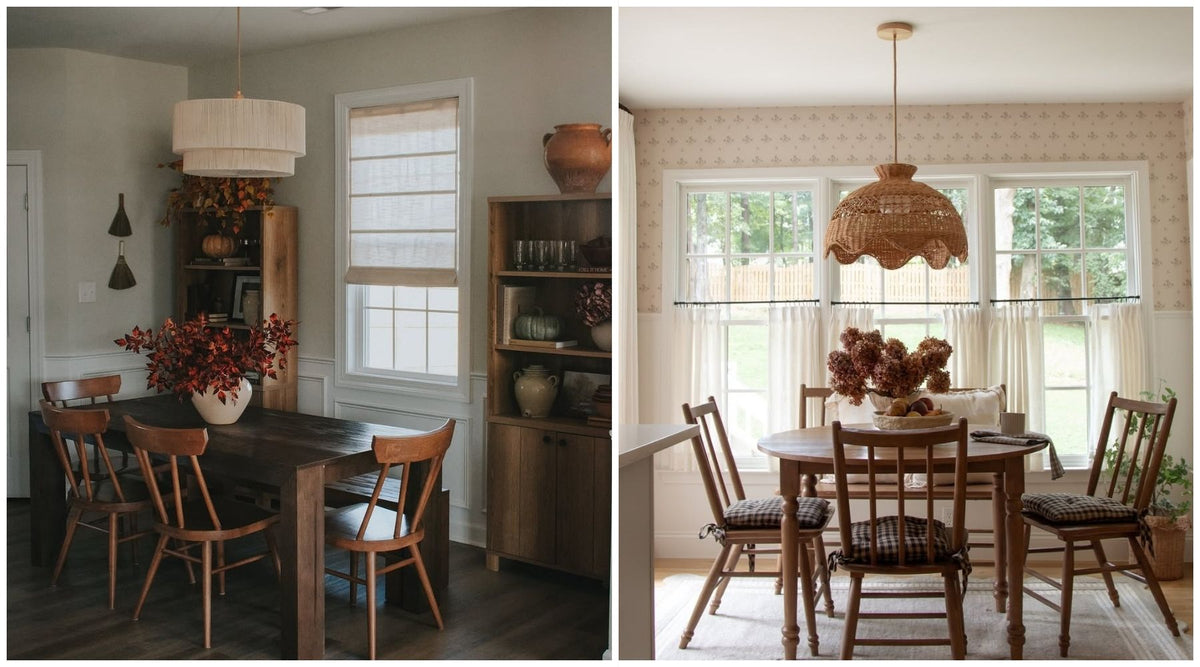
For dramatic impact, pendant lights and chandeliers are your best friends. They work especially well in vaulted ceilings because they bring the light source down to a more functional level. Whether you go for a statement chandelier or a series of stylish pendants, these fixtures add elegance while ensuring proper illumination.

Adjustable hanging pendant lights from Rowabi are ideal for low-ceiling spaces. Source: Rowabi's customer.
Track lighting
Track lighting is super flexible and works well on sloped ceilings since the heads can be adjusted to direct light where needed. It’s a practical choice for both high and sloped ceilings, giving you control over how much light is focused on different areas.
Accent light with lamps and wall lights
Not all lighting has to come from the ceiling! Floor lamps, table lamps, and wall sconces add warmth and fill in shadows, making a vaulted space feel more inviting. Wall-mounted fixtures are especially useful for adding light at eye level to prevent the “tunnel effect.”
The perfect time to upgrade is now. Shop our sale before it's gone.
Create ‘layers’ of light
Relying on a single light source won’t cut it—layering different types of light creates depth and functionality. Combine overhead lighting, accent lights, and task lighting for a well-balanced look that makes the space feel cohesive and comfortable.
Apply the ‘rule of thirds’
This design principle helps create visually balanced lighting. Imagine the room divided into three sections: lower, middle, and upper. Distribute lighting at each level—lamps for lower, sconces for middle, and chandeliers or recessed lights for upper—to avoid leaving any part of the room feeling too dim.
Go for warmer lighting
Vaulted spaces can feel cavernous if the lighting is too cool. Use warm white bulbs (2700K-3000K) to make the room feel cozy rather than sterile. Warm lighting enhances comfort, especially in living rooms and bedrooms.

‘The rule of thirds’ goes well with warm lighting to create a cozy and welcoming atmosphere. Source: Rowabi's customer
Key things to remember when lighting vaulted ceilings
A beautiful ceiling deserves great lighting, but there are a few things to keep in mind:
Amount of light required
To calculate how much light you need, multiply the room’s square footage by 20 lumens per square foot for ambient lighting. If you skimp on light, you’ll get dim, uninviting spaces. Overdo it, and you’ll feel like you’re in an airport terminal.
Check out the guide to foot candles by room below:
| ROOM | FOOT-CANDLE REQUIREMENT |
| Living room | 10 - 20 |
| General kitchen | 30 - 40 |
| Kitchen stove | 70 - 80 |
| Kitchen sink | 70 - 80 |
| Dining room | 30 - 40 |
| Bed room | 10 - 20 |
| Hallway | 5 - 10 |
| Bathroom | 70 - 80 |
Colour temperature
The color of your light affects the room’s mood. Soft white (2700K) is warm and inviting, while daylight bulbs (5000K) feel crisp and energizing. Match the color temperature to the room’s purpose—warmer tones for cozy areas, cooler tones for task-focused spaces.
Dimmers
Dimmers are a must for vaulted ceiling lighting! They let you adjust brightness depending on the time of day or mood, adding flexibility and energy savings.
Potential drawbacks to recessed lighting in a vaulted ceiling
Recessed lighting is sleek, but it has some downsides:
Glare
Light bouncing off sloped ceilings can create harsh glare. Use angled or diffused fixtures to soften the effect.
Brightness/ effectiveness
Vaulted ceilings require higher lumen output to properly light the space. Opt for higher-wattage LED bulbs or additional fixtures to avoid dim spots. Check out our buying guide to choose the best bulb for your lighting needs.
Difficulty to replace
Recessed lights in high ceilings aren’t easy to change. Consider long-lasting LED bulbs to minimize maintenance.
Our top tips when installing your chandelier pendant lights
- Height matters: Chandeliers should hang 30-36 inches above a dining table or 7 feet from the floor in open spaces.
- Use dimmable bulbs to adjust the ambiance.
- Balance the scale—large rooms need larger fixtures.
- For vaulted ceilings, consider adjustable rods or chain-hung fixtures to accommodate the angle.
How do you light a room with a sloped ceiling? What is the best lighting option for vaulted ceilings? What kind of lighting is best for sloped ceilings? How to brighten a room with a vaulted ceiling? How do you adapt a light fixture to a sloped ceiling? What height should a chandelier be at a vaulted ceiling? How do you light a room with a 20-foot ceiling? Can you use pendant lights with a vaulted ceiling? What is the best layout for ceiling lights?FAQs
Conclusion
Lighting for vaulted or sloped ceilings doesn’t have to be overwhelming. By layering different types of lighting, using the right fixtures, and considering factors like brightness and color temperature, you can create a beautifully illuminated space. Rowabi hopes this guide helps you master vaulted ceiling lighting and find the best lighting for sloped ceilings!



Leave a comment
This site is protected by hCaptcha and the hCaptcha Privacy Policy and Terms of Service apply.