


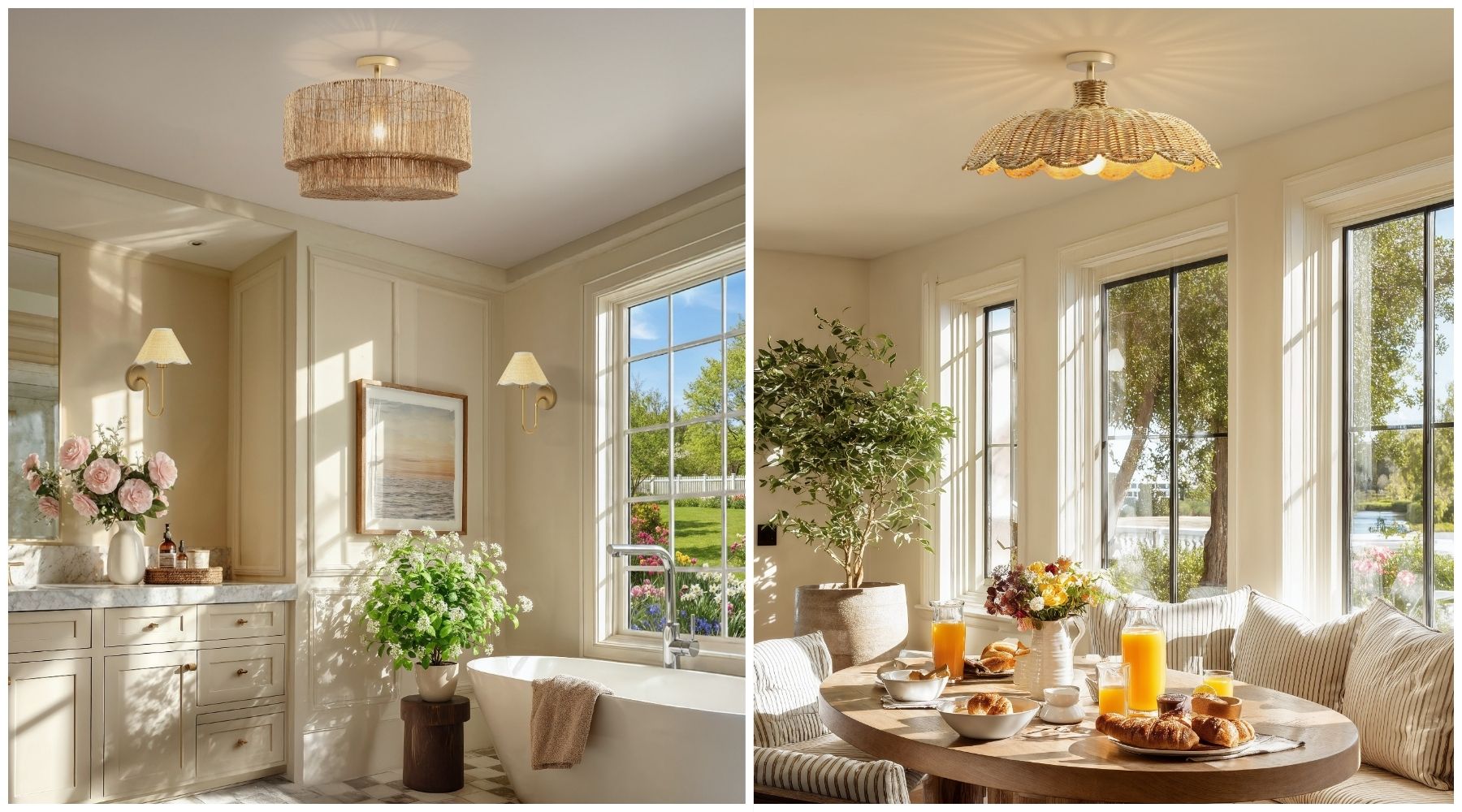
This strategy should be paired with careful color temperature selection: using warm white bulbs (around 2700K) for cozy living areas and cooler light for workspaces. By maximizing natural light, installing dimmer switches for mood control, and using energy-efficient LEDs, you can create a flexible, functional, and visually stunning home environment.
Key takeaways
Core Lighting Principles (The Three Layers):
- Layer Lighting: Combine Ambient (overhead, general glow), Task (focused work light), and Accent (decorative, highlighting features) lighting.
- Height: Place light sources at high, middle, and low levels (e.g., ceiling, wall sconces, table lamps) to achieve visual depth.
- Balance: Avoid relying on a single overhead light; use multiple sources to spread light evenly and prevent harsh shadows.
Choosing the Right Light & Control:
- Color Temperature (Kelvin): Use Warm White (2700K–3000K) for relaxing, cozy areas (living room, bedroom). Use Cooler Tones (3500K+) for energizing task areas (kitchen, office).
- Dimmers: Install dimmer switches on most fixtures to easily adjust brightness and mood for different activities (e.g., movie night vs. entertaining).
- Efficiency: Choose energy-efficient LED bulbs and always ensure the bulb's wattage is appropriate for the fixture's maximum rating.
Discover how to illuminate your home with style and function
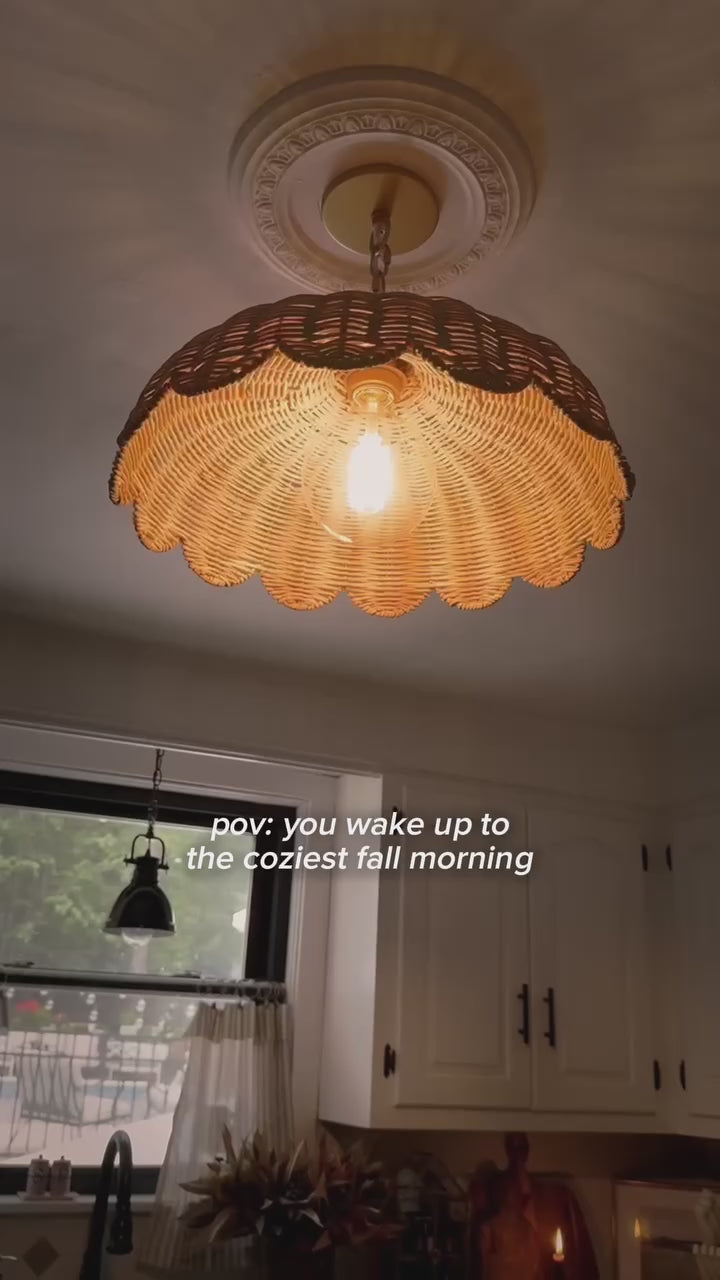
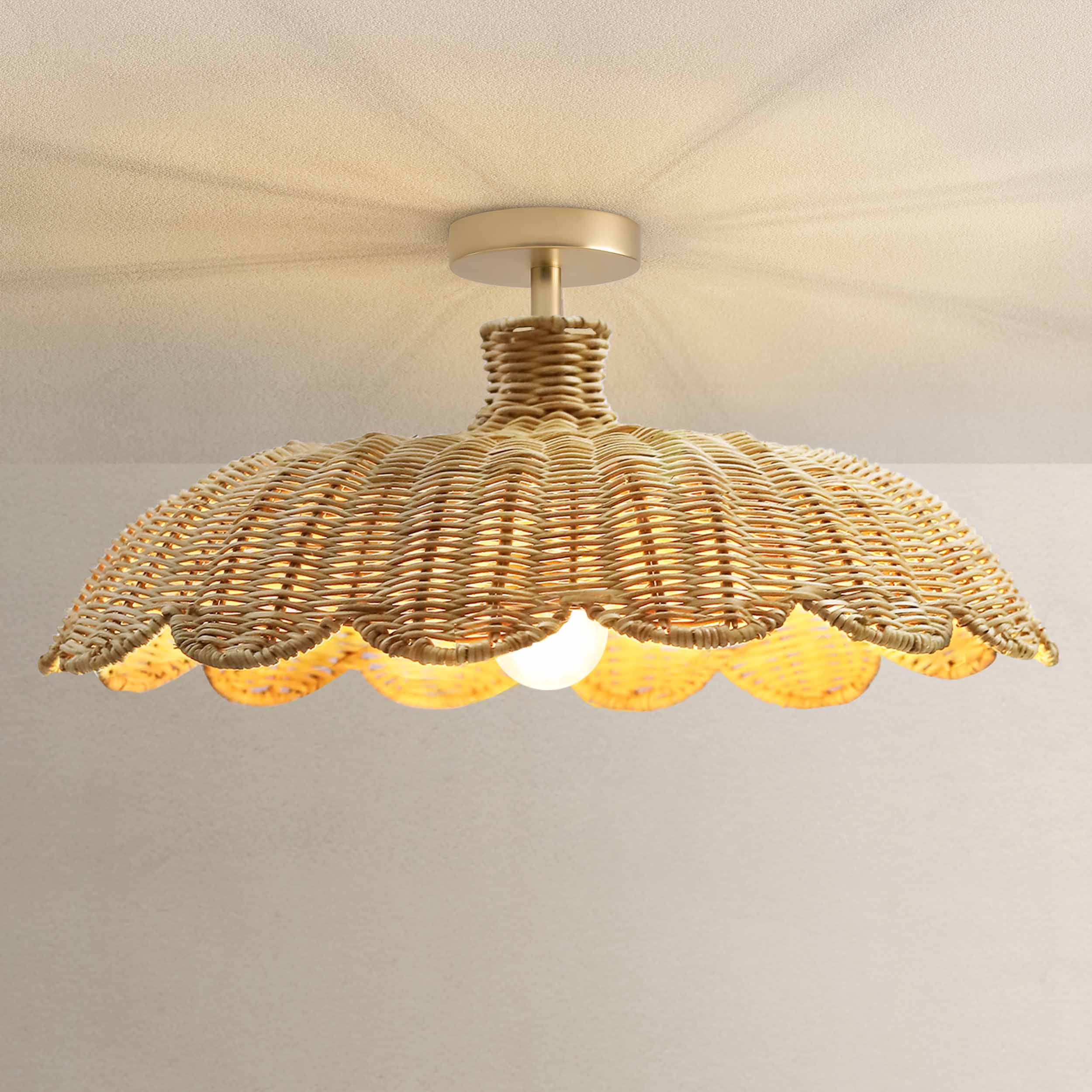
Explore stunning lighting options designed to elevate everyday life, from quiet family evenings to unforgettable holiday celebrations shared at home.
Don't wait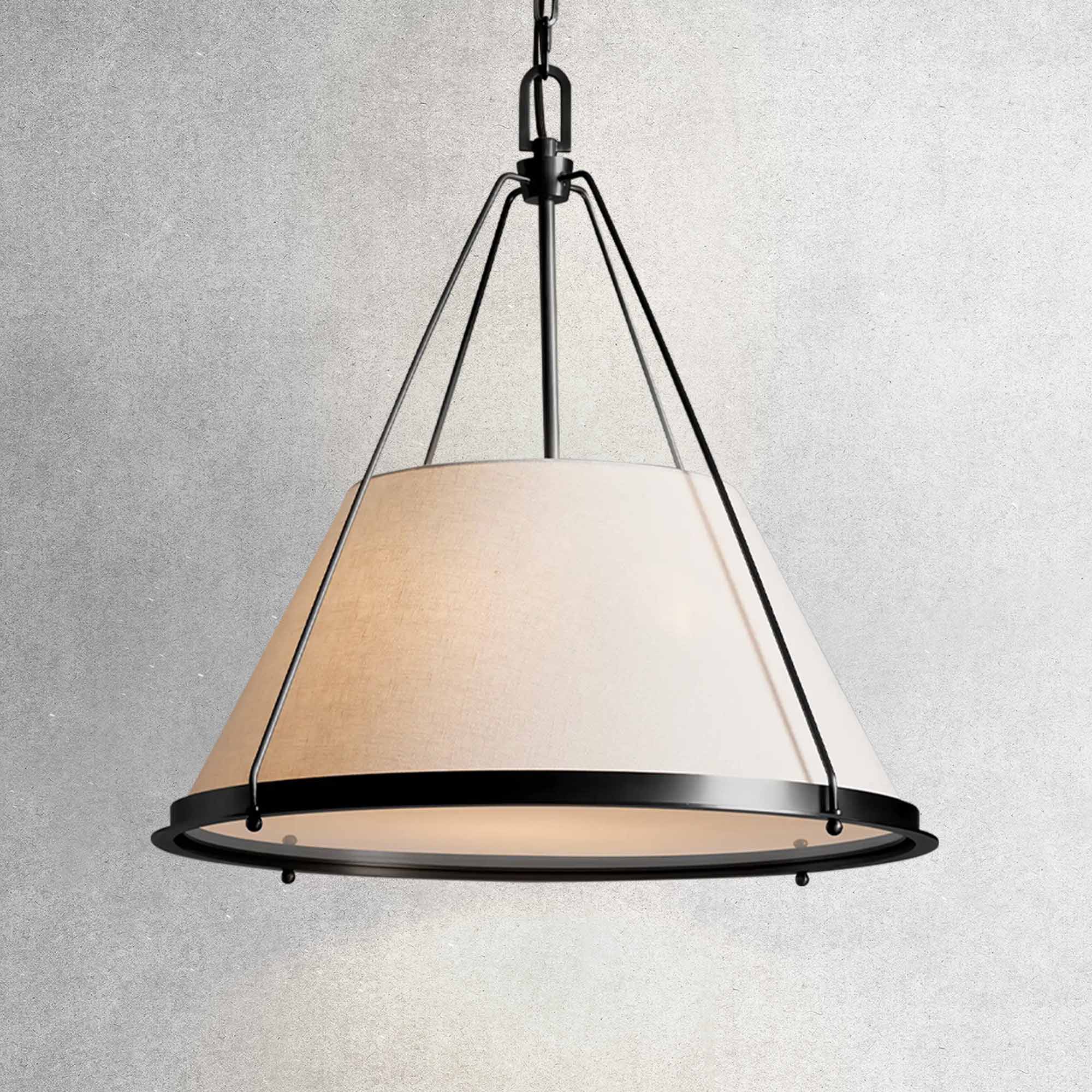
Explore stunning lighting options designed to elevate everyday life, from quiet family evenings to unforgettable holiday celebrations shared at home.
Don't wait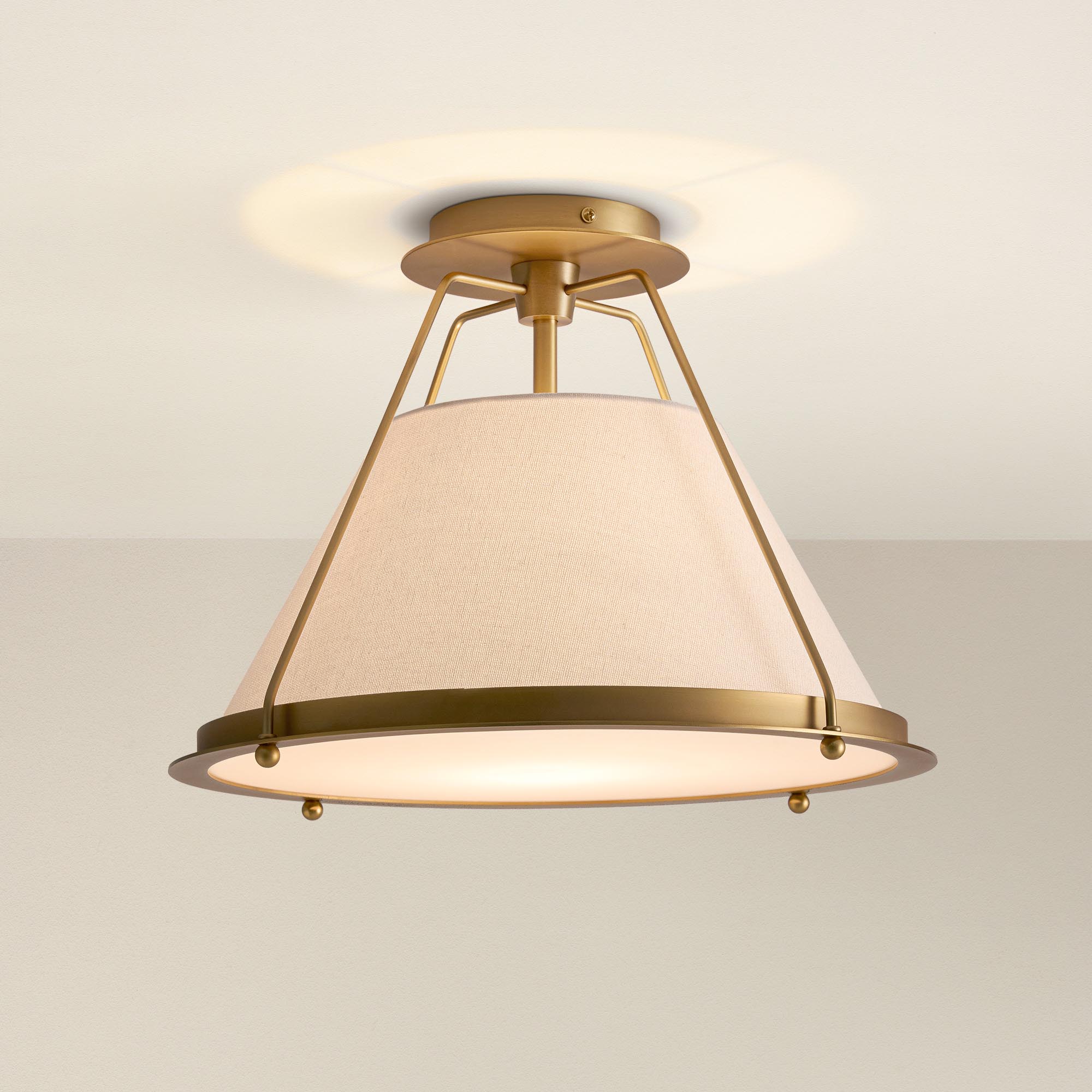
Explore stunning lighting options designed to elevate everyday life, from quiet family evenings to unforgettable holiday celebrations shared at home.
Don't wait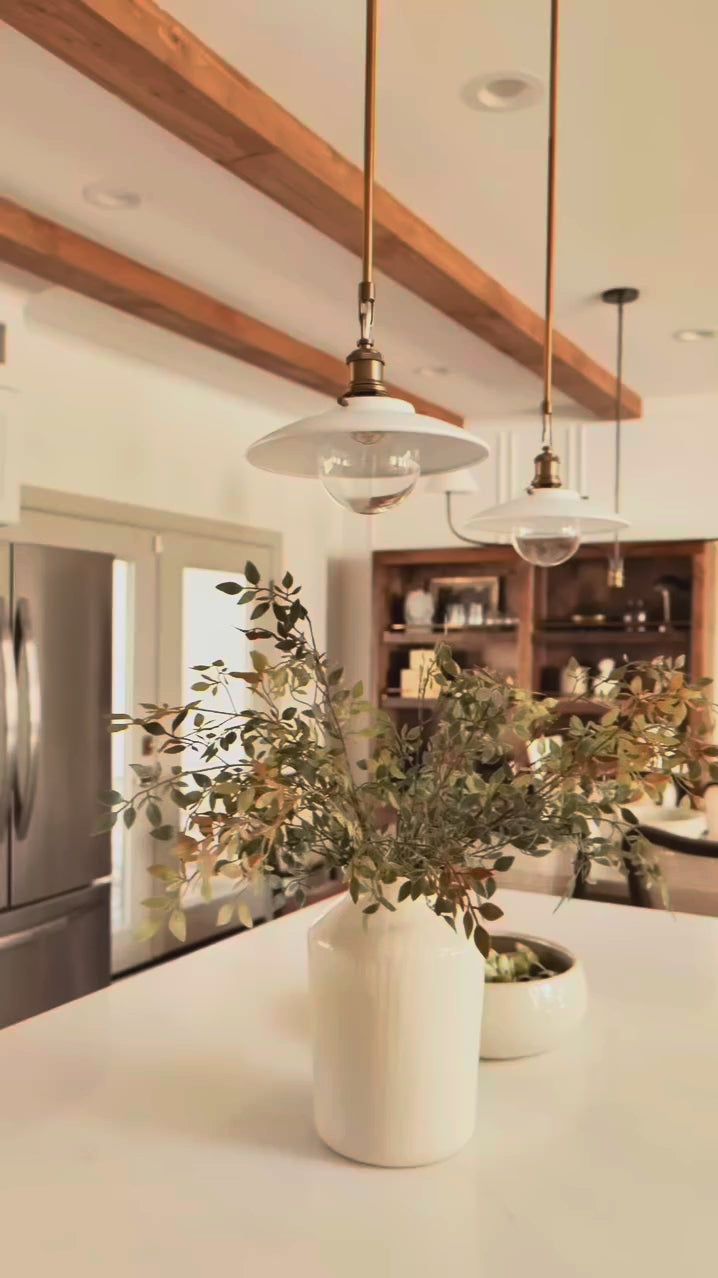
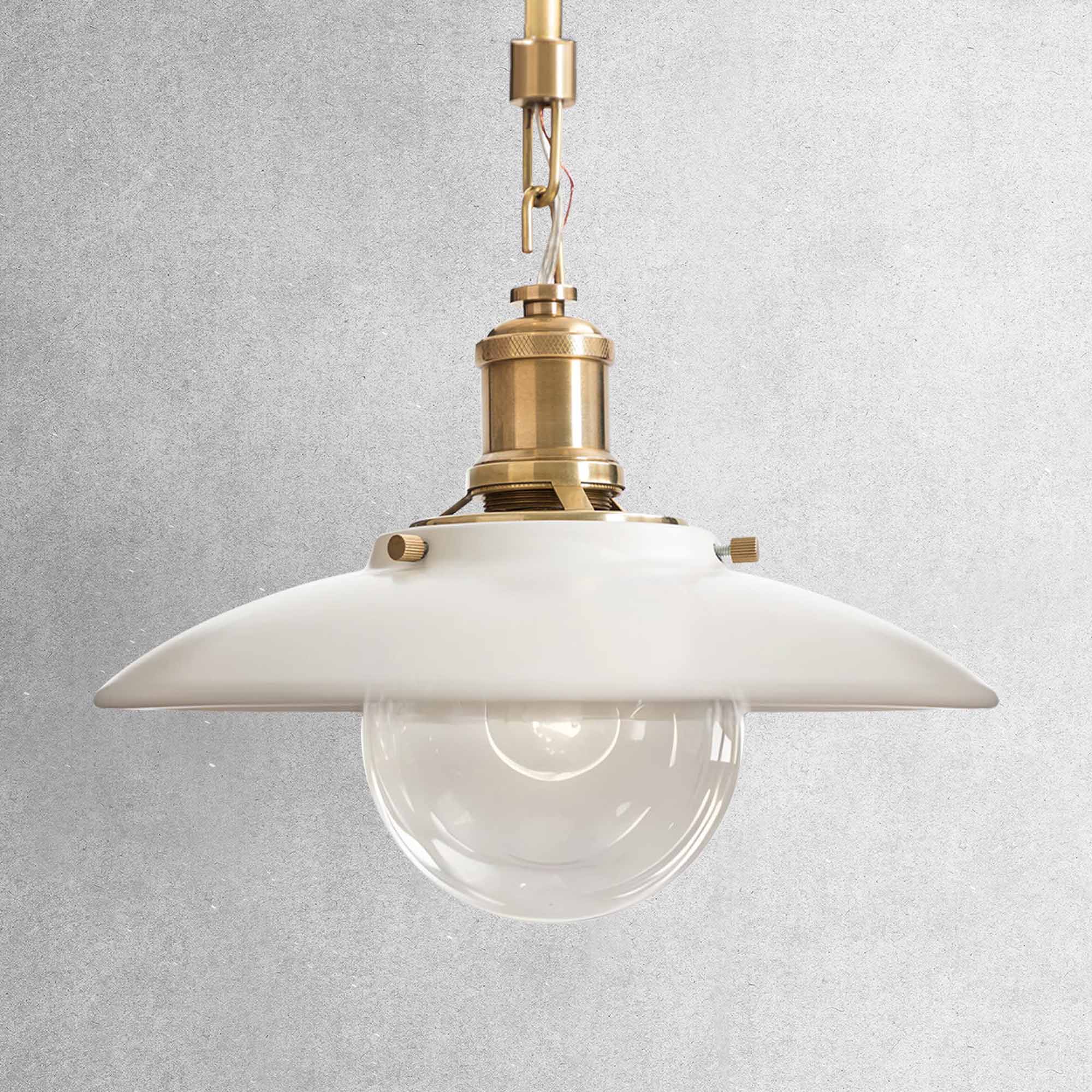
Get inspired: explore lighting styles loved by homeowners
Bring the ideas home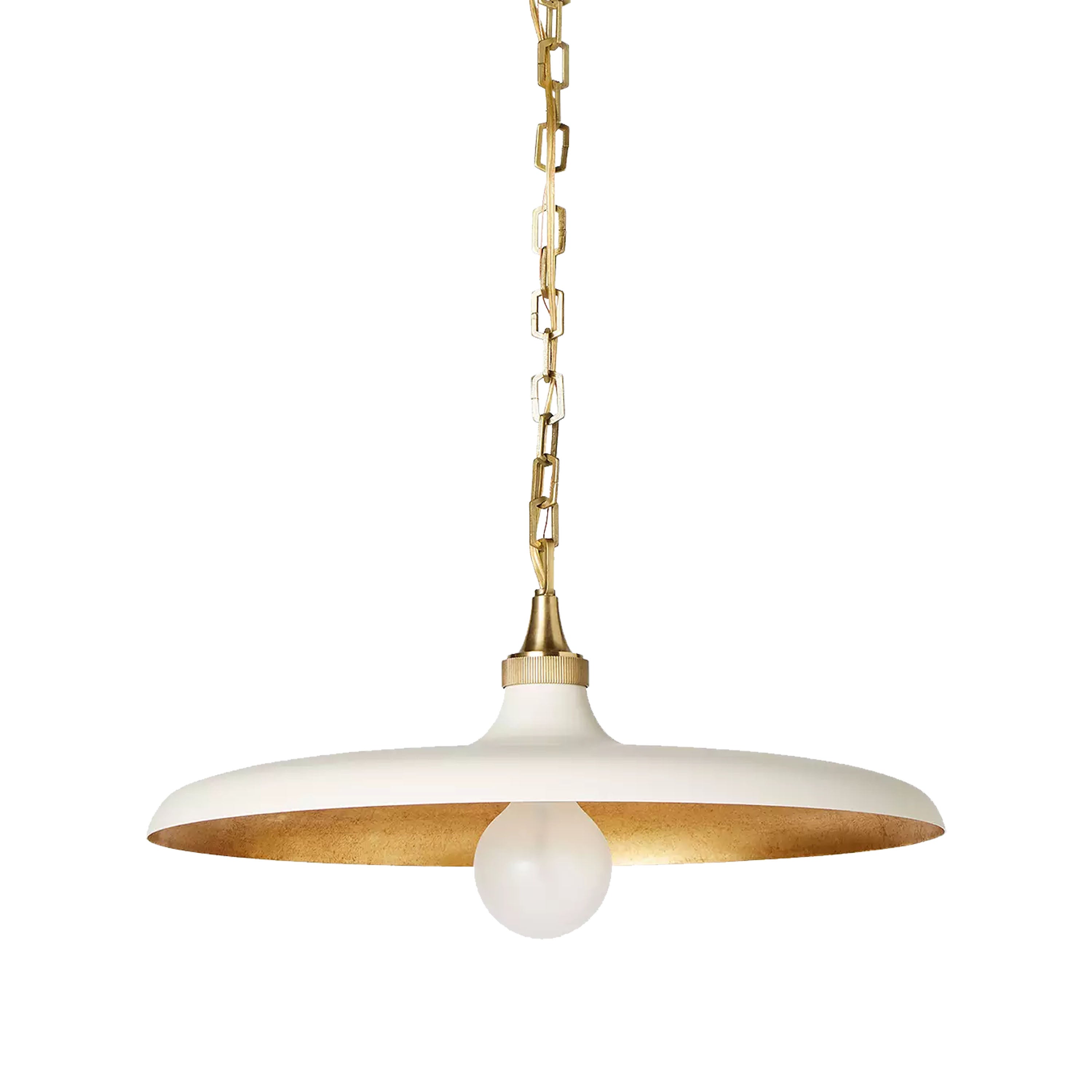
Get inspired: explore lighting styles loved by homeowners
Bring the ideas home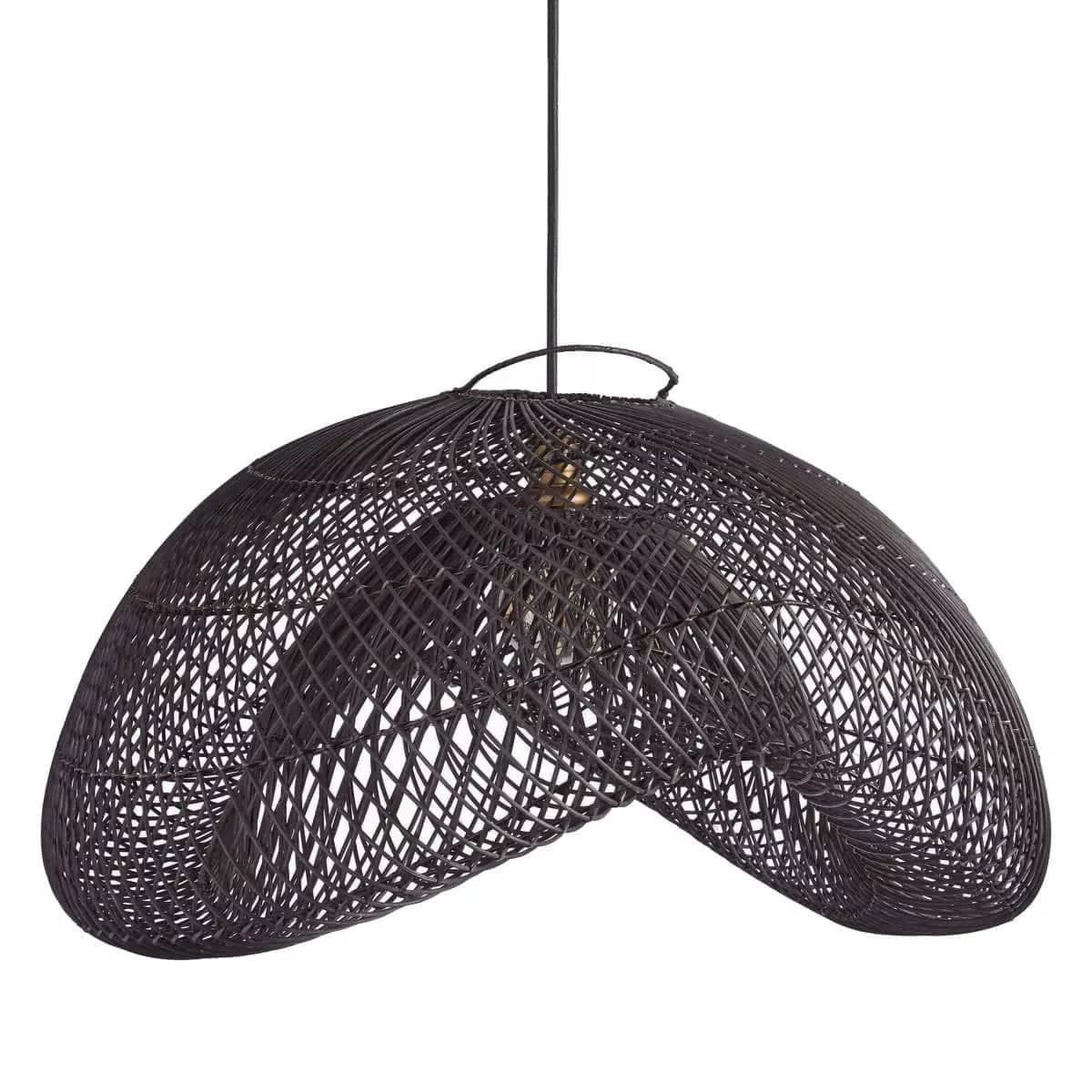
Get inspired: explore lighting styles loved by homeowners
Bring the ideas home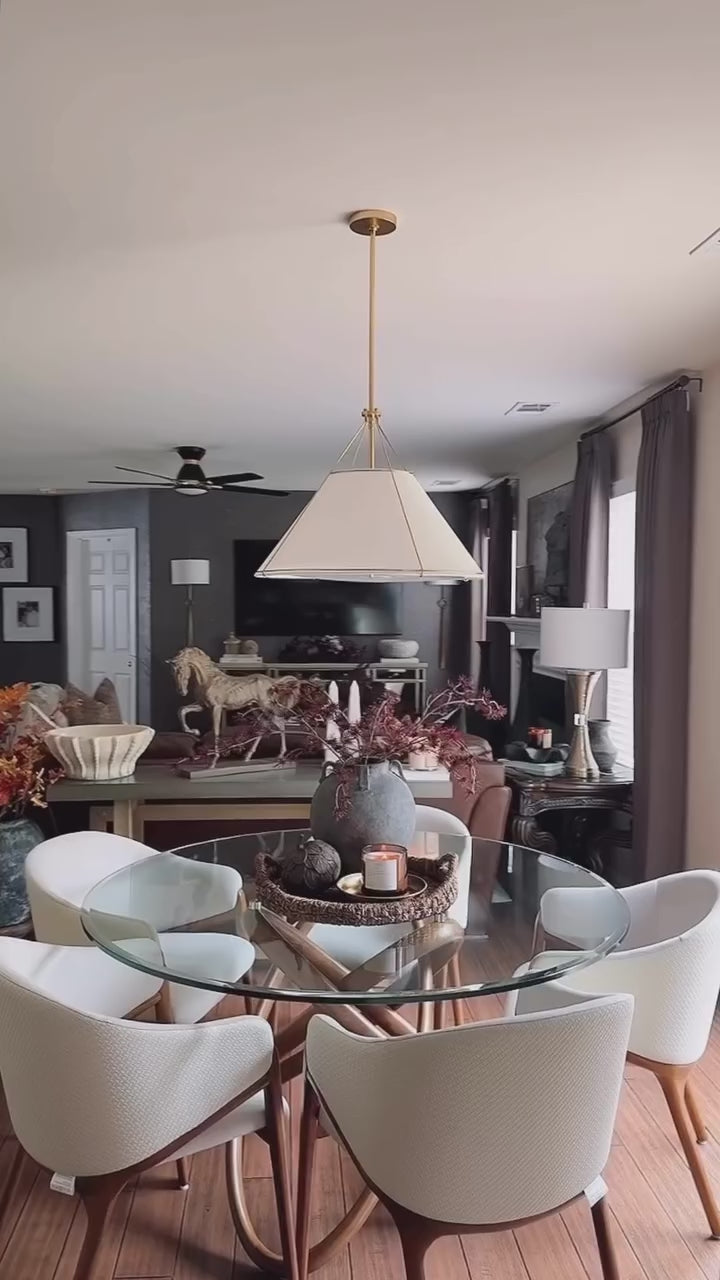
Discover how the right lighting can instantly transform your home into a warm, inviting sanctuary that reflects your style and impresses every guest who walks in.
Get yours todayRoom-Specific Application:
- Kitchen: Add under-cabinet lighting for essential task illumination on countertops and use pendant lights over islands.
- Bedroom: Use bedside lamps or sconces for reading (task lighting) and ensure shaded fixtures provide soft, ambient light.
- Living/Dining: Use floor/table lamps in corners to create a cozy glow and highlight features like artwork with directional accent lighting.
Advanced Techniques:
- Wall Washing/Grazing: Direct light at walls or textured surfaces to add depth and make the space feel larger.
- Smart Controls: Use smart bulbs or plugs for easy control over groups of lights via an app or voice command.
Tips for lighting every room in your house
The following 10 tips will help you pinpoint the current lighting issues in your home and find ways to improve both its functionality and aesthetics.
Discover how to enhance your lighting setup to better support your space and elevate its style.
It's time for an upgrade. Find your perfect focal point.
Understanding the various types of lighting
Lighting plays a crucial role in shaping the atmosphere and functionality of every room. To get it right, it’s essential to understand the four main types of lighting:
Ambient lighting
What it is: Ambient lighting provides overall illumination for a room, creating a comfortable level of brightness without causing glare. It’s the foundation of your lighting plan and helps you see and navigate your space.
Where to use it: Ambient lighting is ideal for living rooms, bedrooms, and hallways where you need a general level of illumination.
Rowabi tips:
- Layer your lighting: Combine ceiling fixtures, chandeliers, or recessed lights with dimmers to control the intensity and create a flexible environment.
- Choose the right bulbs: Use bulbs with a color temperature of around 2700K to 3000K for a warm and inviting glow.
- Ensure even coverage: Position light sources to avoid dark spots and ensure even illumination throughout the room.
 Source: Rowabi's customer.
Task lighting
What it is: Task lighting focuses on specific areas where you need extra light for activities such as reading, cooking, or working. It provides directed light to help you perform tasks efficiently and safely.
Where to use it: Ideal locations include kitchen counters, workspaces, reading nooks, and bathroom vanities.
Rowabi tips:
- Use adjustable fixtures: Desk lamps, under-cabinet lights, and adjustable pendant lights are great for directing light exactly where you need it.
- Position carefully: Place task lighting at the correct angle to reduce shadows and ensure it doesn’t create glare.
- Opt for bright, focused light: Choose bulbs with a higher lumen output and color temperature of around 4000K to 5000K for a bright, crisp light.
 Source: Rowabi's customer.
Decorative lighting
What it is: Decorative lighting enhances the visual appeal of a room and serves as a design element rather than just providing illumination. It adds character and style to your space.
Where to use it: Perfect for dining rooms, living rooms, and entryways where you want to make a design statement.
Rowabi tips:
- Select statement fixtures: chandeliers, pendant lights, and sculptural fixtures can act as focal points and add personality to the room.
- Mix styles: Combine different styles and finishes to create a unique look that complements your decor.
- Highlight architectural features: Use decorative lighting to accentuate elements such as arches, artwork, and unique architectural details.
 Source: Rowabi's customer.
Accent lighting
What it is: Accent lighting is used to highlight specific features or create visual interest. It adds depth and dimension to a room by focusing light on particular objects or areas.
Where to use it: Ideal for showcasing artwork, highlighting architectural features, or creating focal points in living rooms, galleries, or display areas.
Rowabi tips:
- Create layers: Combine accent lighting with ambient and task lighting to enhance the overall effect and add depth to your space.
- Be creative with placement: Position accent lights at different heights and angles to create dynamic shadows and highlights.
Optimize the use of natural light
Maximizing natural light can transform your home’s ambiance and enhance your well-being. To start, ensure your windows are unobstructed by using lightweight, sheer curtains or blinds that allow maximum light to enter.
If privacy is a concern, consider window films that provide privacy while still letting in natural light.

Natural light is still the best for health, color reflection, and aesthetics. Source: Rowabi's customer.
Next, focus on enhancing light reflection within your home. Light-colored walls and reflective surfaces, such as glossy finishes and mirrors, can significantly increase the amount of light that fills your space.
For best results, place large mirrors opposite windows to amplify the reflected light and make the room feel brighter.
In addition, consider installing skylights or light tubes if you have rooms without windows. These features can introduce natural light into otherwise dark areas. To further improve light flow, use transom windows above doors or in partitions to allow light to move between rooms.
See why top designers choose Rowabi here

Consider the room's purpose
When planning lighting for your home, it’s crucial to consider the purpose of each room and how it will be used.
Here’s how to tailor your lighting approach to different areas of your home:
Kitchen
The kitchen serves various functions, including cooking, dining, and working. For cooking, use bright, focused lighting with under-cabinet lights for countertops and recessed ceiling lights for overall brightness.
Add pendant lights over the dining table to create a welcoming atmosphere for meals. This combination addresses both task and ambient lighting needs.

In the kitchen, it's essential to focus on adequate task lighting to ensure it functions well. Source: Rowabi's customer.
Living room
This space is used for relaxation, socializing, and entertainment. To cater to these activities, use a blend of ambient, task, and accent lighting. Install ceiling fixtures for general illumination, add floor lamps or table lamps for task lighting, and incorporate accent lights to highlight artwork or architectural features.

The living room is always the focal point of the home, so use beautiful and refined layering techniques. Source: Rowabi's customer.
Home office
A home office requires lighting that supports productivity and reduces eye strain. Use a combination of task lighting and ambient lighting. Desk lamps with adjustable arms are ideal for focused work, while overhead lights or recessed lights provide overall illumination.
Bedroom
The bedroom is a space for relaxation and resting. For this purpose, use soft, adjustable lighting. Bedside lamps are great for reading and tasks, while overhead fixtures provide general illumination.

Bedside lamps will be one of the highlights of the room. Source: Rowabi's customer.
Bathroom
For tasks like shaving or applying makeup, bright, focused lighting is essential. Install vanity lights around mirrors to eliminate shadows and provide clear visibility.
Meanwhile, incorporate ambient lighting, such as ceiling fixtures or recessed lights, to ensure the entire space is well-lit and functional.
 Source: Rowabi.
Hallway
Hallways benefit from consistent and practical lighting. Use wall sconces or overhead lights to ensure clear visibility and safety. Motion-sensor lights can be a convenient option for automatically illuminating the space when needed.
Children’s room
This room needs to accommodate various activities such as play, study, and bedtime. Use bright, adjustable lighting for play and study areas. Incorporate night lights for safety and comfort. Dimmable lights can help create a calming atmosphere at bedtime.
 Source: Rowabi's customer.
Emphasize the room's dimensions and form
Effective lighting can dramatically enhance the perception of a room's size and shape, creating a more open and inviting space.
Here’s how to use lighting to accentuate and amplify your room’s dimensions:
- Use multiple light sources: Avoid relying on a single central pendant; use various light sources around the room to ensure even illumination and enhance the sense of space.
- Illuminate corners: Place lamps in corners or use wall washing techniques to brighten dark areas and make the room feel larger.
- Backlighting for depth: Use backlighting behind headboards or mirrors and downlighting in shelves to create depth and highlight architectural features.
- Highlight vertical space: Employ long pendants and uplights to emphasize vertical dimensions, drawing the eye upwards and making the room feel taller.
- Cluster lighting in large rooms: Group lighting fixtures to create functional zones within large spaces, making the room feel cozier and more organized.
- Reflective surfaces: Incorporate mirrors and glossy finishes to bounce light around the room, enhancing brightness and the feeling of spaciousness.
Use a multi-layered lighting strategy
To effectively illuminate a room, start with ambient lighting to provide general, even illumination throughout the space. Add task lighting to focus on specific activities, such as desk lamps for work areas or under-cabinet lights for cooking.
Incorporate accent lighting to highlight architectural features and decor, using wall sconces or LED strips. Combine various light fixtures like ceiling lights, table lamps, and floor lamps to create depth and flexibility. Use dramatic pendants and statement lamps to add character and style to the room.
Identify the appropriate fixture size for the room
Choosing the right size of light fixture is crucial for creating a balanced and harmonious space.
Start by calculating the fixture's diameter based on the room's dimensions: add the length and width of the room in feet, and this sum in inches gives you the ideal diameter for the fixture. For instance, a room measuring 8 by 10 feet would suit a fixture with an 18-inch diameter.
Ensure that the fixture's size complements the room’s proportions and does not overwhelm the space. For dining areas, maintain a clearance of at least 30 inches between the bottom of a chandelier or pendant and the top of the dining table to ensure comfortable interaction.

Paying attention to table size when choosing lamps is important, but it’s often overlooked. Source: Rowabi's customer.
In addition to the diameter, consider the height of the fixture. For tall ceilings, a longer pendant or chandelier can enhance vertical space, while for lower ceilings, a more compact fixture is appropriate.
Achieve symmetry and balance in the design
To create a harmonious space, aim for symmetry and balance in your lighting design. Start by using matching fixtures, such as placing pairs of table lamps on either side of key furniture pieces like beds or sofas.
Install symmetrical wall lights on either side of mirrors or artwork to ensure even illumination and draw attention to focal points.
For asymmetrical designs, balance the visual weight by complementing larger fixtures with smaller lights or decorative objects on the opposite side. Moreover, incorporate decorative elements like plants or sculptures to maintain balance and visual interest.
Make a bold statement with a standout decorative piece
A standout decorative light fixture can serve as a focal point and elevate the design of any room. Choose a bold, sculptural design, such as a crystal chandelier, Sputnik-inspired pendant light, oversized dome, or the trendy rattan pendant light.

Notice how the Grandeur Rattan Pendant Light creates a distinctive effect in a minimalist living room. Source: Rowabi
These fixtures can be versatile in shape, quality, and color intensity, depending on the craftsmanship of the artisans. Position your chosen light centrally—above a dining table or in a spacious hallway—to maximize its impact and draw attention.
Limit yourself to one statement piece per room to avoid overwhelming the space. Ensure the fixture is larger or more prominent than other lights in the room to maintain its role as the focal point.
Ensure the light fixtures complement the overall design scheme
To achieve a cohesive and stylish look, your light fixtures must complement the overall design scheme of your room. Start by maintaining a consistent color scheme and material finish throughout your lighting choices.
For instance, if you choose a variety of fixtures, ensure they share a common finish, such as polished brass or matte black, to create visual harmony. Mixing different finishes is possible, but it’s best to limit it to two per room to avoid a disjointed appearance.
Consider how light fixtures interact with existing decor elements. If you have a lamp with a fabric shade, coordinate it with other textiles in the room, such as curtains or cushions. Matching the shade’s fabric pattern or color with these elements can help integrate it seamlessly into the space.
Don't forget the walls
Incorporating wall lighting is essential for enhancing the overall ambiance of a room. Wall sconces are a versatile choice, adding both ambient and task lighting while highlighting artwork or architectural features.
Wall washers can also be a great addition, providing even illumination across a wall and creating a sense of depth and proportion in the room.
Backlighting is another effective technique, where LED strips or hidden lights are placed behind furniture or artwork. Additionally, decorative wall fixtures that serve as art pieces can enhance the room’s aesthetic while offering functional lighting.
Faqs:
How do I get better lighting in my house?
- Improve lighting by using a mix of ambient, task, and accent lighting. Incorporate various fixtures like ceiling lights, floor lamps, and table lamps to ensure even illumination and enhance key areas.
What is the proper lighting in the house?
- Proper lighting involves a balance of ambient, task, and accent lighting tailored to each room’s purpose. For example, use bright lights in the kitchen and softer lights in living areas.
How do I light up my house?
- Light up your house by assessing each room’s needs and using a combination of lighting types. Install dimmers for flexibility and ensure fixtures are placed to avoid dark spots.
How can I get better at lighting design?
- Improve lighting design by learning about different lighting types and their effects. Experiment with fixtures and consult design guides or professionals for tailored advice.
How do you fix poor lighting?
- Fix poor lighting by adding or repositioning fixtures to address dark spots and using brighter bulbs if needed. Ensure a mix of lighting types for balanced illumination.
What are the 3 rules of lighting?
- The three lighting rules are layering (ambient, task, and accent), considering the room’s purpose, and proper fixture placement to avoid dark spots.
How do I get good lighting indoors?
- Achieve good indoor lighting by combining different types of lighting, maximizing natural light, and using proper fixture placement. Ensure a balanced mix of bright, focused, and decorative lights.
How do I brighten up my home?
- Brighten your home by maximizing natural light, using light-colored paints, and incorporating various lighting types. Place mirrors to reflect light and enhance overall brightness.
What is the rule of thumb for lighting design?
- The rule of thumb for lighting design is to combine ambient, task, and accent lighting for a well-balanced and functional space. Adjust fixture sizes and placements to suit the room’s needs.
How can I make my house more light?
- Make your house more light by enhancing natural light with window treatments and mirrors, using light-colored finishes, and incorporating various lighting types to ensure even illumination.
Conclusion
Mastering the art of lighting can elevate the comfort and style of your home. By thoughtfully applying these tips from Rowabi, you’ll achieve a well-lit space that is both functional and aesthetically pleasing.


%20for%20cozy%20living%20areas%20and%20cooler%20light%20for%20workspaces.%20By%20maximizing%20natural%20light,%20in...)