


If you’re fed up with outdated lighting that just doesn’t cut it anymore, recessed lighting might be your solution. It’s efficient, stylish, and can significantly improve the look of any room.
Project overview
| Working time | Skill level | Total time | Estimated cost | Yield |
| 30-45 mins | Intermediate | 30-45 mins | $15 to $30 each | 1 recessed light |
Planning your recessed lighting
First, you need to have a solid plan in place before officially starting the installation process:
Choose the right fixtures
Selecting the right fixtures is essential for achieving both functionality and style. Look for LED recessed lights that match your aesthetic preferences and fit the room’s design.
Ensure the fixtures are rated for the installation type: IC-rated for insulation contact if applicable. Adjustable fixtures that allow for dimming or directional lighting are also beneficial, as they provide versatility in brightness and focus.

There are a variety of recessed lights available on the market today, featuring diverse shapes and designs. Source: @valentynsemenov via Canva: https://www.canva.com/photos/MAG2vPwrfgc/
Cost of recessed light installation
When budgeting for your recessed lighting project, consider the following costs:
- Fixtures: Prices can vary significantly, typically ranging from $20 to $100 per fixture.
- Installation: If hiring a professional, installation costs can add $100 to $300 per fixture.
- Materials: Don’t forget to factor in additional materials like wiring, junction boxes, and possibly a dimmer switch. Overall, your total budget will depend on the number of lights and any additional modifications required for your home.
Read in detail: How Much Does It Cost to Install Recessed Lighting in 2024
Codes and permits
Before starting your installation, it’s crucial to check local building codes and regulations. Some jurisdictions require permits for electrical work, especially when altering circuits or making significant changes.
Compliance with safety regulations ensures a safe installation, so consult local authorities or a licensed electrician if you’re uncertain about the requirements.
Get the designer look, simplified. Shop our hassle-free lighting solutions.
Safety considerations
Safety should always be your top priority during electrical work. Before beginning any installation, turn off the power at the circuit breaker. This precaution helps prevent accidents and ensures your safety throughout the process.
Additionally, use proper tools that are in good working condition, including a non-contact voltage tester to verify that the power is indeed off. Following the manufacturer’s guidelines for fixture installation and wiring is crucial to avoid hazards and ensure a safe and effective installation.
Consider the circuits
Understanding your existing electrical system is crucial for a safe installation.
Existing circuit
Start by evaluating the load capacity of your current circuit. Determining whether it can handle the additional load from new recessed lights is essential. Check the wiring type as well; typically, a 14-gauge wire is suitable for 15-amp circuits. Ensuring that your existing wiring is appropriate for the load will help prevent overheating and potential electrical hazards.
New circuit
If the existing circuit is insufficient for your needs, you may need to consider adding a new one. This process can be more complex and often requires professional assistance to ensure safety and compliance with electrical codes.
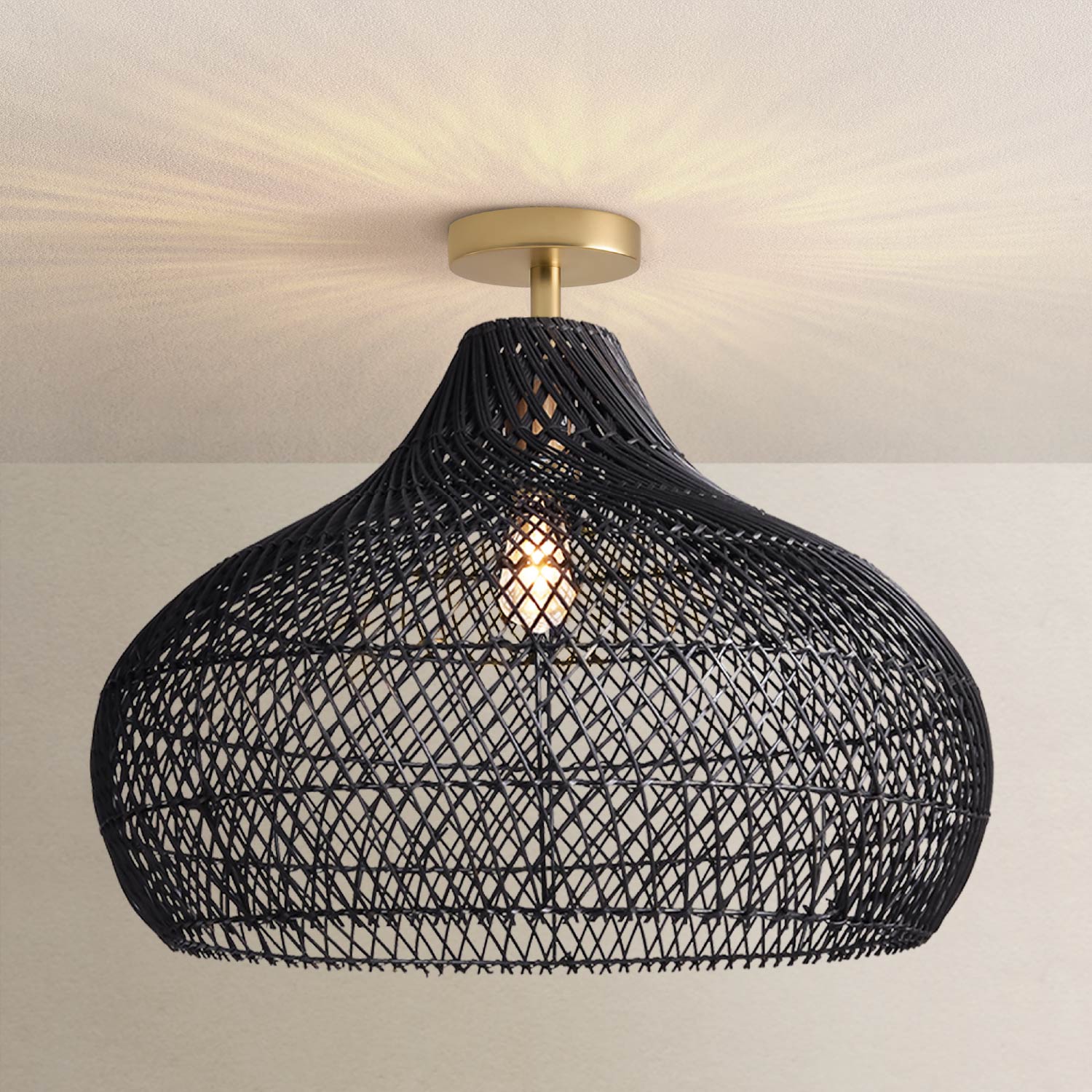
Light up your inspiration. Find the glow that brings your ideas to life.
When planning for a new circuit, take the time to route the wiring properly from the breaker box to the installation site. Careful planning will facilitate a smoother installation process and help maintain the integrity of your electrical system.
The type of lights
Decide on the type of lighting that best suits your needs:
- Bulb Type: Options include LED, incandescent, or halogen. LEDs are preferred for their energy efficiency and longevity.
- Color Temperature: Choose between warm white (2700K-3000K) for a cozy feel or cooler tones (4000K-5000K) for a more task-oriented environment.
The ceiling
Before cutting into the ceiling, inspect the space above:
- Check for obstructions: Look for plumbing, electrical wiring, or ductwork that may interfere with your installation. A flashlight or mirror can help inspect these areas.
- Plan for dust control: Use drop cloths or dust shrouds to minimize mess during the drilling process.

Since they are mounted directly on the ceiling, it's important to consider the ceiling's suitability for installation as well. Source: @dit26978 via Freepik: https://www.freepik.com/author/dit26978
Kind of wiring you owned
Assess the type and condition of the existing wiring:
- Identify wiring type: Older homes may have outdated wiring that might not be suitable for new fixtures. If you find knob-and-tube wiring, consider upgrading.
- Ensure compatibility: Verify that the wiring gauge matches the requirements of your new fixtures.
The number of lights
Determine the number of recessed lights based on the room’s size and lighting needs:
- General rule: Use 1.5 watts per square foot to calculate the total wattage needed.
- Design considerations: More lights may be needed in larger rooms or areas that require focused lighting, such as kitchens or home offices.
What you'll need
Next, you need to ensure that you have all the necessary tools and materials to begin the installation of the lights.
Equipment/tools
When installing recessed lights, having the right tools is essential for a smooth and safe installation. Here’s a comprehensive list:
- Non-contact voltage tester: For verifying that the power is off before starting work.
- Drill and hole saw: To cut precise holes in the ceiling for the recessed lights.
- Stud finder: To locate joists and avoid cutting into them.
- Wire strippers: For stripping insulation from the wires.
- Screwdrivers: Both flathead and Phillips for securing fixtures and connections.
- Measuring tape: To measure distances and ensure even spacing of lights.
- Level: To make sure fixtures are installed evenly.
- Dust shrouds or drop cloths: To minimize dust and debris while drilling.
- Safety goggles and gloves: To protect your eyes and hands during installation.
Click to explore new arrivals.
Materials
Gathering the right materials will ensure you have everything you need for a successful installation:
- Recessed light fixtures: Choose fixtures that suit your aesthetic and functional needs. Make sure they are IC-rated if installing near insulation.
- Junction boxes: For securing electrical connections in the ceiling.
- Electrical wiring: Typically 14-gauge for 15-amp circuits, along with wire nuts for secure connections.
- Dimmer switch (optional): If you want to control the brightness of your recessed lights.
- Bulbs: Choose the appropriate type (LED or incandescent) based on your fixture’s specifications.
- Trim kits: Select decorative trim that complements your interior design.
How to install recessed lights
Prepare your pen and paper, and have a good memory to keep track of the following steps so you can get started with the light installation.
Step 1: Identify lighting locations
Begin by evaluating the space and determining where additional lighting is needed. Consider factors such as room function and existing light sources. Ideal placements often involve spacing lights approximately six feet apart for optimal illumination.

Calculate and mark the placement of the lights. Source: @wirestock via Freepik: https://www.freepik.com/author/wirestock
Step 2: Prepare the area
Clear the installation area of any furniture or obstructions. Use dust shrouds or drop cloths to protect surfaces from debris during installation.
Step 3: Remove the existing fixture
If you are replacing an existing fixture, carefully remove it by unscrewing it from the ceiling and disconnecting the wiring. Always ensure the power is turned off at the circuit breaker before proceeding.

Carefully remove each old light fixture. Source: @rawpixel.com via Freepik: https://www.freepik.com/author/rawpixel-com
Step 4: Cut the hole in the ceiling
Using a drill and hole saw, cut openings for the recessed lights. If the fixtures come with a mounting template, use it to guide your cuts for precision. Ensure you avoid any existing wiring or plumbing.
Step 5: Run the wiring to the ceiling hole
Drill a pathway from the switch box to the ceiling hole. Fish the wiring through this path, allowing for 12 to 18 inches of slack at each opening to ensure flexibility in connections.
Step 6: Connect the wire to the recessed light
Open the junction box of the recessed light fixture and connect the wires. Match black wires (hot) to black, white wires (neutral) to white, and connect ground wires (bare copper) using wire nuts.
Step 7: Install the light into the ceiling hole
Securely tuck the wires back into the junction box and slide the recessed light housing into the hole. Use the clips or screws provided to hold the housing firmly in place against the ceiling.
Step 8: Attach the recessed light trim
Once the housing is secured, attach the trim piece to finish the look. Depending on the trim type, this may involve using coil springs or other fastening methods to ensure a snug fit.

Reassemble each part logically to ensure everything fits properly. Source: @sakavik via Freepik: https://www.freepik.com/author/sakavik
Step 9: Insert the appropriate bulb
Depending on the fixture, either screw in light bulbs or install LED lamps according to the manufacturer’s instructions. Ensure you are using the correct wattage to avoid overheating.
Step 10: Wire the circuit to the service panel
If you are adding a new circuit, connect the new wiring to the service panel, ensuring that all connections are secure and meet local code requirements.
Step 11: Install the housing
For fixtures requiring housing, follow the manufacturer's guidelines for installation. Ensure the housing is properly secured within the ceiling.
Step 12: Test the lights
Once all installations are complete, turn the power back on at the circuit breaker. Test the lights to ensure they function properly. If you installed a dimmer switch, check its operation to confirm smooth dimming capabilities.
When to call a professional?
When considering whether to call a professional for your recessed lighting installation, it's essential to recognize several key situations:
- Complex electrical work: If the installation involves extensive rewiring or major changes to your electrical system, consult a licensed electrician.
- Permit requirements: If your local regulations require permits for electrical work and you’re unsure about the process, a professional can handle this for you.
- Insufficient circuit capacity: If your existing circuit can't handle the additional load, an electrician can assess and install a new circuit safely.
- Safety concerns: If you’re uncomfortable working with electricity or lack experience, hiring a professional ensures safety.
- Specialized lighting needs: For advanced lighting designs or smart systems, professionals can provide the expertise required for proper installation.
- Inaccessible ceiling spaces: If the area above your ceiling is hard to reach, an electrician has the tools and experience to navigate these challenges safely.
Faqs: How to install recessed lighting
How to install recessed lighting with no attic or prior wiring?
- You can use remodel recessed lighting kits, which are designed for installation in existing ceilings without attic access. Cut the holes in the ceiling, fish the wiring through the wall, and connect it to a nearby power source, such as an existing outlet or switch. If you’re unsure, consult a licensed electrician to ensure safety and compliance with local codes.
Can I install recessed lighting myself?
- Yes, if you’re comfortable with basic electrical work and have the right tools. However, if you're dealing with new wiring or complex installations, it's best to hire a professional to ensure safety and compliance.
Are recessed lights easy to install?
- Recessed lights are relatively easy to install in open ceilings, especially with remodel kits. However, the difficulty increases if there’s no attic access or if additional wiring is required.
What are the rules for installing recessed lighting?
- When installing recessed lighting, space them about half the ceiling height apart (e.g., 8-foot ceilings = 4 feet apart) to ensure even illumination. Keep lights away from walls to avoid shadows and ensure proper clearance from insulation to prevent heat buildup. Always adhere to local electrical codes for safety.
How much does it cost to put in a recessed can light?
- The cost typically ranges from $100 to $300 per light, including materials and professional installation. DIY can lower costs significantly but requires knowledge of electrical work.
Can I daisy chain recessed lights?
- Yes, you can connect multiple recessed lights to the same circuit using a single power source. Just ensure that the total wattage doesn’t exceed the circuit's capacity.
What are the disadvantages of recessed lighting?
- Recessed lighting, though sleek, has some downsides. It can cause heat buildup if not properly ventilated, offers limited light spread, and may require more fixtures for adequate illumination. Installation can be costly and complicated, and once installed, it's harder to adjust or replace compared to surface-mounted lights.
Do recessed lights add value to a home?
- Yes, recessed lighting can enhance a home’s appeal by providing modern, streamlined lighting that complements various decor styles, potentially increasing resale value.
Why is recessed lighting so expensive?
- Costs can be high due to the need for multiple fixtures, professional installation, and potential electrical work. Remodeling or adding new wiring can significantly increase expenses.
Where should you not put recessed lights?
- Avoid placing recessed lights directly over ceiling fans, close to walls (causes shadows), or in areas prone to moisture without proper rating (e.g., showers).
How many 6-inch recessed lights do I need?
- For general lighting, use one 6-inch recessed light per 4 to 6 square feet of ceiling space. For a standard 10x10 room, this translates to about 4 to 6 fixtures.
How far apart should 4-inch recessed lights be spaced?
- 4-inch recessed lights should be spaced about 4 to 5 feet apart for even illumination. Adjust spacing based on the height of the ceiling and desired lighting effect.
How many recessed lights for a 10x10 room?
- For a 10x10 room, you typically need 4 to 6 recessed lights, depending on the desired brightness and size of the fixtures.
What is the most common size recessed light?
- The most common sizes are 4 and 6-inch diameters. 4-inch lights are great for task lighting, while 6-inch lights provide broader, general illumination.
Can you have too much recessed lighting?
- Yes, too many recessed lights can create an overly bright, harsh environment and increase energy costs. It’s best to balance recessed lights with other types of lighting, like pendants or floor lamps, for a more comfortable ambiance.
Conclusion
And there you have it—your guide to installing recessed lighting and transforming your space! Remember, though, while DIY can be a thrill, safety comes first—no one wants their weekend project to end in sparks! So grab your tools, double-check that breaker, and let your ceiling shine like the star of the show. Happy lighting!


Leave a comment
This site is protected by hCaptcha and the hCaptcha Privacy Policy and Terms of Service apply.