

Gifting has never been easier
Perfect if you're short on time or are unable to deliver your gift yourself. Enter your message and select when to send it.
Achieving perfectly balanced and shadow-free illumination in your living room depends entirely on the strategic placement of recessed lighting. The key rule for general ambient light is simple geometry: space your lights approximately half the distance of the ceiling height from the nearest wall and from each other.
This Rowabi guide outlines precise spacing and placement considerations to ensure your living room lighting is both functional and beautifully inviting.

The combination of lighting fixtures in a space can complete the ambiance. Source: @dit26978 via Freepik: https://www.freepik.com/author/dit26978
When planning recessed lighting for your living room, it’s crucial to consider both aesthetics and functionality. The right layout creates a balance of light and shadows, turning your space into a cozy and well-lit haven.
If you need more inspiration for living room recessed lighting, please find below:
Recessed lighting is versatile, but it’s most effective when paired with other light sources. Interior designers, like Sarah Barnard from Sarah Barnard Design, often recommend combining recessed lights with floor lamps, table lamps, or wall sconces to create layers of light.
This approach ensures a balanced and inviting ambiance for any living room. For example, recessed lights provide general illumination, while a statement floor lamp can add a cozy, ambient touch.
According to lighting expert Nathan Orsman, spacing recessed lights approximately half the ceiling height apart creates balanced illumination. “Proper spacing allows the light to flow naturally, avoiding harsh bright spots while providing consistent brightness throughout the room,” Orsman explains.
For an 8-foot ceiling, this translates to lights spaced 4 feet apart. This rule ensures even light distribution without creating dark spots or overly bright areas.
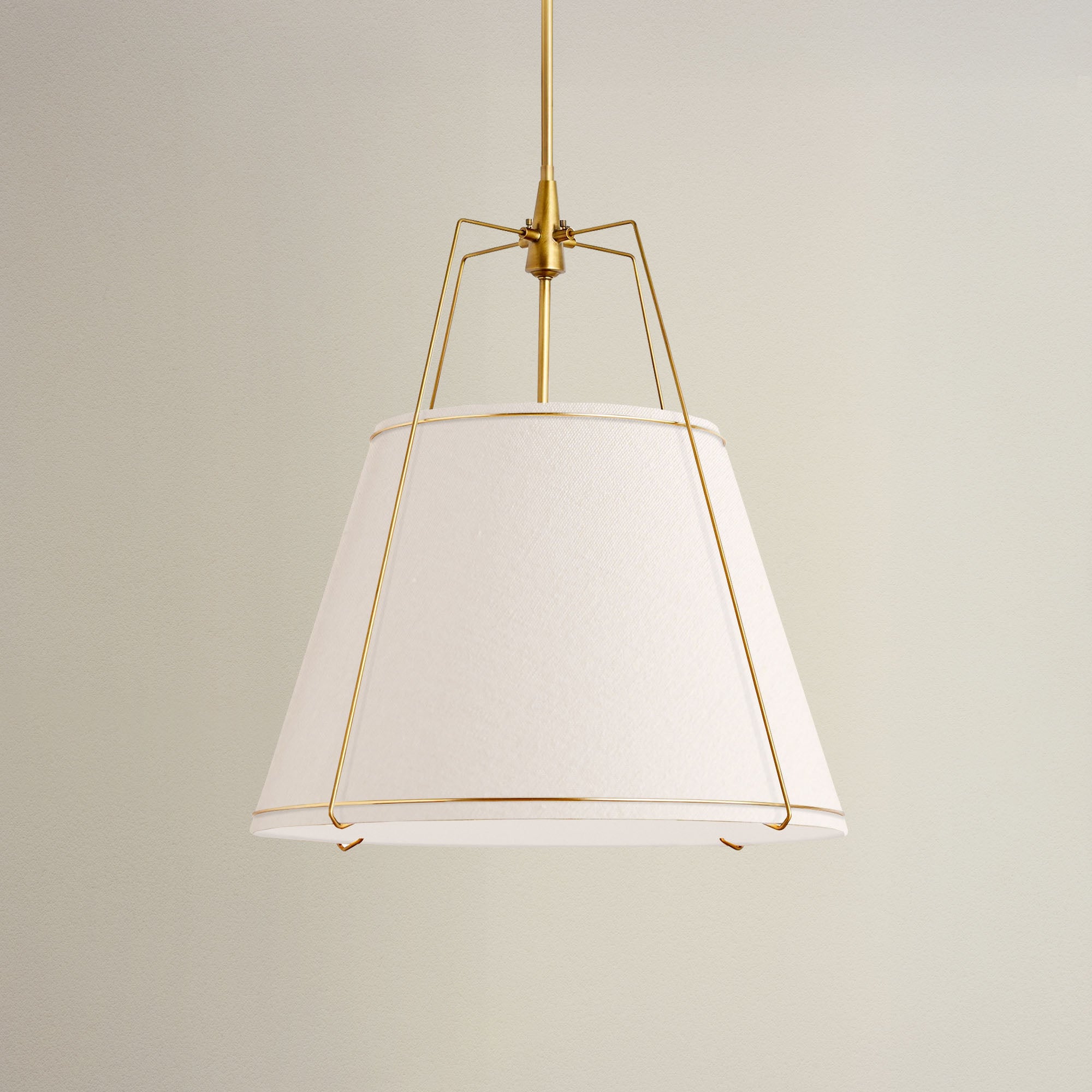
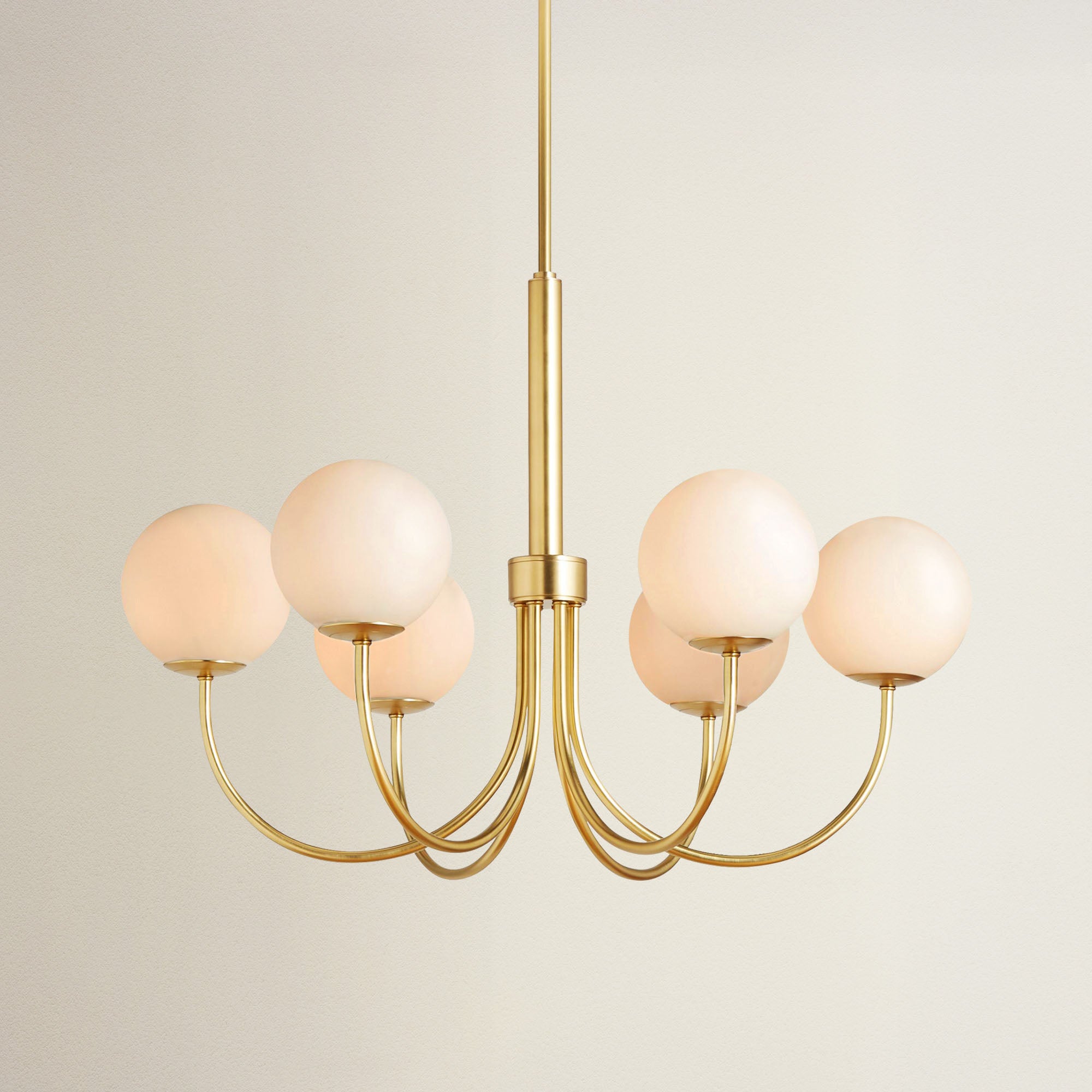
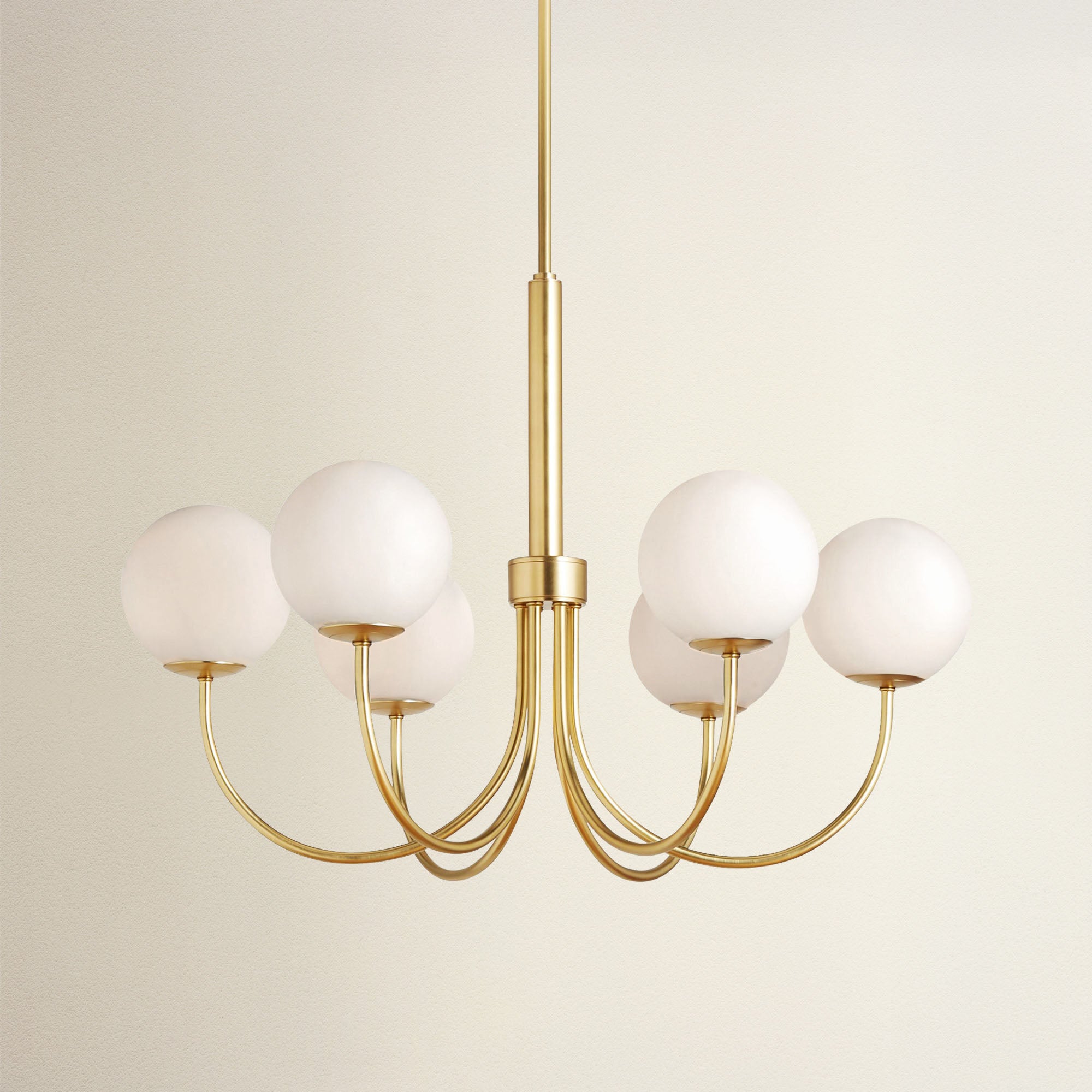
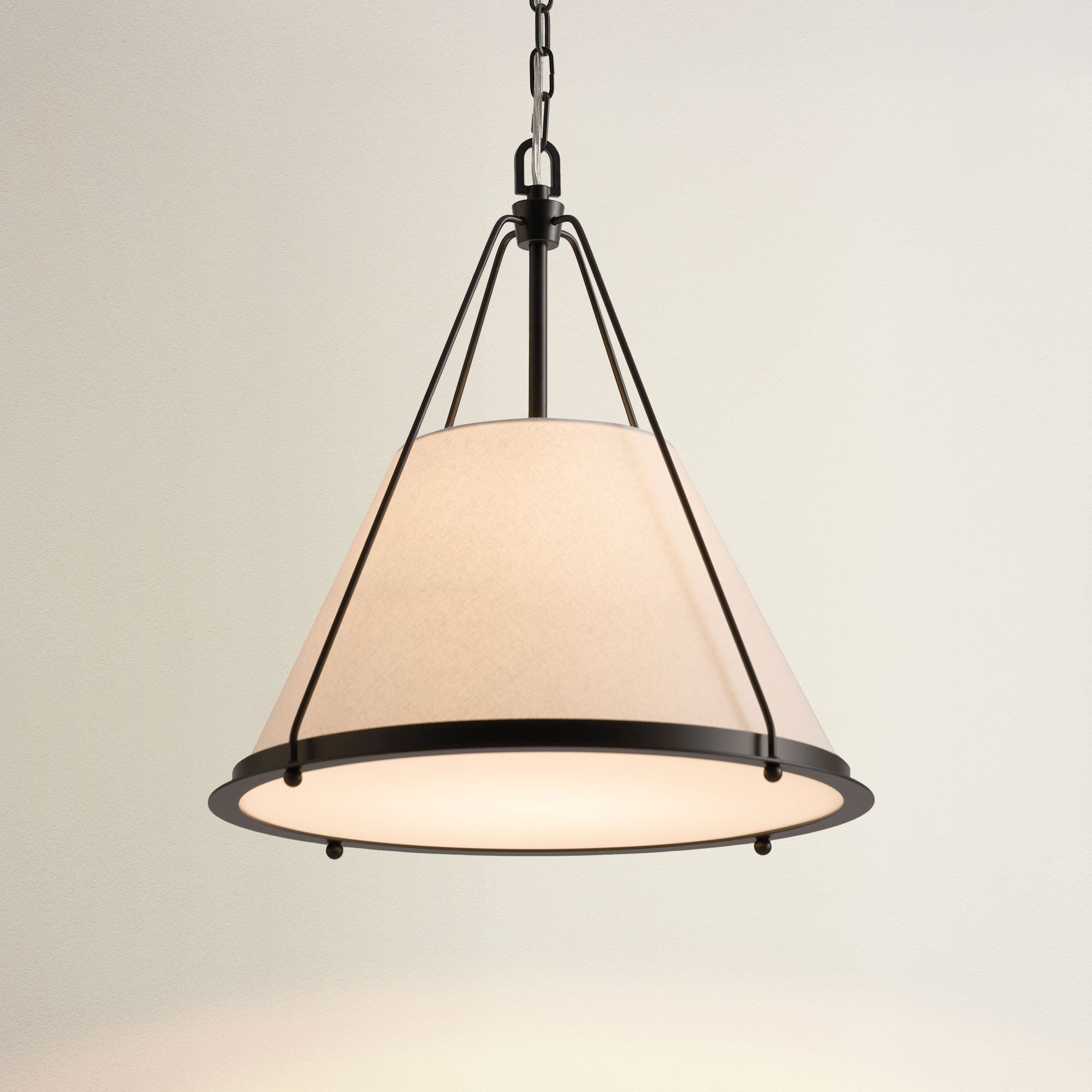
It's time for an upgrade. Find your perfect focal point.

Free delivery between Dec 22 - 23 on orders $200+
45-Day Return
Free delivery between Dec 22 - 23 on orders $200+
45-Day Return
Free delivery between Dec 22 - 23 on orders $200+
45-Day Return

Free delivery between Dec 22 - 23 on orders $200+
45-Day Return
Free delivery between Dec 22 - 23 on orders $200+
45-Day Return
Free delivery between Dec 22 - 23 on orders $200+
45-Day Return


Free delivery between Dec 22 - 23 on orders $200+
45-Day Return
Start with a sketch of your living room, noting furniture placement, focal points, and traffic flow. Architectural Digest suggests arranging recessed lights to highlight features like fireplaces, artwork, or bookcases while leaving room for ambient and accent lighting. A good layout ensures the entire space feels cohesive and functional.
Creating the perfect recessed lighting layout involves blending different lighting types to suit your living room's needs. Let’s explore how ambient, accent, and task lighting work together to elevate your space.
Ambient lighting serves as the base layer of light for your living room, ensuring the entire space is well-lit. Place recessed lights evenly across the ceiling, focusing on areas where natural light is limited. For a standard layout, consider spacing lights 4-6 feet apart for ceilings up to 10 feet high.
Use recessed lights to draw attention to specific elements like a gallery wall, fireplace, or architectural feature. Angling lights at 30 degrees toward the object creates a dramatic effect. This technique is a favorite of interior designers to add depth and highlight your room’s best features.
For task-oriented spaces like a reading nook or a desk corner, recessed lights provide focused illumination. Position lights directly above these areas, and consider using adjustable trims for directional lighting. This setup minimizes glare and maximizes functionality.
Recessed lighting isn’t just for flat ceilings. For vaulted or sloped ceilings, use directional lights with adjustable trims to ensure even light distribution. Position the fixtures to follow the slope, enhancing the architectural interest of your living room.
Let's find the one. Explore our best-sellers.
Free delivery between Dec 22 - 23 on orders $200+
45-Day Return
Free delivery between Dec 22 - 23 on orders $200+
45-Day Return
Free delivery between Dec 22 - 23 on orders $200+
45-Day Return
Free delivery between Dec 22 - 23 on orders $200+
45-Day Return
Free delivery between Dec 22 - 23 on orders $200+
45-Day Return
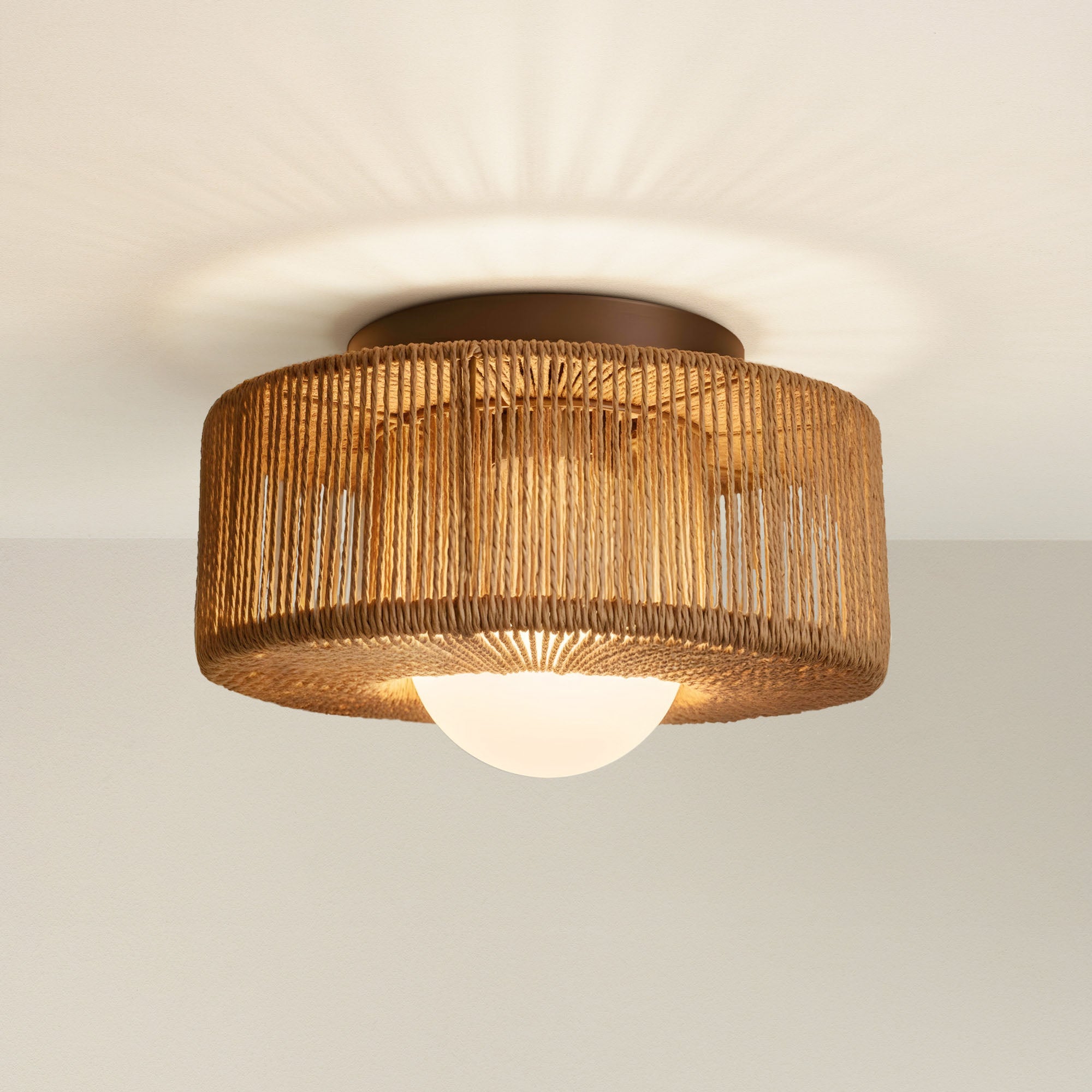
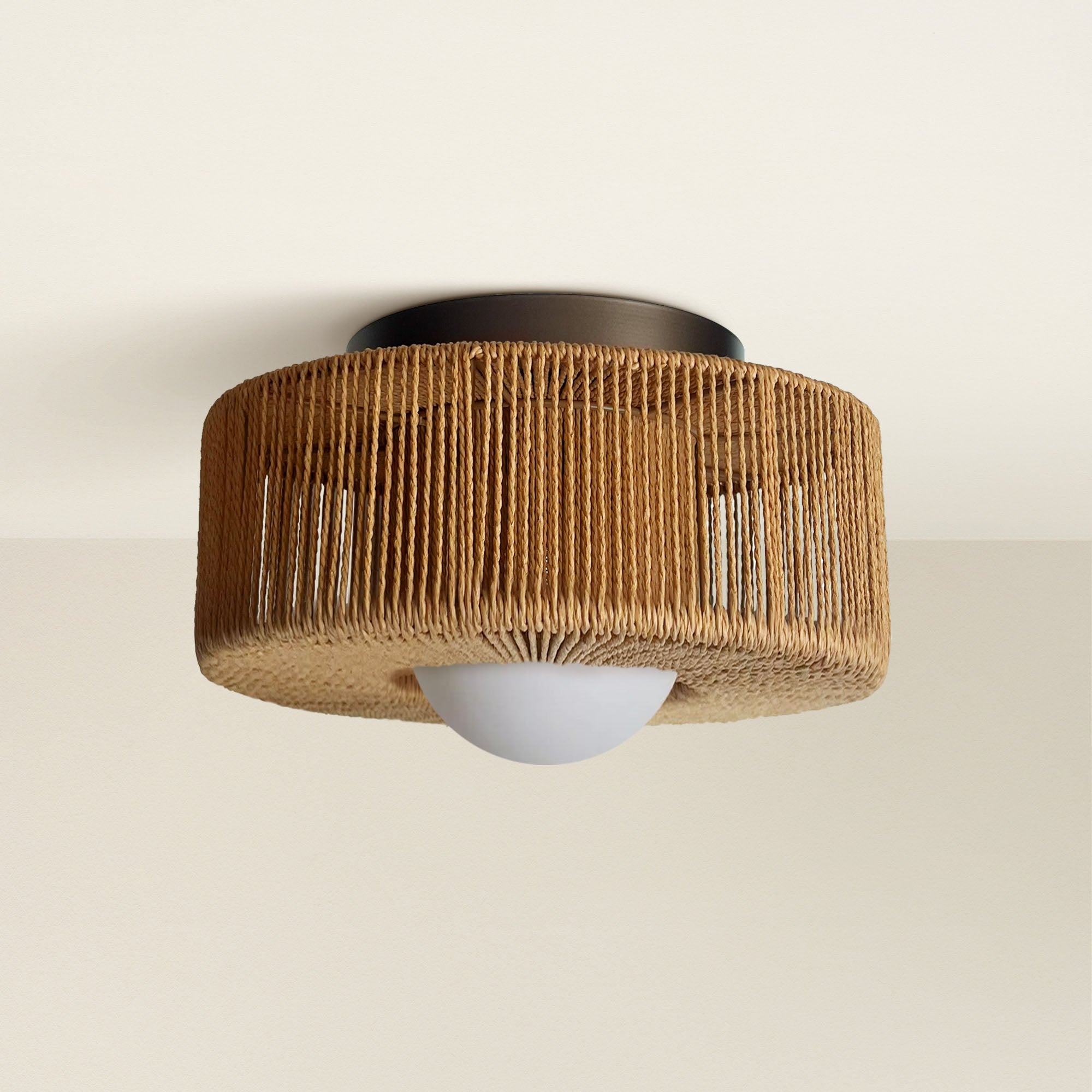
Free delivery between Dec 22 - 23 on orders $200+
45-Day Return
A well-thought-out general layout combines ambient, accent, and task lighting. To visualize this, refer to the diagram below, which demonstrates how recessed lights can be arranged for a balanced and practical living room lighting design.

Layout is often used when installing recessed lights. Depending on the light level as well as the area of the ceiling, you can calculate the appropriate number of lights. Source: Rowabi
For example, if you want the kitchen lighting layout to emphasize functionality and balance, you can feature task lighting for focused work areas, pendant lights for ambiance over the island, and general lighting for overall illumination.
The spacing between lights follows a practical rule: divide the ceiling height by two to determine optimal spacing. For instance, with an 8-foot ceiling, lights are spaced approximately 4 feet apart to ensure even coverage.
Task lights are strategically placed above counters and the stove, while pendants highlight the island, providing both aesthetic appeal and practicality. This thoughtful arrangement creates a well-lit, efficient, and visually appealing kitchen environment.
Looking to upgrade? Check out our latest selection.
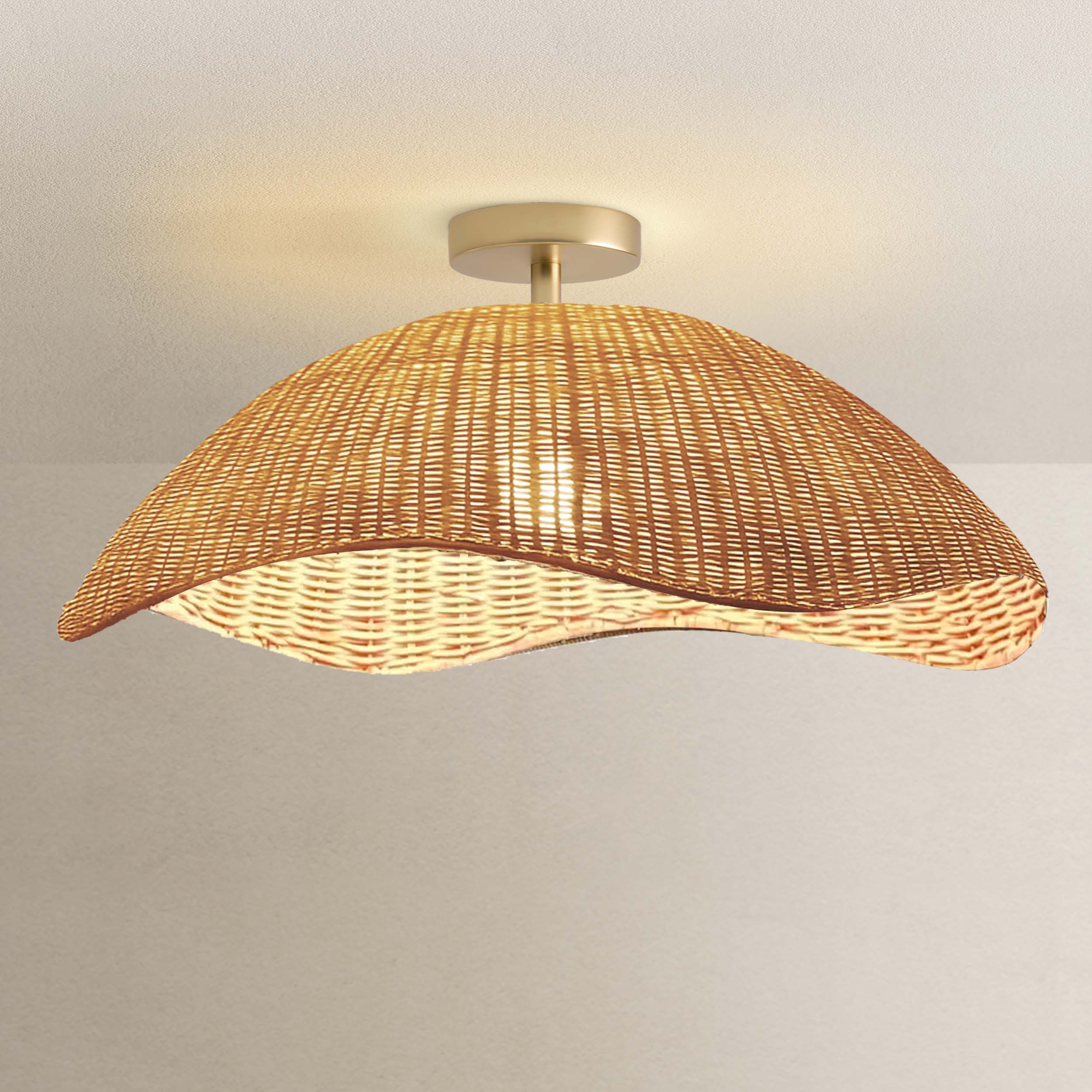
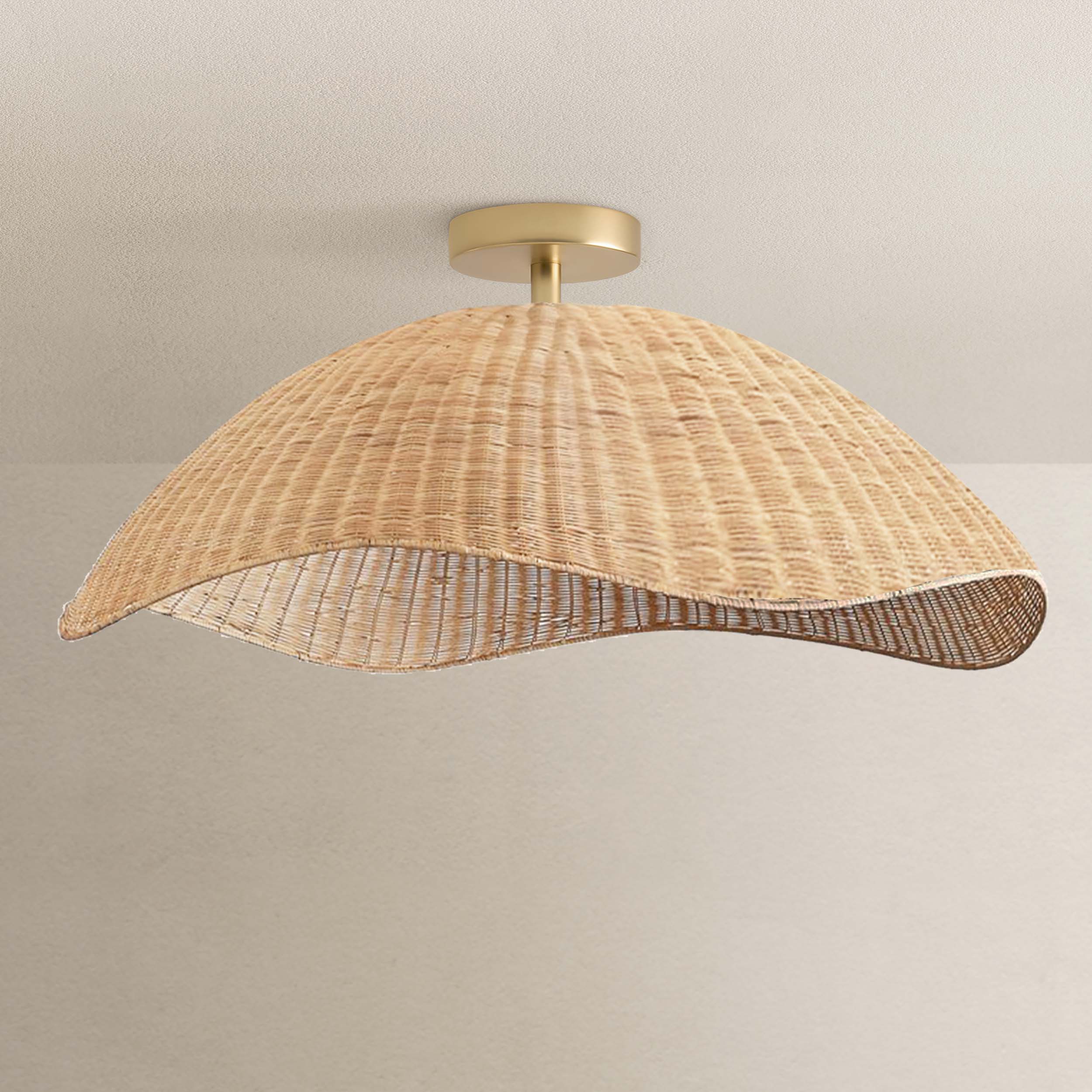
Free delivery between Dec 22 - 23 on orders $200+
45-Day Return
Nobody wants to distract from reflections during movie night. Avoid placing recessed lights directly above or in front of the TV screen. Instead, position lights behind or to the side to reduce glare while maintaining a cozy ambiance.
Where to place recessed lights in a living room?
How many recessed lights should I put in my living room?
What is the formula for recessed lighting placement?
Wondering how to get the look? Shop the guide.
How do you position downlights in a living room?
Where not to use recessed lighting?
Where to put LED lights in a living room?
How many recessed lights for a 12x12 room?
Should you put recessed lights above a TV?
Do recessed lights make a room look bigger?
Recessed lighting is a game-changer for any living room, offering a blend of functionality and style. By following these tips and strategies, you can design a recessed lighting layout for living room that enhances your space’s ambiance and usability. For high-quality fixtures and expert advice, turn to Rowabi. Let’s light up your living room and make every corner shine!
Reffer:
Outdoor Lighting Guide for Beginners: Types, Where to Place
Outdoor lighting is essential for transforming your yard into a safe, functional, and inviting extension of your home after dark. The best strategy involves systematically addressing key areas, sta...
Read more
How To Update Fluorescent Lighting in Kitchen
Outdated fluorescent lights, known for their harsh flicker and buzzing hum, can instantly date a kitchen. Fortunately, upgrading your kitchen lighting to modern, energy-efficient LED technology is ...
Read more
Leave a comment
This site is protected by hCaptcha and the hCaptcha Privacy Policy and Terms of Service apply.