What Are Lumens and How Many Lumens Do I Need?
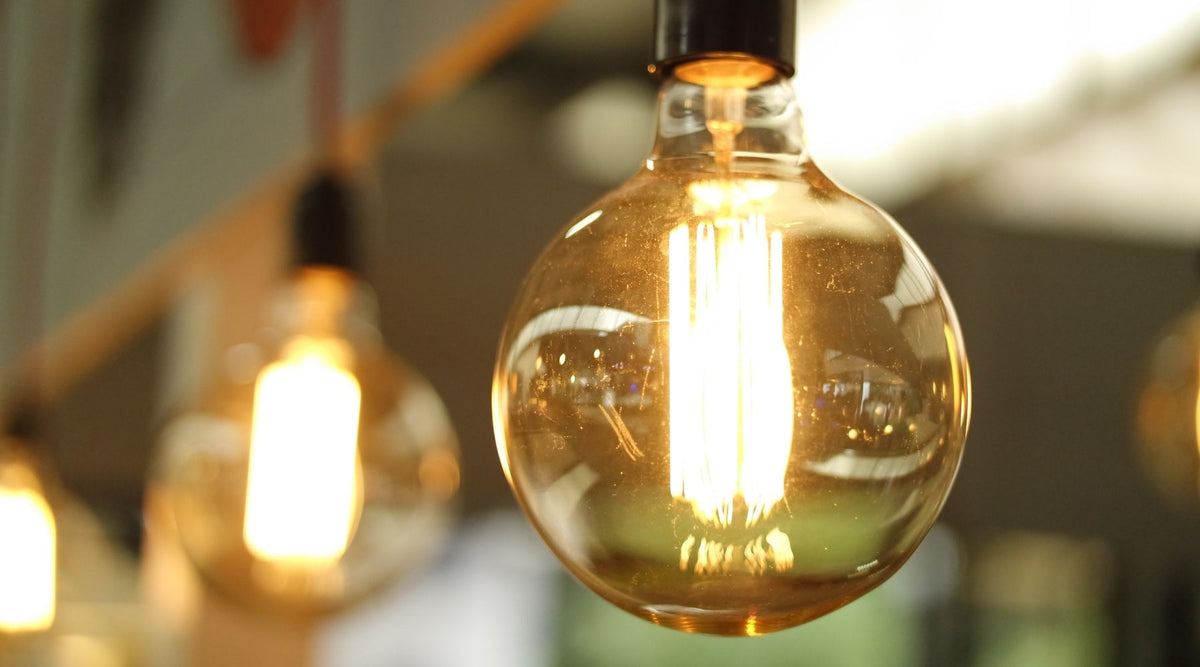
Understanding lumens enables homeowners to choose lighting that precisely suits the room's activity: using higher lumens for task areas like kitchens and lower lumens for relaxing spaces like bedrooms.
Key takeaways
1. What Lumens Are:
- Measure Brightness: Lumens quantify the total amount of visible light emitted by a light source.
- Lumens vs. Watts: Lumens measure the light you actually get; Watts measure the energy consumed. LEDs use fewer watts to achieve the same brightness (lumens) as older incandescent bulbs.
2. How Many Lumens You Need (General Guidelines):
- Calculation: To find the required lumens, multiply the room's square footage (length x width) by the recommended lumens per square foot (foot-candles) for that activity.
- Room-Specific Recommendations (Lumens/sq. ft.):
- Living Room Bedroom (Relaxing): 10–20 lm/sq. ft. (e.g., a 100 sq. ft. room needs 1,000–2,000 lumens).
- Kitchen, Bathroom, Office (Task/Focus): 30–40 lm/sq. ft. (e.g., a 100 sq. ft. room needs 3,000–4,000 lumens for general lighting).
- Hallways Closets (Navigation): 10–20 lm/sq. ft. (often less, prioritizing navigation over bright light).
3. Tips for Choosing and Using Lumens:
- Task Lighting: For focused work (reading, cooking), aim for the higher end of the lumen range or add dedicated task lights (400–1,000 lm).
- Layering: Create a flexible lighting plan by combining ambient (general), task, and accent lighting.
- Control: Install dimmer switches to easily adjust the light level for different moods, saving energy, and reducing eye strain.
EXPLORE MORE:
- What Is a Good Wattage for a Pendant Light?
- How Many Watts to Light Each Room in Your Home?
- A Guide to Calculating the Amount of Light Needed in Your Space
- Light Bulb Buying Guide: How to Choose the Best Light Bulbs
What are lumens?
Let's start by clarifying exactly what lumens are and why they've become the most important factor in choosing your light bulbs.
The meaning of lumens?
Simply put, a lumen is the standard unit of measurement for the total amount of visible light emitted by a light source.
In simpler terms, lumens indicate how bright a light bulb will be. The higher the lumen count, the brighter the light you can expect from your bulb. This is a direct measure of light output, which is crucial for determining how well a bulb will illuminate your space.

Source: Rowabi
Why are lumens important?
Lumens are important because they give you an accurate and universal way to compare the actual brightness of different light bulbs, regardless of their technology. In the past, we relied on watts to indicate brightness, but with the rise of energy-efficient LEDs, wattage now primarily tells you about energy consumption, not light output.
Focusing on lumens ensures you get the exact amount of light you need for your space, making your home both brighter and more energy-efficient.
Upgrade your lighting instantly. Click here to shop.
How do lumens work?
Think of lumens as the "volume" of light.
A light bulb with a higher lumen rating will produce a greater quantity of visible light, making an area appear brighter. The light from the bulb radiates in all directions, and the lumen measurement captures all of this emitted light, providing a comprehensive figure for its total brightness output. This allows you to plan your lighting design effectively for any room.
What are the differences?
When discussing light, you might encounter other terms besides lumens. Let's clarify some common comparisons.
Lumens and candelas
While lumens measure the total light output in all directions, candelas measure luminous intensity in a specific direction. Candelas are more relevant for directional lighting, like spotlights, where you need to know the brightness of a concentrated beam.
Add this timeless piece to your cart.


Lumens, on the other hand, are your go-to for general ambient lighting, giving you the overall brightness of a bulb.
Lumens vs. watts
This is perhaps the most critical distinction in modern lighting. Watts measure the amount of electrical power a bulb consumes, indicating its energy efficiency. Lumens measure the actual light produced.
For example, a traditional 60-watt incandescent bulb produces around 800 lumens, while an LED bulb can produce the same 800 lumens using only about 9 watts. This highlights why lumens are the true measure of brightness, independent of energy use.

Source: Rowabi
How to convert lumens to watts?
Converting lumens to watts isn't a direct mathematical conversion because they measure different things. Instead, it's about finding the "equivalent" wattage of an older incandescent bulb for a given lumen output. This helps you choose an energy-efficient LED that provides the same level of brightness you're used to.
You'll typically find an "equivalent wattage" listed on LED bulb packaging, making the transition easy.
How to calculate lumens?
Calculating the exact lumens a bulb produces requires specialized equipment, but for practical purposes, manufacturers provide the lumen rating directly on the packaging. When planning your lighting, you'll calculate the total lumens needed for a room based on its size and function, then select bulbs whose individual lumen ratings add up to that total.
This ensures you have adequate illumination for your space.

Source: Rowabi
Lumens to watts conversion chart
Here's a handy chart to help you understand the relationship between lumens and the energy consumption of different bulb types. This will make it easier to choose energy-efficient alternatives.
| Lumens | Incandescent Watts | Halogen Watts | LED Watts |
| 100 | 7 | 6 | 2 |
| 375 | 25 | 20 | 4 |
| 450 | 30 | 25 | 5 |
| 800 | 60 | 45 | 9 |
| 1100 | 75 | 60 | 12 |
| 1600 | 100 | 90 | 17 |
| 2600 | 150 | 145 | 27 |
| 3000 | 200 | 175 | 32 |
How many lumens do I need?
Determining the right amount of lumens for your space depends on the room's size, its function, and the overall ambiance you wish to create. This table provides a general guideline to help you plan your lighting effectively.
| Area | General Lighting (Lumens) | Task Lighting (Lumens) | Lumens/Sq M (General) |
| Living Room/Bedroom | 1000-2000 | 400-600 (accent) | 100-200 |
| Kitchen | 3000-4000 | 500-800 | 300-400 |
| Bathroom | 400-800 | 600-800 | 40-80 |
| Office | 3000-4000 | 500-700 | 300-400 |
| Outdoor | 1200-2000 | 200-400 (accent) | Varies |
Remember that these are just guidelines; personal preference and specific design elements will also influence your final lumen requirements.
How to use lumens in lighting design?
Using lumens effectively in your lighting design is all about layering light to create depth, functionality, and ambiance.
Start with general or ambient lighting to illuminate the entire room. Then, add task lighting in specific areas where activities like reading, cooking, or working occur, ensuring you have enough lumens for clear visibility. Finally, incorporate accent lighting to highlight architectural features, artwork, or decorative elements, adding visual interest and depth.

Source: Rowabi
By combining these layers and adjusting lumen levels with dimmers, you can create a versatile and inviting atmosphere that adapts to any occasion.
Are lumens and watts the same thing? Does higher lumens mean brighter light? How many lumens do I need for outdoor lights? How many lumens is bright? What are lumens in LED lights? Why are LED lights measured in lumens? How bright is 1000 lumens? How do lumens affect energy consumption? How long do LED lights last? Can I dim LED lights with high lumens? Can I use lumens to compare the brightness of LED and traditional incandescent bulbs?FAQs
Conclusion
Understanding what a lumen is and how to use this measurement is truly empowering when it comes to lighting your home. By shifting your focus from watts to lumens, you can select light bulbs that not only provide the perfect level of brightness and ambiance for every room but also maximize energy efficiency.
For high-quality, energy-efficient lighting solutions, remember to explore the diverse range at Rowabi, where brilliant design meets practical illumination for every home.