

Gifting has never been easier
Perfect if you're short on time or are unable to deliver your gift yourself. Enter your message and select when to send it.
Article: Light Bulb Buying Guide: How to Choose the Best Light Bulbs
How do you choose the right light bulb for your needs? According to Rowabi's expert, Noah Miller, selecting the perfect light bulb requires shifting focus from Watts (energy) to Lumens (brightness), which directly dictates light output.
You must also select the correct base type (like E26) and match the color temperature (Kelvin) to the room’s function: choosing 2700K for a cozy mood or 3000K+ for task-oriented areas. By prioritizing energy-efficient LEDs, checking the fixture's maximum wattage, and considering the bulb's specific shape and features, you ensure a safe, functional, and aesthetically pleasing result.
1. Brightness (Lumens):
2. Color Temperature (Kelvin - K):
3. Fit and Type:
4. Special Features:
When choosing the right light bulb, understanding the concepts of wattage and lumens is crucial for making informed decisions. These two metrics, while related, serve different purposes in evaluating the performance of light bulbs.
Wattage measures the amount of energy a light bulb consumes. Traditionally, higher wattage was associated with brighter light output. However, with advancements in lighting technology, such as CFLs and LEDs, the focus has shifted from wattage to efficiency.
Modern bulbs produce the same or even greater brightness using significantly less energy. For example, a standard 60-watt incandescent bulb typically emits around 800 lumens, while a CFL or LED bulb providing the same brightness may use only 13-15 watts or 8-12 watts, respectively.
| BULB TYPES/ LUMENS |
STANDARD |
HALOGEN | CFL | LED |
| 450 | 40W | 29W | 9W | 8W |
| 800 | 60W | 43W | 14W | 13W |
| 1100 | 75W | 53W | 19W | 17W |
| 1600 | 100W | 73W | 23W | 20W |
| RATED LIFE | 1 year | 1-3 years | 6-10 years | 15-25 years |
| SAVING | No | up to 30% | up to 75% | up to 80% |
Please refer to this chart to find the lowest to highest wattages for each light bulb type.
For pendant lights, optimal wattage depends on the size of the fixture and the desired brightness. Generally, 40-60 watts is suitable for smaller pendant lights, while larger fixtures might require 75-100 watts.
Choosing right bulbs with lower wattage can help reduce your energy consumption and lower your electricity bills.
Keep reading: How Many Watts to Light Each Room in Your Home?
Lumens measure the actual brightness emitted by a light bulb. Unlike wattage, which indicates energy use, lumens directly quantify how much light a bulb produces. For instance, a traditional 100-watt incandescent bulb generates approximately 1,600 lumens.
Browse our curated selection

Free delivery between Dec 22 - 23 on orders $200+
45-Day Return
Free delivery between Dec 22 - 23 on orders $200+
45-Day Return
Free delivery between Dec 22 - 23 on orders $200+
45-Day Return

Free delivery between Dec 22 - 23 on orders $200+
45-Day Return
Free delivery between Dec 22 - 23 on orders $200+
45-Day Return
Free delivery between Dec 22 - 23 on orders $200+
45-Day Return
When comparing different types of bulbs, focusing on lumens rather than wattage will help you select the appropriate level of brightness for your needs.
When it comes to selecting the perfect light bulb, the sheer number of options can be overwhelming. With various types, technologies, and specifications to consider, finding the right bulb for your needs can be a challenge. So, take this tour to get the right one!
Choosing the right light bulb for your space involves more than just picking a shape and size. Here are 6 common types of bulbs in the market these days:
Incandescent bulbs, or Edison bulbs, are the traditional choice with a filament that heats to produce light. They provide a warm, familiar glow but are highly inefficient, converting only 10% of energy into light and the rest into heat.
With their lower energy efficiency, they are being phased out in favor of more modern alternatives. These bulbs are mainly used for decorative purposes rather than energy savings.

Source: Freepik via https://www.freepik.com/author/freepik
LED bulbs are the most energy-efficient choice, using up to 90% less energy than incandescent bulbs. They have a long lifespan of up to 25,000 hours or more, making them a cost-effective solution despite a higher initial cost.
LEDs are available in various styles and color temperatures, providing flexibility for different lighting needs. They offer improved energy efficiency and lower operational costs over time.

Source: @atlascompany via Freepik: https://www.freepik.com/author/atlascompany
Integrated LED fixtures have LEDs built directly into the light fixture, eliminating the need for bulb replacements. They are highly efficient and can last up to 50,000 hours. Integrated LEDs manage heat better, which can extend their lifespan and provide consistent illumination.
Though initially more expensive, they save money over time and offer a sleek, modern look suitable for various applications.
Ready to checkout? Add this timeless piece to your cart.
Free delivery between Dec 22 - 23 on orders $200+
45-Day Return
CFLs are characterized by their spiral tube design. They are more energy-efficient than incandescent bulbs, using about 70% less energy and lasting 7-9 years.
However, CFLs require a warm-up period to reach full brightness and contain small amounts of mercury, which requires proper disposal. They are a good intermediate option between incandescent and LED bulbs.
Halogen bulbs use halogen gas to enhance the efficiency of the filament. They provide bright, white light and are more energy-efficient than incandescent bulbs but less so compared to CFLs and LEDs.
Halogen bulbs typically last between 2,000-4,000 hours and emit more heat. They offer excellent color rendering and consistency but are less economical in the long run compared to modern alternatives.
Smart LED bulbs combine LED technology with smart home capabilities, allowing control through smartphone apps or voice commands. They offer energy efficiency, lasting 15-25 years, and can help reduce electricity usage through automation and remote control.
While they have a higher upfront cost, their long-term savings and convenience, such as integration with other smart home devices, make them a valuable investment.
Color temperature, measured in Kelvin (K), is essential for creating the right ambiance and functionality in different spaces. It determines how "warm" or "cool" the light appears, which can influence mood and the effectiveness of lighting for specific tasks.

Different color temperatures of light bulbs are suitable for various purposes and locations. Source: @rashchektaev via Freepik: https://www.freepik.com/author/rashchektaev
Here’s a guide to the different color temperatures you might encounter:
Soft White or Warm White bulbs produce a warm, cozy light with a yellowish hue, similar to traditional incandescent bulbs.
This color temperature is ideal for creating a relaxing and inviting atmosphere in spaces such as living rooms, bedrooms, and dining areas. For a softer, warmer ambient glow, this is the preferred choice.
Cool White or Bright White bulbs emit a neutral, clear light with a hint of blue. This color temperature is suitable for areas that require good visibility and focus, such as kitchens, bathrooms, and home offices.
Cool White provides a vibrant, crisp light that enhances task performance without being overly harsh. It is perfect for spaces where clarity and brightness are essential for daily activities.

Source: Rowabi's customer.
Daylight bulbs offer a bright, bluish light that closely resembles natural daylight. This color temperature is excellent for spaces that need high visibility and color accuracy, such as workspaces, art studios, and reading areas.
Daylight bulbs help improve concentration and productivity by simulating the effect of natural sunlight.
Selecting the right light bulb involves understanding the different sizes and shapes available. Each shape serves a specific purpose and complements various fixtures and lighting needs.
Here’s a detailed table guide to common light bulb sizes and shapes:
| Bulb Type | Shape | Size | Applications | Description |
| GLS (General Lamp Shape) | A-shape / Pear-shape | Diameter: 60mm Height: 100-110mm | General lighting in lamps, ceiling fixtures | Traditional bulb shape, widely used in various household fixtures |
| Globe | Spherical | Diameter: 95-125mm | Decorative fixtures, pendants, vanity lights | Large, round bulbs perfect for making a decorative statement |
| Mini Globe | Small Spherical | Diameter: 45-55mm Height: 70-80mm | Chandeliers, small fixtures | Smaller version of globe bulbs, ideal for compact spaces |
| Candle | Flame-like / Tapered | Diameter: 35-40mm Height: 90-100mm | Chandeliers, wall sconces, candelabras | Decorative, tapered bulbs designed to mimic candle flames |
| ST64 | Elongated Tear-drop | Diameter: 64mm Height: 140-150mm | Industrial, vintage-style fixtures | Retro-style bulb with exposed filament, often used for aesthetic appeal |
| Reflector (R Series) | Dome-shaped with flat top | Diameter: R63: 63mm, R80: 80mm | Spotlights, accent lighting | Designed to focus light forward, ideal for targeted lighting |
| Capsule (G4/G9) | Small Cylindrical | Diameter: 10-20mm Height: 30-45mm | Under-cabinet lights, small pendants | Compact bulbs for specialized fixtures requiring small light sources |
When choosing a light bulb, brightness is one of the key factors to consider. Unlike in the past, when wattage was the main indicator of brightness, today, lumens are used to measure the actual light output of a bulb:

When a bulb has a high lumen rating, it produces a more intense and widespread light. Source: Rowabi.
Dimmer bulbs are specialized light bulbs designed to work with dimmer switches, allowing you to adjust the brightness of the light they emit. Unlike standard bulbs that operate at a fixed brightness level, dimmer bulbs provide the flexibility to control light intensity according to your needs and preferences.
There are 3 main benefits of dimmer bulbs that you should take into consideration:
When shopping for light bulbs, it's important to consider energy efficiency, and one of the most reliable indicators is the Energy Star label.
Energy Star-certified bulbs are designed to meet rigorous energy efficiency standards set by the U.S. Environmental Protection Agency (EPA) and the Department of Energy.
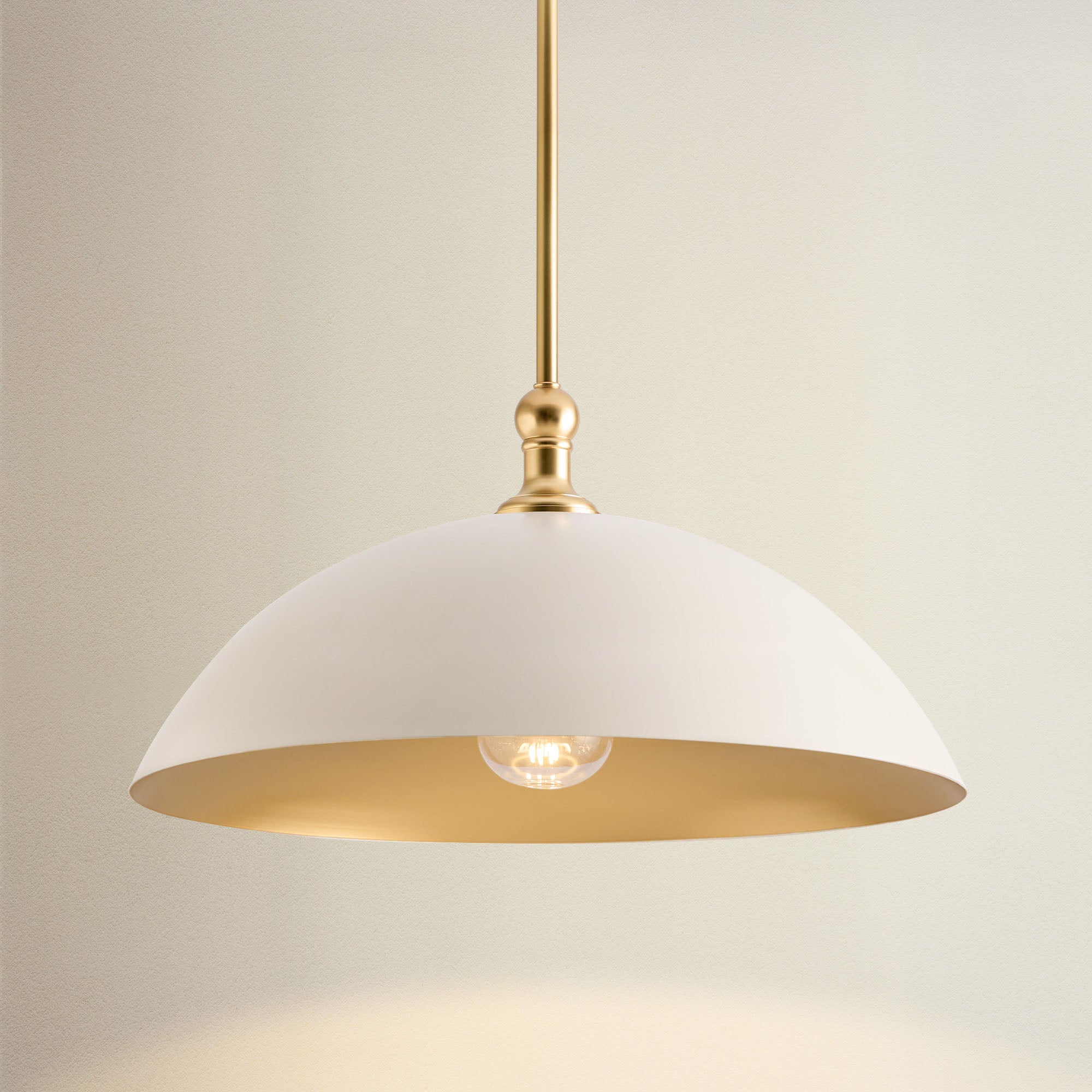
Ready to checkout? Add this timeless piece to your cart.

Free delivery between Dec 22 - 23 on orders $200+
45-Day Return
These certified bulbs use up to 90% less energy than traditional options and last at least 15 times longer, saving you about $55 in electricity costs over their lifetime. They also produce significantly less heat, making them safer and more efficient in keeping your home cool.
When selecting light bulbs, exploring options beyond the basics can significantly enhance your lighting experience. Here's a closer look at some of these advanced lighting options:
Dimmable bulbs give you control over light intensity, allowing you to create the perfect ambiance for any occasion. Whether you need bright lighting for tasks or a soft glow for relaxation, dimmable bulbs can adjust to your needs.
These bulbs are compatible with dimmer switches, but ensure both the bulbs and switch are rated for dimming to avoid issues like flickering or shortened bulb life. Look for bulbs specifically marked as dimmable to ensure they function as intended.
Color-changing bulbs offer the ability to shift between various colors to match your mood or occasion. With options ranging from warm whites to vibrant hues, these bulbs can be controlled via remote or smartphone apps, making them ideal for spaces where versatility is desired, such as living rooms or home theaters.

They are perfect for entertainment spaces, bedrooms, or any area where mood lighting is desired. Source: @rawpixel.com via Freepik: https://www.freepik.com/author/rawpixel-com
Many color-changing bulbs integrate with smart home systems, allowing you to adjust settings easily and create customized lighting scenes.
Smart bulbs represent advanced lighting solutions that integrate with modern technology. They can be controlled remotely using smartphone apps or voice assistants, providing convenience and flexibility.
Features often include programmable schedules, automation based on your location (geofencing), and compatibility with other smart home devices.
Though they may come at a higher initial cost, the added functionalities—such as energy monitoring and remote access—offer significant benefits in terms of convenience and energy efficiency.
Navigating light bulb labels and packaging is key to choosing the right bulb for your needs. Here’s a clear guide to understanding what you’ll find on the label and how to select the best option for your lighting requirements:
The Federal Trade Commission mandates that all light bulbs display a standardized Lighting Facts label. This label offers critical details to help you make informed decisions:
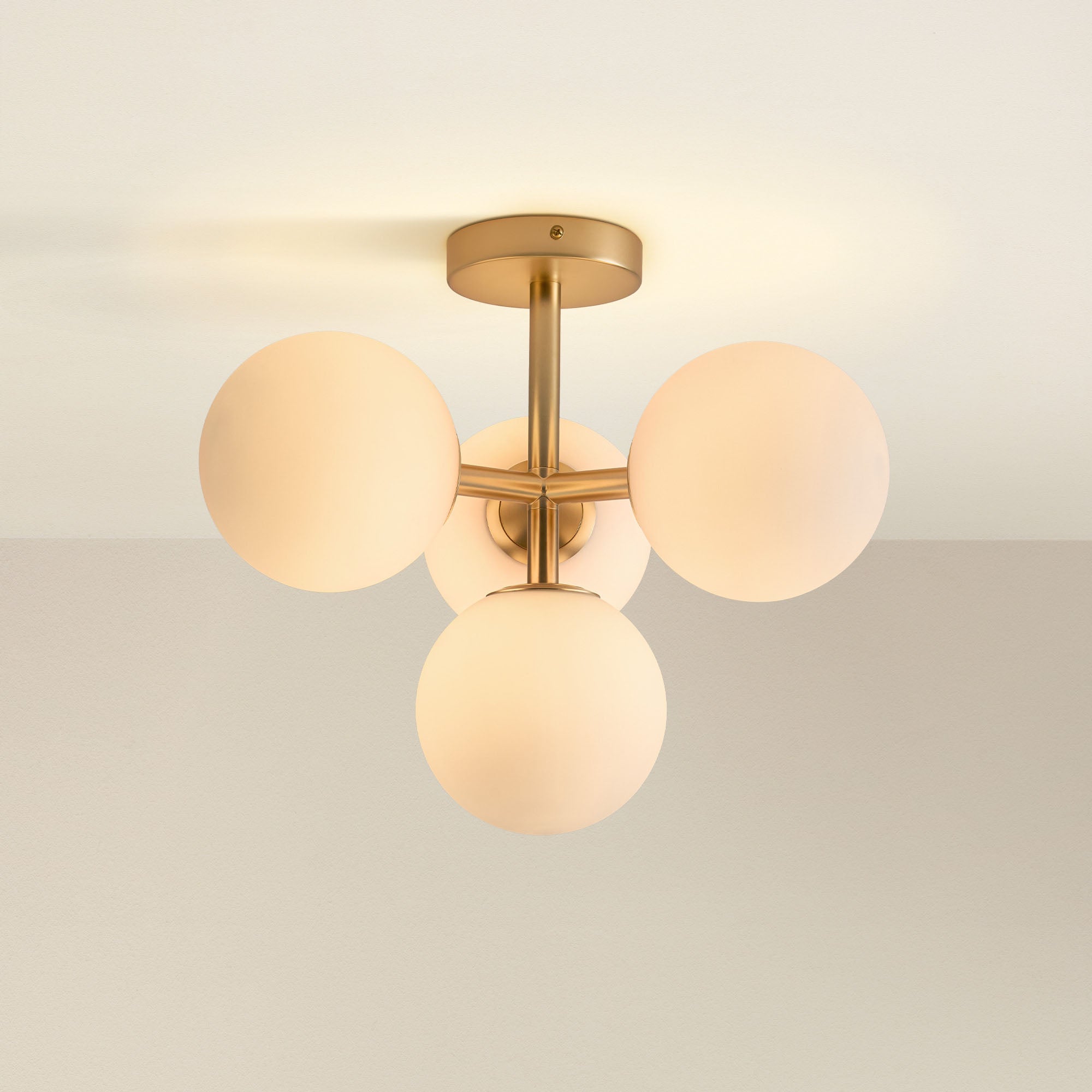
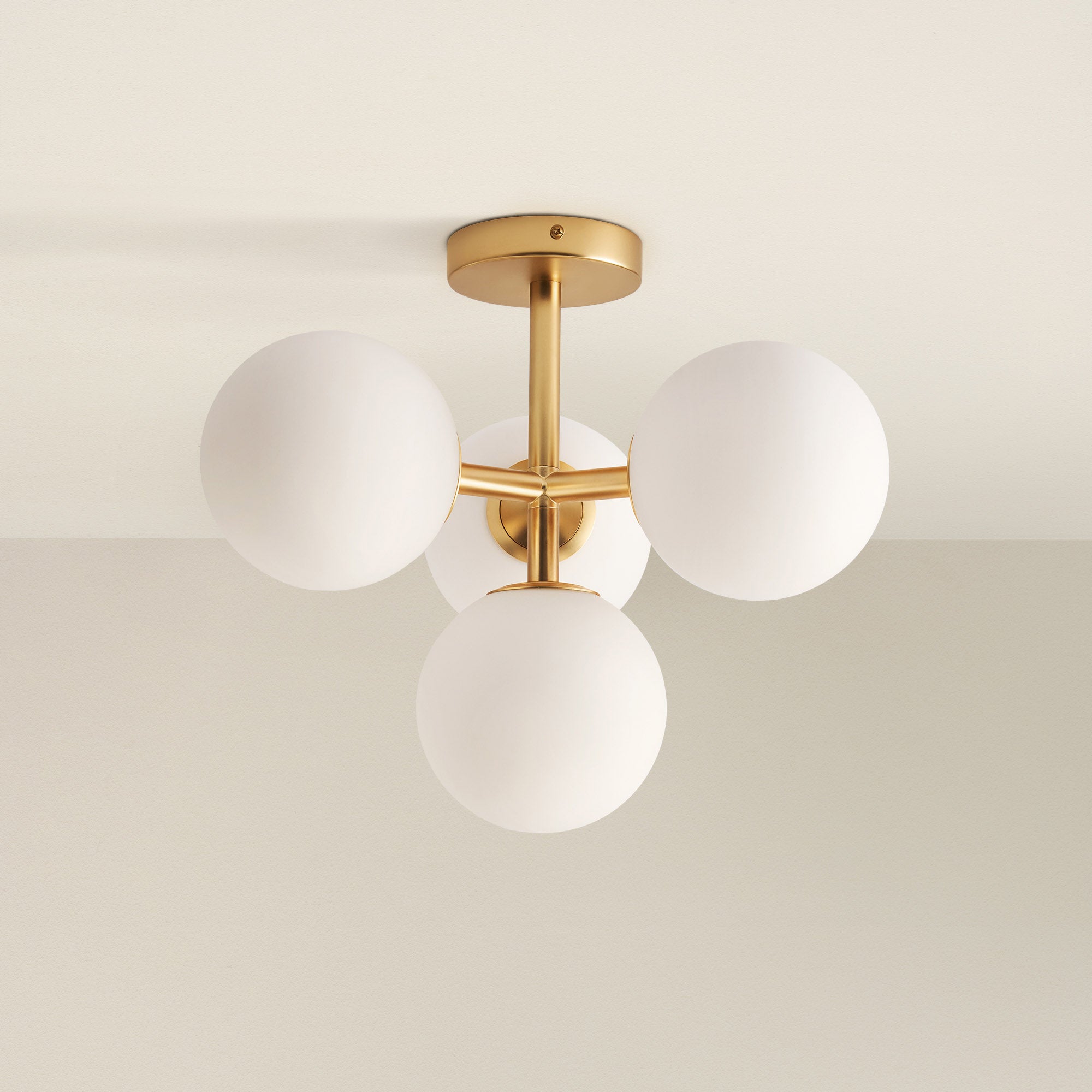
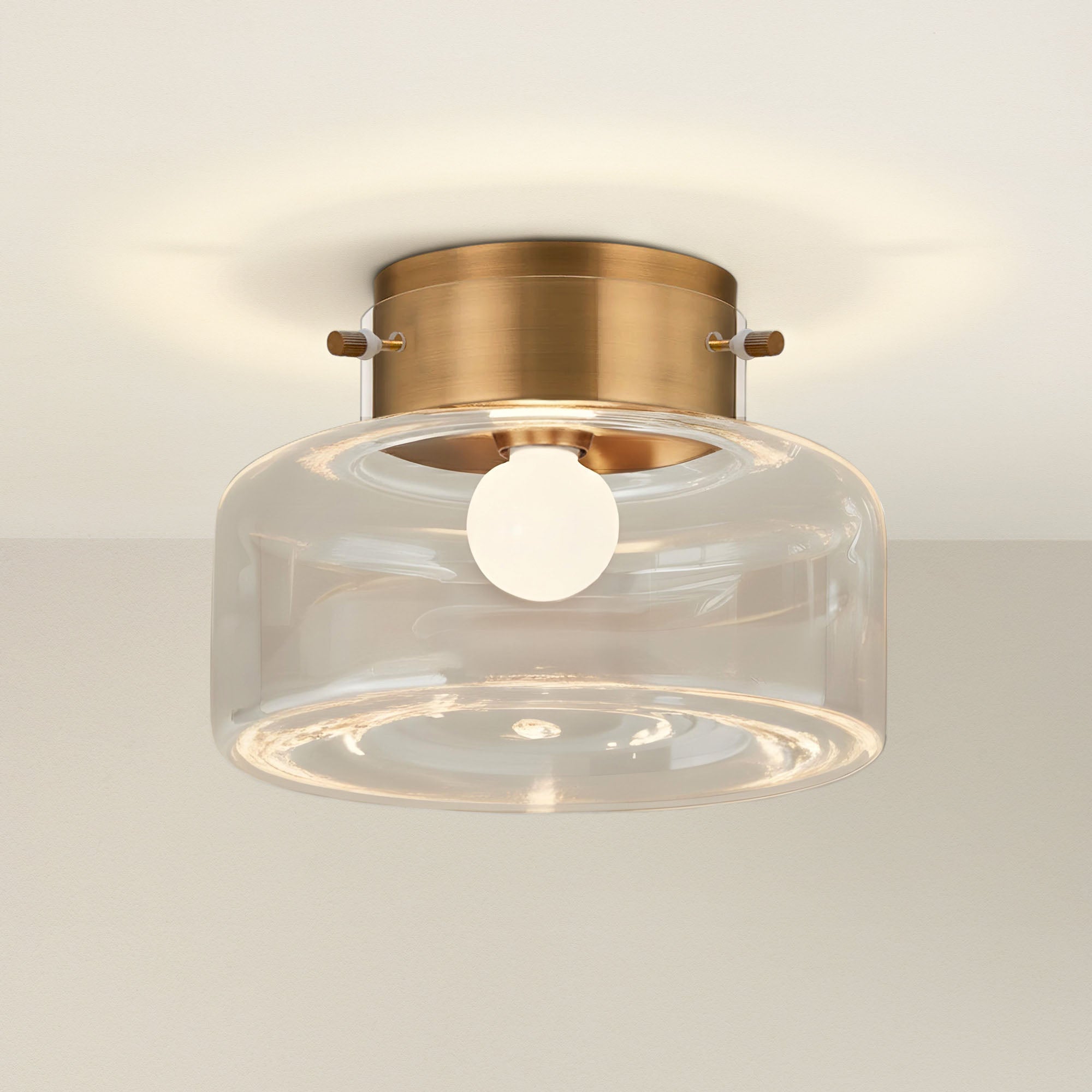
Upgrade your lighting instantly. Click here to shop.
Free delivery between Dec 22 - 23 on orders $200+
45-Day Return
Free delivery between Dec 22 - 23 on orders $200+
45-Day Return
Free delivery between Dec 22 - 23 on orders $200+
45-Day Return
Free delivery between Dec 22 - 23 on orders $200+
45-Day Return
Free delivery between Dec 22 - 23 on orders $200+
45-Day Return
Free delivery between Dec 22 - 23 on orders $200+
45-Day Return
Free delivery between Dec 22 - 23 on orders $200+
45-Day Return
Understanding base types and sizes is essential for ensuring that you select the right light bulb for your fixtures. Each bulb base type is designed to fit specific socket sizes and shapes, which can vary significantly. Here are some common ones:
Specialty bulbs are designed to meet specific needs and conditions that standard bulbs cannot address. Here’s a closer look at some common types of specialty bulbs and their uses.
Understanding the lifespan of light bulbs can help you make cost-effective choices and plan for future replacements. Here’s an overview of the typical lifespan for various types of bulbs, along with maintenance tips to maximize their efficiency and longevity:
Halogen Bulbs: Typically last between 2,000 and 4,000 hours. Halogen bulbs are known for their bright light and quick warm-up time but generally have a shorter lifespan compared to newer technologies.
Incandescent Bulbs: Average between 750 and 2,000 hours. These traditional bulbs are less energy-efficient and have a shorter lifespan, making them a less cost-effective option in the long run.
CFL (Compact Fluorescent Lamp) Bulbs: Usually last from 10,000 to 20,000 hours. CFLs are more energy-efficient than incandescent bulbs and have a longer lifespan, but they contain a small amount of mercury, requiring careful disposal.
LED (Light Emitting Diode) Bulbs: Last between 40,000 and 50,000 hours. LEDs are the most energy-efficient and durable, offering significant savings in energy costs and reducing the frequency of replacements.

Source: @rawpixel.com via Freepik: https://www.freepik.com/author/rawpixel-com
Check Compatibility: Ensure that bulbs are compatible with your fixtures and dimmer switches. Using the wrong type can cause flickering, reduced performance, or damage to the bulb.
Proper Installation: Ensure bulbs are installed correctly to avoid damage. For instance, avoid over-tightening bulbs in their sockets, as this can cause heat buildup and shorten lifespan.
Avoid Frequent Switching: Frequent on-off cycles can reduce the lifespan of bulbs, particularly CFLs. If you need frequent switching, LEDs are a better option due to their durability.
Regular Cleaning: Dust and dirt can reduce a bulb’s brightness and lifespan. Gently clean bulbs with a dry, soft cloth or duster to maintain their effectiveness.
How do I know which light bulb to buy?
How do I know what light bulb to fit?
Does it matter what light bulb I buy?
How many watts of light bulb should I buy?
What happens if you put a 100-watt bulb in a 60-watt socket?
Which is brighter, soft white or daylight?
How do I know what wattage bulb I need?
How do I choose a bright light bulb?
What does E27 mean on a light bulb?
How many lumens for a bedroom?
What light bulb is best for a room?
Is 60 watts a lot for a light bulb?
What is the best lumens for a bulb?
Which is brighter, 55W or 100W?
Can I use 28W instead of 25W?
Can I use a higher-wattage bulb than recommended?
Choosing the right light bulb can significantly impact both the functionality and ambiance of your space. Armed with knowledge of brightness, color temperature, and bulb types of Rowabi, you're ready to make impactful decisions that enhance every corner of your home.
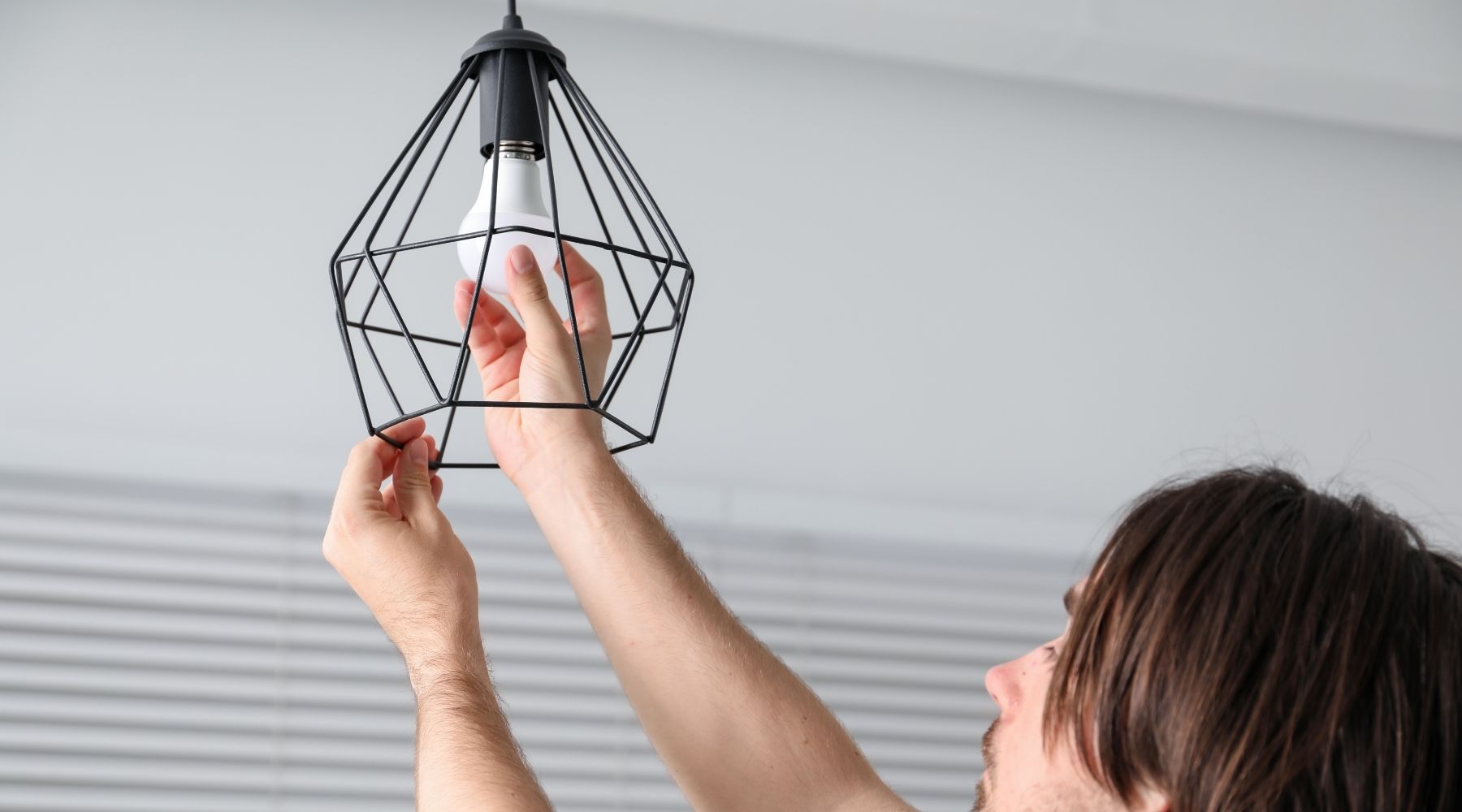
How-To: Replace Your Incandescent Light Bulbs with LEDs
Switching from outdated incandescent bulbs to modern LEDs is one of the quickest, most impactful ways to slash energy costs and reduce bulb replacement frequency. The transition is remarkably simpl...
Read more
Leave a comment
This site is protected by hCaptcha and the hCaptcha Privacy Policy and Terms of Service apply.