

Gifting has never been easier
Perfect if you're short on time or are unable to deliver your gift yourself. Enter your message and select when to send it.
According to Rowabi's expert, Noah Miller, the required wattage is calculated by multiplying the room’s square footage by a wattage factor, which varies significantly based on activity. While the general rule is 1.5 Watts per square foot for ambient light, areas requiring focus, like kitchens and offices, need higher factors (1.5–2.5W/sq ft).
Crucially, modern homeowners must shift focus from old Incandescent Watts to Lumens (brightness), as energy-efficient LEDs provide the same illumination using far fewer Watts, leading to significant energy savings.
1. General Calculation Method (Old Standard):
2. Watts Per Square Foot (W/sq ft) by Room Type:
3. Example Calculation (10 ft x 12 ft Room = 120 sq ft):
4. Key Tip: Focus on Lumens for LEDs:
The secret to a cozier home? It's all in the details. Discover them now.
Free delivery between Dec 22 - 23 on orders $200+
45-Day Return
Free delivery between Dec 22 - 23 on orders $200+
45-Day Return
Free delivery between Dec 22 - 23 on orders $200+
45-Day Return
Free delivery between Dec 22 - 23 on orders $200+
45-Day Return
Free delivery between Dec 22 - 23 on orders $200+
45-Day Return
Free delivery between Dec 22 - 23 on orders $200+
45-Day Return
Free delivery between Dec 22 - 23 on orders $200+
45-Day Return
Free delivery between Dec 22 - 23 on orders $200+
45-Day Return
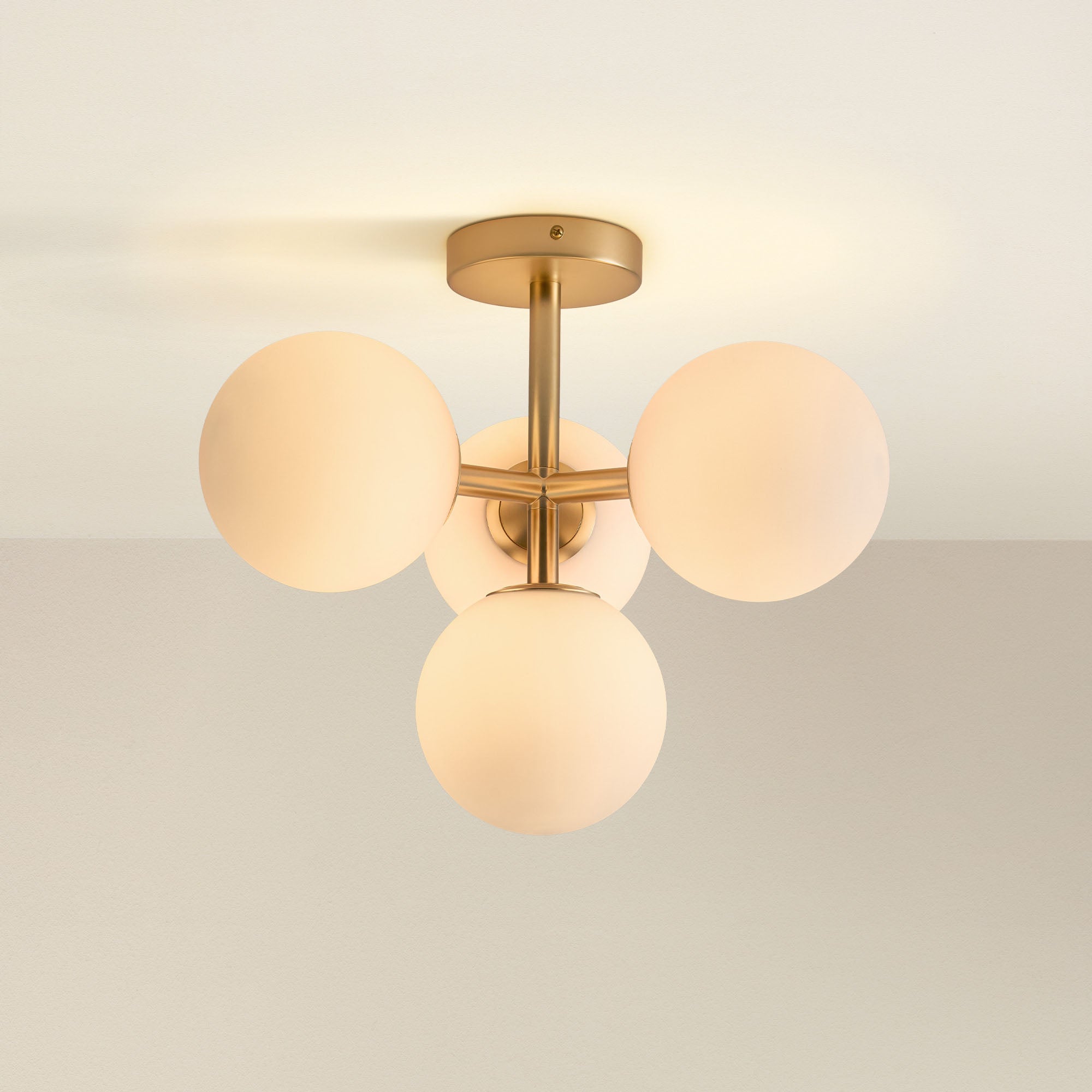
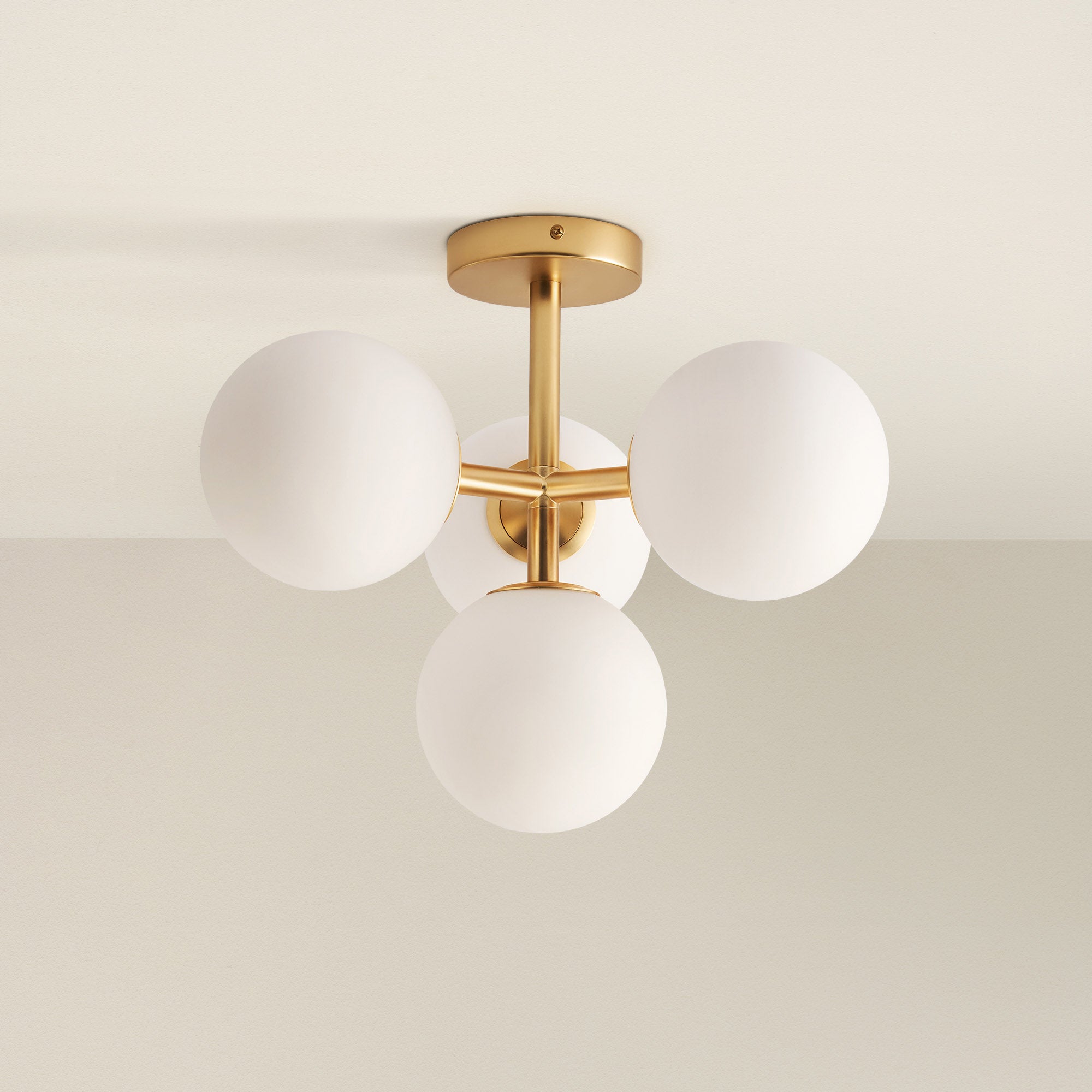
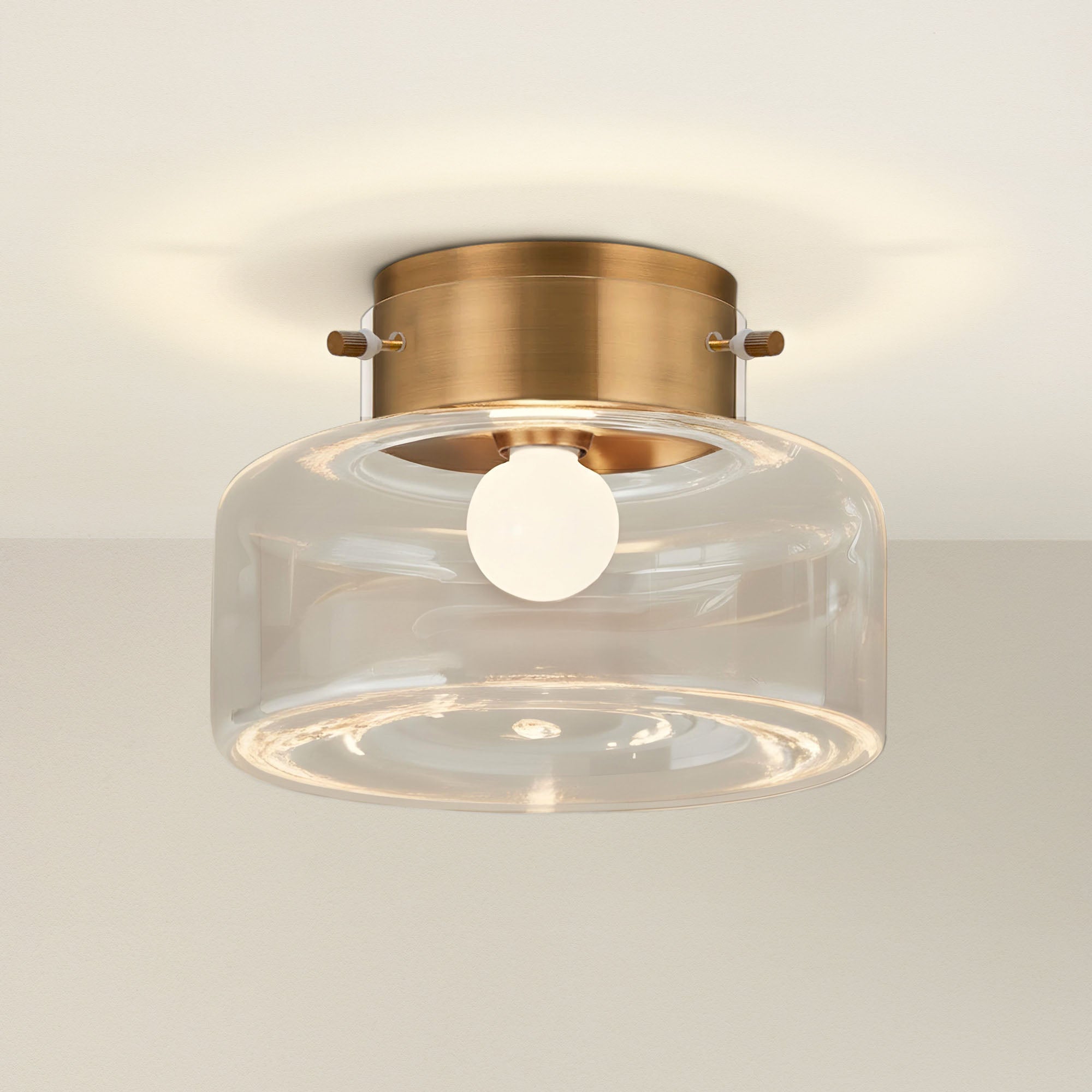
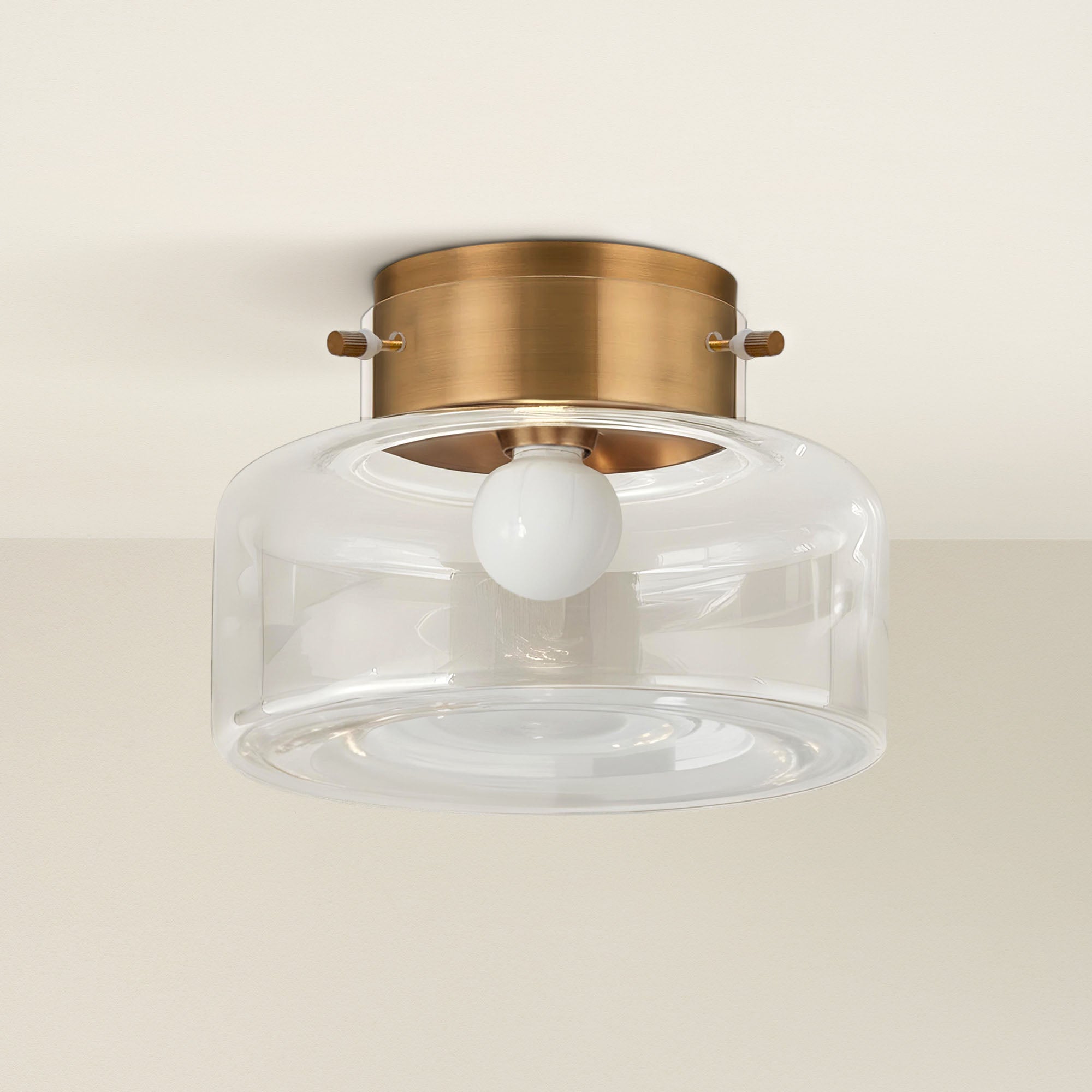
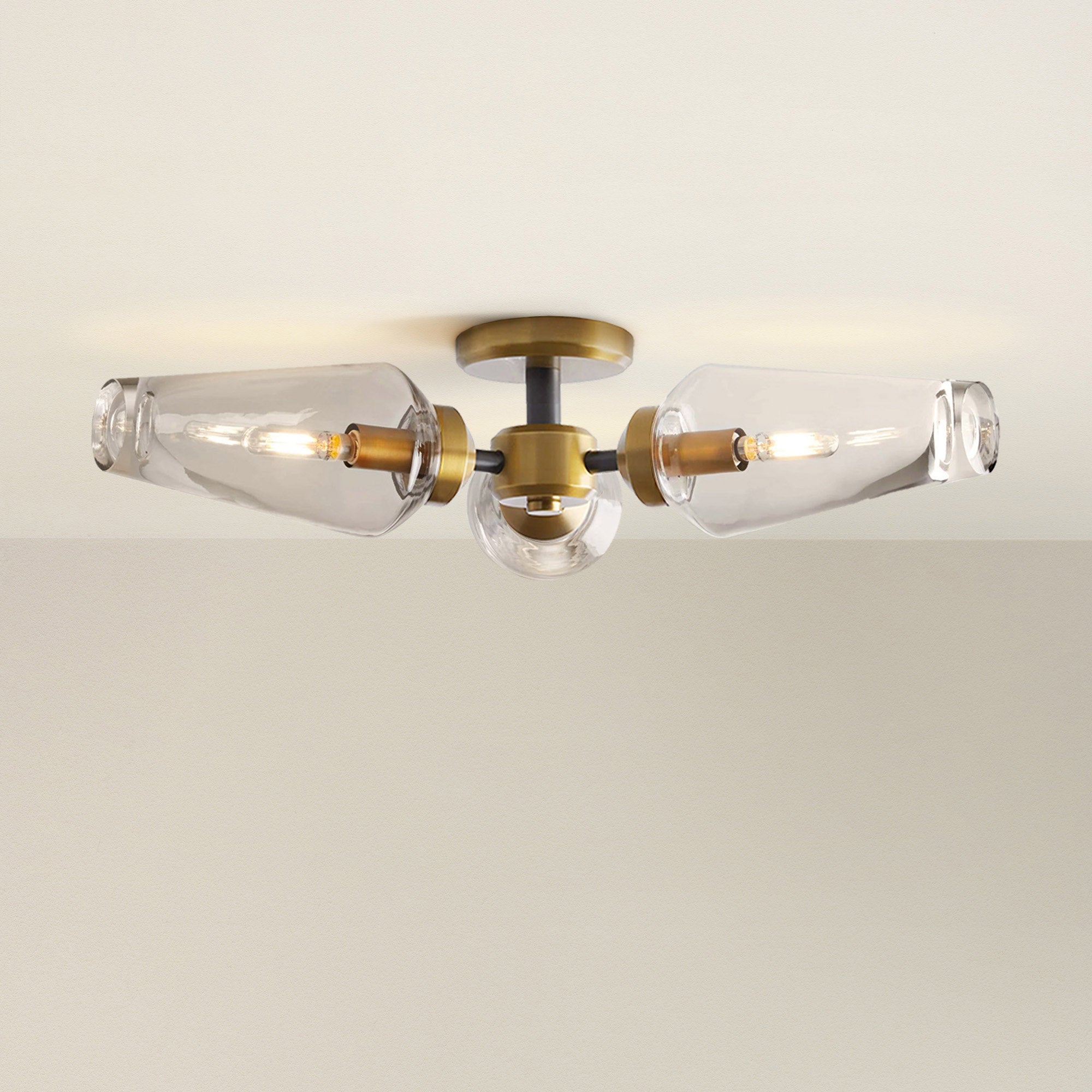
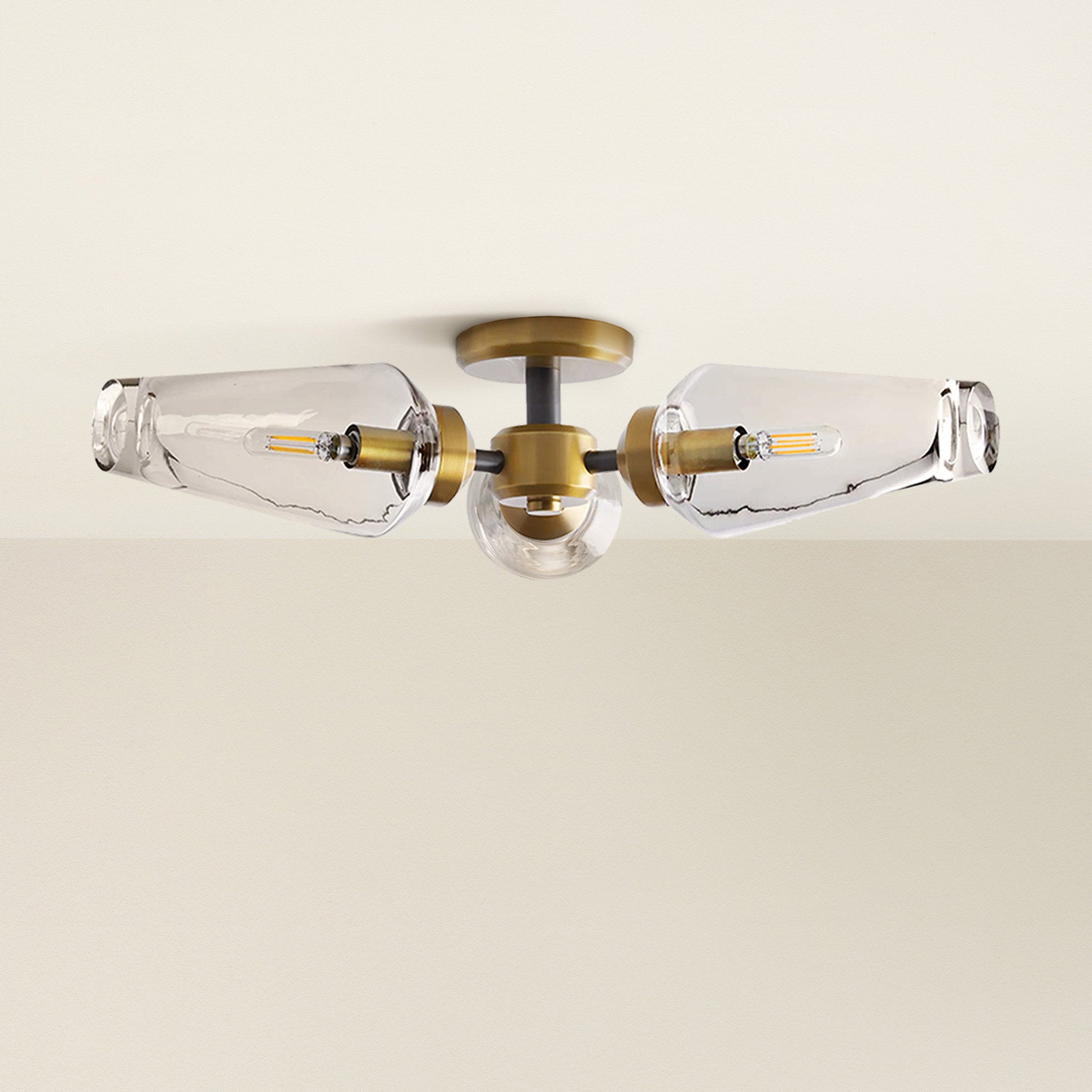
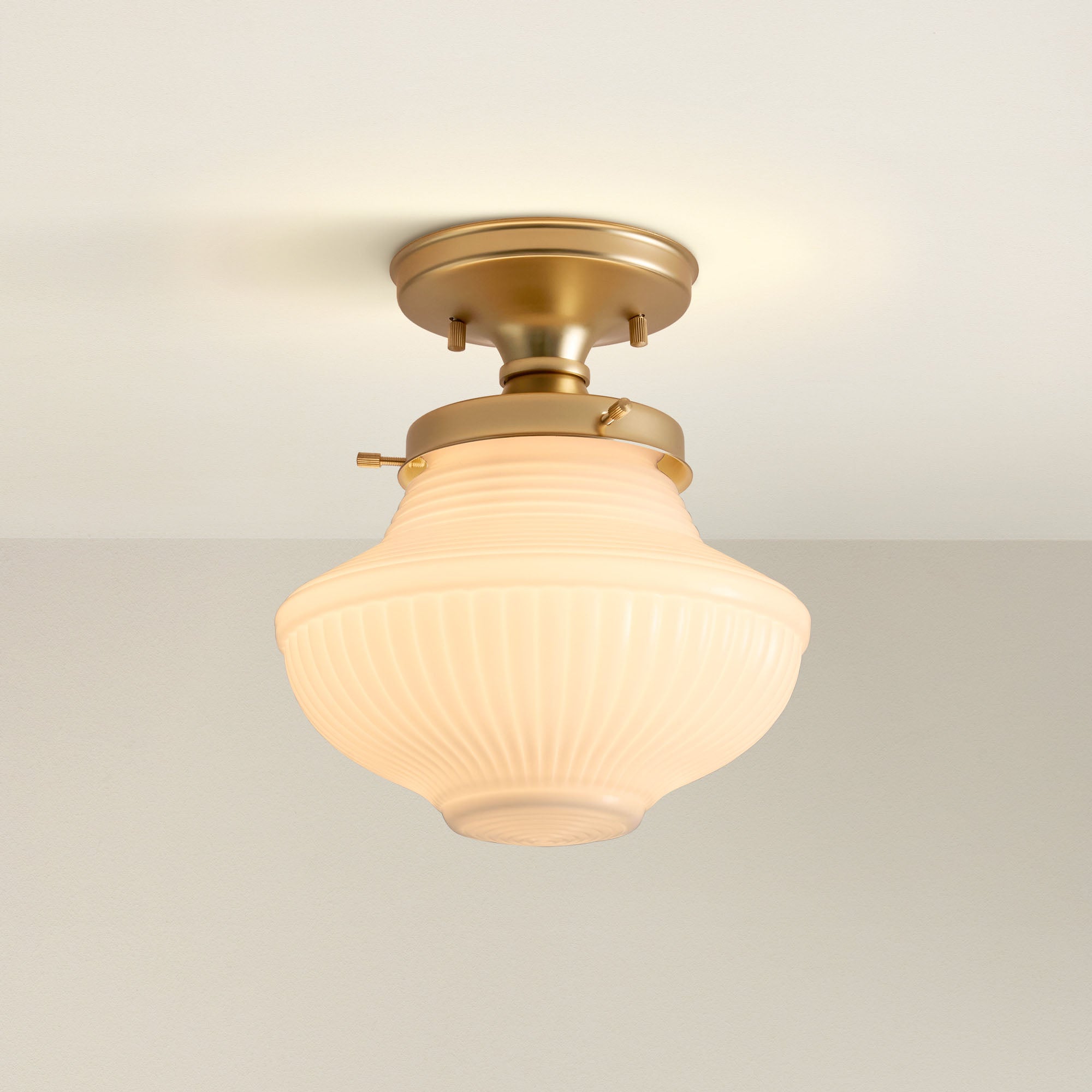
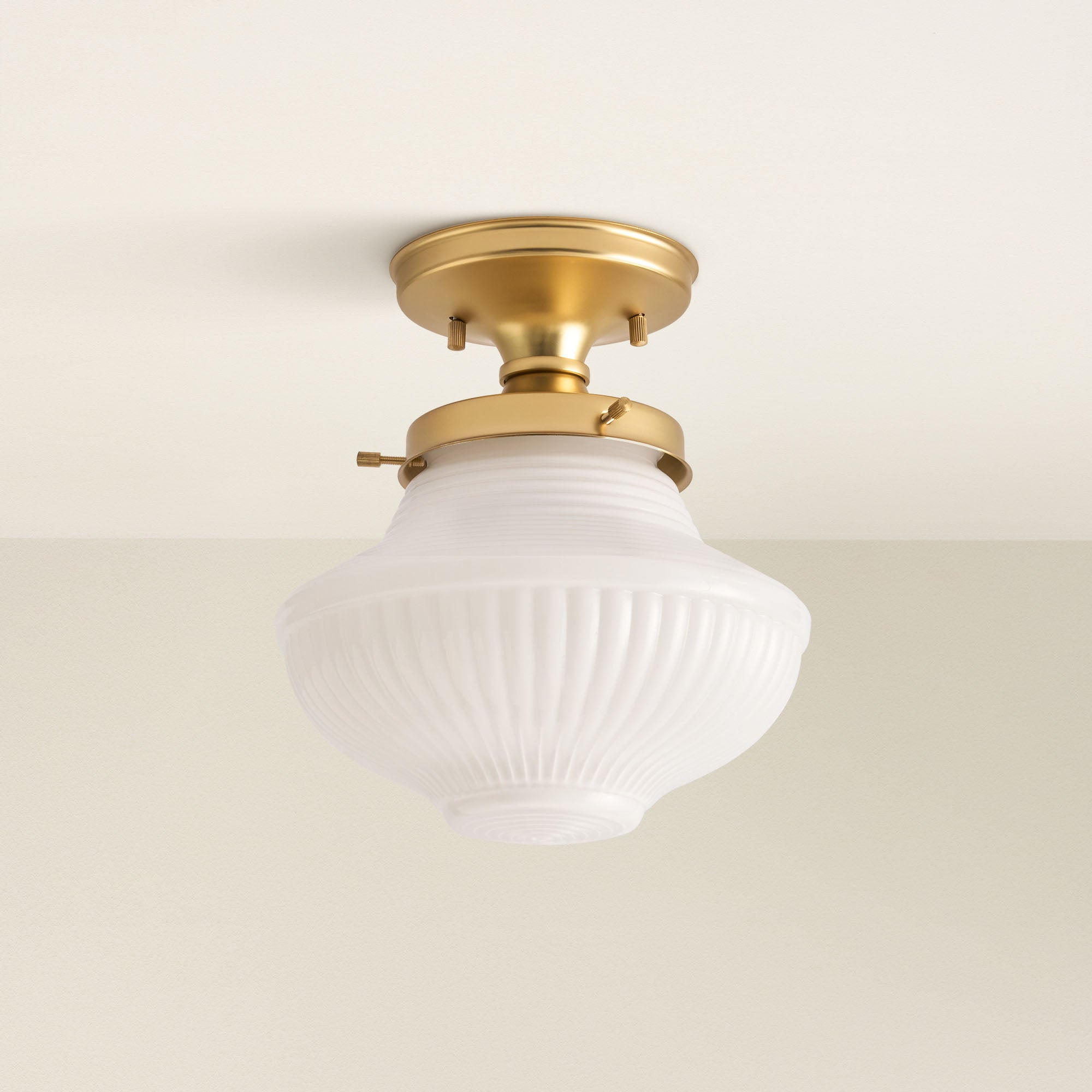
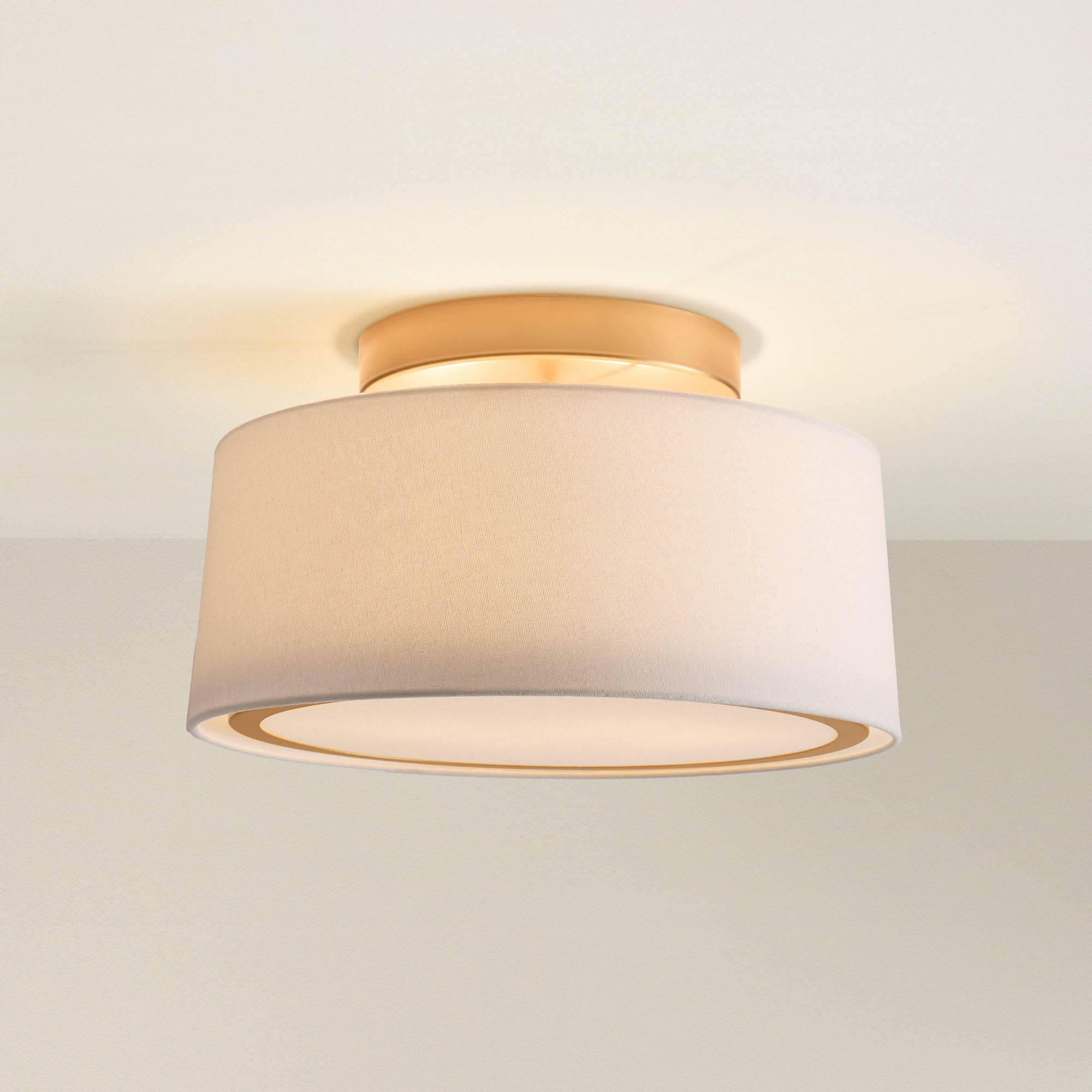
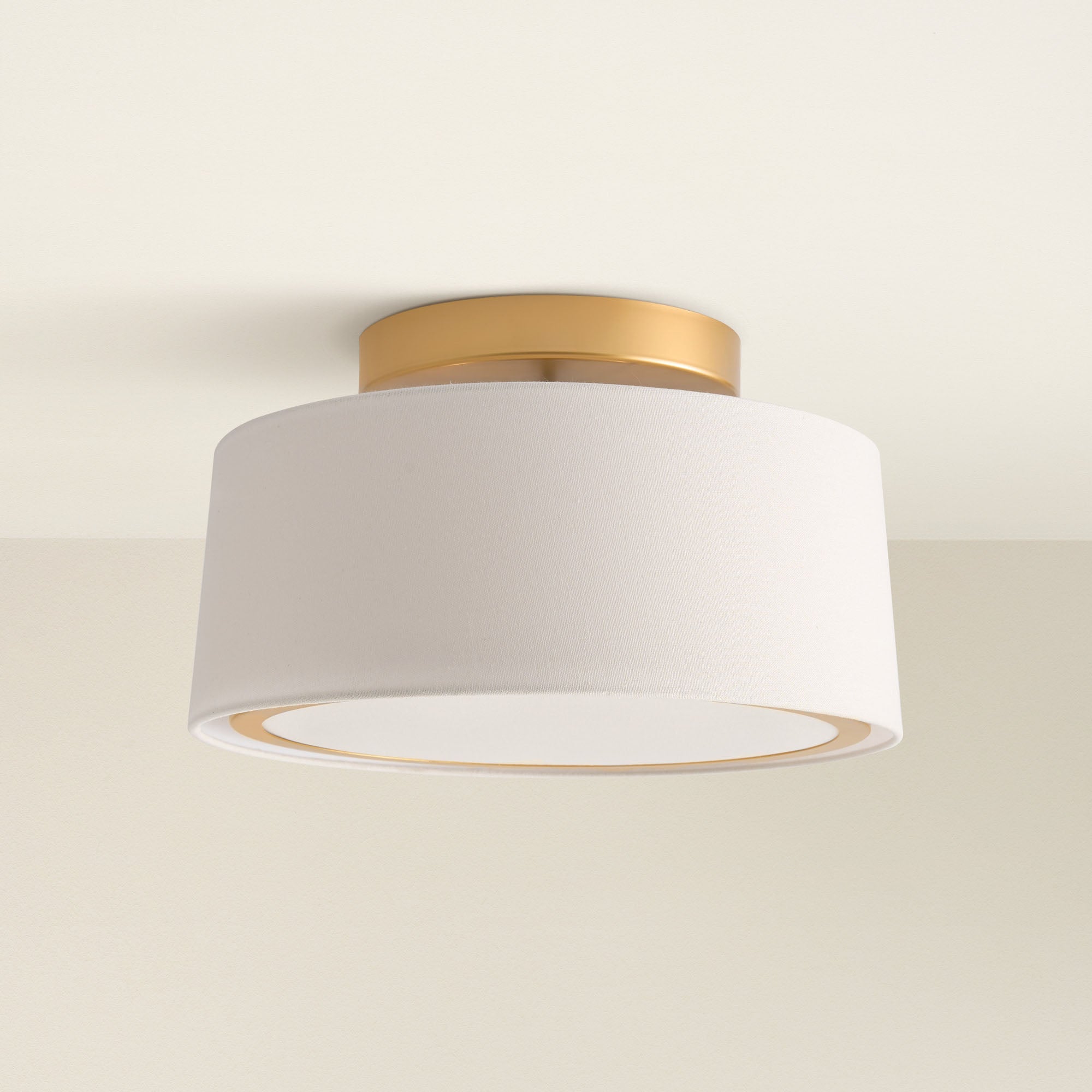
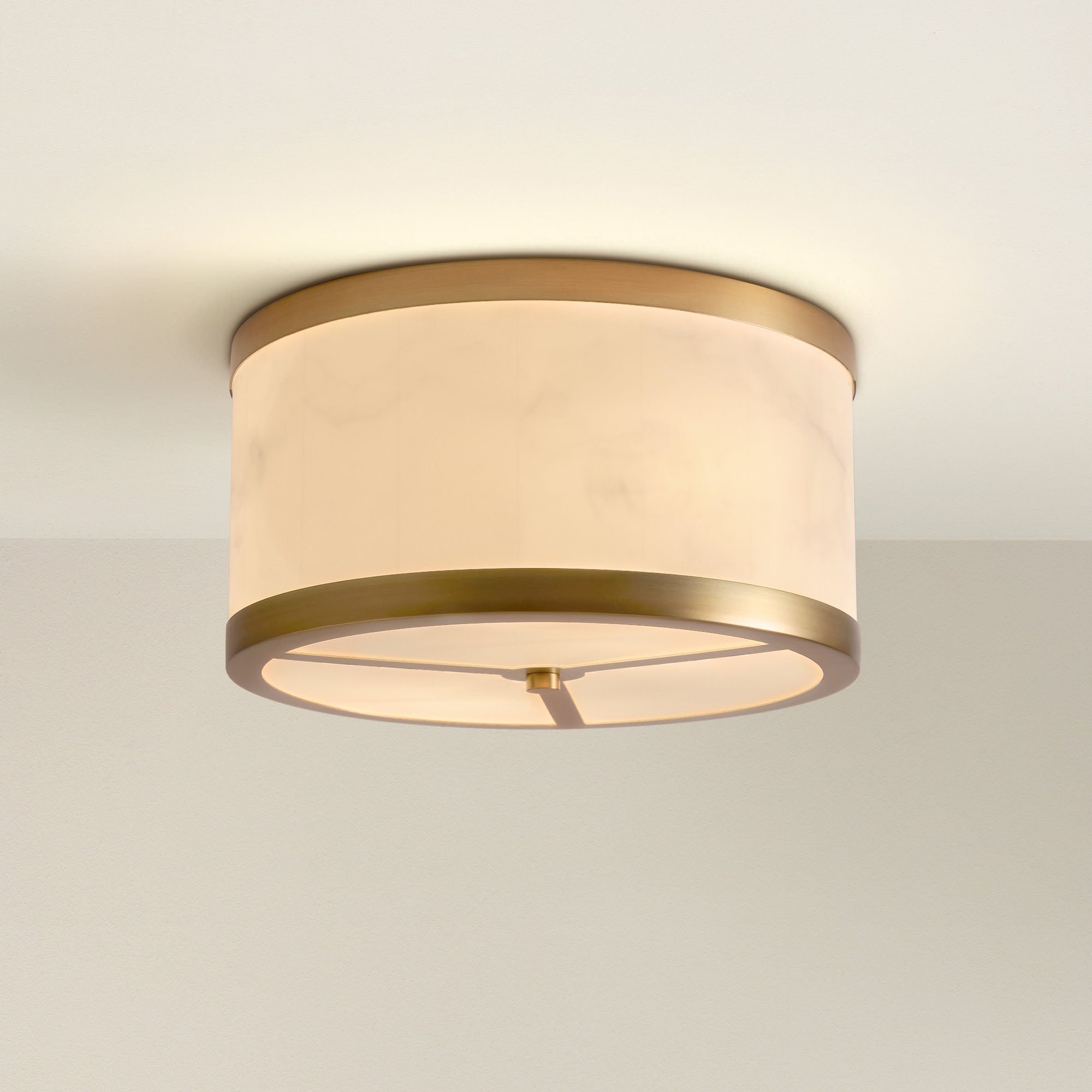
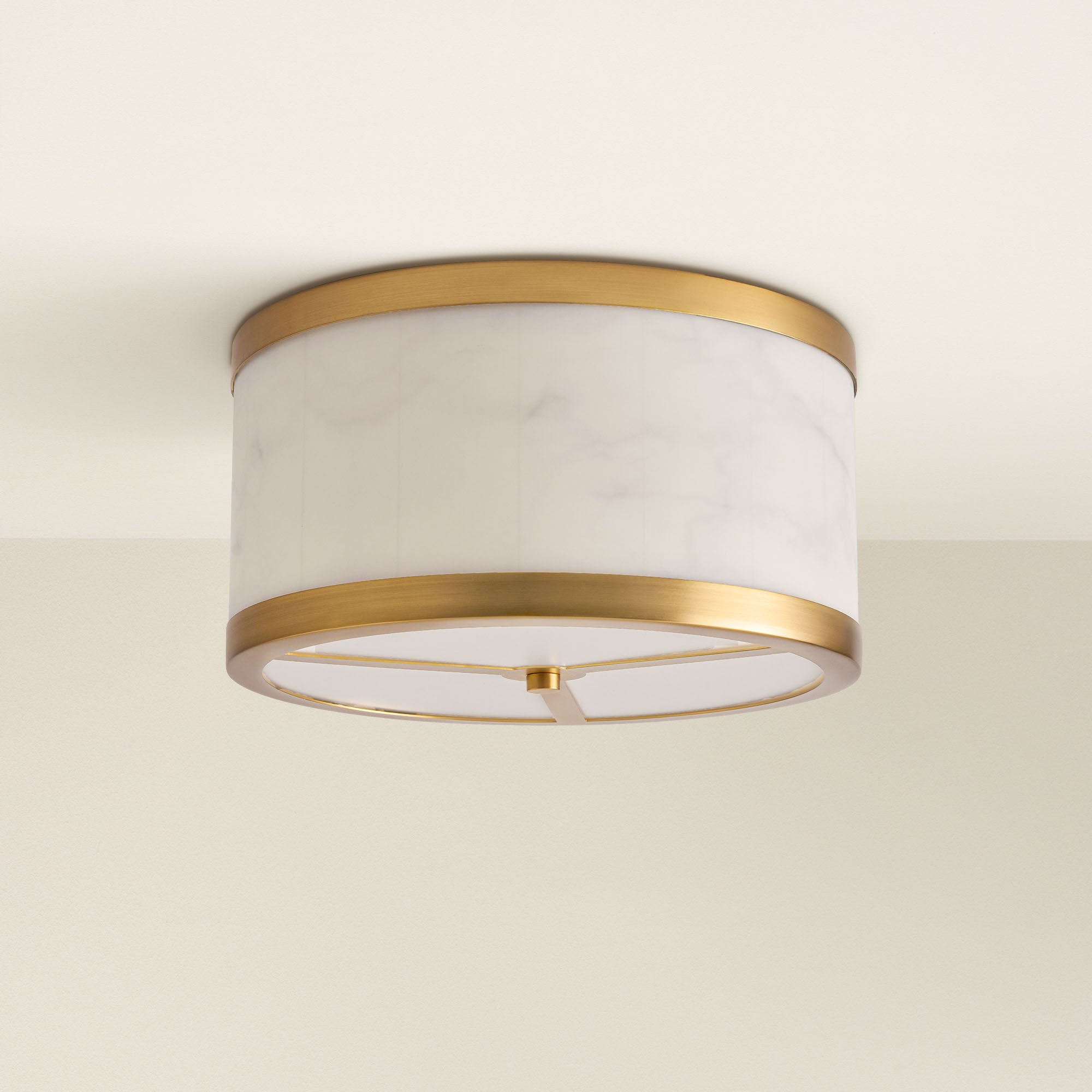
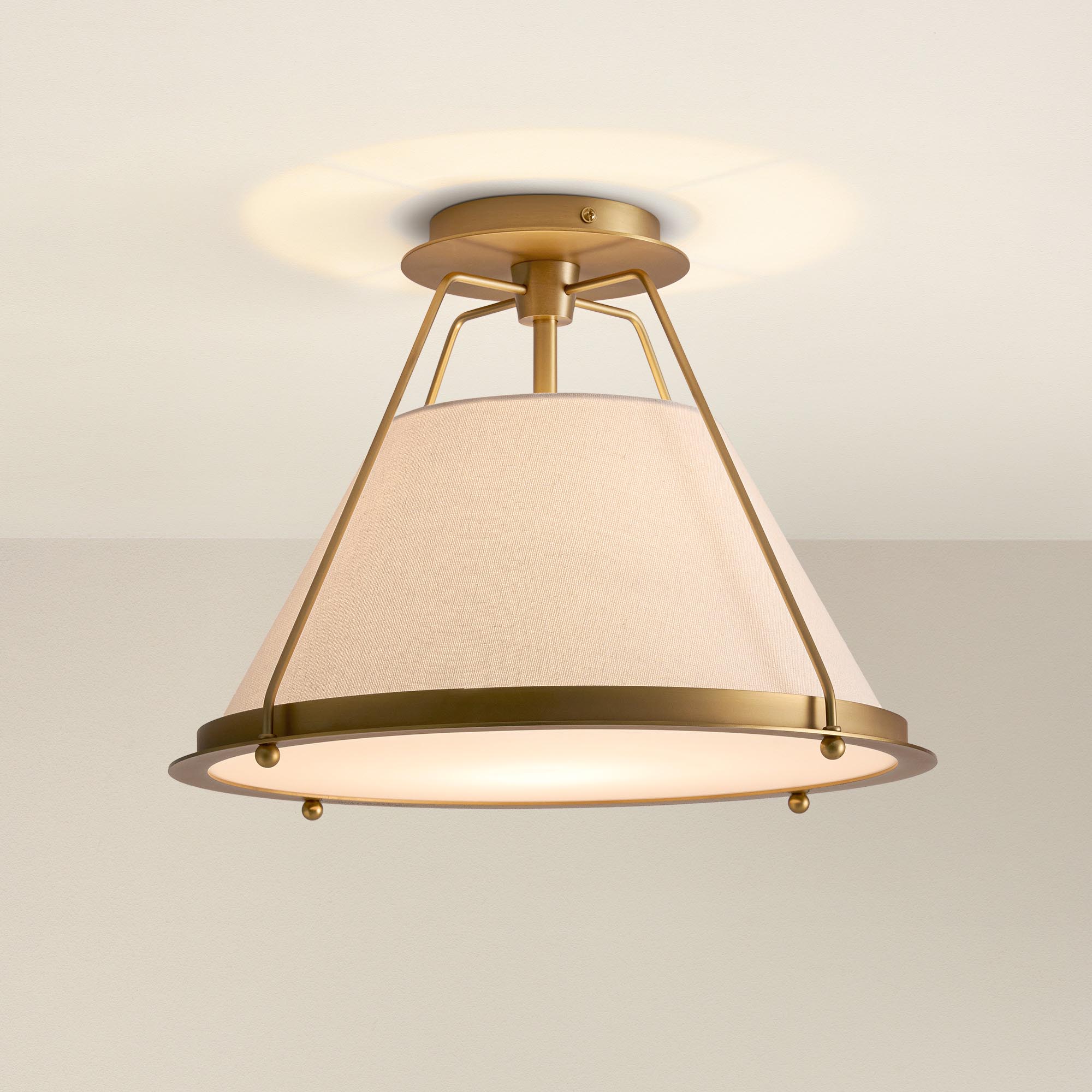
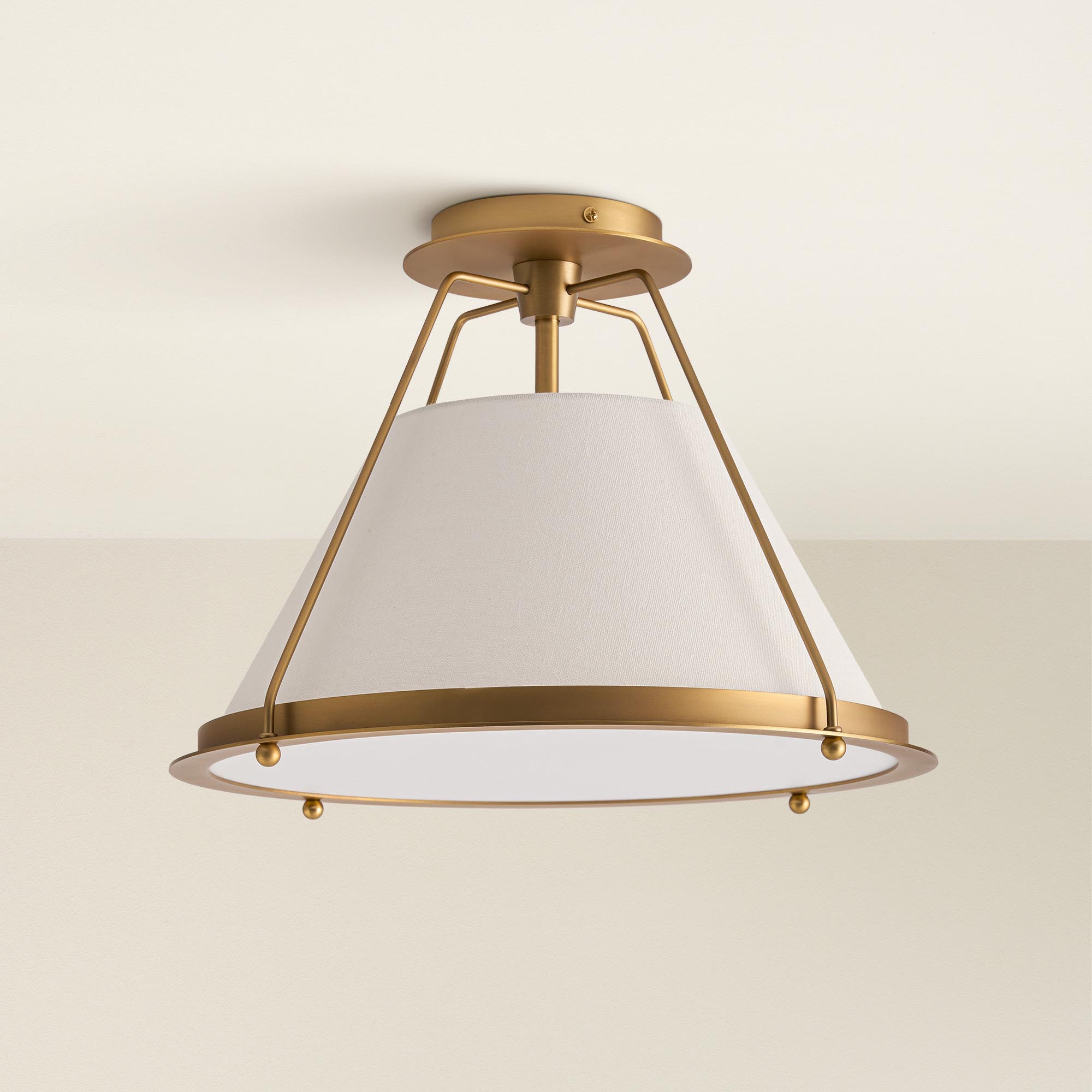
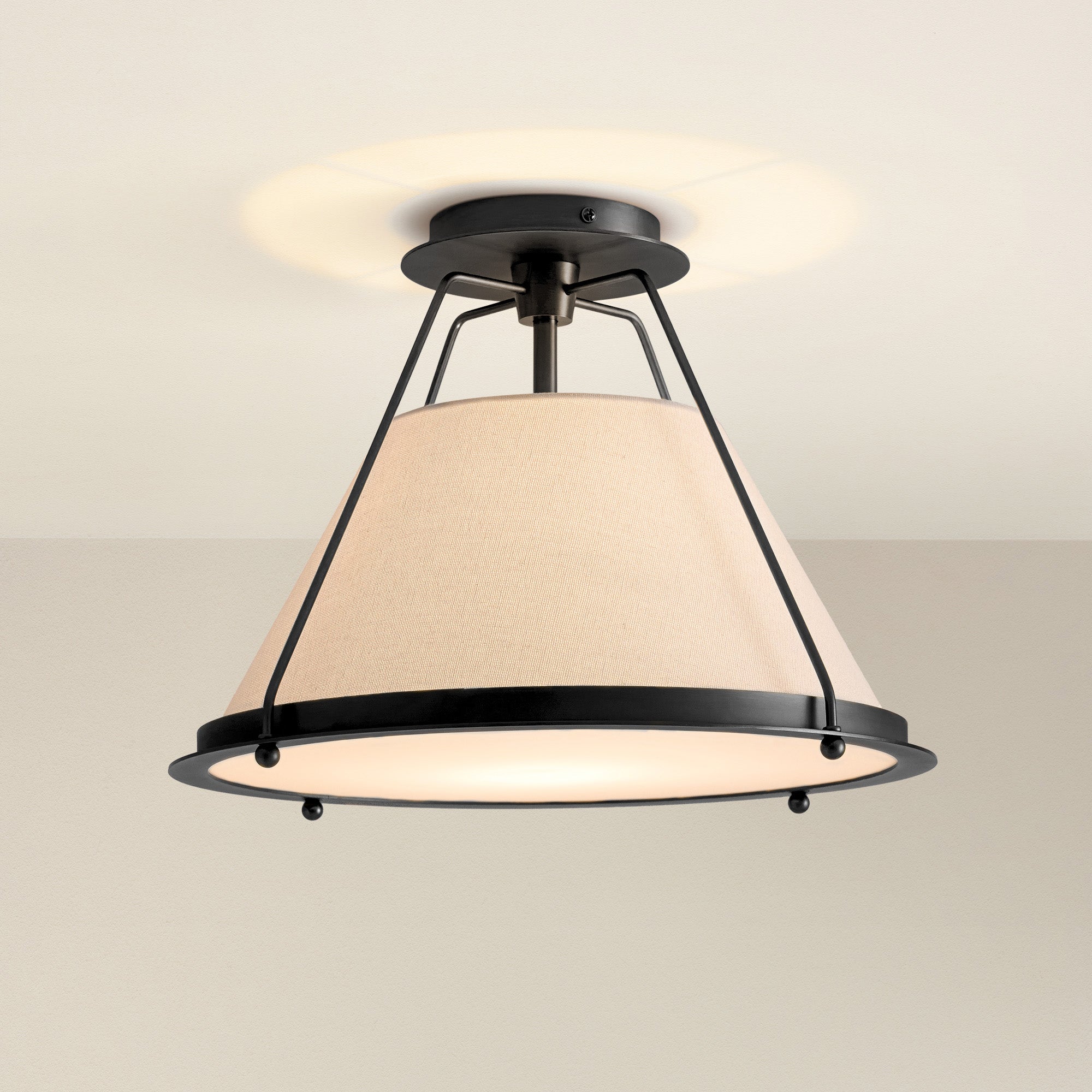
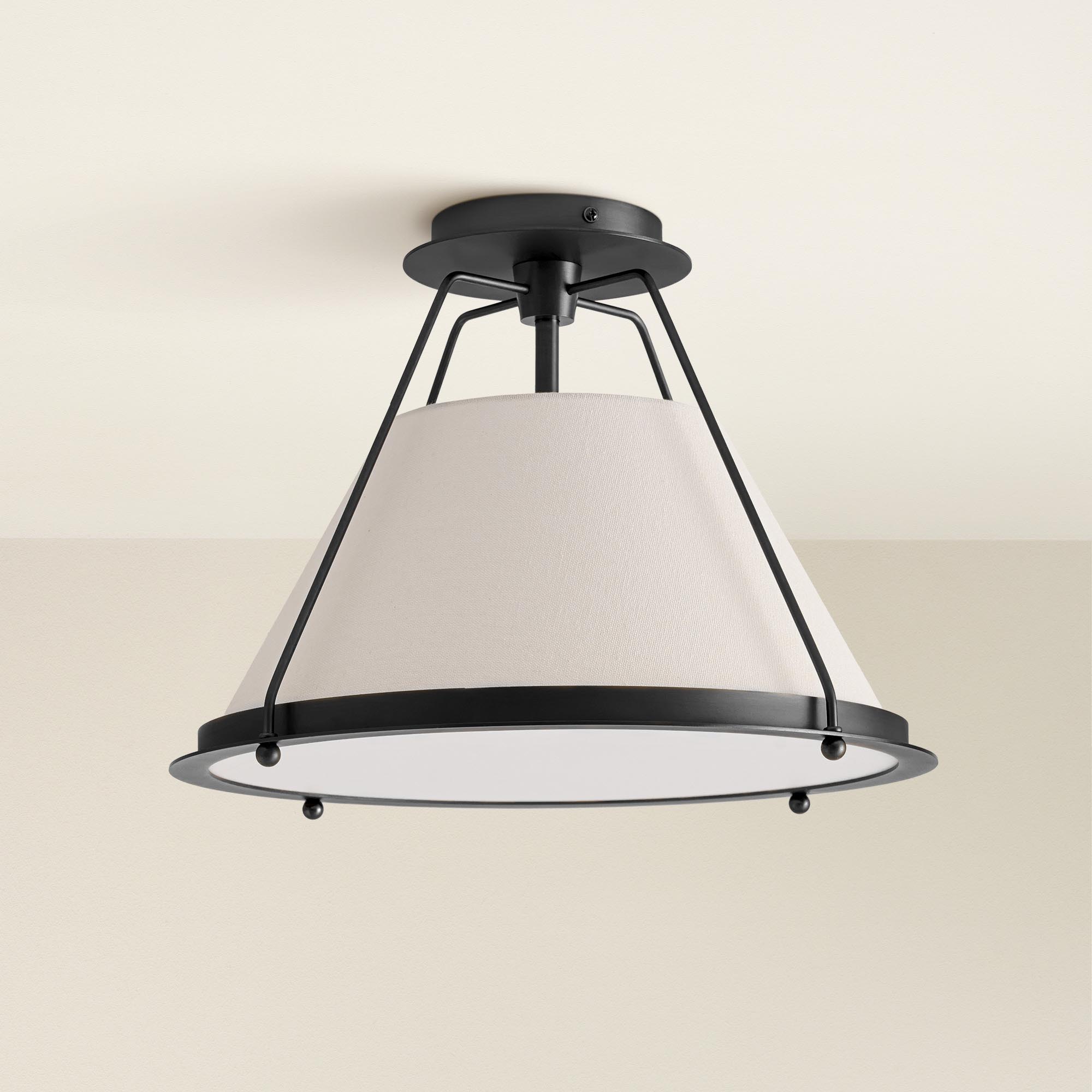
Determining the right wattage for each room in your home can significantly impact ambiance and energy efficiency.
However, each room's unique characteristics require different ideal wattages:
The dining room is a wonderful space where you gather with family and friends to share meals and create lasting memories. To enhance this warm and inviting atmosphere, proper lighting is key.
For optimal ambient lighting, it's typically recommended to use about 1.86 watts per square foot with traditional bulbs. In a 150-square-foot dining room, this means you would need 279 watts.
However, by choosing energy-efficient LED bulbs, you can achieve the same brightness with significantly less energy. For example, a 9-watt LED bulb can easily replace a 60-watt incandescent bulb, meaning you only need 42 watts of LED lighting for the same 150-square-foot space.

The dining room requires gentle, warm lighting for cozy dining experiences. Source: Rowabi's customer.
For general lighting, a chandelier or pendant light above the dining table with 60–100 watts (or the LED equivalent) will create a beautifully lit dining room. This ensures a bright, energy-efficient, and welcoming environment for all your meals and gatherings.
Extra tips:
For optimal functional lighting, it's generally recommended to allocate about 2.79 watts per square foot with traditional bulbs. For a 150-square-foot kitchen, this amounts to 419 watts.
However, using energy-efficient LED bulbs can significantly reduce this consumption. For instance, a 9-watt LED bulb can replace a 60-watt incandescent bulb, so for a 150-square-foot kitchen, you would need only 63 watts with LED bulbs or integrated LED fixtures. This reduces electricity costs and helps preserve the environment while providing excellent lighting for meal preparation.

In the kitchen, clear, bright lighting is needed for specific tasks. Source: Rowabi.
Light up your life. Shop our breathtaking designs and make your home unforgettable.
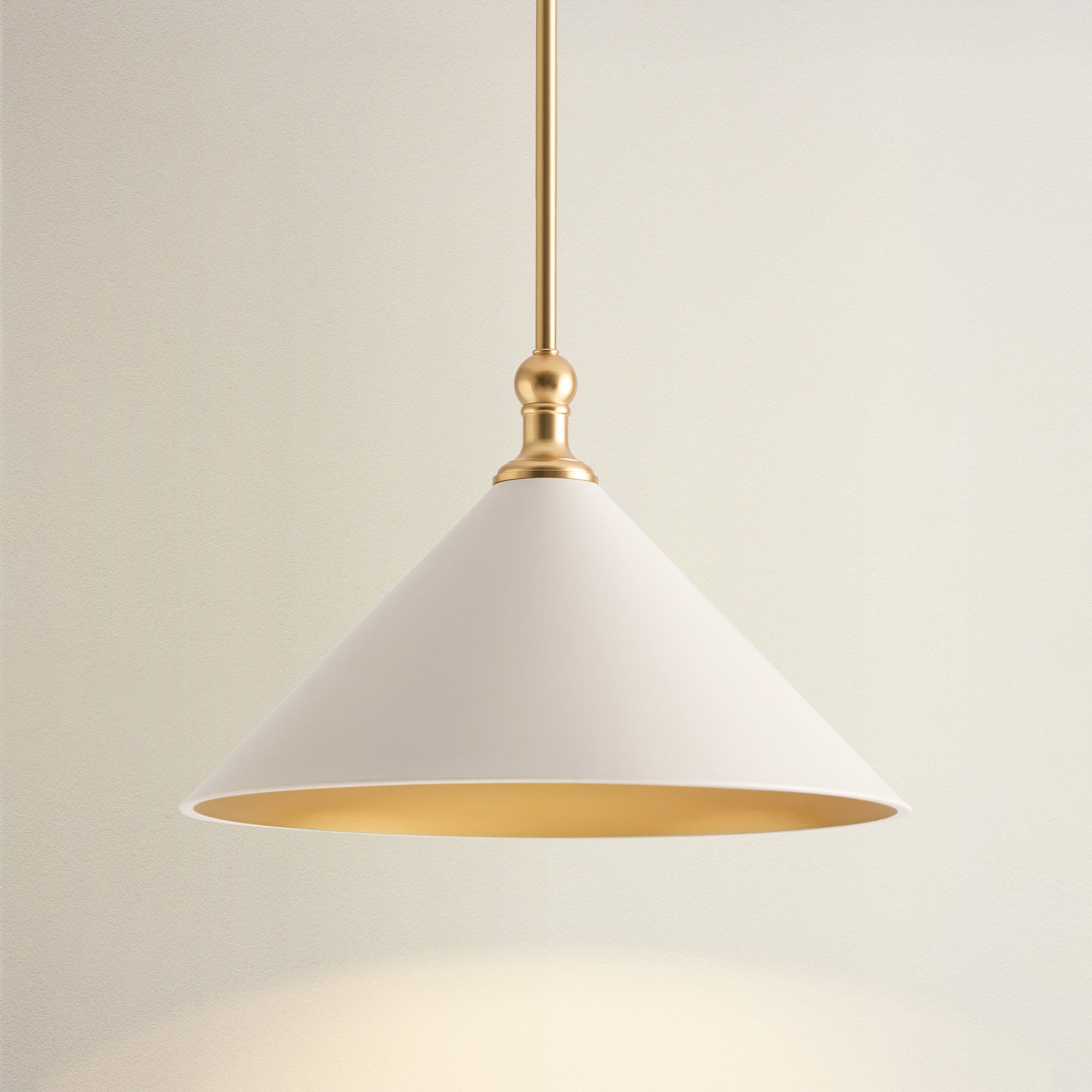
Free delivery between Dec 22 - 23 on orders $200+
45-Day Return
For general lighting, 70–100 watts (or the LED equivalent) for overhead ceiling lights is recommended. For task lighting, 60–80 watts (or the LED equivalent) for under-cabinet lights and pendant lights over the kitchen island ensures shadow-free, bright, cool-toned light for better visibility and safety.
Extra tips:
The living room serves as a hub for various activities like reading, watching TV, entertaining guests, and relaxing, necessitating more of inviting lighting. Aim for approximately 1.86 watts per square foot with traditional bulbs for ambient lighting. For a 300-square-foot living room, this totals 558 watts, but opting for LED bulbs significantly reduces energy consumption.

Ceiling lights or pendant lights provide ambient illumination. Source: Rowabi.
For instance, a 9-watt LED bulb can replace a 60-watt incandescent bulb, requiring only 85 watts for the entire space with LED bulbs or integrated fixtures. Ensure a warm, inviting atmosphere with 60–100 watts (or the LED equivalent) for ambient lighting using ceiling or pendant lights.
For reading and accent lighting, 40–60 watts (or the LED equivalent) with options like dimmable lights and a mix of floor lamps, table lamps, and wall sconces provide flexibility and comfort in your living space.
Extra tips:
The bedroom serves as a sanctuary for relaxation, making soft and soothing lighting essential. Aim for approximately 1.24 watts per square foot with traditional bulbs for ambient lighting. For a 180-square-foot bedroom, this totals 223 watts, but opting for LED bulbs significantly reduces energy consumption.
For example, a 9-watt LED bulb can replace a 60-watt incandescent bulb, requiring only 34 watts for the entire space with LED bulbs or integrated fixtures. This energy efficiency not only lowers electricity costs but also fosters a calming atmosphere ideal for unwinding and restorative sleep.

The bedroom, designed for relaxation, benefits from soft and soothing lighting. Source: Rowabi.
Ensure a tranquil ambiance with 40–60 watts (or the LED equivalent) for ceiling lights, and provide task lighting with 20–40 watts (or the LED equivalent) for bedside lamps and reading lights.
Extra tips:
The bathroom serves as a vital space where functional lighting is crucial, particularly around the mirror for tasks like grooming and makeup application. It's recommended to allocate approximately 3 watts per square foot with traditional bulbs for suitable lighting.

In the bathroom, effective lighting around the mirror is essential. Source: Rowabi.
For example, a 50-square-foot bathroom would ideally use 150 watts for optimal brightness. Opting for LED bulbs significantly reduces energy consumption; a 9-watt LED bulb can replace a 60-watt incandescent bulb, requiring only 23 watts for the same space with LED bulbs or integrated fixtures.
This energy efficiency not only lowers electricity costs but also ensures high-quality lighting essential for daily tasks. For effective bathroom lighting, aim for 60–100 watts (or the LED equivalent) for ceiling lights to provide general illumination and 40–60 watts (or the LED equivalent) for vanity lights around the mirror.
Extra tips:
If you're in search of high-quality modern pendant lights, look no further than Rowabi. Based in Houston, Texas, Rowabi is a beloved family-owned business with nearly five years of expertise in crafting premier lighting solutions.
Our collections, featuring rattan pendant lights and modern pendant lights, prioritize exceptional product quality and customer satisfaction. Each piece undergoes meticulous design and rigorous quality testing to ensure it meets our stringent standards for durability and excellence before reaching the market.
How much light do I need for a 12x12 room?
How to calculate watts for a room?
Is 40 or 60 watts good for a bedroom?
How many watts do I need to run everything in my house?
How many watts does a 3-bedroom house use?
What is the best wattage for a bedroom?
How many watts of LED light are needed for a 12x14 room?
How much light is in a 10x10 room?
How many watts do I need for a small room?
How many watts does it take to run a 4-bedroom house?
How many LED lights per room?
What happens if you put a 60W LED bulb in a 40W socket?
How many watts is a bathroom light?
How many watts are in one room?
Choosing the right wattage for each room in your home is crucial for creating a comfortable, functional, and energy-efficient environment.
Remember to consider factors like room size, function, and personal preference when determining the ideal wattage, and always prioritize energy efficiency to save on electricity costs while enjoying well-lit surroundings.
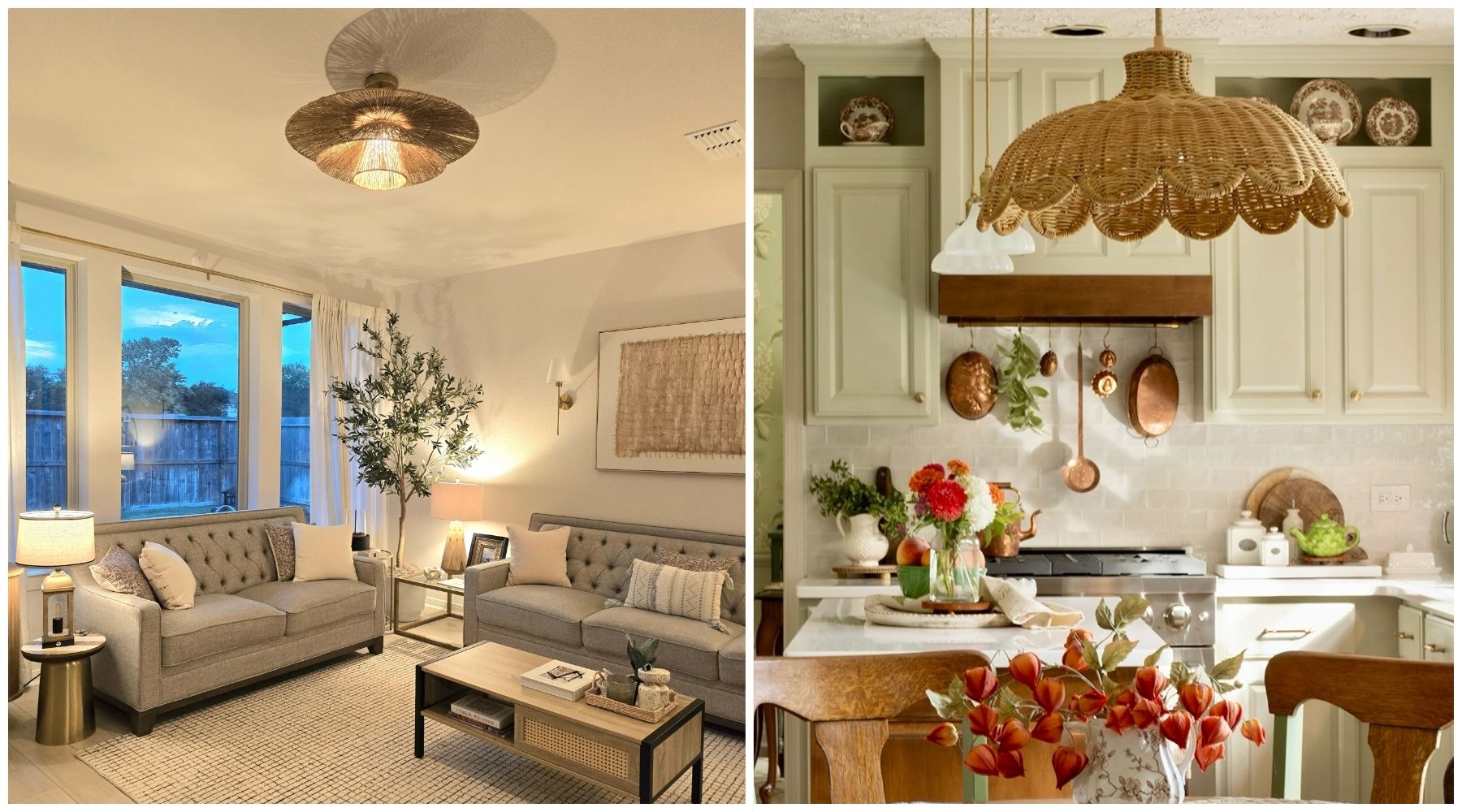
How to Clean Wicker Furniture Indoor & Outdoor: Quick and Easy Methods
Wicker furniture, whether natural or synthetic, can accumulate dust and grime in its tight weave, but maintaining it is easier than you think. The essential steps are consistent for both indoor and...
Read more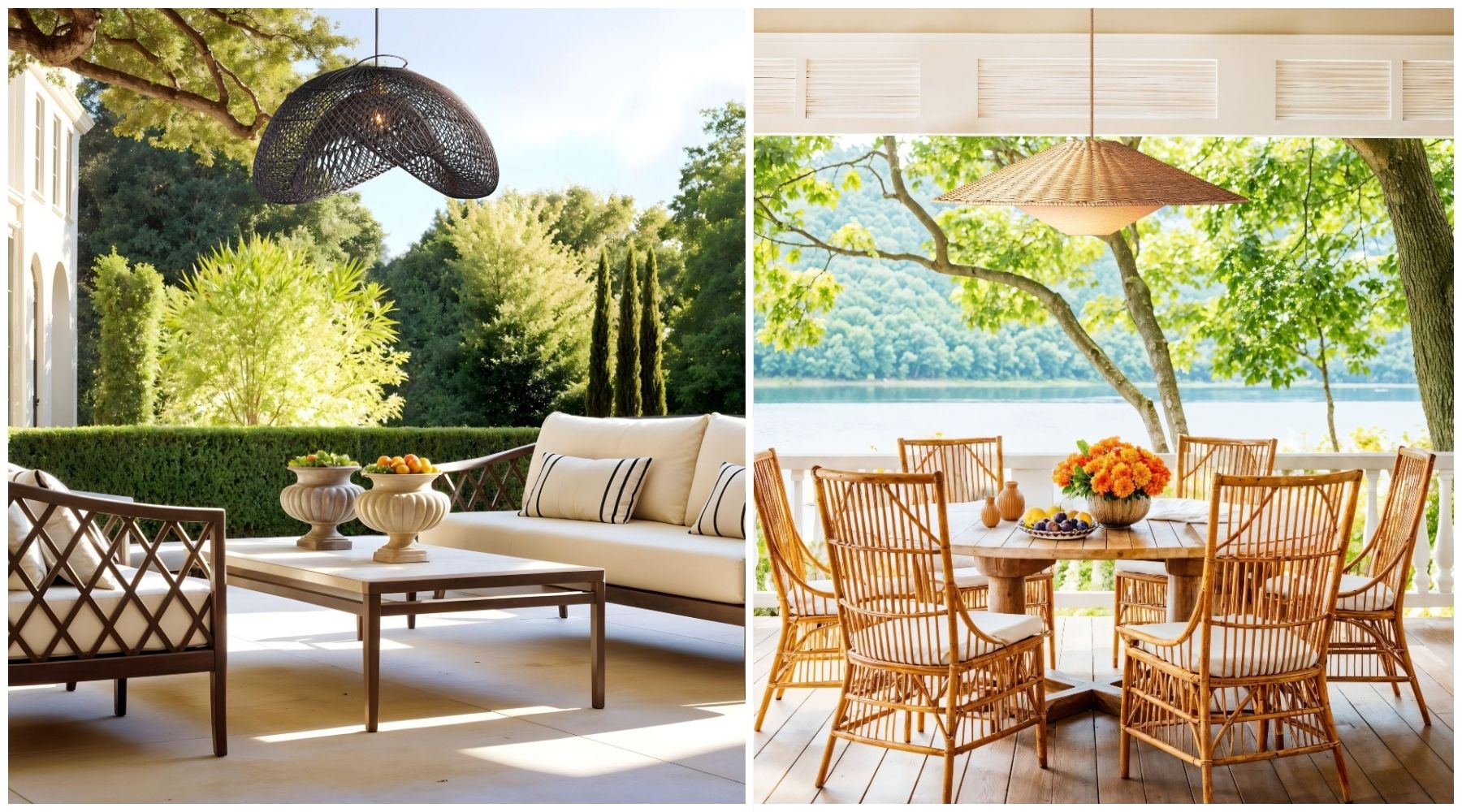
Outdoor Lighting Guide for Beginners: Types, Where to Place
Outdoor lighting is essential for transforming your yard into a safe, functional, and inviting extension of your home after dark. The best strategy involves systematically addressing key areas, sta...
Read more
Leave a comment
This site is protected by hCaptcha and the hCaptcha Privacy Policy and Terms of Service apply.