

Gifting has never been easier
Perfect if you're short on time or are unable to deliver your gift yourself. Enter your message and select when to send it.
According to Rowabi's design expert, Noah Miller, the selection process is a balance of three crucial elements: size and scale relative to the room's dimensions, style and aesthetics to match your existing decor, and functionality for optimal illumination.
The ideal fixture must be large enough to serve as a focal point without overwhelming the space, hung at a height that prevents obstruction, and equipped with the right bulb and dimmer to provide the necessary ambient or task light, achieving a layered and harmonious look.
1. Size and Scale:
2. Style and Aesthetics:
3. Functionality and Lighting:
Many people may not know, but lighting is divided into three main types and used interchangeably or together to complement each other. These three types are ambient lighting, task lighting, and accent/mood lighting.
These lights create three different moods and are used for different functions. Therefore, understanding which functions each serves and which lights to use will help streamline the process of selecting and arranging lights in the overall layout more efficiently.
Provides overall brightness to evenly light up the space. It includes natural light from windows or artificial overhead lighting such as chandeliers or track lighting. This type of lighting ensures that the room is adequately illuminated and covers most activities.

Is specifically designed to assist with particular activities such as reading, studying, or watching TV, which are part of daily routines.
It typically provides brighter illumination compared to ambient light because its coverage is narrower and the light intensity is higher. This type of lighting can be provided by various sources, including desk or table lamps.
Accent lighting serves the specific purpose of highlighting particular features in a room, such as entrances, plants, artworks, or fireplaces.
Unlike ambient and task lighting, accent lighting primarily focuses on creating visual interest and emphasizing specific elements rather than providing general illumination. It can vary in color and intensity, allowing for the addition of drama and character to the room.
Besides focusing on how lighting fixtures look, it's also essential to pay attention to the quality and type of bulbs they use – after all, they're the ones actually providing the light.
LED bulbs are considered the optimal choice for living room lighting due to their energy efficiency, durability, and functionality. Since the living room is typically a space used frequently throughout the day, it's important to choose bulbs that emit minimal heat and have a long lifespan for prolonged use.
LED bulbs also offer a wide range of color temperatures, allowing easy customization to suit your preferences.
Compared to LED bulbs, incandescent bulbs are less energy-efficient, but their affordability and color rendering capabilities have made them increasingly popular and competitive with LEDs. They provide a warm, cozy glow that is well-suited for living rooms at a reasonable and budget-friendly price.

Proper application and selection of the right bulb type can fundamentally transform a room's appearance. Source: Rowabi's customer | Sammie Tier Rattan Flush Mount.
Compact Fluorescent Bulbs, also known as CFLs, are more energy-efficient than incandescent bulbs and generally have a longer lifespan.
They typically provide bright, white light, making them suitable for providing ambient lighting in the living room. Additionally, CFLs come in a variety of shapes and sizes.
Halogen bulbs produce bright, white light similar to natural daylight, making them suitable for task lighting around the room. While they have good color rendering, their lifespan is shorter compared to other types of bulbs, and they also generate more heat.
So far, we've covered various types of lighting and bulb options for your consideration. Next up, we'll share expert tips from Henry Phan, who brings three years of experience in the field, on selecting the right lighting for your living room.
As we discussed earlier, there are three main types of lighting: ambient, task, and accent. It's important to determine which type of lighting your home lacks so you can make the necessary adjustments.
In some cases, you may not prefer ambient lighting indoors, for example, opting for little lights as per the trend. In such instances, choosing high-quality task lighting with broader coverage ensures adequate lighting for the entire house.
When it comes to living room lighting trends, there is a wide range of options available, allowing you to choose according to your preference. Currently, the trend is leaning towards natural materials, traditional classics and mixing them with modern elements to create a unique fusion.
Ambient and direct light differ in nature, so planning them involves avoiding overlap. However, without proper planning, it can lead to overall room disarray.
Unlock designer style without the designer price tag. Shop Rowabi.

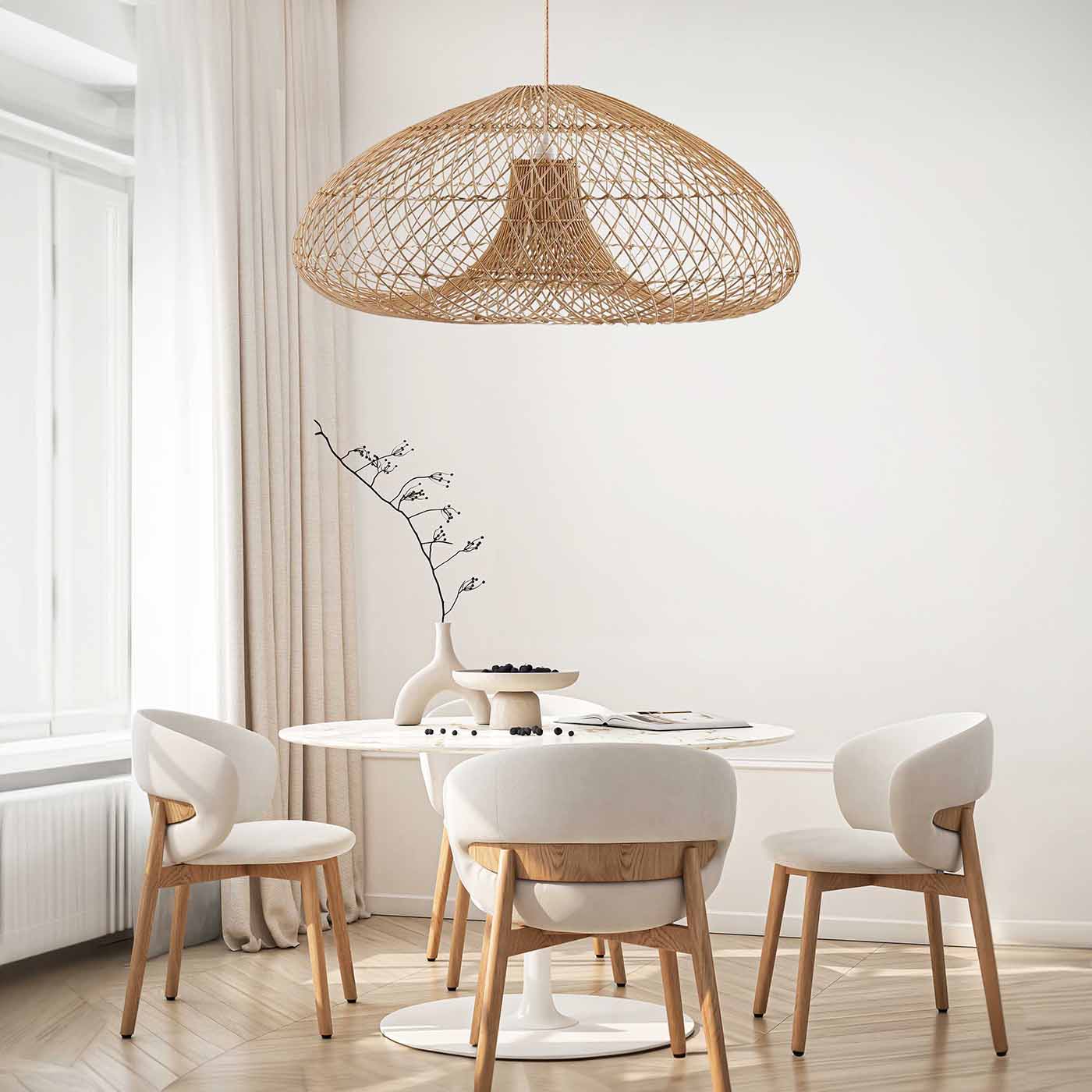
Free delivery between Dec 22 - 23 on orders $200+
45-Day Return
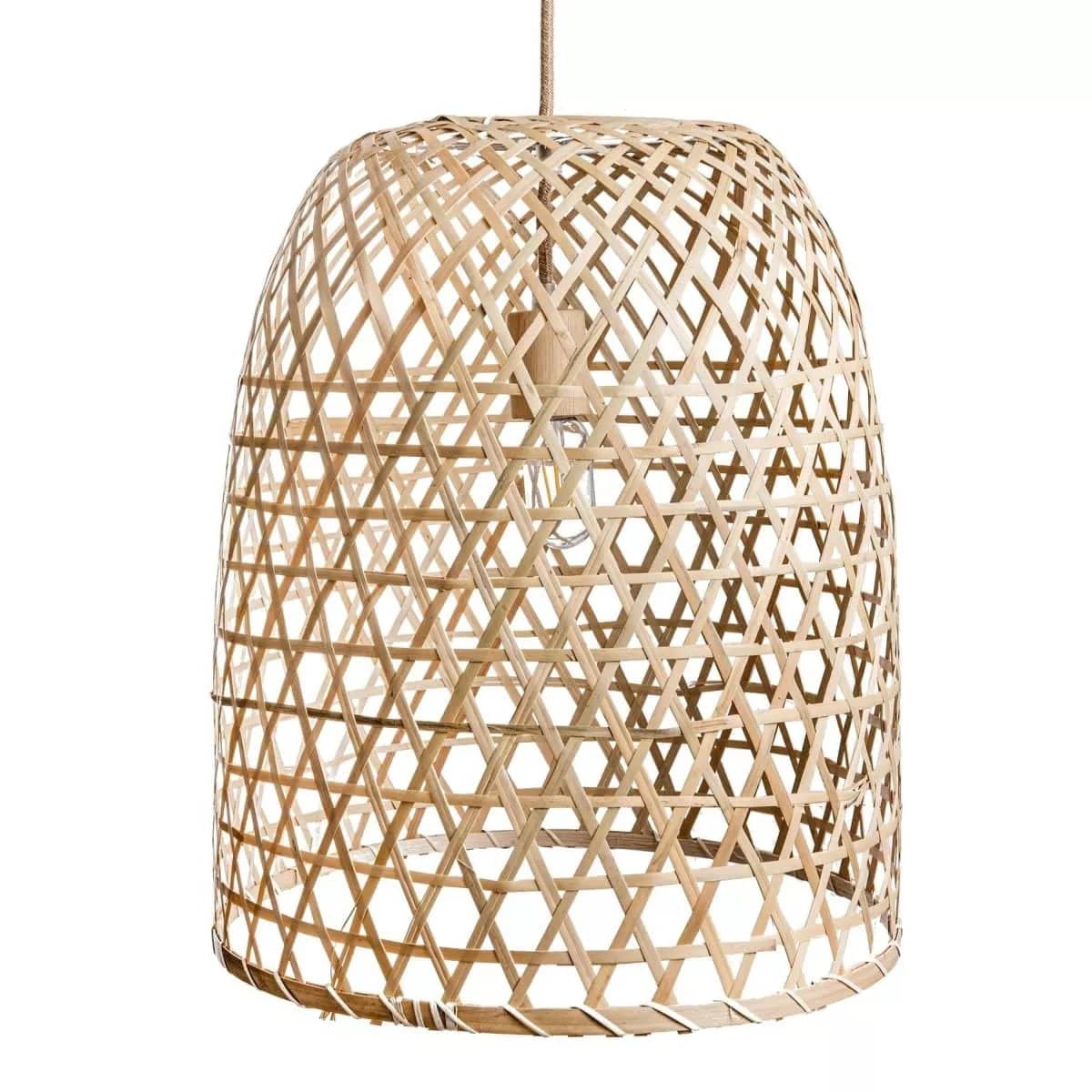

Free delivery between Dec 22 - 23 on orders $200+
45-Day Return
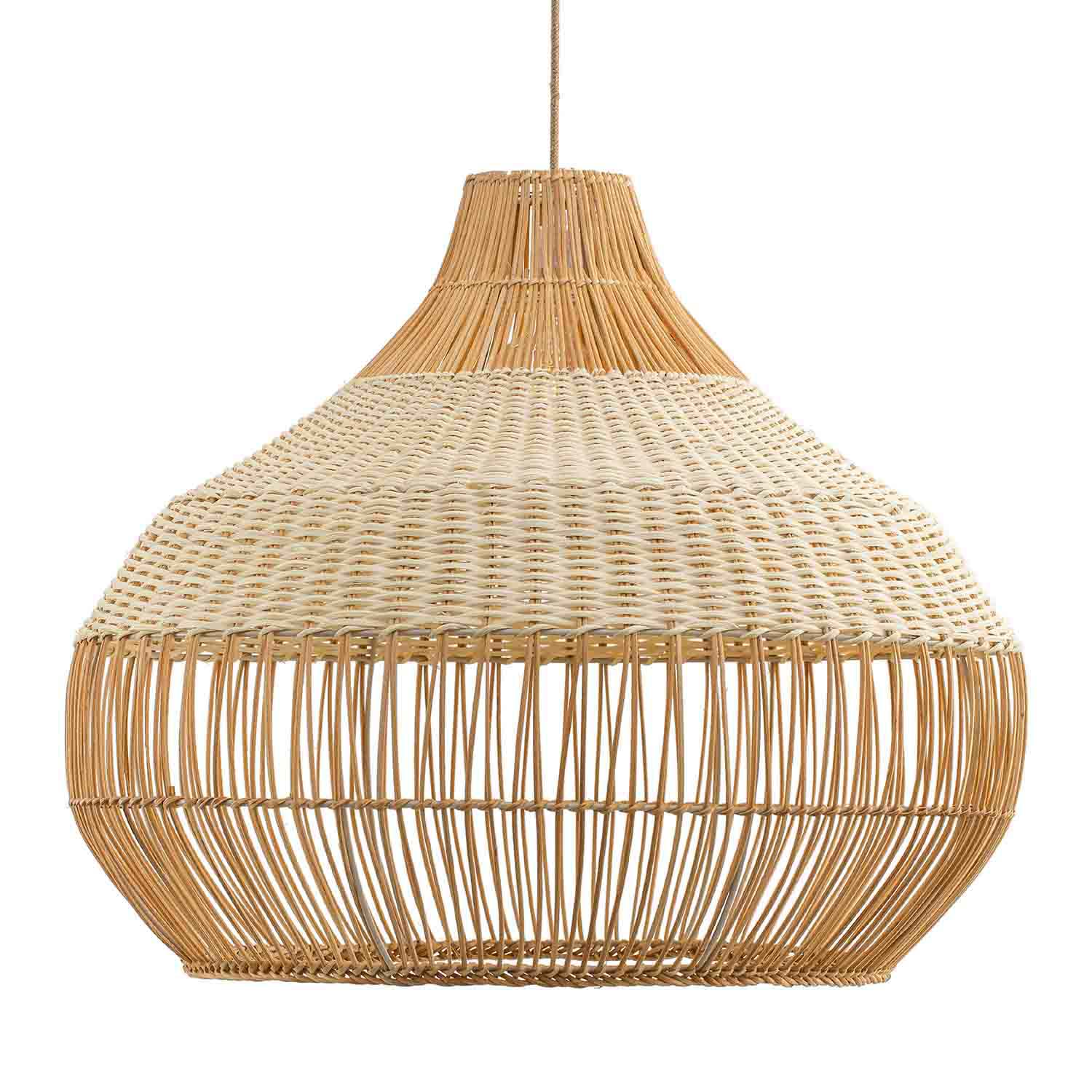
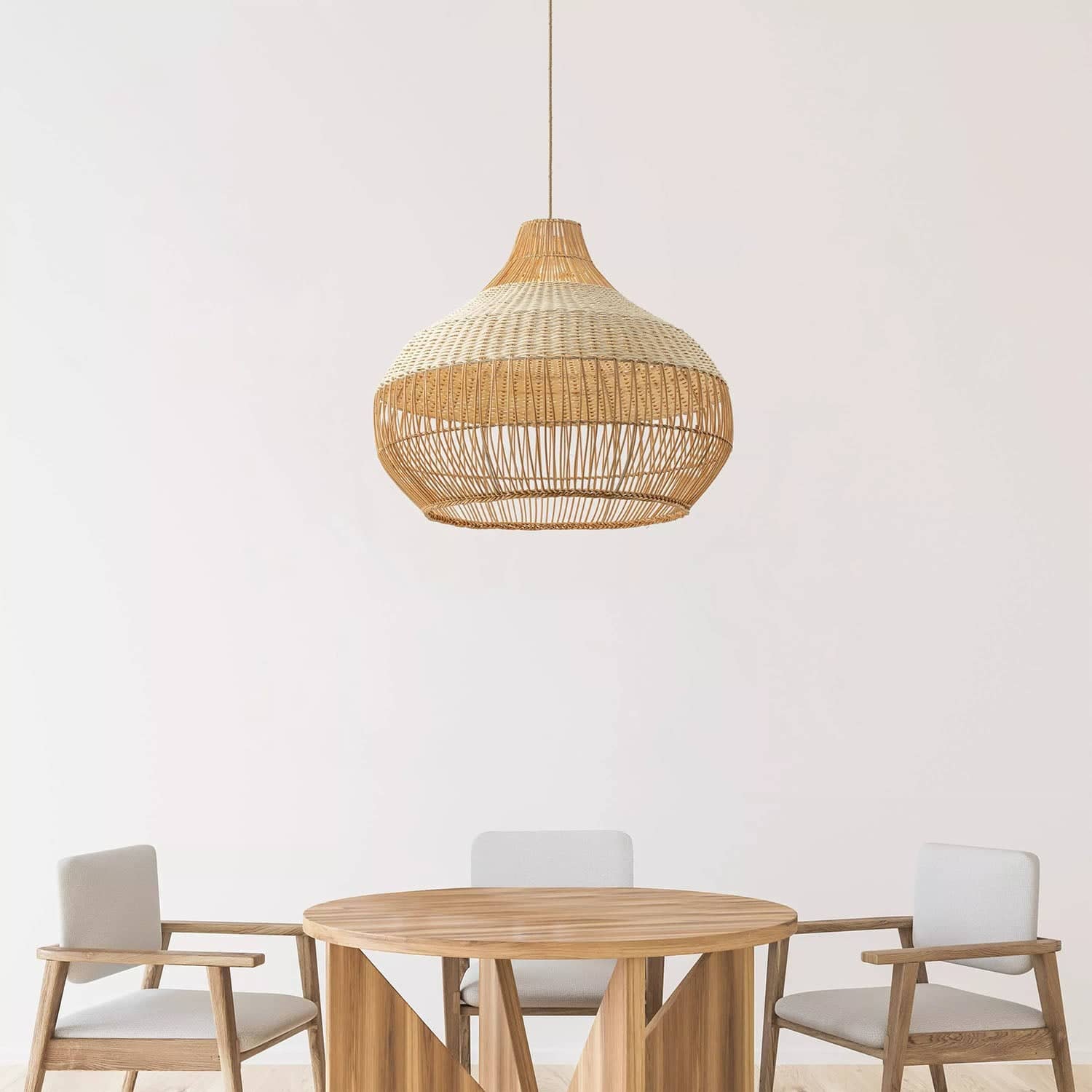
Free delivery between Dec 22 - 23 on orders $200+
45-Day Return
Free delivery between Dec 22 - 23 on orders $200+
45-Day Return

Free delivery between Dec 22 - 23 on orders $200+
45-Day Return

Free delivery between Dec 22 - 23 on orders $200+
45-Day Return
Ambient lighting relies on natural light sources like windows, and skylights, complemented by overhead fixtures like chandeliers, flush mounts, or recessed lights. On the other hand, direct lighting comes from task-oriented sources for everyday activities, such as workspace lamps, table lamps, or floor lamps.
One thing to note is to ensure that the light's color doesn't appear mismatched, opting for consistent tones or complementary hues to avoid overlap. Secondly, if there's already task lighting, the ambient lighting shouldn't be excessively dim or bright.
Establishing ambiance using pendant lights is popular because pendant lights typically have a substantial size and provide ample illumination. They offer a wide range of options in terms of lighting and design aesthetics, making them a versatile and creative choice.
Ambiance lighting is simply a light that can evenly cover an entire room, and pendant lights excel at this task. According to Henry Phan, in recent years, rattan pendant lights have become dominant in the ambiance lighting market due to their user-friendly nature, use of safe natural materials, durability, and unique beauty.
To create moods ranging from calm to celebratory and add diversity and flexibility to the room's lighting, it's effective to use bulbs that can adjust their intensity and color temperature. These bulbs offer a wide range of colors to adapt to different situations.

Source: Rowabi.
Warmer colors evoke relaxation and tranquility, while brighter and cooler colors create a more vibrant atmosphere. Using bulbs with adjustable features allows you to achieve various moods with fewer light fixtures, making the room more dynamic and engaging.
Pure aesthetics are insufficient for sustaining a design's longevity; it must align with its intended purpose. Conversely, focusing solely on functionality can lead to uninspiring spaces. Achieving balance requires understanding user needs, design context, and visual aesthetics, elevating design to an art form.
Henry Phan advises everyone to carefully assess their lighting choices, ensuring they combine aesthetic appeal to impress friends with functional performance to enhance the home environment.
Here's an example of a modern urban apartment that balances aesthetics and functionality. This apartment features a soft blue color palette with furniture in gray, wood, and gold metal accents.
The ambient lighting includes unique LED fixtures with cylindrical shapes and gold stands arranged vertically around the cylindrical structure.

This house effectively uses an appropriate amount of ambient light and task lighting. Source: Rowabi's customer | Luminous Rattan Pendant Light.
To complement the ambient lighting, task lighting is strategically placed in functional areas like reading corners by windows or near the sofa. This combination of ambient and task lighting enhances the living space’s visual appeal and usability, creating a stylish and practical environment.
Understanding the relationship between space and scale is crucial for determining whether the chosen pendant light is appropriate and how to make the right selection. It's important to assess whether the size of the pendant light truly complements the room's dimensions and enhances the existing furniture.
According to Henry's experience, larger pendant lights are ideal for larger rooms with high ceilings, as they can effectively fill the space and make a bold statement. Conversely, smaller pendant lights are best suited for compact rooms or smaller areas within a home.
This consideration ensures that the pendant light harmonizes with the room's scale and contributes to its aesthetic appeal and functionality.
The positioning and elevation of pendant lights are critical for their effectiveness in different room areas, ensuring optimal light distribution for various activities. For example, pendant lights used for task lighting in a reading nook should be positioned appropriately to provide comfortable illumination for reading and work tasks.

Sconces that focus on the wall art are also needed for illuminating your space. Source: Rowabi's customer | Amorous Wall Sconce.
On the other hand, ambient lighting fixtures should be centrally positioned to evenly illuminate the entire space, ensuring a well-lit environment throughout the room. Each type of lighting serves a specific purpose and requires thoughtful placement to achieve its intended function within the living room.
Each room style influences the choice and placement of lights differently. Here, Rowabi and Henry Phan will analyze three popular styles and their unique approaches to using lights.
In Scandinavian design, simplicity, and functionality are key principles influencing furniture and lighting choices. This style favors minimalistic designs, including pendant lights that embody clean lines and natural materials like wood or metal.

The Kloe pendant light is a safe choice when considering lighting for the Scandinavian style. Source: Rowabi
Henry suggests using rattan pendant lights to align with the characteristics of this style. Rattan pendant lights emphasize beauty without elaborate colors, focusing instead on the intricacy of the woven strands. Placing these lights over seating zones or above a coffee table would suit this aesthetic.
Modern interiors, while not overly complex, demand careful coordination for a consistent yet distinctive appearance. This style often favors contemporary pendant lights with geometric shapes, metallic finishes, or glass elements available in a variety of forms and sizes.
In stark contrast to the previous two styles, the Bohemian style embraces artistic expression and diversity not only in color but also in materials and shapes. Homes in this style opt for eclectic pendant lights with vibrant colors, intricate patterns, and organic textures like rattan or woven fibers, reflecting a penchant for color and nature.
Additionally, this style encourages DIY projects or the use of handmade vintage pieces. The essence of these lights lies in varied hanging heights, mirroring the free-spirited nature of the Bohemian style.
Layered illumination is a trend because one layer of lighting is never enough. This approach helps create depth, versatility, and a harmonious atmosphere.
One key technique is integrating task lighting with pendant lights. This involves using pendant fixtures to provide ambient light and incorporating table lamps on side tables for focused lighting.

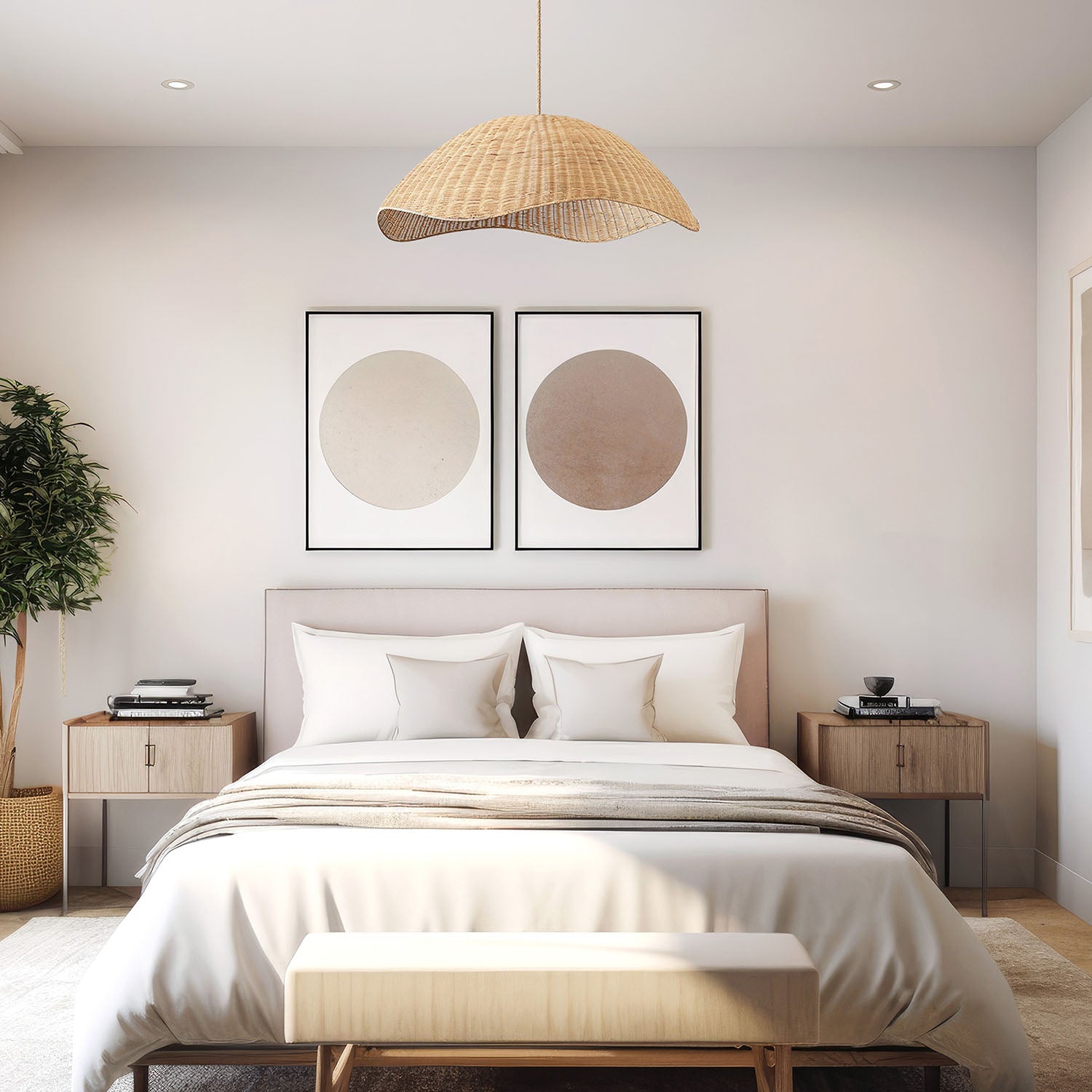
Recessed lighting is also a choice that ensures both ambient illumination and aesthetic appeal. Source: Rowabi's customer | Abyssal Rattan Pendant Light.
Additionally, ceiling-mounted fixtures like track lighting or recessed lights can complement pendant lights by providing overall ambient illumination. This combination allows for flexible control of lighting levels and ensures the room is well-lit.
Materials and finishes play a crucial role in the overall aesthetics of a room, as they must harmonize with existing furniture and decor elements.
Today, there is a wide array of materials and finishes to choose from, including metal, natural materials, glass elements, and fabrics. Each material has its own characteristics that lend themselves well to different design styles.
Metal finishes like brass, chrome, and matte black are popular for modern and contemporary interiors. Brass adds warmth and elegance, chrome offers a sleek and polished look, and matte black provides a bold contrast.
Natural materials such as wood, rattan, and woven fibers bring an organic and earthy feel to a space. Wooden fixtures are well-suited for rustic or Scandinavian styles. At the same time, rattan complements bohemian or coastal aesthetics.
Glass elements, including clear, frosted, or textured glass, can create a sophisticated and airy ambiance. Fabrics, although less common in lighting fixtures, can be used for lampshades or pendant covers to introduce softness and texture.
Don't let your favorite piece sell out. Secure yours now.
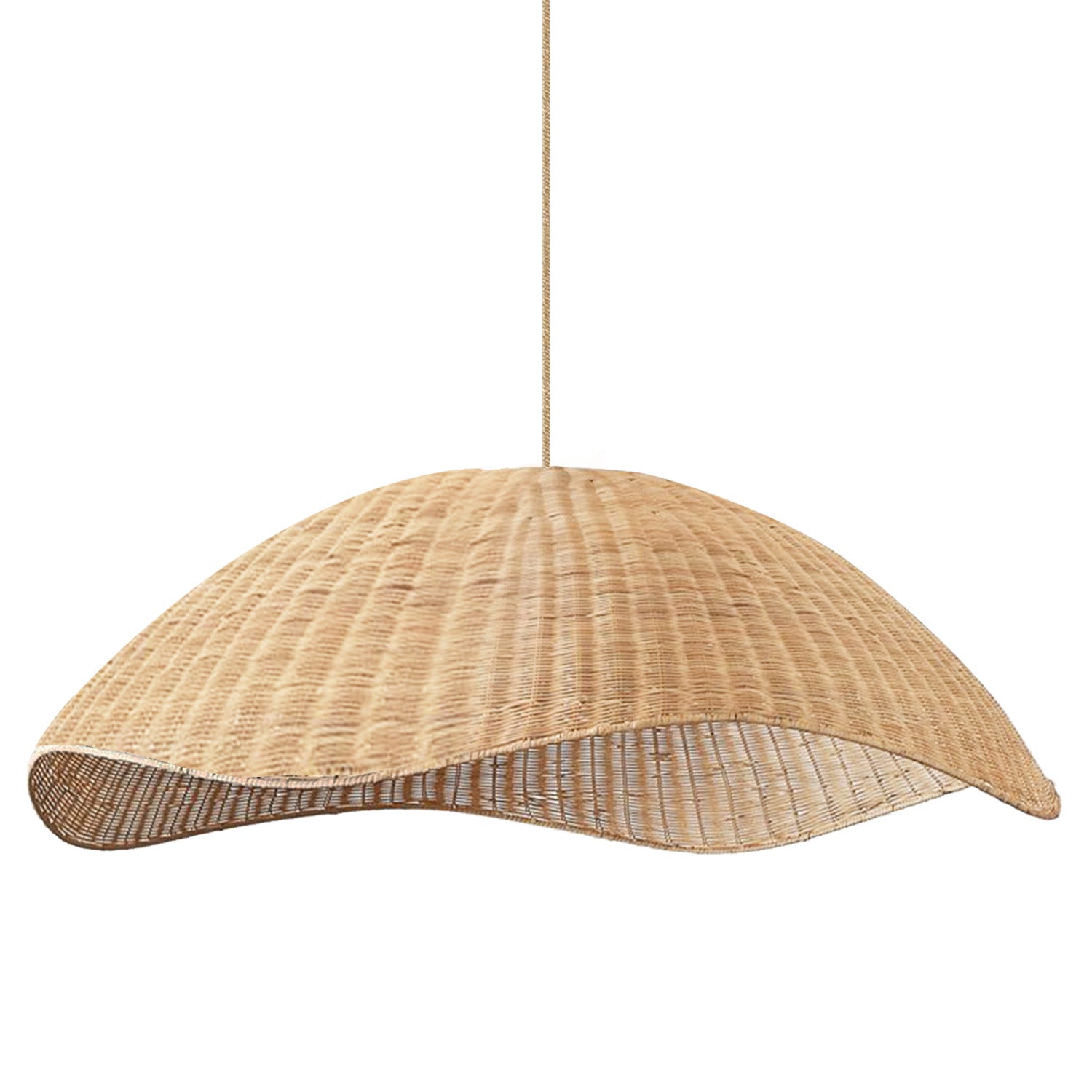
Free delivery between Dec 22 - 23 on orders $200+
45-Day Return
When selecting materials and finishes for lighting, it's essential to consider current trends to stay informed about popular choices and innovative designs. This ensures that the lighting fixtures not only enhance the overall aesthetic of the room but also reflect contemporary tastes and preferences.
When planning the lighting for your living room, it's essential to consider several factors to achieve a balance between functionality and aesthetics.
It's crucial to prioritize the function of lighting in your living room. Understanding the three main types of lighting—ambient, task, and accent—will help determine the appropriate fixtures needed for each area to achieve optimal illumination.
If you have a beautiful and functional light, but it's not positioned correctly, it defeats the purpose. For task lighting, it should be placed near the area where you perform the specific activity.
In contrast, ambient lighting aims to spread light throughout the space, so it should be positioned centrally to lighten up the entire area evenly. For both task and ambient lighting, consider the height and angle of the fixtures.
This approach inherently helps to minimize environmental impact and reduce costs over time. Modern LED fixtures are highly efficient and durable, providing bright illumination while consuming minimal energy. Additionally, the quality of LED lighting remains consistent compared to other types of light bulbs.
Above, we discussed the energy-efficient approach; however, your choice still needs to be based on your intended use and the ambiance you want to create.
Therefore, it's important to consider the appropriate type of lighting. As Rowabi mentioned earlier, you can always change bulbs, but not all light fixtures are compatible with every type of bulb, so you need to consider this carefully.
Embracing layered lighting means incorporating different light sources at various levels to enhance the depth and ambiance of your living room.
Think of it as carefully arranging lights so they complement each other without overwhelming the space or causing visual discomfort. This approach ensures that the lighting blends harmoniously and serves different purposes effectively.
Consider incorporating dimmer switches with any of your lights. Dimmer switches offer the flexibility to adjust brightness based on activities or moods. They give you control over the ambiance, allowing for a cozy setting for relaxation or increased brightness for tasks.
What is the best combination of lighting for a living room?
How do you design a living room lighting layout?
What's the best way to control living room lighting?
What are 6 factors to keep in mind while planning living room lighting?
What type of light is best for a living room?
Are LED lights good for the living room?
Can you install living room lighting yourself?
Living room lighting ideas for an apartment?
In conclusion, choosing the ideal pendant light for your living room requires thoughtful consideration of multiple factors.
A well-selected pendant light can significantly enhance the appeal and comfort of your living space. Take your time to explore diverse options and let your creativity guide your decision-making.
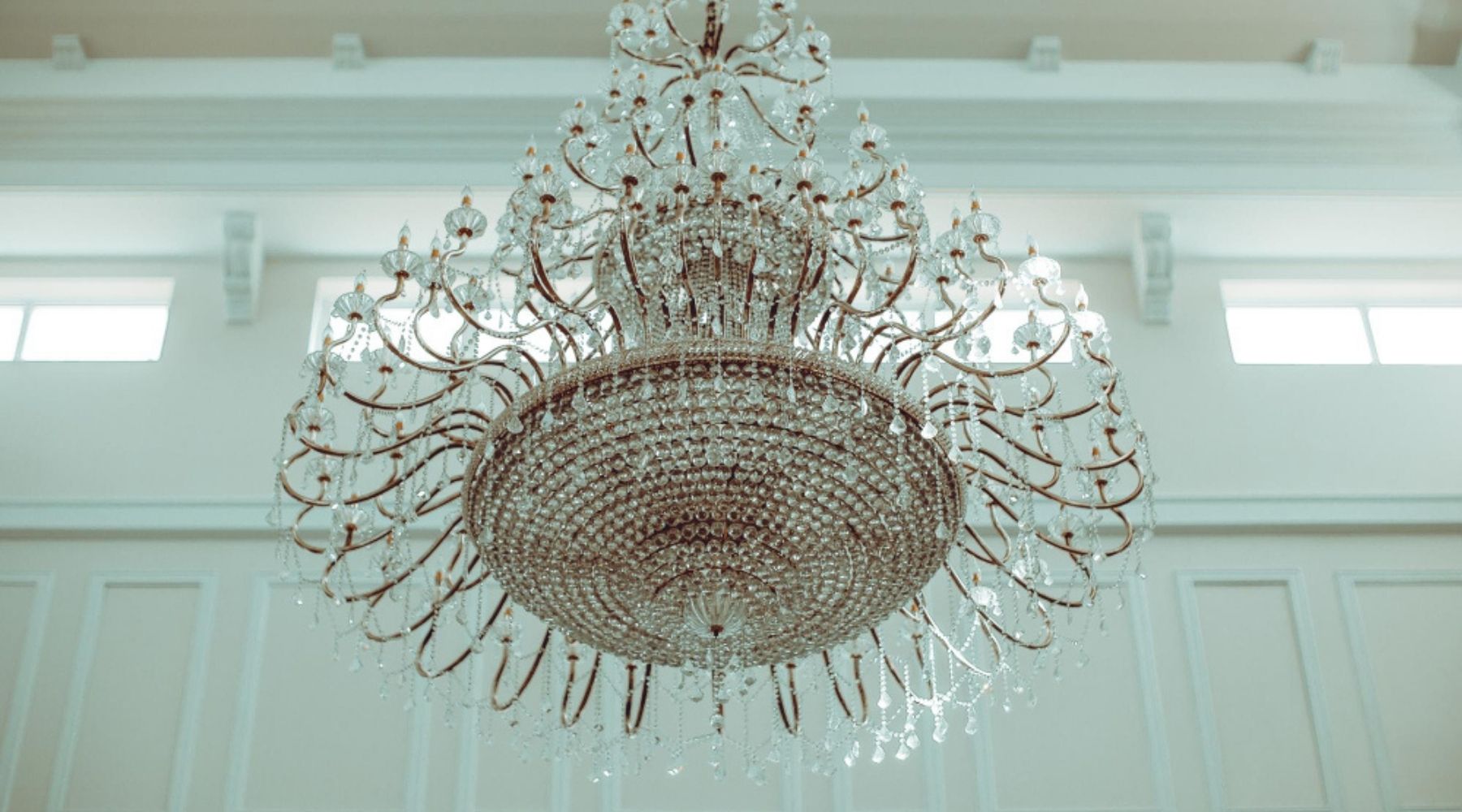
22+Living Room Ceiling Lights Ideas, Trends
Ceiling lights have become a popular choice in interior design recently, as they are essential for completing ambient lighting setups. Looking ahead, the coming year promises a variety of exciting ...
Read more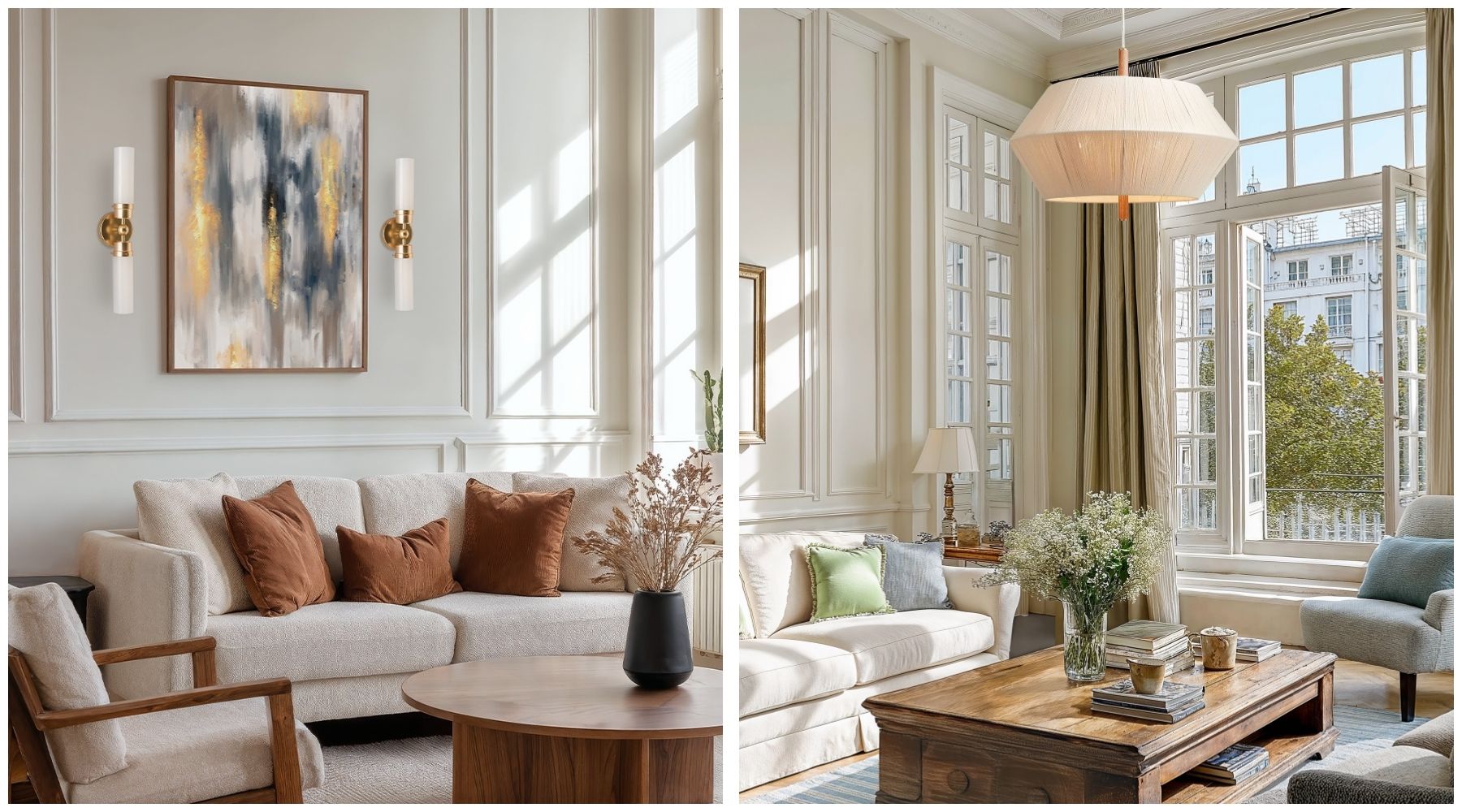
30+ Best Living Room Lighting Ideas, Trends & Inspiration
Typically, while other rooms in a home may undergo redecoration every 3-4 years, statistics from Furniture123 indicate that the living room sees redecoration roughly every 1-2 years on average. Thi...
Read more
Leave a comment
This site is protected by hCaptcha and the hCaptcha Privacy Policy and Terms of Service apply.